






What Certifications Matter for Small Skid-Mounted Water Purification Equipment?
What Certifications Matter for Small Skid-Mounted Water Purification Equipment?
The first mistake many buyers make is treating certification as a single box to tick. For Small-Sized Integrated Skid-Mounted Water Purification Treatment Equipment, that approach is risky. There is rarely one universal certificate that proves the whole system is acceptable for every project. What matters is the combination: product safety, electrical compliance, pressure-related conformity where applicable, water-contact material suitability, factory quality management, and sometimes drinking water or local market access requirements. Procurement decisions tend to go wrong when these categories are mixed together or assumed to be interchangeable.
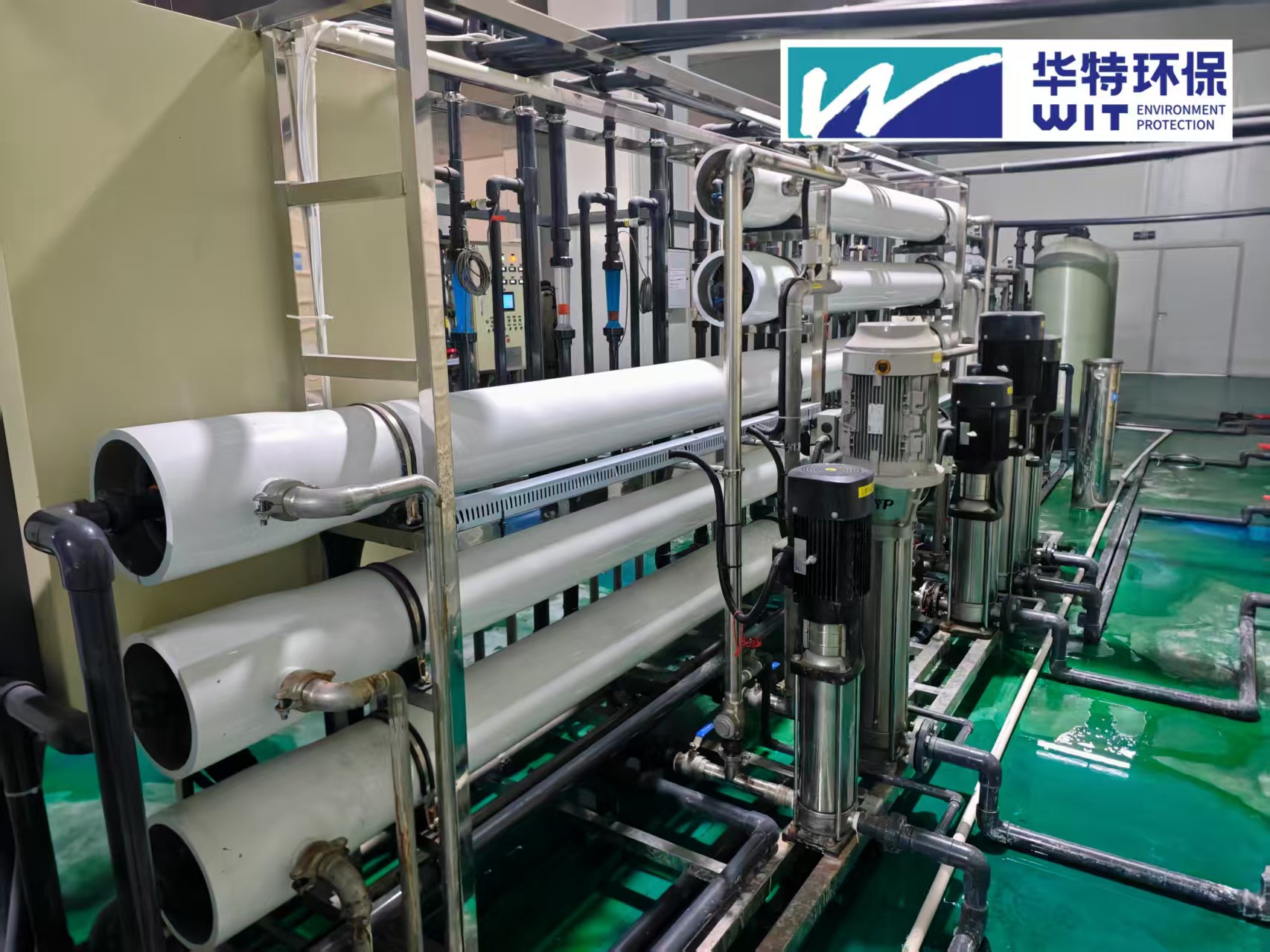
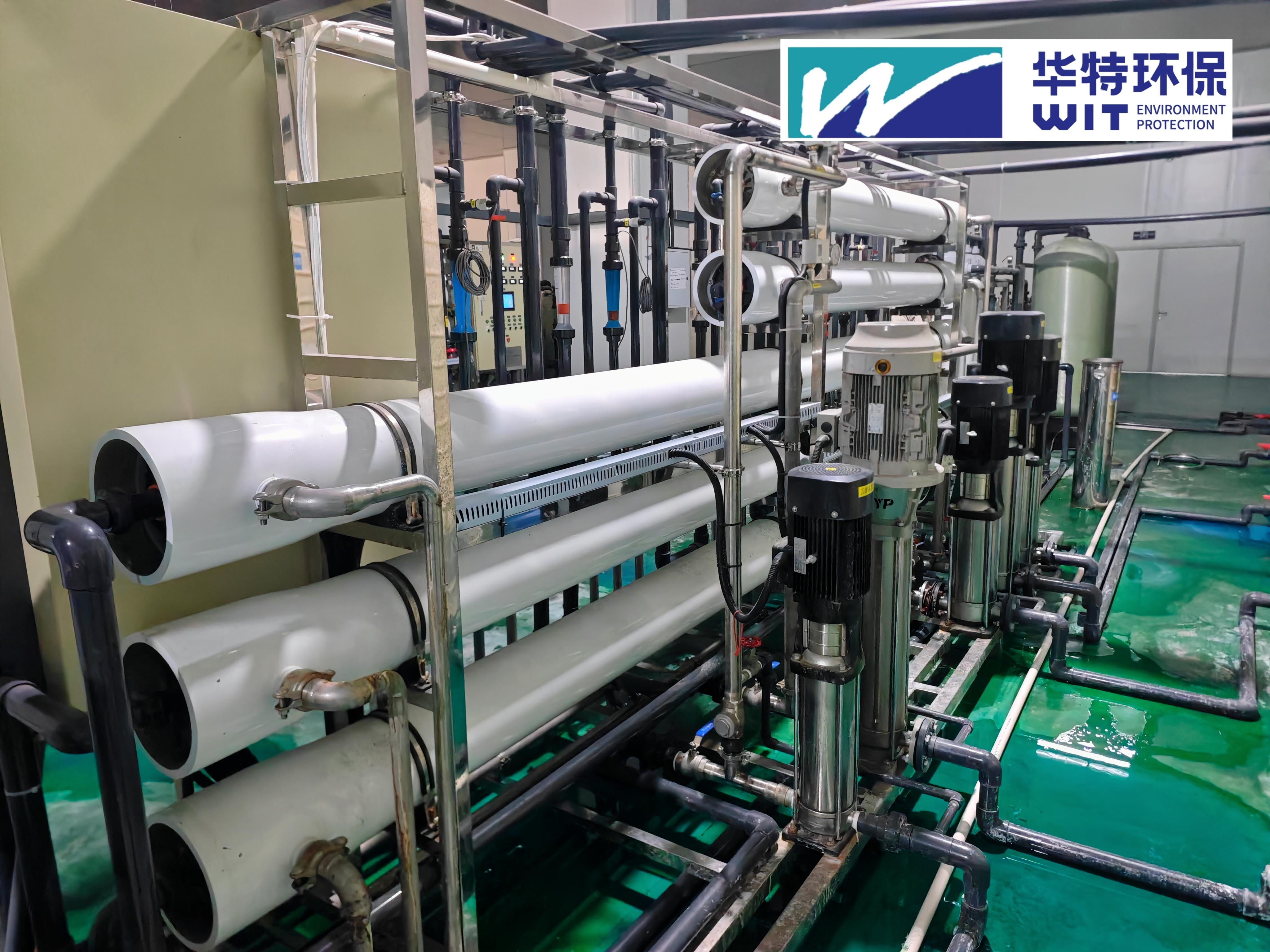
A skid-mounted unit is not just a vessel with a label. It is usually an integrated package that may include pumps, dosing modules, membrane elements, piping, control cabinets, UV units, filtration stages, chemical handling sections, and remote monitoring functions. Because of that, certification should be read at three levels: the complete system, the critical components inside it, and the manufacturer’s ability to deliver consistent build quality. A component certificate alone does not automatically certify the assembled equipment. The reverse is also true: a general factory certificate does not prove every wetted part or electrical assembly meets project requirements.
The Certifications That Usually Matter Most
For most technical procurement work, ISO 9001 is the baseline rather than the deciding factor. It tells you the supplier has a quality management system, but it does not validate treatment performance, hygienic safety, or legal market access. It helps reduce manufacturing inconsistency; it does not replace technical due diligence.
Where the equipment includes electrical controls, certification aligned with the destination market is often more important than buyers initially expect. In the European market, CE marking may be relevant, but it should be understood correctly: CE is not a single test certificate for water treatment performance. It is a conformity framework tied to applicable directives or regulations, such as low voltage, electromagnetic compatibility, machinery, and in some cases pressure-related requirements. A serious supplier should be able to explain which directives apply to the skid and provide supporting technical documentation, not just place a CE label on the panel door.
For North America, buyers often look for UL or CSA-related compliance for electrical assemblies, especially if the skid will be installed in industrial, municipal, or commercial facilities with strict inspection procedures. Again, the practical issue is not whether the supplier can mention UL, but whether the control cabinet, wiring practices, and listed components align with site acceptance needs.
If the unit is intended for potable water or any application where treated water enters human-use systems, NSF/ANSI standards frequently become part of the conversation. The exact standard depends on the component or claim involved. Buyers should be careful here: having one NSF-certified fitting does not mean the full skid is certified for drinking water use. What matters is whether the wetted materials, treatment components, and intended use match the project’s regulatory expectations.
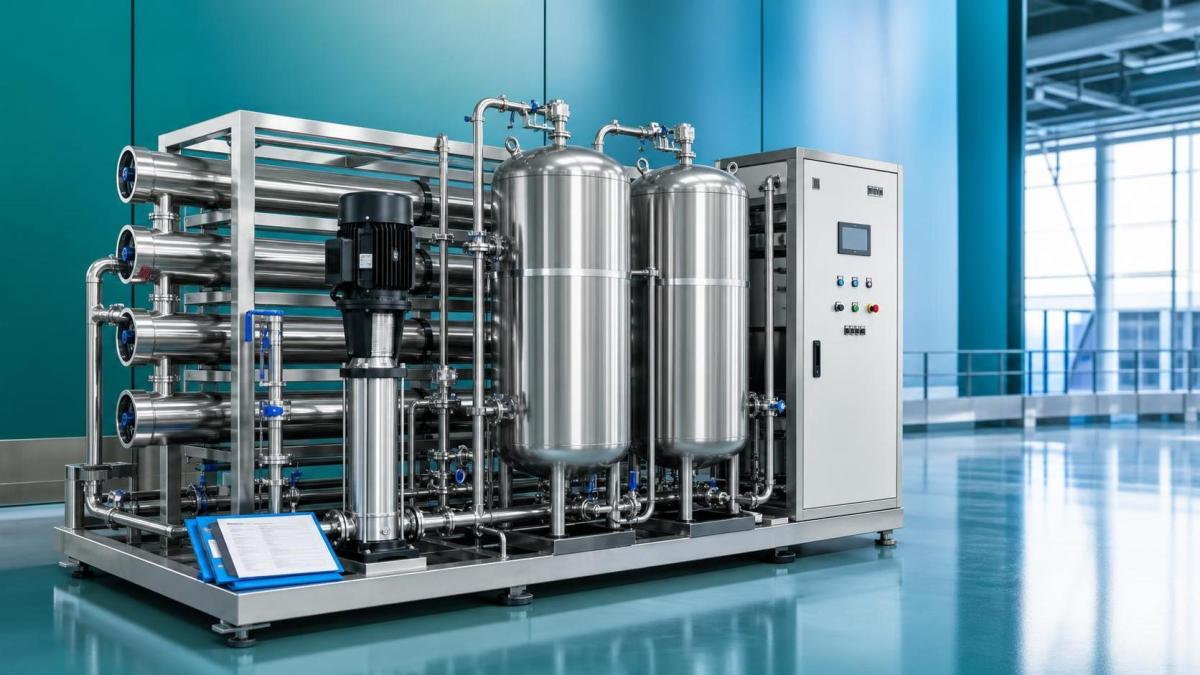
Pressure equipment compliance is another area that gets overlooked in compact integrated systems. Small footprint does not mean low regulatory exposure. If the skid includes pressure vessels, compressed air sections, or membrane housings operating above certain thresholds, local pressure equipment rules may apply. In the EU, that can involve PED-related assessment depending on design conditions and fluid category. In other jurisdictions, inspection and registration rules differ, but the procurement logic is the same: ask for design pressure, test pressure, vessel material information, and the applicable code or conformity route.
What Buyers Often Misread
One common misunderstanding is assuming performance certification and manufacturing certification are the same thing. They are not. A factory may operate under ISO 9001 and still deliver a system that is not suitable for a specific feedwater profile, chemical dosing regime, or discharge target. On the other side, a technically sound process design can still run into approval problems if electrical or material compliance is weak.
Another is relying too heavily on broad wording such as “international standard,” “export standard,” or “compliant materials.” Those phrases are too vague for procurement review. Ask which standard, which edition if relevant, which component, and whether the certificate belongs to the manufacturer, the integrator, or a sub-supplier. For skid-mounted systems, responsibility often spans several parties, and the document trail needs to reflect that.
There is also a persistent habit of asking for every certificate available, even when some have no relation to the installation environment. That can slow down evaluation without improving risk control. A brackish water treatment skid for industrial reuse does not need to be judged by the same documentation priorities as a packaged potable water unit for a remote community. Certification must follow application boundary.
A More Practical Procurement Checklist
For small integrated water purification skids, useful certification review usually comes down to a few concrete questions:
- Is there a valid quality management certificate for the equipment manufacturer, such as ISO 9001?
- What market-specific electrical or machinery conformity applies to the complete skid?
- Are critical pressure-bearing parts designed and documented to the relevant code or regulation?
- For drinking water or hygienic uses, are the wetted materials and treatment components supported by appropriate approvals?
- Do the certificates belong to the actual builder or only to individual purchased components?
- Can the supplier provide a document package that matches the final configuration, not just a generic brochure version?
That last point matters more than it sounds. Small skid systems are often customized around feedwater quality, disinfection method, footprint constraints, or automation level. Once chemical preparation, oxidation, or disinfection modules are added, the compliance picture can change. In chlorine dioxide-related treatment trains, for example, buyers should review not only the skid certification but also the handling logic for precursor chemicals, instrumentation, ventilation, and operating safeguards. In some projects, upstream process selection such as Sodium chlorite preparation technology may influence what documentation is needed for the complete treatment package, especially where chemical generation and dosing are integrated into one engineered solution.
Why Experience Still Matters Alongside Certificates
Certifications reduce uncertainty, but they do not substitute for engineering track record. In water treatment, the same skid format can serve municipal polishing, industrial process water, aquaculture reuse, or decentralized wastewater reclamation. The operating risks are different in each case. A supplier with real experience in wastewater treatment, municipal applications, ecological governance, and disinfection equipment integration is generally better positioned to explain which certificates are mandatory, which are project-driven, and which are merely nice to have. That distinction is especially relevant when evaluating compact systems expected to work in remote or variable conditions.
This is where technically mature environmental companies tend to stand out. Organizations involved in long-cycle engineering delivery, government projects, and applied R&D usually build documentation habits that are closer to actual project approval needs. For buyers, that means the conversation should move beyond “Do you have certificates?” to “Can you map your certificates and compliance documents to this exact application, destination market, and treatment configuration?”
A well-qualified supplier should be comfortable answering that with specifics. If the response stays generic, the risk is not only a paperwork gap. It may indicate the equipment has not been engineered with enough attention to installation acceptance, operator safety, or lifecycle reliability.
For procurement teams, the most reliable approach is simple: separate system certification from component certification, match compliance to the end-use scenario, and ask for documentation tied to the actual skid you intend to buy. That is how certifications become a technical filter rather than a marketing checklist.


 When Does a Small Water Purification System Outperform Centralized Treatment? Use Cases in Disaster Response and Mining Camps
 Small Water Purification System for Remote Clinics: Power-Independent Options and WHO Drinking Water Guidelines Compliance
 Ultrapure Water Equipment ROI Calculator: Estimating Payback Period Based on Yield Improvement and Defect Reduction
 How Ultrapure Water Equipment Validates Compliance with SEMI F63-1118 for 28nm+ Wafer Fabrication
") Ultrapure Water Equipment for Semiconductor Manufacturing: Key Specifications Beyond Resistivity (TOC, Particle Count, Metals)
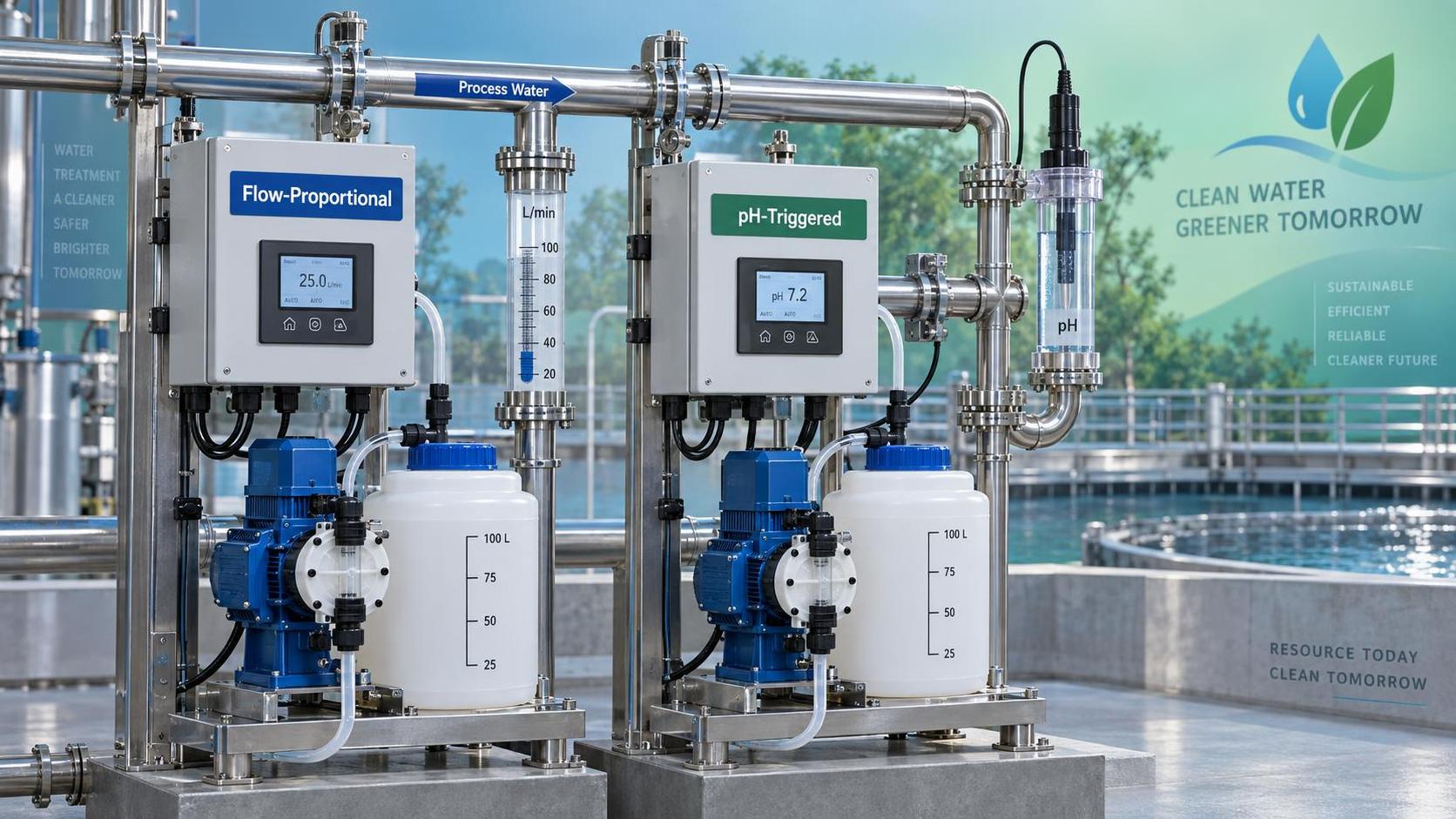
Ultrapure Water Equipment for Semiconductor Manufacturing: Key Specifications Beyond Resistivity (TOC, Particle Count, Metals) Why Flow-Proportional vs. pH-Triggered Automatic Dosing Units Deliver Different Outcomes in Wastewater Neutralization
GET A FREE QUOTE
Service Commitment: Upon receipt of your message, a dedicated representative will contact you as soon as possible to provide efficient and professional service support.
