






How Ultrapure Water Equipment Validates Compliance with SEMI F63-1118 for 28nm+ Wafer Fabrication
Why SEMI F63-1118 Compliance Isn’t Just About Purity—It’s About Traceability
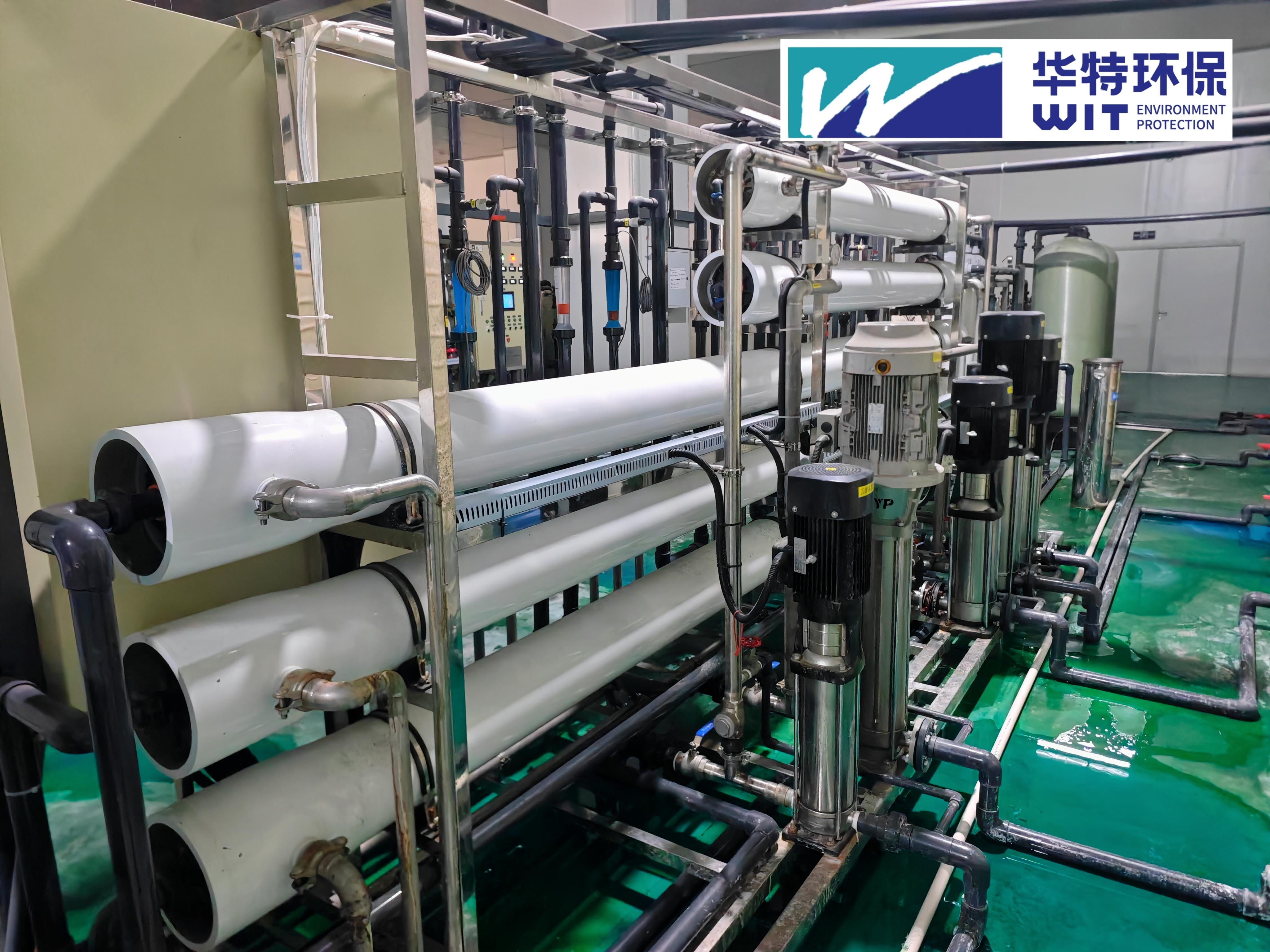
For quality control and safety professionals working in 28nm+ wafer fabrication, ultrapure water (UPW) isn’t just a utility—it’s a process-critical material whose failure mode is silent, cumulative, and often irreversible. SEMI F63-1118 doesn’t merely define resistivity or particle counts; it mandates verifiable, end-to-end validation of how UPW equipment maintains compliance across time, load, and operational drift. That’s where many systems fall short—not at startup, but during extended runtime or after maintenance events.
The Gap Between Lab Spec and Real-World UPW Delivery
We’ve seen facilities pass initial commissioning tests only to detect subtle TOC spikes or microbial regrowth after 72 hours of continuous operation. Why? Because F63-1118 requires evidence—not just snapshots—that your UPW system sustains performance under actual fab conditions: variable flow demand, seasonal feedwater quality shifts, and intermittent disinfection cycles. Municipal or industrial wastewater treatment experience teaches us that disinfection efficacy isn’t linear with dosage; it depends on contact time, residual stability, and biofilm management. That same principle applies upstream in UPW generation—especially where chlorine dioxide is used for pre-treatment or loop sanitization.
How Chlorine Dioxide Fits Into the Validation Chain
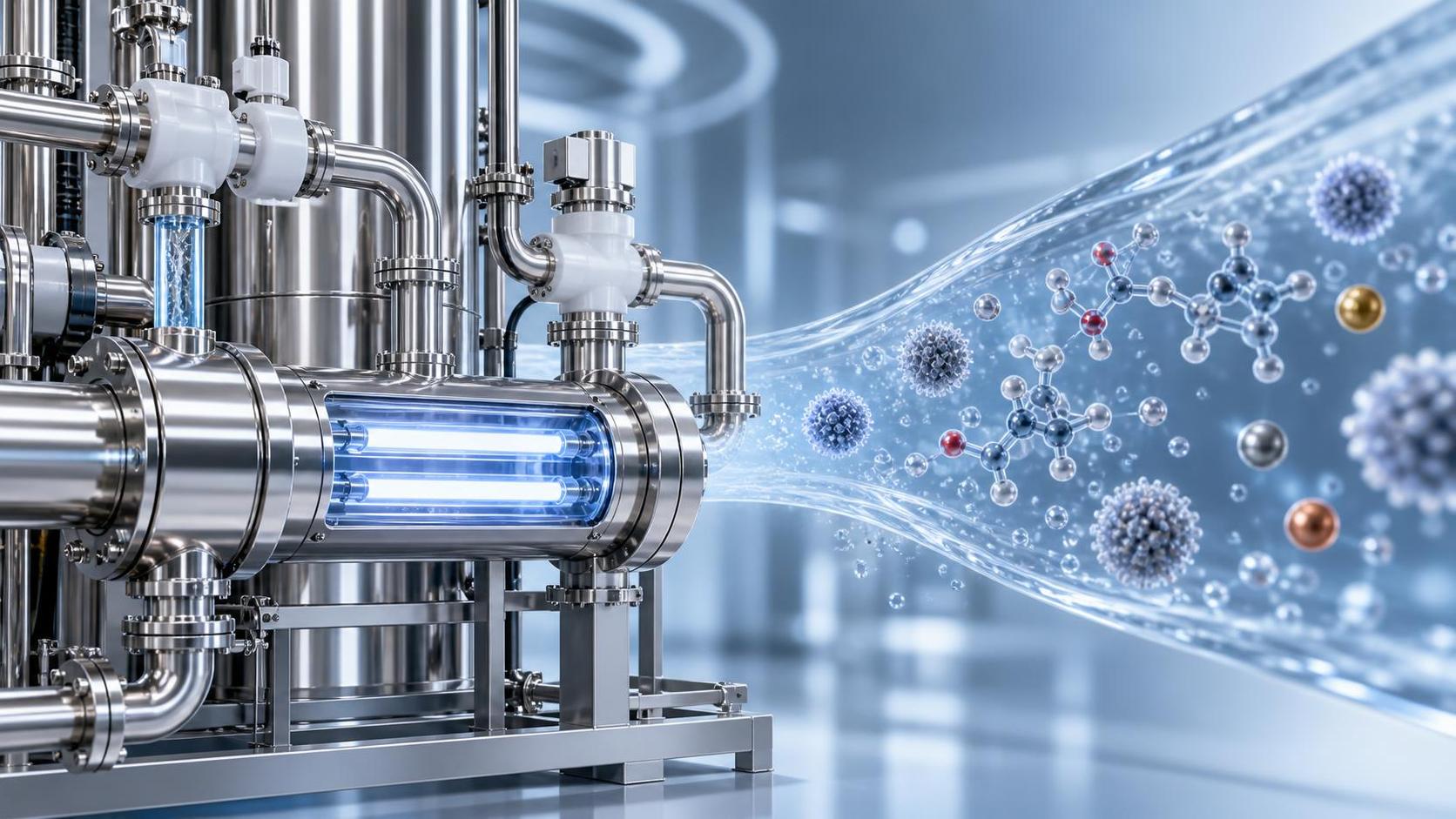
Unlike sodium hypochlorite or ozone, chlorine dioxide offers predictable, non-chlorinated oxidation with minimal DBP formation—critical when your downstream polishing train includes UV and mixed-bed resins. But its effectiveness hinges on consistent concentration delivery and real-time monitoring. Our W2 type (high negative pressure) chlorine dioxide preparation technology was developed over a decade of field deployment in large-scale industrial water treatment and municipal reuse projects—environments where batch variability directly impacts downstream reliability. Its design prioritizes stable output across fluctuating feed pressures and temperature ranges, reducing calibration frequency and supporting auditable log data required by F63-1118 Annex B.
What “Validated” Really Means in Practice
Validation isn’t just instrumentation. It’s how you handle deviations. For example: if a conductivity sensor drifts beyond ±0.05 µS/cm tolerance, does your system trigger automatic sampling, isolate affected loops, and retain raw data for root-cause analysis? Shandong Wit’s UPW-integrated approach draws from our work on over 100 government environmental projects—including constructed wetland systems where trace contaminant persistence demanded rigorous chain-of-custody protocols. That mindset transfers directly: every UPW subsystem must generate timestamped, tamper-evident records—not just for annual audits, but for daily shift handovers and incident investigations.
Three Often-Overlooked Validation Touchpoints
First, material compatibility: stainless steel grades, gasket polymers, and even weld passivation methods affect long-term leaching profiles—especially under repeated thermal sanitization. Second, regeneration timing: ion exchange resin exhaustion isn’t always signaled by conductivity rise alone; organic fouling can mask early breakthrough. Third, point-of-use verification: F63-1118 requires testing *at the tool*, not just at the skid outlet—yet many facilities still rely on single-point sampling without flow-path mapping or dead-leg assessment.
No One-Size-Fits-All, Even for Standards
SEMI F63-1118 allows flexibility in methodology—but that flexibility demands deeper technical judgment, not less. A system validated for 28nm logic may need re-assessment for memory fabs running higher-temperature rinse cycles. Feedwater hardness, silica content, or ambient humidity in the UPW mechanical room all influence validation scope. Our team doesn’t apply templates. We start by reviewing your fab’s historical UPW incident logs, maintenance records, and tool-specific rejection rates—then align validation boundaries with your actual risk profile, not just the standard’s minimum clauses.
Final Note: Validation Is Continuous, Not Event-Based
The most robust UPW systems we’ve supported weren’t built to pass a single audit—they were engineered to make deviation detection faster than failure propagation. That means integrating real-time analytics with operational discipline, not just installing more sensors. If your current UPW vendor treats validation as a deliverable rather than a shared operational rhythm, it’s worth asking: who owns the data lineage? Who interprets the trend before it becomes an excursion? And when a tool reports particle spikes, does your UPW system provide actionable forensics—or just another alarm?


 How Ultrapure Water Equipment Validates Compliance with SEMI F63-1118 for 28nm+ Wafer Fabrication
") Ultrapure Water Equipment for Semiconductor Manufacturing: Key Specifications Beyond Resistivity (TOC, Particle Count, Metals)
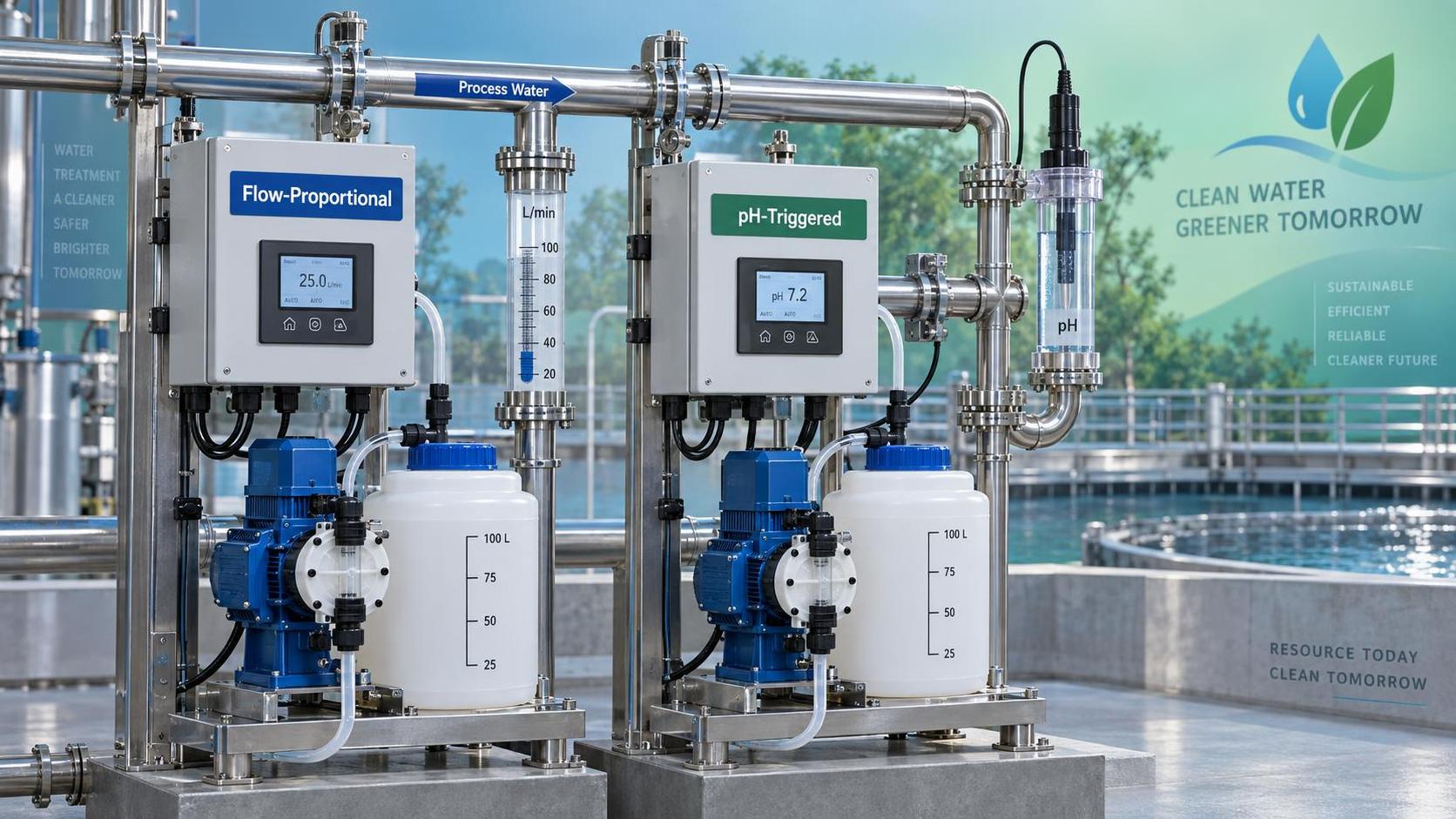
Ultrapure Water Equipment for Semiconductor Manufacturing: Key Specifications Beyond Resistivity (TOC, Particle Count, Metals) Why Flow-Proportional vs. pH-Triggered Automatic Dosing Units Deliver Different Outcomes in Wastewater Neutralization
 Automatic Dosing Unit Selection Guide: Matching Pump Type, Control Logic, and Calibration Accuracy to Your Water Matrix
 How Sodium Chlorite Generators Work: Electrochemical Generation, Feedstock Purity Requirements, and Output Stability Control
 Sodium Chlorite Generator vs. Bulk Chemical Delivery: Total Cost of Ownership for On-Site Disinfectant Production
GET A FREE QUOTE
Service Commitment: Upon receipt of your message, a dedicated representative will contact you as soon as possible to provide efficient and professional service support.
