







When Does a Small Water Purification System Outperform Centralized Treatment? Use Cases in Disaster Response and Mining Camps
When speed, mobility, and context-specific reliability matter most—such as in post-disaster relief or remote mining camps—a Small Water Purification System doesn’t just complement centralized treatment; it outperforms it. Centralized plants rely on stable power grids, continuous feedwater pressure, trained operational staff, and pre-existing civil infrastructure. In contrast, off-grid emergencies and temporary industrial sites lack all four. Under those conditions, waiting for pipeline reconstruction, grid restoration, or permitting for a new treatment plant isn’t an option—it’s a failure mode.
Disaster Response: Where Time Is the Critical Constraint
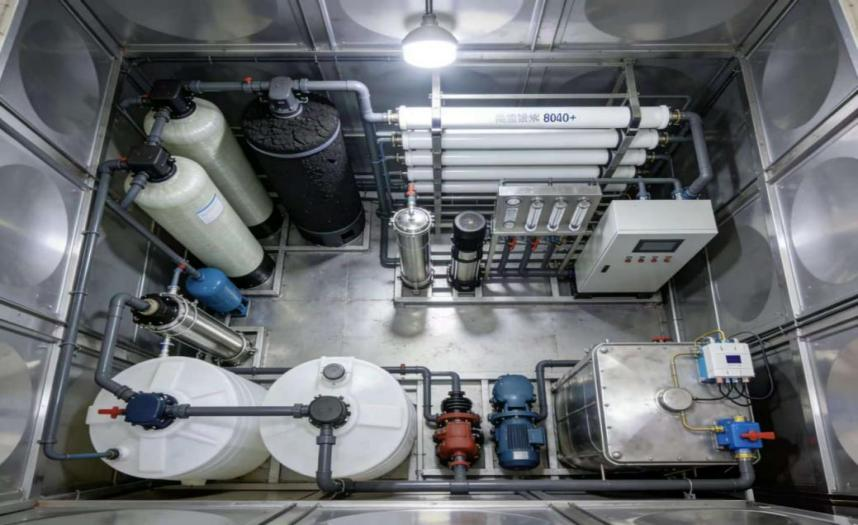
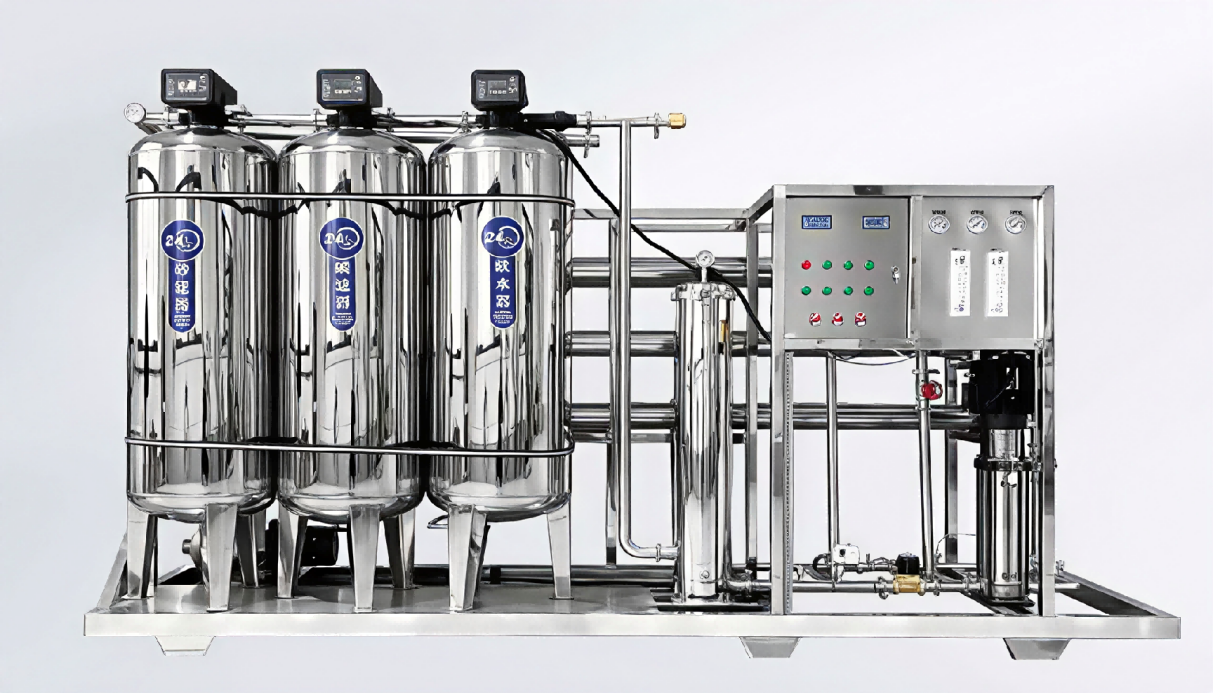
In flood- or earthquake-affected zones, waterborne disease outbreaks often emerge within 48–72 hours of service disruption. Conventional response relies on bottled water or chlorine tablets—both insufficient for sustained population needs and vulnerable to supply chain breaks. A Small Water Purification System bypasses this bottleneck by treating raw surface or groundwater on-site, using multi-barrier processes that include coagulation-flocculation, ultrafiltration or nanofiltration membranes, and final disinfection. Crucially, these systems operate independently of municipal infrastructure: they require only a diesel generator or solar array (typically 3–8 kW), minimal footprint (<15 m²), and can be commissioned within 6–12 hours of arrival. Their output meets WHO and EPA secondary standards for turbidity (<1 NTU), total coliforms (0/100 mL), and residual disinfectant—without relying on operator titration or manual dosing accuracy.
Mining Camps: The Challenge of Transient, High-Risk Water Sources
Remote mining operations draw from shallow aquifers, seasonal rivers, or pit lakes—sources often laden with suspended solids, heavy metals (e.g., iron, manganese), and organic contaminants from natural leaching. Centralized treatment would require extensive pretreatment, corrosion-resistant materials, and continuous chemical feed calibration—none feasible for a camp designed to relocate every 18–36 months. Modular purification units address this by integrating robust prefiltration (self-cleaning screen filters rated to 50 µm), pH adjustment, and advanced oxidation where needed. Disinfection is non-negotiable: unlike UV-only systems, which fail under high turbidity or lamp fouling, electrochemical or chemical-free chlorine dioxide generation ensures consistent microbial inactivation—even when feedwater quality fluctuates hourly. For example, W3 type (comprehensive method) chlorine dioxide preparation technology enables on-demand, low-dose ClO₂ production without gaseous chlorine handling or sodium chlorite stockpiling—reducing both safety risk and logistics burden across isolated sites.
Operational Boundaries That Define Superiority
A Small Water Purification System outperforms centralized treatment only when specific technical and logistical thresholds are crossed. First, deployment time must be less than 24 hours—including transport, leveling, connection, and validation. Second, energy autonomy must be demonstrable: systems drawing >12 kW or requiring three-phase grid input forfeit their advantage. Third, maintenance intervals should exceed 72 hours of continuous operation without manual intervention—filter backwashing, sensor recalibration, or chemical top-ups. Fourth, output stability must hold across at least three successive feedwater quality shifts (e.g., turbidity from 5 to 120 NTU, iron from 0.3 to 5.2 mg/L). If any one of these fails, the system reverts to a stopgap—not a strategic solution.
Why “Small” Doesn’t Mean “Simplified”
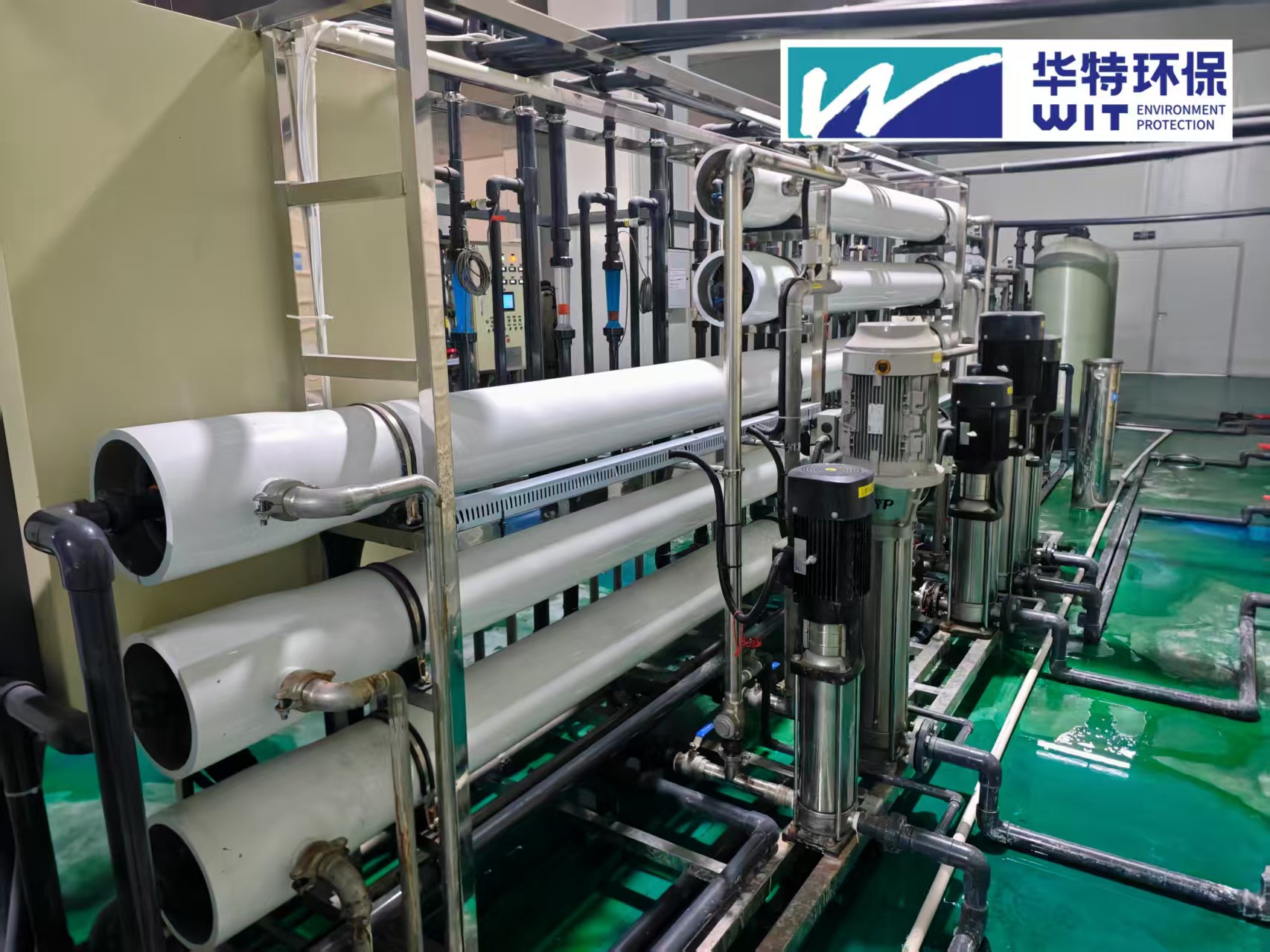
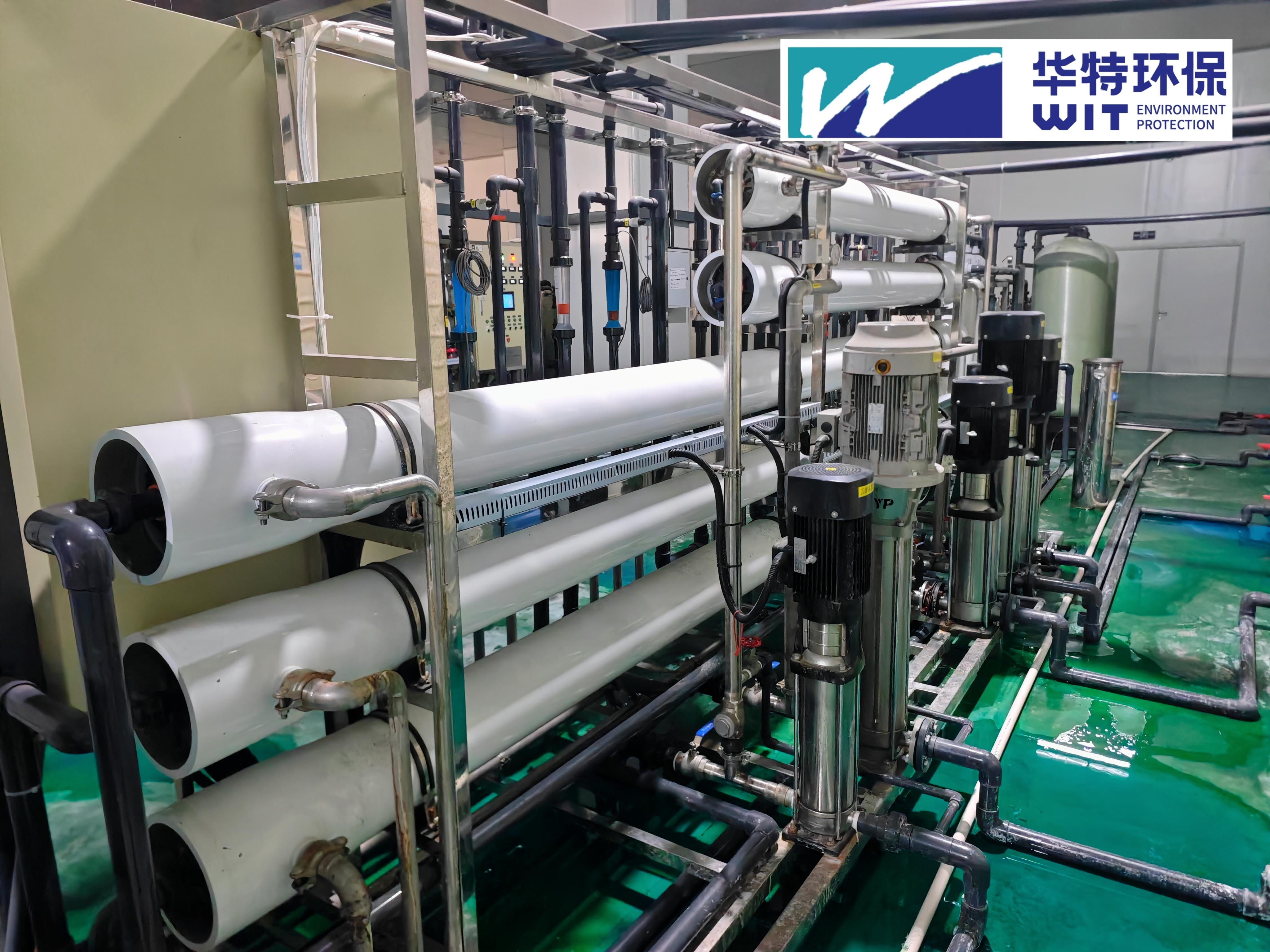
The misconception that smaller systems trade performance for portability leads to specification errors. True small-scale purification retains full process integrity: real-time turbidity and free chlorine monitoring, redundant pump control, automated membrane integrity testing, and data logging compliant with ISO 24510 for decentralized systems. What changes is not the treatment logic—but the integration architecture. Piping is standardized to ISO 8031 quick-connects instead of welded flanges; tanks are rotationally molded polyethylene rather than stainless steel; and control logic runs on hardened ARM-based PLCs, not server-dependent SCADA. These adaptations reduce weight and field assembly time without compromising hydraulic retention time, contact dosage, or pathogen log reduction values (LRVs).
Material and Maintenance Realities
Aluminum housings corrode rapidly in coastal disaster zones; carbon steel fails in acidic mine drainage. Successful deployments use marine-grade 316L stainless or fiber-reinforced polymer (FRP) casings rated to IP66. Membranes must tolerate 10–15 ppm of total suspended solids without irreversible fouling—requiring hydrophilic PVDF or PES formulations, not generic polysulfone. Chlorine dioxide generation modules avoid sodium chlorite solutions above 25% concentration to prevent crystallization in ambient temperatures below 10°C. And critically, no component should require specialized tools for replacement: filter cartridges must be hand-tightened, sensors swapped via push-fit connectors, and disinfectant cartridges loaded vertically without alignment jigs.
Performance isn’t measured in liters per minute alone—it’s validated by how quickly safe water flows when the grid goes dark, or how reliably output remains compliant after three days of monsoon runoff entering the intake. In those moments, scalability isn’t about capacity—it’s about certainty.


 When Does a Small Water Purification System Outperform Centralized Treatment? Use Cases in Disaster Response and Mining Camps
 Small Water Purification System for Remote Clinics: Power-Independent Options and WHO Drinking Water Guidelines Compliance
 Ultrapure Water Equipment ROI Calculator: Estimating Payback Period Based on Yield Improvement and Defect Reduction
 How Ultrapure Water Equipment Validates Compliance with SEMI F63-1118 for 28nm+ Wafer Fabrication
") Ultrapure Water Equipment for Semiconductor Manufacturing: Key Specifications Beyond Resistivity (TOC, Particle Count, Metals)
Ultrapure Water Equipment for Semiconductor Manufacturing: Key Specifications Beyond Resistivity (TOC, Particle Count, Metals) Why Flow-Proportional vs. pH-Triggered Automatic Dosing Units Deliver Different Outcomes in Wastewater Neutralization
GET A FREE QUOTE
Service Commitment: Upon receipt of your message, a dedicated representative will contact you as soon as possible to provide efficient and professional service support.
