






Small Water Purification System for Remote Clinics: Power-Independent Options and WHO Drinking Water Guidelines Compliance
When procuring a Small Water Purification System for remote clinics, your primary constraint isn’t just performance—it’s operational reality. No grid power. Limited technical staff. Frequent supply chain delays. And zero margin for error when water safety directly impacts patient outcomes and infection control. This isn’t about selecting a compact unit from a catalog; it’s about choosing a system that delivers WHO-compliant drinking water *without* relying on stable electricity, diesel generators, or ongoing chemical logistics—while still fitting within realistic procurement timelines and lifecycle cost expectations.
Why “Power-Independent” Is Non-Negotiable—And What It Really Means
“Power-independent” is often misread as “battery-operated.” That’s misleading—and potentially dangerous. Batteries degrade, require recharging (which fails without grid or solar), and add failure points in high-heat or humid environments common in remote settings. True independence means energy autonomy: systems that function using passive physical processes (e.g., gravity-fed membrane filtration, solar thermal disinfection) or ultra-low-energy active components (e.g., DC-motor pumps drawing ≤12W, paired with modest solar panels). Crucially, it also means no dependency on continuous chemical dosing—because chlorine or ozone supplies rarely reach remote clinics reliably, and residual management requires trained personnel most facilities lack.
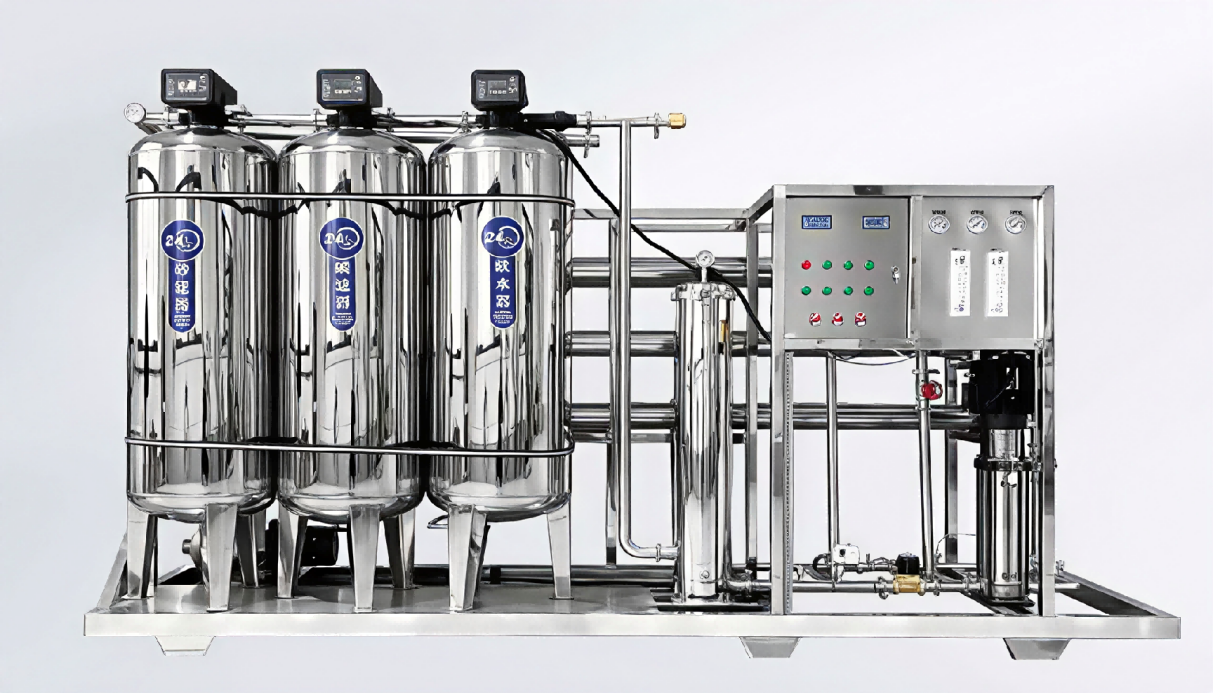
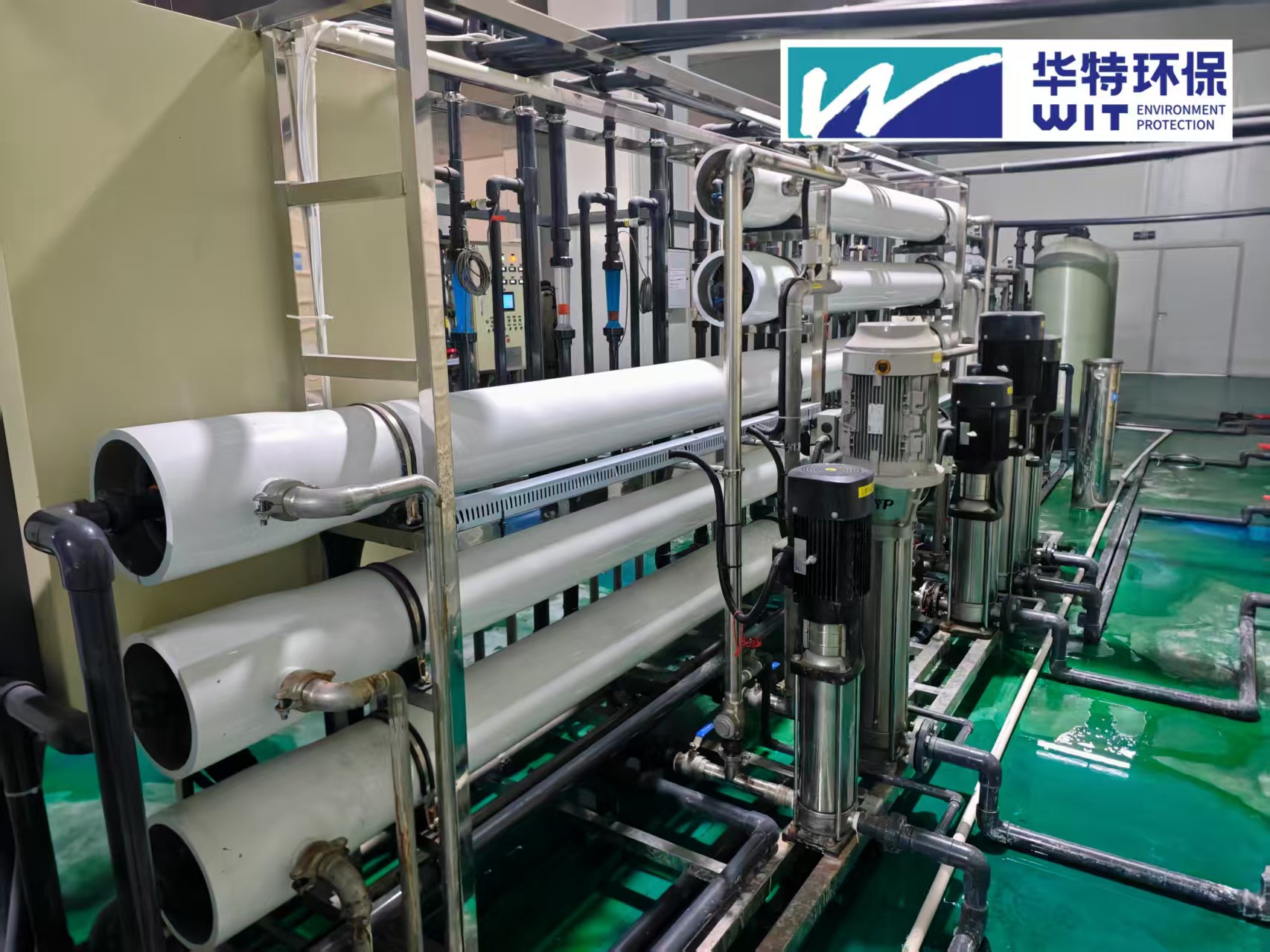
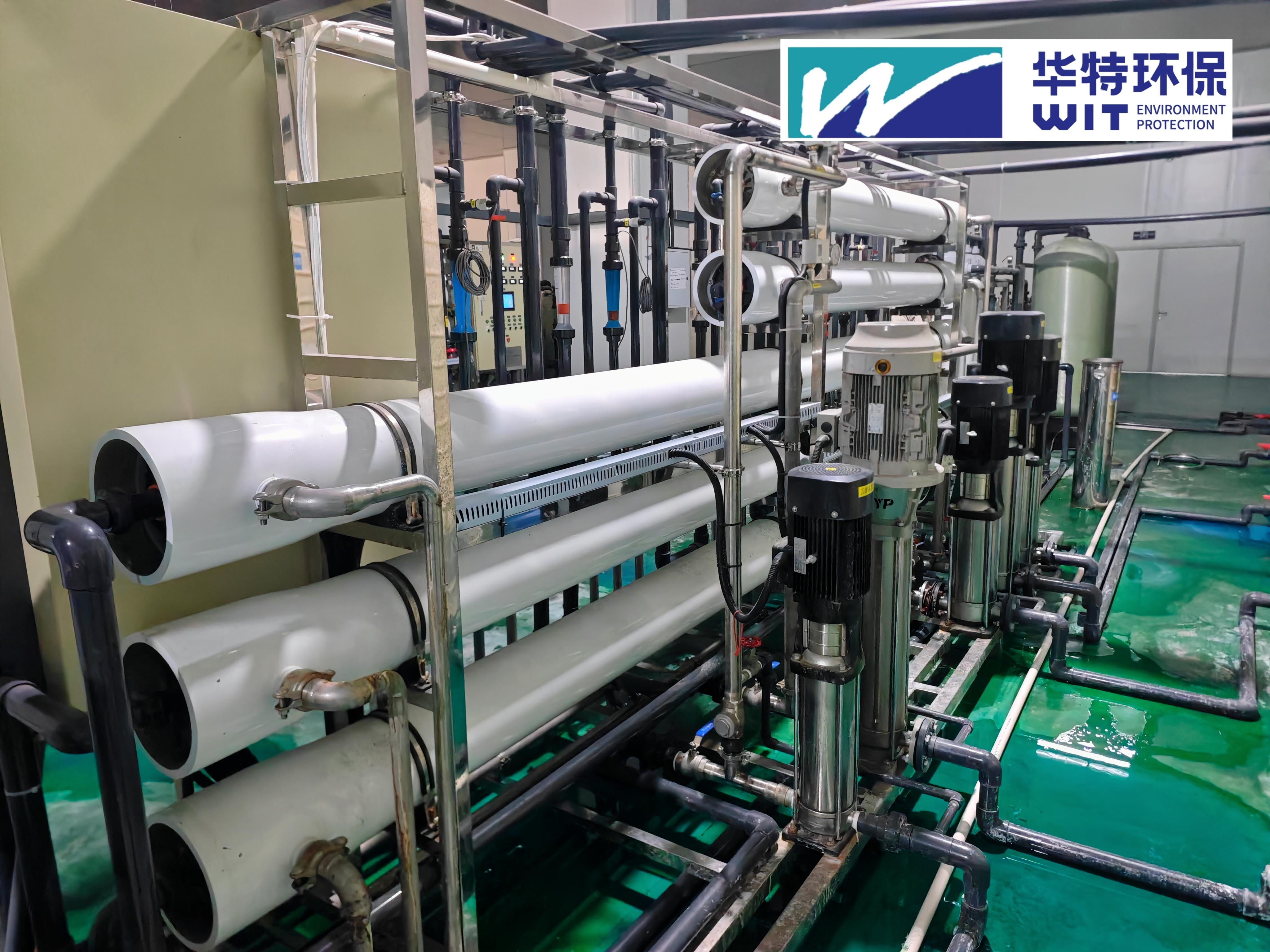
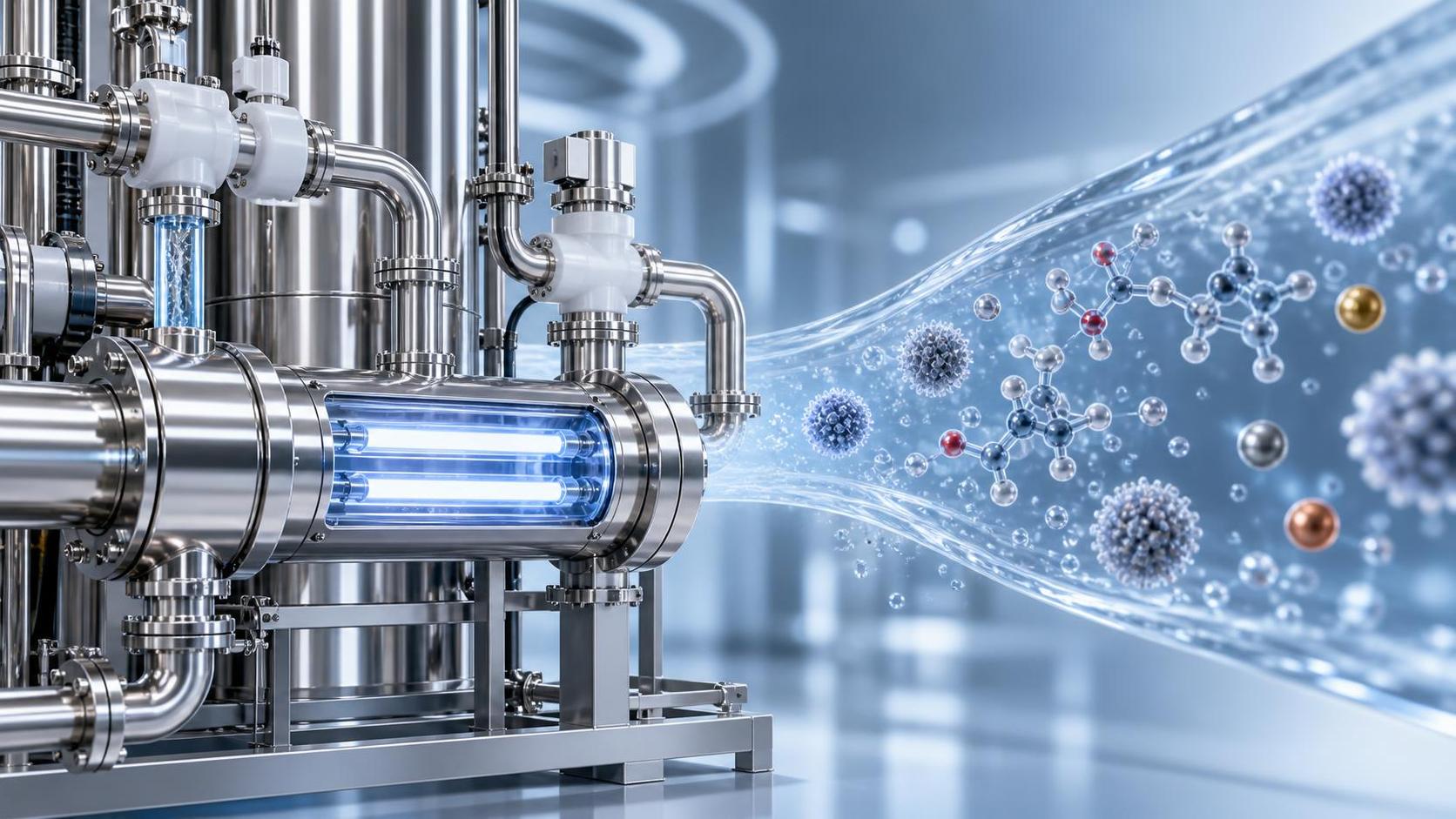
Shandong Wit Environmental Protection Technology Co., Ltd.—a SASAC-affiliated enterprise with over a decade of field-deployed experience in off-grid water treatment—designs its compact purification units around this principle. Their modular systems integrate ceramic ultrafiltration membranes (effective against bacteria, protozoa, and turbidity) with integrated UV-C modules powered by photovoltaic kits sized for local insolation—not theoretical averages. No grid tie-in. No battery bank. No daily operator calibration. Just water in, certified-safe water out, verified against WHO Guideline 8.1 (microbial parameters) and Guideline 12.2 (turbidity & aesthetic limits).
What Procurement Teams Often Overlook (But Should Prioritize)
Cost isn’t just the unit price. It’s the total cost of deployment, operation, and risk mitigation:
- Maintenance labor intensity: Systems requiring quarterly membrane cleaning with specialized tools and training aren’t viable where the only technician serves five clinics across 200 km. Look for self-cleaning designs or long-interval maintenance cycles (>6 months under typical clinic flow).
- Spares availability: A $500 system becomes unusable if the $12 replacement O-ring takes 90 days to arrive. Procure only from suppliers with regional spare parts hubs—or those offering sealed, field-replaceable cartridge modules.
- Verification transparency: Does the supplier provide third-party test reports (not just internal QA) showing pathogen log-reduction across real-world influent conditions (e.g., 5–50 NTU turbidity, variable pH)? WHO compliance isn’t binary—it’s context-dependent.
For clinics embedded in ecologically sensitive or water-scarce regions, integration with broader water resilience planning matters. In some cases, decentralized infrastructure like constructed wetlands can serve as pre-treatment buffers—reducing load on point-of-use systems and extending membrane life. Shandong Wit’s expertise in ecological water management includes Artificial Wetland Planning and Construction, which may be relevant for larger health posts or district-level facilities aiming for multi-year water security—not just daily purification.
Three Practical Filters for Your Shortlist
Before requesting quotes or samples, apply these objective filters:
- Energy input ≤30W average, with full operation possible on ≤100W solar panel + charge controller (no battery required): If the spec sheet mentions “optional battery backup,” treat it as a red flag for true independence.
- WHO microbial compliance documented for influent turbidity ≥20 NTU: Real-world source water isn’t lab-grade. If testing was done only on filtered tap water, results are irrelevant.
- No consumables beyond filter cartridges, with minimum 12-month shelf life at 40°C: Avoid systems requiring liquid biocides, coagulants, or pH adjusters—logistics kill reliability faster than hardware failure.
Shandong Wit’s small-scale units meet all three. Their ceramic membranes tolerate silt-laden water without pre-filtration; their UV-C reactors use low-pressure amalgam lamps with 9,000-hour lifespans; and their cartridge replacement kits include desiccant-sealed packaging validated for tropical storage. This isn’t theoretical—it’s based on deployments across mountainous and arid regions of western China, where maintenance visits occur quarterly at best.
The Bottom Line for Procurement Decisions
A Small Water Purification System for remote clinics isn’t a “water filter.” It’s a critical care enabler. Its value isn’t measured in liters per hour—but in uninterrupted surgical handwashing, sterile instrument reprocessing, and safe rehydration therapy during outbreaks. That shifts the procurement calculus: prioritize proven field durability over brochure specs, lifecycle simplicity over initial cost, and supplier accountability over certification badges.
If your tender process allows, require vendors to submit not just product data sheets—but documented evidence of: (1) successful 6+ month unattended operation in a similar setting, (2) local spare parts lead time under 14 days, and (3) clear, non-proprietary procedures for end-user verification of output quality (e.g., simple turbidity strips + coliform presence/absence tests). Anything less treats water safety as an assumption—not a deliverable.


 Small Water Purification System for Remote Clinics: Power-Independent Options and WHO Drinking Water Guidelines Compliance
 Ultrapure Water Equipment ROI Calculator: Estimating Payback Period Based on Yield Improvement and Defect Reduction
 How Ultrapure Water Equipment Validates Compliance with SEMI F63-1118 for 28nm+ Wafer Fabrication
") Ultrapure Water Equipment for Semiconductor Manufacturing: Key Specifications Beyond Resistivity (TOC, Particle Count, Metals)
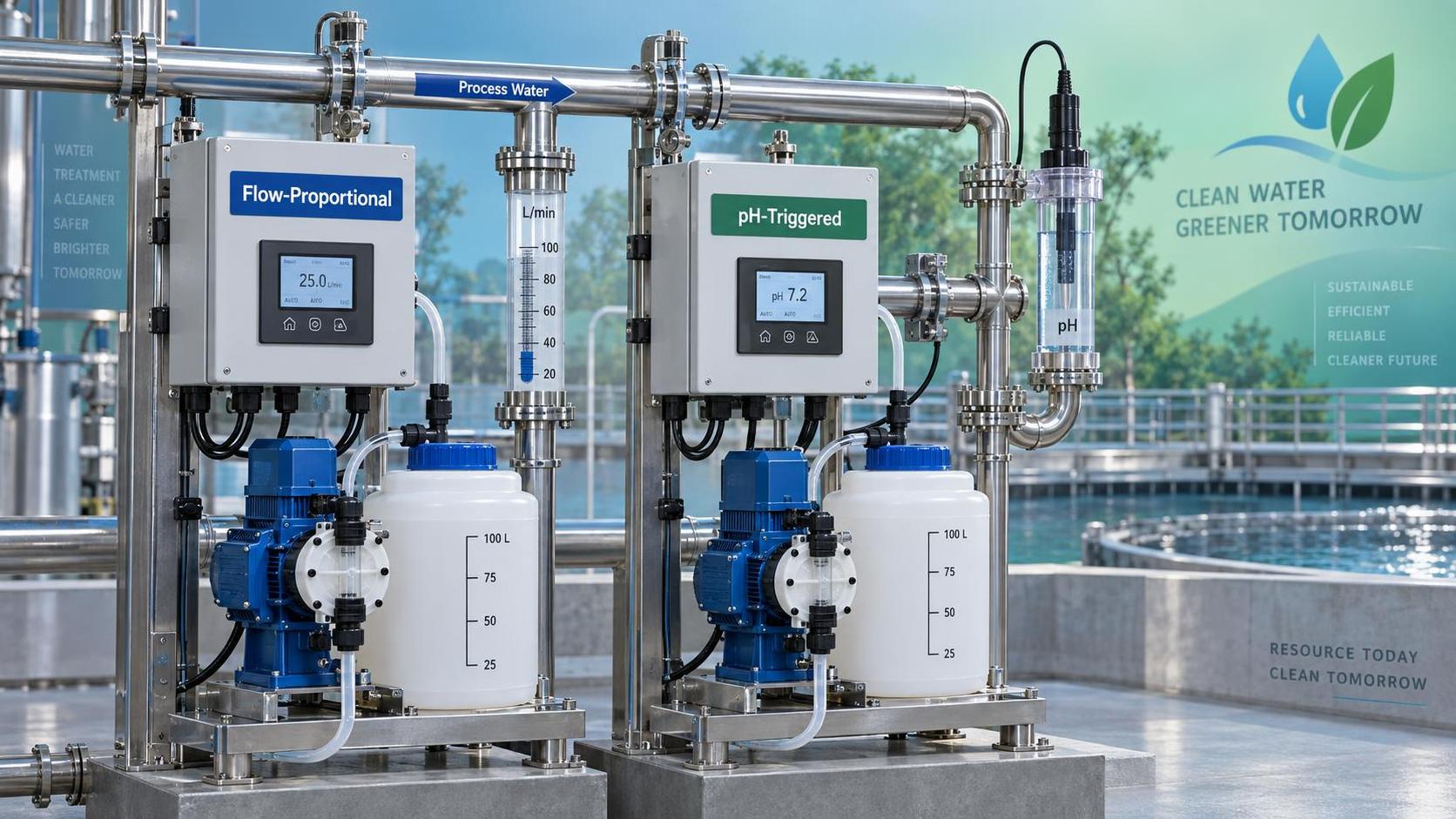
Ultrapure Water Equipment for Semiconductor Manufacturing: Key Specifications Beyond Resistivity (TOC, Particle Count, Metals) Why Flow-Proportional vs. pH-Triggered Automatic Dosing Units Deliver Different Outcomes in Wastewater Neutralization
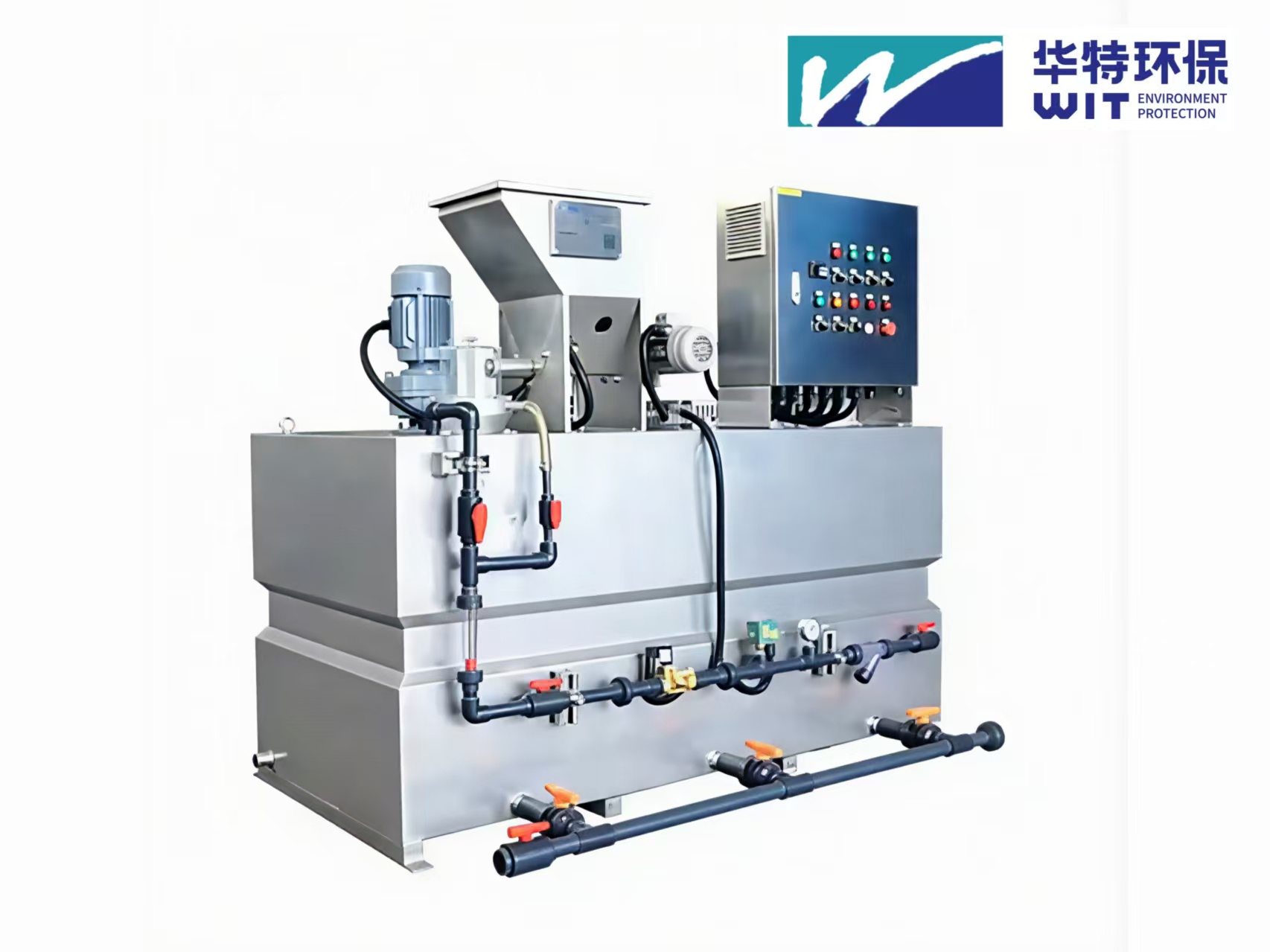
 Automatic Dosing Unit Selection Guide: Matching Pump Type, Control Logic, and Calibration Accuracy to Your Water Matrix
GET A FREE QUOTE
Service Commitment: Upon receipt of your message, a dedicated representative will contact you as soon as possible to provide efficient and professional service support.
