







How an automatic dosing device helps control chemical use
For business decision-makers seeking safer, smarter, and more cost-effective wastewater operations, an Automatic Dosing Device for Sewage Treatment offers precise chemical control and greater process stability. By reducing waste, improving dosing accuracy, and supporting compliance goals, it helps facilities optimize treatment performance while lowering operational risks in modern environmental and energy projects.
Why chemical dosing control has become a board-level issue
In wastewater treatment, chemical consumption directly affects operating cost, discharge stability, equipment life, and safety. For decision-makers, the problem is rarely just about buying a pump. The real question is how to maintain reliable dosing under changing flow, fluctuating water quality, and tighter environmental expectations.
An Automatic Dosing Device for Sewage Treatment addresses this challenge by automating the addition of coagulants, disinfectants, pH regulators, and other treatment chemicals according to process demand. Compared with manual dosing, it improves consistency and reduces the risk of overdosing, underdosing, and unnecessary chemical inventory pressure.
- Lower chemical waste through controlled feed rates and more stable reaction conditions.
- Reduced labor dependence, especially in plants operating across multiple shifts.
- Improved process repeatability for municipal, industrial, and aquaculture wastewater treatment.
- Better support for compliance management, emergency response, and operational reporting.
What makes dosing accuracy so important?
Even a small dosing deviation can increase sludge volume, weaken disinfection performance, or upset downstream biological treatment. In sectors such as municipal wastewater, pulp and bleaching, printing and dyeing, and large-scale industrial water treatment, dosing precision often influences both treatment efficiency and total lifecycle cost.
Which operating scenarios benefit most from an Automatic Dosing Device for Sewage Treatment?
The following table helps decision-makers judge where automated chemical control brings the strongest value. It is especially useful when comparing investment priority across different treatment projects.
For enterprises managing mixed treatment assets, automation is not only a process upgrade. It is a way to standardize operations across different sites. This is particularly relevant for environmental contractors and public projects that need predictable delivery, transparent operating logic, and scalable maintenance.
How to compare manual dosing and automated dosing before procurement
Before selecting an Automatic Dosing Device for Sewage Treatment, buyers should compare operational impact rather than purchase price alone. The table below highlights the most practical decision dimensions.
In many projects, the savings come from fewer process deviations, lower rework, and more predictable sludge and chemical handling. For investors and plant managers, these hidden benefits often matter more than the initial equipment difference.
Procurement checklist for decision-makers
- Confirm the target chemicals, concentration range, and compatibility of wetted materials.
- Review whether the system supports flow-linked or signal-linked dosing logic.
- Assess maintenance access, spare parts availability, and operator training needs.
- Check integration requirements with existing tanks, pipelines, and control systems.
- Clarify delivery schedule, skid layout, commissioning scope, and after-sales responsibilities.
What technical and project strengths matter in real wastewater applications?
From dosing equipment to full-process environmental solutions
For enterprise buyers, equipment value increases when the supplier understands the full treatment chain. Shandong Wit Environmental Protection Technology Co.Ltd combines technology research and development, engineering implementation, and whole-process consulting. This matters in projects where dosing performance depends on upstream equalization, downstream reaction, sludge treatment, and disinfectant preparation.
With over ten years of wastewater treatment experience across municipal, industrial, and aquaculture sectors, the company can align dosing strategy with real process conditions rather than generic assumptions. Its background in chlorine dioxide production equipment is also relevant where disinfection, oxidation, and chemical preparation require tighter control and dependable engineering support.
In compact or decentralized treatment projects, buyers may also consider integrated equipment layouts to save installation time and simplify site coordination. In some cases, this can work alongside modular solutions such as Small-Sized Integrated Skid-Mounted Water Purification Treatment Equipment when the project calls for efficient deployment and standardized assembly.
FAQ: what do buyers often misunderstand about Automatic Dosing Device for Sewage Treatment?
Is automated dosing only suitable for large plants?
No. Large facilities gain clear benefits from data integration and labor reduction, but smaller plants also benefit where chemical cost is sensitive, staffing is limited, or effluent stability is critical. The right sizing depends on flow, chemistry, and operating mode.
Can automated dosing solve all treatment instability?
Not by itself. An Automatic Dosing Device for Sewage Treatment performs best when supported by sound process design, reliable monitoring points, and proper tank mixing. If influent fluctuation is extreme, equalization and control logic must be reviewed together.
What should be confirmed before asking for a quotation?
Prepare the chemical type, target dosing range, daily flow, water quality variation, installation space, and preferred control mode. If the project involves packaged treatment, decentralized deployment, or rapid installation, it is also useful to discuss whether integrated configurations similar to Small-Sized Integrated Skid-Mounted Water Purification Treatment Equipment are relevant.
Why choose us for chemical dosing and wastewater treatment planning?
Decision-makers need more than a parts supplier. They need a partner who can connect process goals, engineering delivery, and long-term operating performance. Shandong Wit Environmental Protection Technology Co.Ltd brings experience in wastewater treatment, ecological governance, chlorine dioxide application, and project implementation, supported by continuous cooperation with universities and research institutions.
- Consult on dosing parameters based on your influent characteristics and treatment targets.
- Recommend product selection according to chemical type, automation level, and site constraints.
- Clarify delivery cycle, skid integration options, and commissioning scope before procurement.
- Discuss custom solution design, operating logic, and compatibility with existing treatment systems.
- Support quotation communication for new projects, retrofits, and multi-site environmental programs.
If your team is evaluating an Automatic Dosing Device for Sewage Treatment, the most productive next step is to confirm process conditions, dosing objectives, and integration requirements. With that information, a more accurate solution path and commercial proposal can be developed.



- chlorine dioxide production equipment
- industrial wastewater treatment
- aquaculture wastewater treatment
- industrial water treatment
- ecological governance
- automatic dosing device
- environmental protection technology
- disinfectant preparation
- Small-Sized Integrated Skid-Mounted Water Purification Treatment Equipment
- Automatic Dosing Device for Sewage Treatment
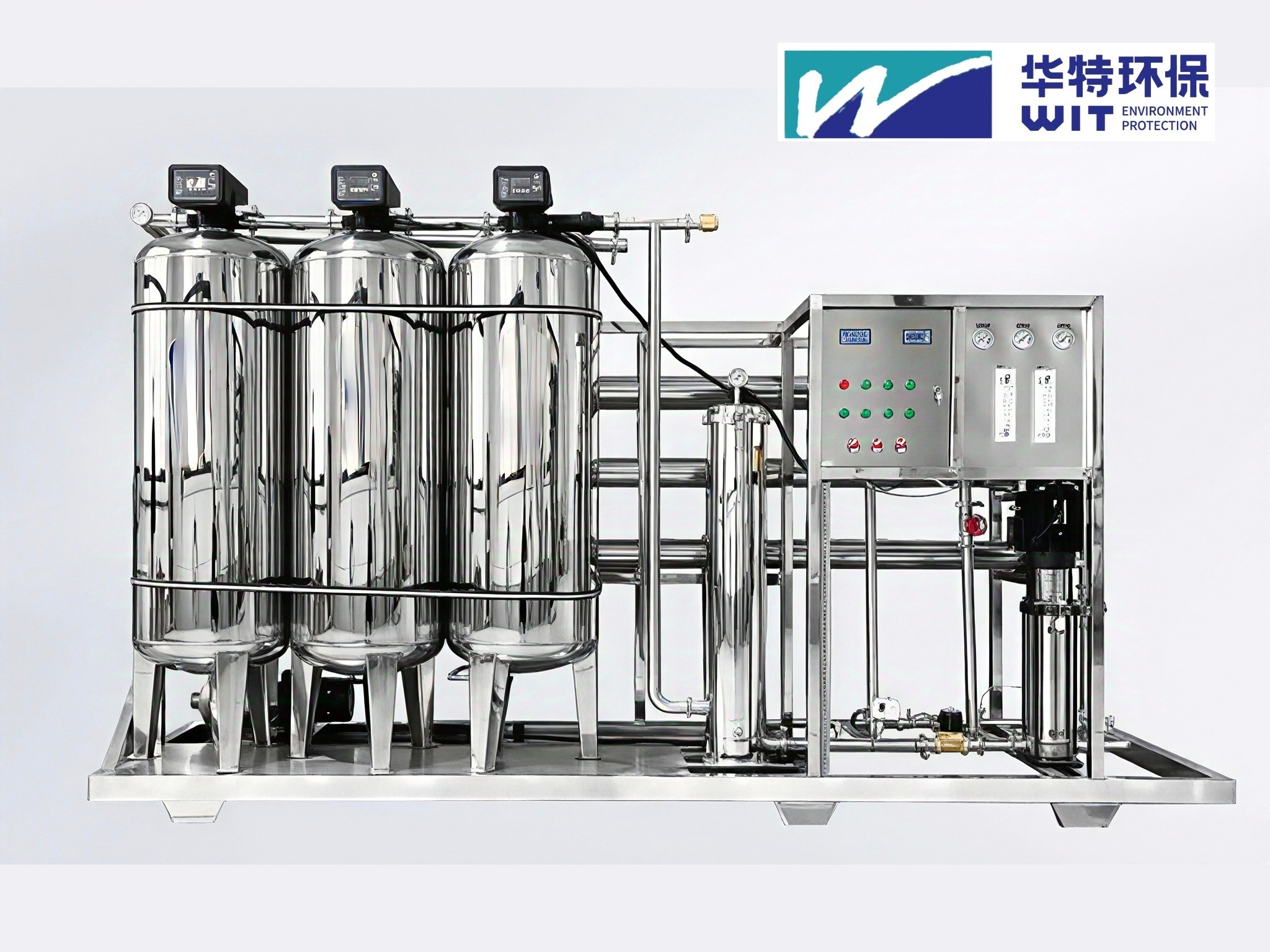
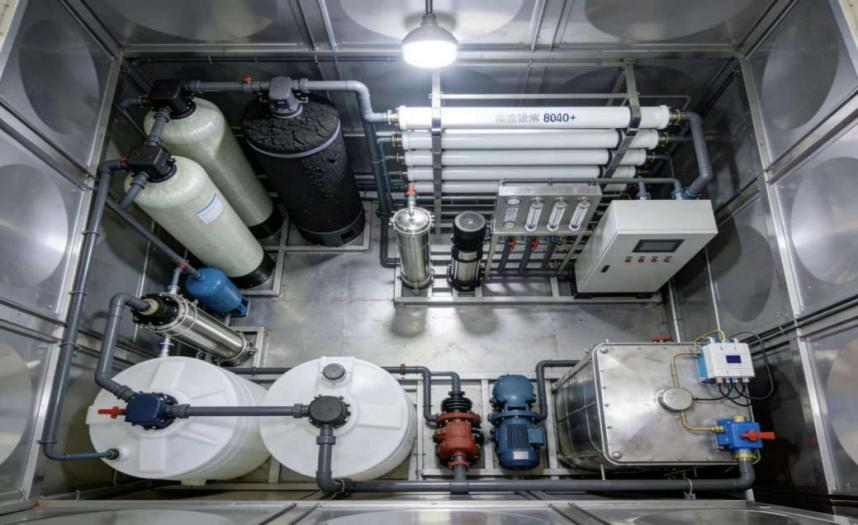
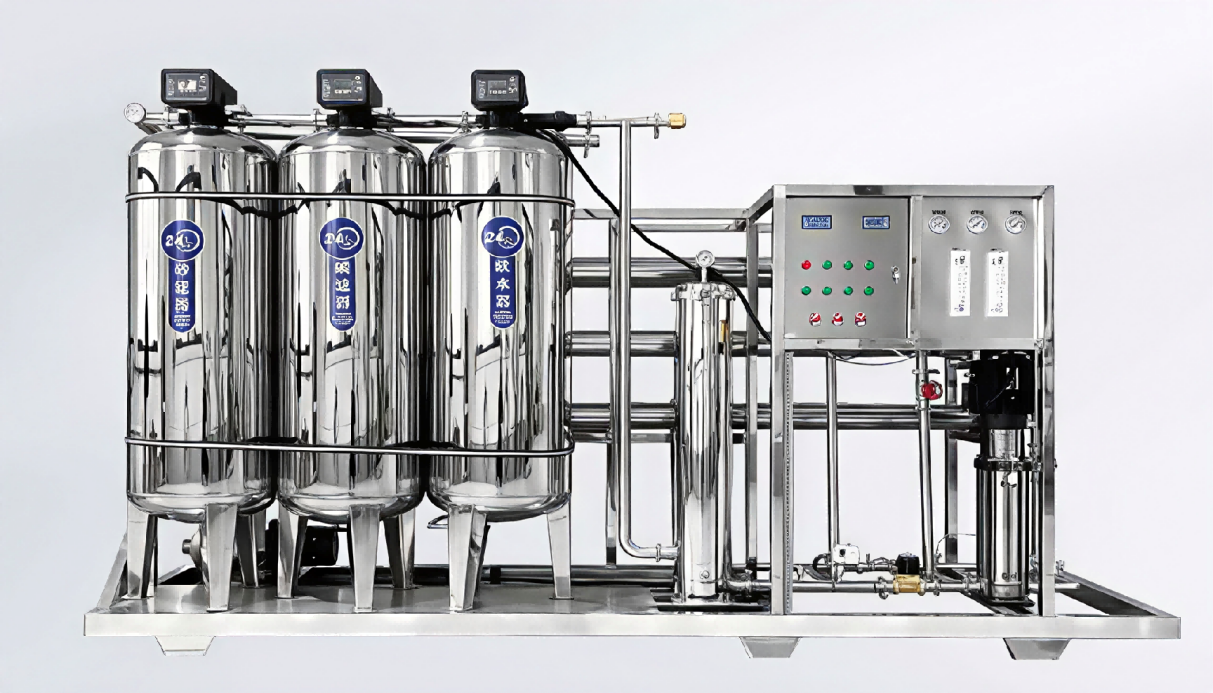
![]() Industrial & Commercial Water Purification Treatment Equipment (Skid mounted Integrated Type)Focusing on the needs of miniaturized and integrated water treatment, we have created mobile water purification units that can be quickly deployed and flexibly adapted, providing a standardized water purification solution that is "one-stop and ready to use" for low-flow water use scenarios. It takes into account both water purification effect and ease of use, and is suitable for temporary and fixed small-volume water use needs in multiple scenarios.
Industrial & Commercial Water Purification Treatment Equipment (Skid mounted Integrated Type)Focusing on the needs of miniaturized and integrated water treatment, we have created mobile water purification units that can be quickly deployed and flexibly adapted, providing a standardized water purification solution that is "one-stop and ready to use" for low-flow water use scenarios. It takes into account both water purification effect and ease of use, and is suitable for temporary and fixed small-volume water use needs in multiple scenarios. Sodium chlorite preparation technologySodium chlorite (NaClO2) is a highly efficient and mild strong oxidant and bleaching agent. It appears as white or slightly yellow crystals/granules, is easily soluble in water, and its aqueous solution is alkaline. Based on chlorine dioxide technology, our company has developed its own sodium chlorite production technology through years of research and experimentation, primarily using the hydrogen peroxide-sulfuric acid reduction method to achieve green upgrading.
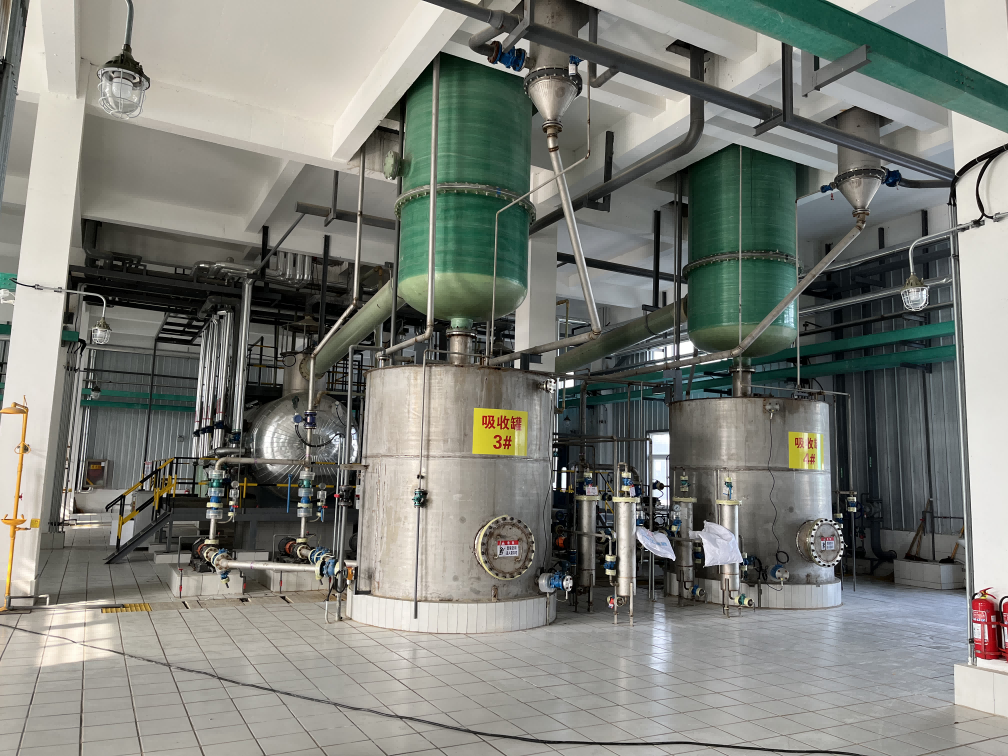
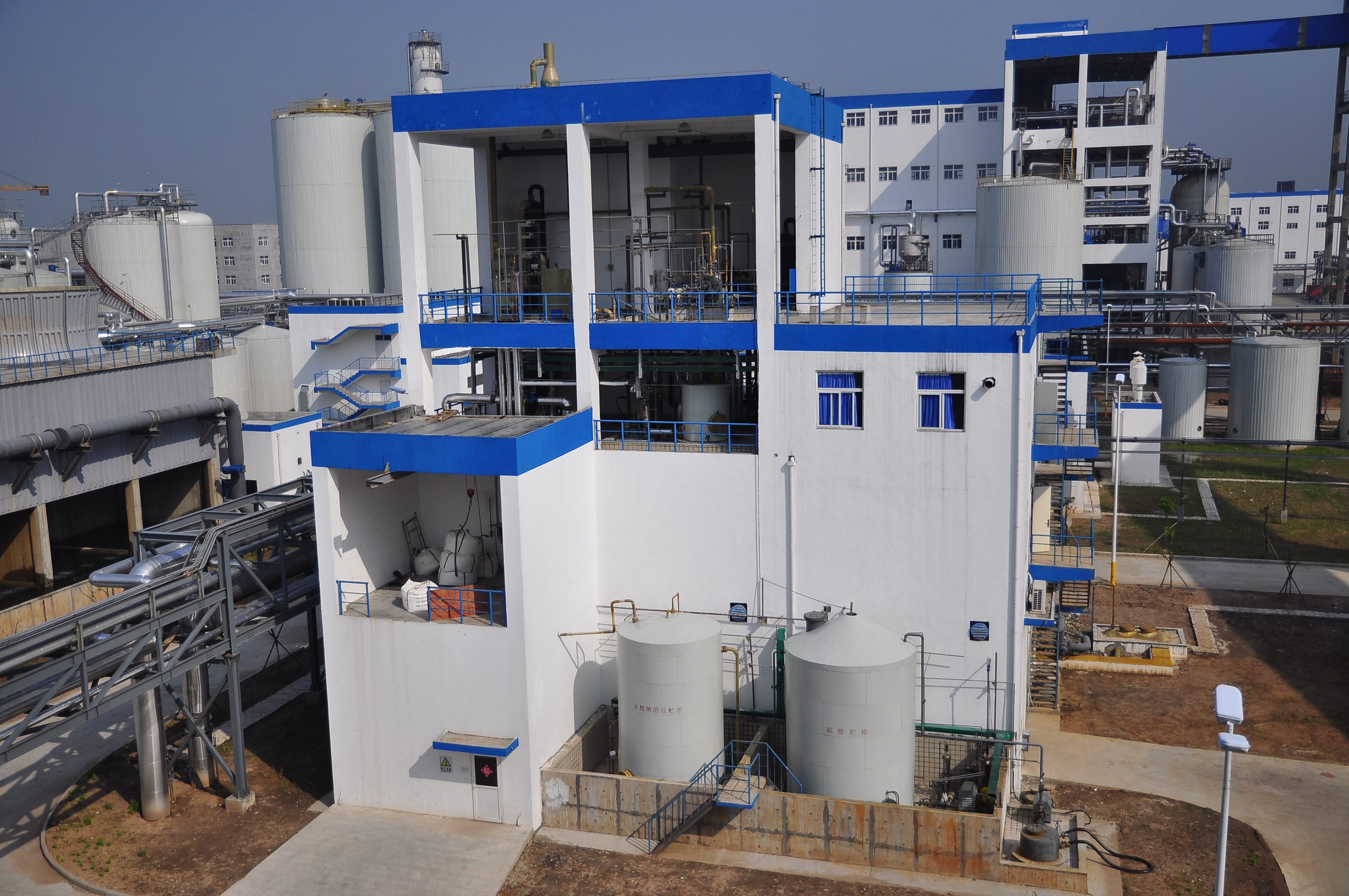
 chlorine dioxide preparation technology") W2 type (high negative pressure) chlorine dioxide preparation technologyThe W2 type (high negative pressure) chlorine dioxide preparation device is a production process with internationally advanced level, developed based on a systematic study of advanced chlorine dioxide preparation technologies at home and abroad, drawing on the application and design experience of renowned experts, and combining the development trend of domestic papermaking bleaching technology. It obtained a national invention patent in 2010, patent number: ZL2010.10519447.1. Depending on the byproducts, it can be divided into R8 process and R10 process.
W2 type (high negative pressure) chlorine dioxide preparation technologyThe W2 type (high negative pressure) chlorine dioxide preparation device is a production process with internationally advanced level, developed based on a systematic study of advanced chlorine dioxide preparation technologies at home and abroad, drawing on the application and design experience of renowned experts, and combining the development trend of domestic papermaking bleaching technology. It obtained a national invention patent in 2010, patent number: ZL2010.10519447.1. Depending on the byproducts, it can be divided into R8 process and R10 process.
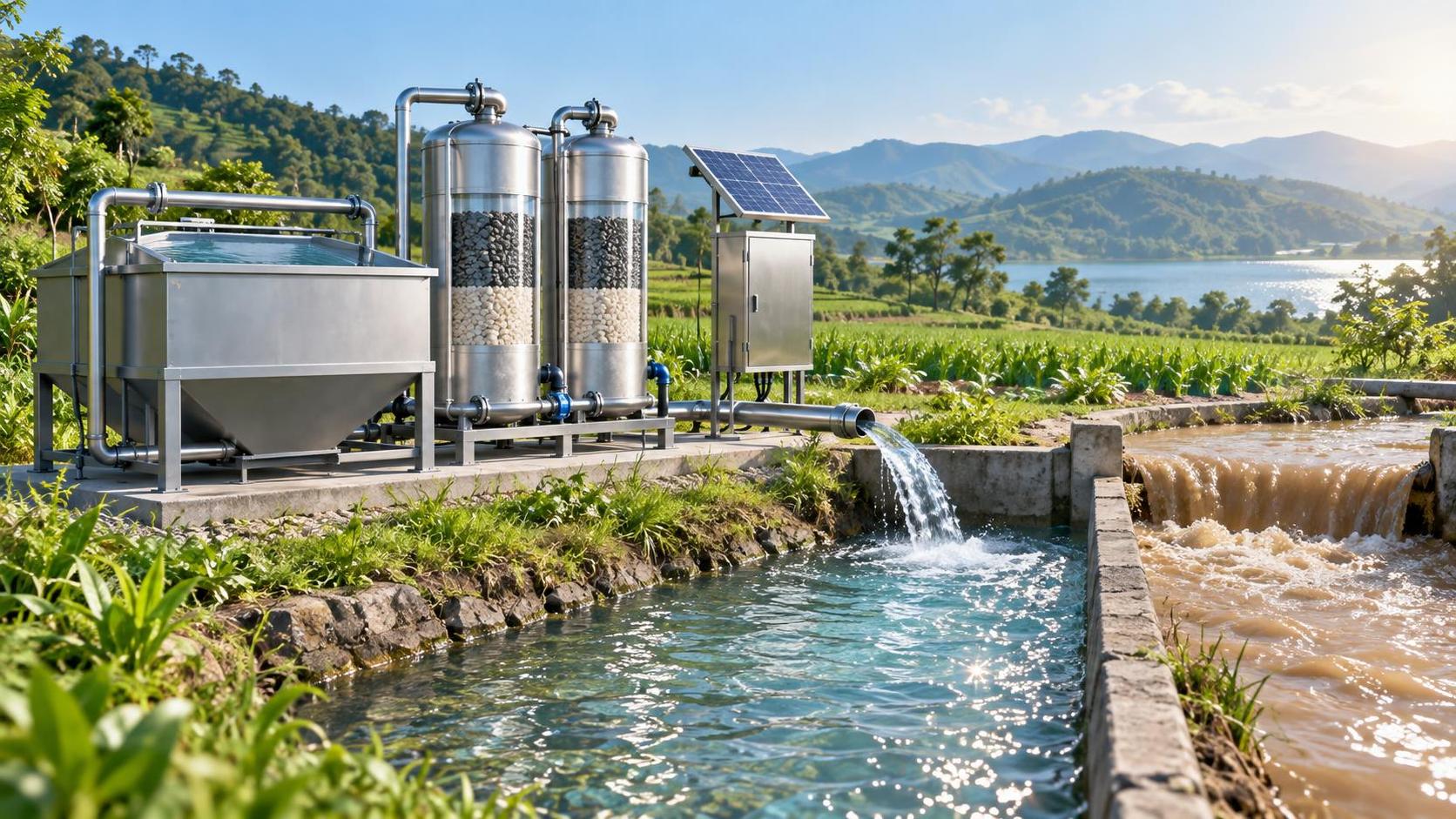
 Small Water Purification System Performance Under Variable Turbidity: Real-World Data from Off-Grid Agricultural Communities
 When Does a Small Water Purification System Outperform Centralized Treatment? Use Cases in Disaster Response and Mining Camps
 Small Water Purification System for Remote Clinics: Power-Independent Options and WHO Drinking Water Guidelines Compliance
 Ultrapure Water Equipment ROI Calculator: Estimating Payback Period Based on Yield Improvement and Defect Reduction
 How Ultrapure Water Equipment Validates Compliance with SEMI F63-1118 for 28nm+ Wafer Fabrication
") Ultrapure Water Equipment for Semiconductor Manufacturing: Key Specifications Beyond Resistivity (TOC, Particle Count, Metals)
Ultrapure Water Equipment for Semiconductor Manufacturing: Key Specifications Beyond Resistivity (TOC, Particle Count, Metals)
GET A FREE QUOTE
Service Commitment: Upon receipt of your message, a dedicated representative will contact you as soon as possible to provide efficient and professional service support.
