







A practical guide to sodium chlorite preparation technology
Sodium chlorite preparation technology plays a vital role in modern water treatment, disinfection, and environmental applications. For information seekers, understanding its process routes, raw material selection, safety control, and equipment requirements is essential for evaluating production efficiency and compliance. This guide offers a practical overview of the key technical considerations behind reliable sodium chlorite production in the environmental and energy sector.
What should information seekers first understand about sodium chlorite production?
In the environmental and energy industry, sodium chlorite is closely linked to chlorine dioxide generation, industrial water treatment, municipal disinfection, and process oxidation systems. When buyers or technical researchers study sodium chlorite preparation technology, they usually focus on process safety, product purity, consumption of raw materials, and whether the system can support stable downstream chlorine dioxide output.
A practical assessment starts with the production route. Different process designs affect operating cost, by-product control, automation level, and environmental performance. This is especially important for projects with strict wastewater discharge targets, chemical storage requirements, and continuous production schedules.
- Raw material suitability, including availability, consistency, and impurity control.
- Reaction selectivity and conversion efficiency under stable operating conditions.
- Safety systems for oxidizing media, gas handling, temperature control, and emergency shutdown.
- Compatibility with chlorine dioxide application needs in wastewater, pulp bleaching, and industrial circulation water.
Which technical routes and process factors matter most?
When evaluating sodium chlorite preparation technology, users should not look at output alone. The more useful comparison is whether the route can balance reaction efficiency, equipment corrosion resistance, operational safety, and downstream treatment burden. In environmental engineering, process integration often matters as much as chemical yield.
The table below helps compare common evaluation dimensions used during early-stage technical review and supplier screening.
For environmental projects, the strongest solution is usually not the most complex route, but the one that delivers predictable operation, easier maintenance, and manageable compliance risk over the full life cycle.
Core process checkpoints
- Confirm feedstock specifications and storage conditions before process design finalization.
- Set precise control windows for reaction temperature, dosing rhythm, and residence time.
- Match absorber, scrubber, and neutralization units to local environmental requirements.
- Plan for startup, shutdown, and abnormal condition response instead of only rated production.
How do application scenarios affect process and equipment selection?
Selection criteria change by use case. A plant serving municipal wastewater disinfection has different priorities from a pulp bleaching project or an industrial recirculating water system. That is why sodium chlorite preparation technology should be reviewed together with downstream demand, storage capacity, dosage mode, and local environmental supervision intensity.
The following table shows how application scenarios influence technical decisions in practice.
In many projects, mismatched scenario planning creates more cost than equipment price itself. Overdesign can increase capital and maintenance burdens, while underdesign may lead to unstable output and repeated upgrades.
What should buyers check before procurement or project approval?
Information seekers often struggle because technical brochures may look similar, yet actual project suitability can differ widely. A sound procurement review should connect process design with delivery scope, commissioning capability, and environmental engineering experience. This is where companies with practical wastewater and chlorine dioxide project backgrounds can offer more reliable judgment.
Shandong Wit Environmental Protection Technology Co.Ltd combines environmental engineering, wastewater treatment practice, and chlorine dioxide equipment development. This cross-disciplinary capability is valuable when sodium chlorite systems must fit broader treatment objectives instead of operating as an isolated chemical unit.
- Ask whether the supplier can support process consultation, equipment integration, and engineering coordination together.
- Review how safety design addresses oxidant handling, ventilation, leak response, and operator training.
- Check whether the proposed system fits your wastewater, bleaching, or disinfection objective instead of offering generic output figures.
- Clarify commissioning scope, spare parts planning, and expected delivery milestones before contract confirmation.
For readers comparing solutions online, a useful reference point is Sodium chlorite preparation technology, especially when screening options for water treatment and chlorine dioxide-related applications.
FAQ: common risks, misconceptions, and implementation questions
Is higher concentration always better?
Not necessarily. Higher concentration may improve transport or storage efficiency in some cases, but it also increases handling requirements, safety expectations, and materials compatibility demands. The better choice depends on site conditions, dosing method, and downstream chlorine dioxide generation needs.
What is the most overlooked issue in sodium chlorite preparation technology?
Many teams focus on core reaction equipment and underestimate supporting units. In practice, tail gas treatment, neutralization, instrumentation, and emergency logic strongly influence whether the system runs smoothly and remains compliant during long-term operation.
How should delivery time be evaluated?
Do not ask only for manufacturing lead time. Ask for the full chain: process confirmation, design review, procurement of corrosion-resistant components, factory testing, shipment, installation guidance, and commissioning. For environmental projects, this full schedule is often more useful than a simple equipment delivery promise.
Are compliance requirements only about emissions?
No. Compliance can also involve chemical storage rules, occupational safety, local environmental discharge expectations, and documentation for operation management. Early planning reduces retrofit cost and approval delays.
Why choose us for technical evaluation and project discussion?
For information seekers, the real value is not just obtaining product data, but understanding how sodium chlorite preparation technology fits wastewater treatment, chlorine dioxide generation, and broader environmental engineering targets. Shandong Wit Environmental Protection Technology Co.Ltd brings experience in wastewater treatment, ecological governance, and large-scale chlorine dioxide equipment, supported by sustained technology development and cooperation with university research resources.
If you are evaluating a new line or upgrading an existing system, you can discuss practical topics such as parameter confirmation, process route screening, equipment selection, delivery cycle, custom engineering scope, operating safety, and quotation planning. This helps turn early-stage research into a clearer and more actionable project decision.



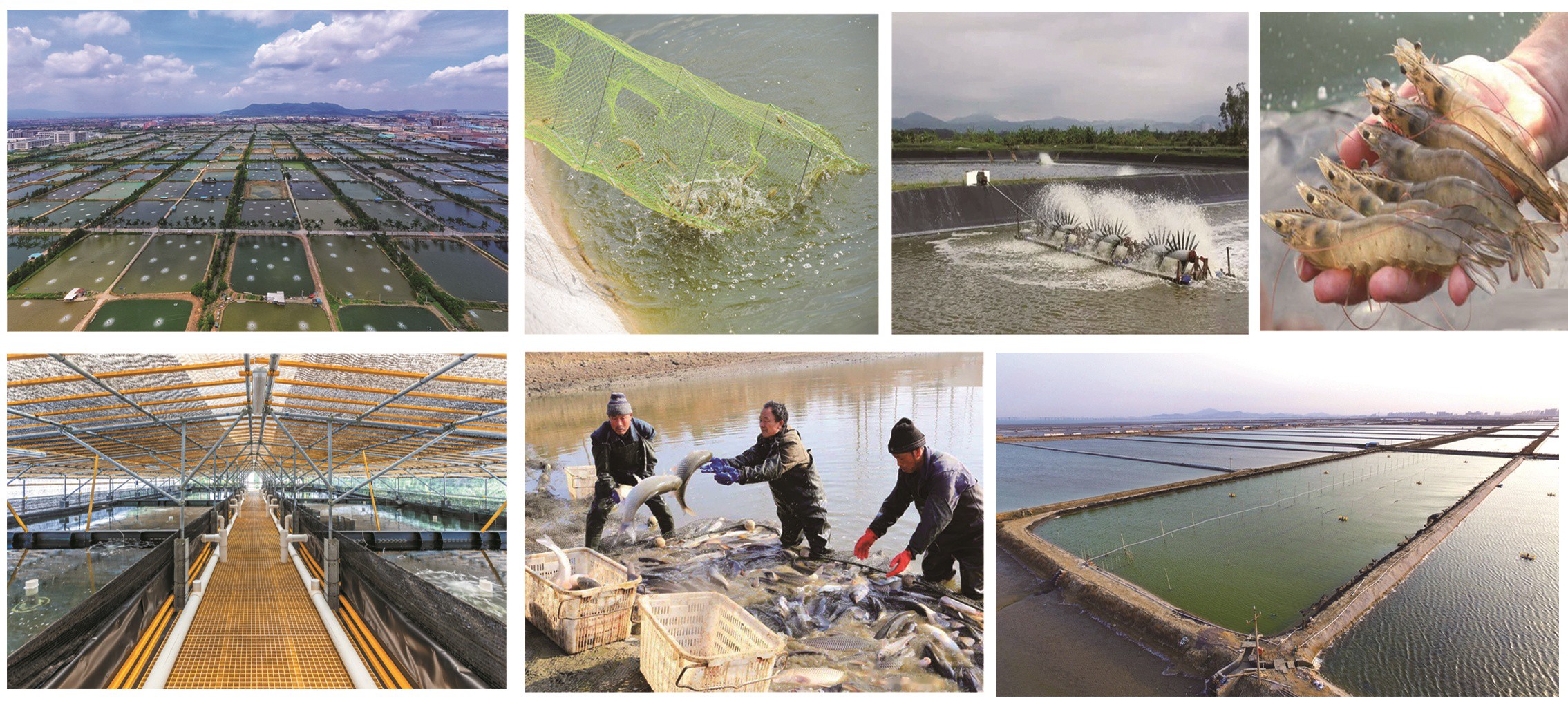
 Green circular development and reuseAquaculture wastewater typically refers to the discharge of wastewater during or after the aquaculture process. Its main characteristics include low pollutant concentration, large volume, uneven discharge, and strong seasonality.
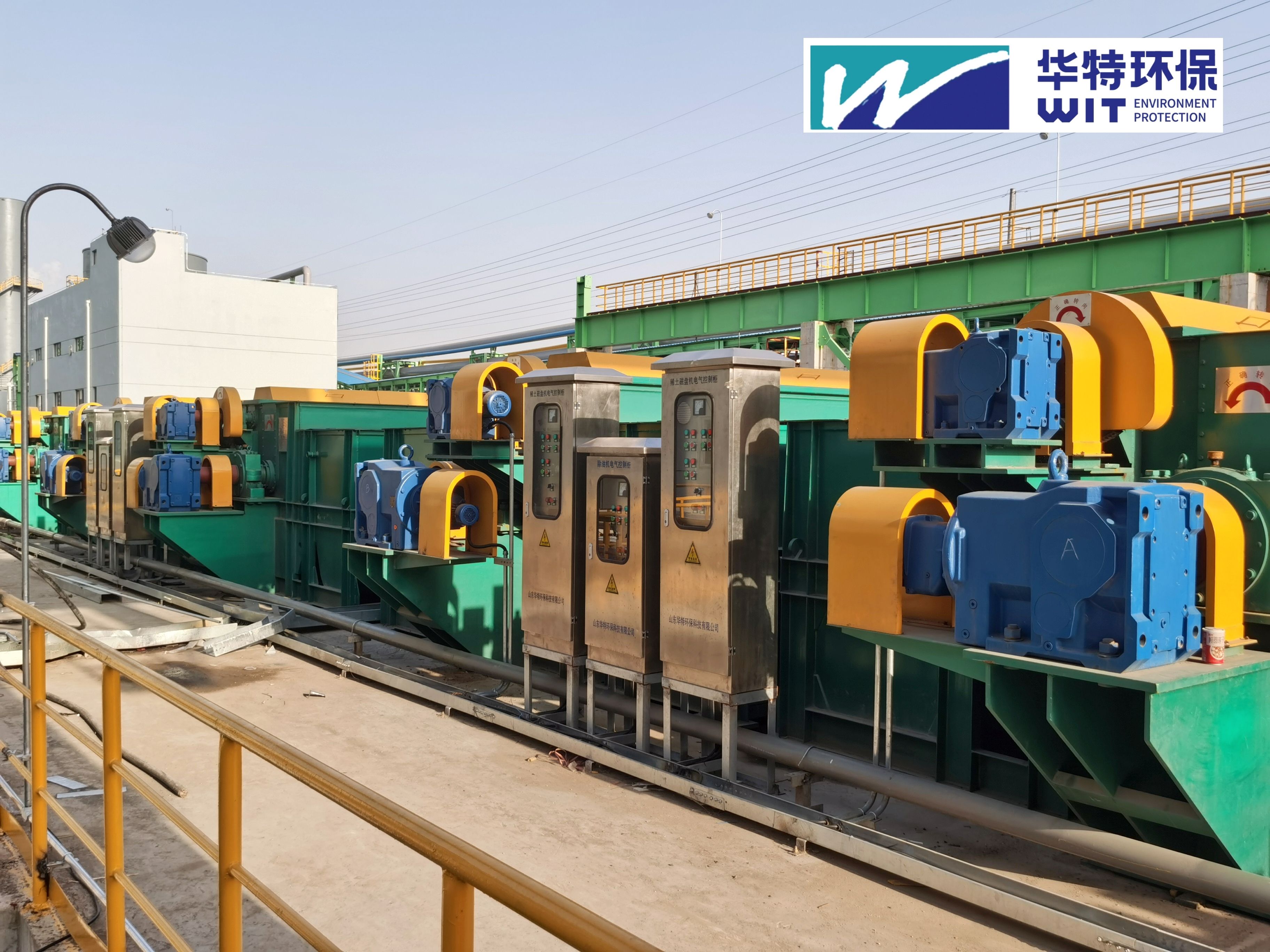
![]() Skid mounted Rare Earth Separation and Purification Equipment/Skid mounted Magnetic Flocculation UnitFocusing on the efficient separation and removal of pollutants such as suspended solids, total phosphorus, silt, and magnetic flocs in water, this product adopts a skid-mounted integrated design, making it suitable for water purification scenarios such as industrial wastewater and municipal sewage. It features convenient installation, high treatment efficiency, and small footprint, allowing for rapid deployment and operation to meet the rapid purification and upgrading needs of various water treatment scenarios.
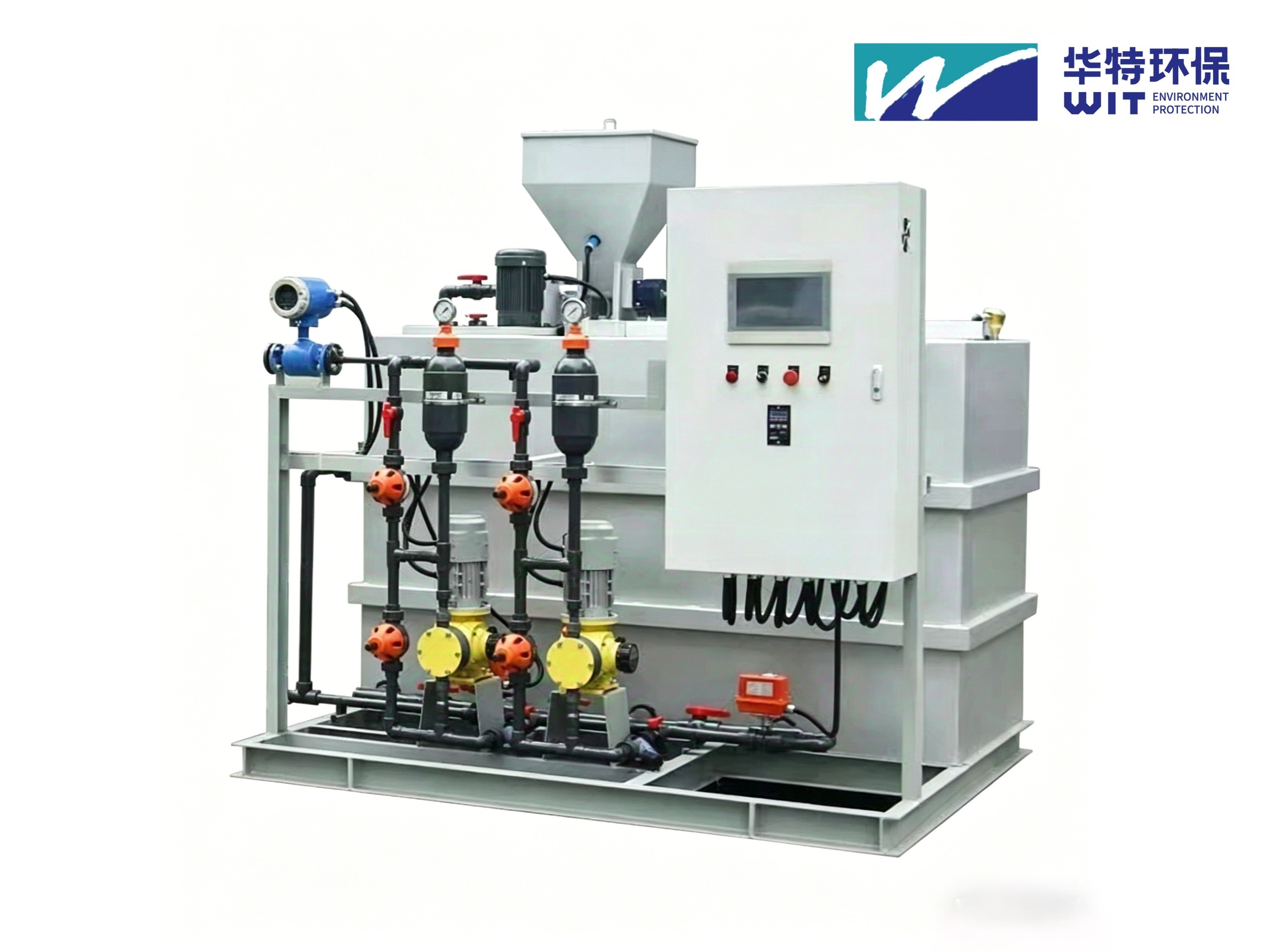
Skid mounted Rare Earth Separation and Purification Equipment/Skid mounted Magnetic Flocculation UnitFocusing on the efficient separation and removal of pollutants such as suspended solids, total phosphorus, silt, and magnetic flocs in water, this product adopts a skid-mounted integrated design, making it suitable for water purification scenarios such as industrial wastewater and municipal sewage. It features convenient installation, high treatment efficiency, and small footprint, allowing for rapid deployment and operation to meet the rapid purification and upgrading needs of various water treatment scenarios.") Dosing Unit (Sewage Treatment / Waterworks / Water Supply System)Tailor-made for various wastewater treatment scenarios (domestic sewage, industrial wastewater, special water quality treatment), with "precise dosing, automatic operation and maintenance, energy saving and consumption reduction" as the core objectives, it can realize the automated and precise dosing of various water treatment agents such as coagulants, flocculants, disinfectants, denitrification and phosphorus removal agents.
Dosing Unit (Sewage Treatment / Waterworks / Water Supply System)Tailor-made for various wastewater treatment scenarios (domestic sewage, industrial wastewater, special water quality treatment), with "precise dosing, automatic operation and maintenance, energy saving and consumption reduction" as the core objectives, it can realize the automated and precise dosing of various water treatment agents such as coagulants, flocculants, disinfectants, denitrification and phosphorus removal agents.
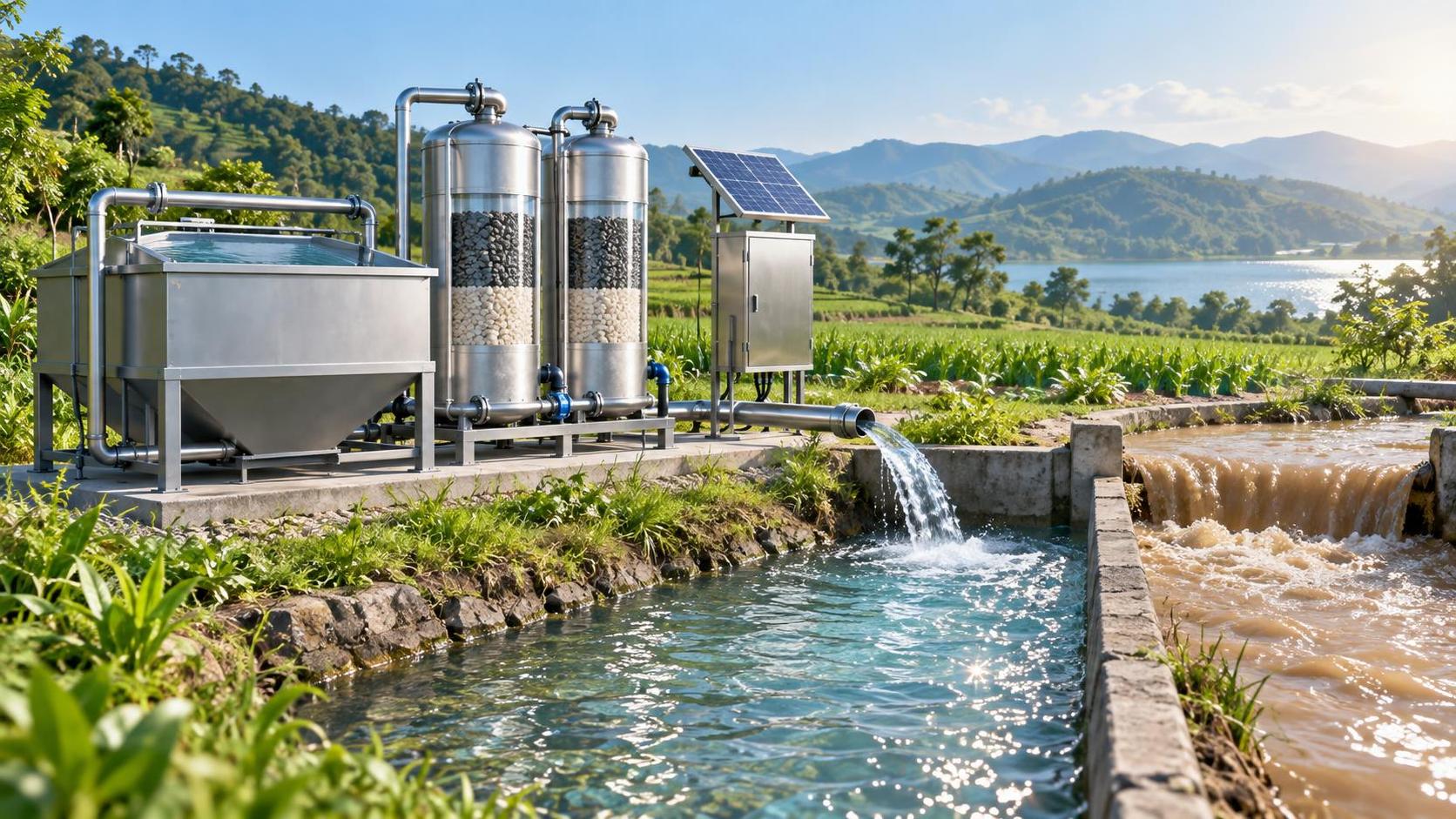
 Small Water Purification System Performance Under Variable Turbidity: Real-World Data from Off-Grid Agricultural Communities
 When Does a Small Water Purification System Outperform Centralized Treatment? Use Cases in Disaster Response and Mining Camps
 Small Water Purification System for Remote Clinics: Power-Independent Options and WHO Drinking Water Guidelines Compliance
 Ultrapure Water Equipment ROI Calculator: Estimating Payback Period Based on Yield Improvement and Defect Reduction
 How Ultrapure Water Equipment Validates Compliance with SEMI F63-1118 for 28nm+ Wafer Fabrication
") Ultrapure Water Equipment for Semiconductor Manufacturing: Key Specifications Beyond Resistivity (TOC, Particle Count, Metals)
Ultrapure Water Equipment for Semiconductor Manufacturing: Key Specifications Beyond Resistivity (TOC, Particle Count, Metals)
GET A FREE QUOTE
Service Commitment: Upon receipt of your message, a dedicated representative will contact you as soon as possible to provide efficient and professional service support.
