







Wastewater Treatment Equipment: Complete Guide
Water is one of the most critical resources in global industry and civil infrastructure. Modern manufacturing plants, urban developments, and remote work sites face increasing regulatory pressures, stringent environmental standards, and rising operational costs. Managing effluent effectively is no longer just a regulatory burden—it is a core operational priority.
Selecting the right water management infrastructure requires a deep understanding of contaminant types, flow capacities, process engineering, and footprint limitations. This guide provides a comprehensive breakdown of modern treatment architectures, core technologies, footprint configurations, specialized industry applications, and procurement strategies.
1. Fundamental Principles & Process Architecture
Before selecting physical hardware, it is essential to understand how raw influent is transformed into compliant discharge or reusable water. Treatment processes are divided into three core stages: primary (physical separation), secondary (biological decomposition), and tertiary (advanced polishing and disinfection).
Primary Physical and Mechanical Treatment
Primary treatment targets gross solids, grit, and free oils. Wastewater enters through mechanical bar screens, grit chambers, and primary clarifiers. Removing large suspended solids early prevents downstream pump clogging, reduces abrasion on valves, and stabilizes influent loads for delicate biological zones.
Secondary Biological Treatment
Secondary treatment relies on microorganisms to metabolize dissolved organic matter (measured as BOD and COD) along with nitrogen and phosphorus. Depending on plant footprint and performance targets, biological systems utilize suspended growth (e.g., conventional activated sludge) or fixed-film growth (e.g., bio-media reactors).
Tertiary Filtration and Chemical Polishing
Tertiary systems remove residual micro-pollutants, heavy metals, fine suspended solids, and pathogen loads. Technologies at this stage include ultrafiltration, reverse osmosis, UV disinfection, and advanced chemical oxidation.
For a deep dive into hydraulic flows, detention times, and phase-by-phase purification steps, see our detailed operational analysis: [Sub-Page Link: How Does a Wastewater Treatment Plant Work?].
2. Water Stream Classification: Industrial vs. Domestic
Wastewater profiles vary significantly depending on the source. System designs must match the specific biological, chemical, and physical characteristics of the incoming stream.
High-Strength Industrial Streams
Industrial processes produce wastewater loaded with complex synthetic compounds, heavy metals, emulsified oils, high salinity, and extreme pH shifts. Treatment designs require heavy-duty materials (such as SS316 stainless steel or specialized rubber coatings), chemical coagulation units, and custom biological strains capable of handling toxic loads. Explore specialized heavy-duty solutions in our dedicated overview: [ Industrial Wastewater Treatment Equipment].
Sanitary and Municipal Streams
Domestic wastewater originates from residential complexes, worker dormitories, commercial facilities, and municipal networks. It is characterized by high concentrations of organic matter, pathogens, nitrogen, and phosphorus, but low chemical toxicity. Systems focus on efficient biological breakdown, sludge stabilization, and disinfection. Read more about sanitary systems in our dedicated guide: [Domestic Wastewater Treatment Equipment].
3. Advanced Technologies & Specialized Equipment
Modern discharge standards often require advanced mechanical and biological technologies that exceed traditional activated sludge capabilities.
Membrane Bioreactor (MBR) Technology
MBR integrates microfiltration or ultrafiltration membrane modules directly into the biological tank, eliminating the need for secondary clarifiers. This yields exceptionally clear effluent suitable for direct water recycling while maintaining high mixed liquor suspended solids (MLSS) concentrations. Learn more about membrane selection and backwashing cycles: [ MBR Wastewater Treatment System].
Moving Bed Biofilm Reactor (MBBR) Technology
MBBR systems utilize specialized plastic carriers suspended inside aerated basins. Bacteria grow on the high surface area of these floating carriers, significantly increasing biomass density without increasing tank volume. Discover how MBBR boosts plant capacity without structural expansion: [MBBR Wastewater Treatment System].
High-Speed Magnetic Coagulation
Magnetic coagulation introduces fine iron oxide particles along with traditional coagulants (such as PAC/PAM) into the wastewater stream. The magnetic particles attach to flocs, allowing them to be separated rapidly via magnetic disk separators in a fraction of the time required by standard clarifiers. Explore fast-settling physical-chemical systems: [ Magnetic Coagulation Wastewater Treatment].
Automated Chemical Dosing Units
Precision chemical control is vital for pH stabilization, heavy metal precipitation, sludge dewatering, and disinfection. Fully automated dosing skids equipped with online sensors (pH, ORP, turbidity), metering pumps, and polymer preparation units minimize chemical waste and labor costs. Read more about chemical system automation: [ Automatic Dosing System for Wastewater Treatment].
4. Footprint Configurations & Modular Systems
Site limitations, installation timelines, and mobility needs dictate the physical deployment of water treatment hardware.
Self-Contained Packaged Plants
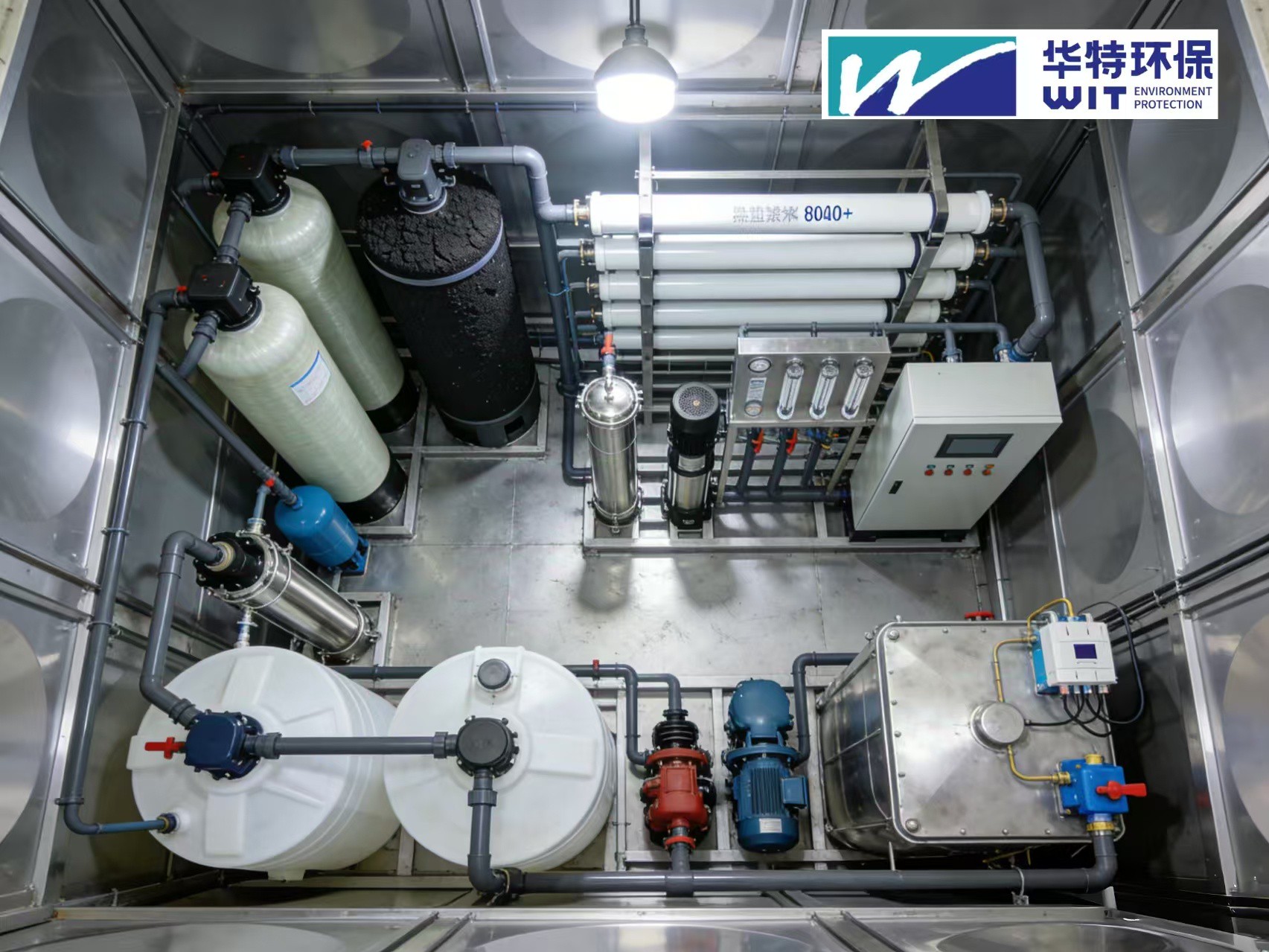
Packaged units house screening, biological zones, clarifiers, and disinfection modules within a single reinforced vessel or standard ISO shipping container. They offer pre-tested, turn-key convenience with minimal civil work required on site. Explore containerized and buried unit specifications: [ Packaged Wastewater Treatment Plant].
Heavy-Duty Skid-Mounted Units
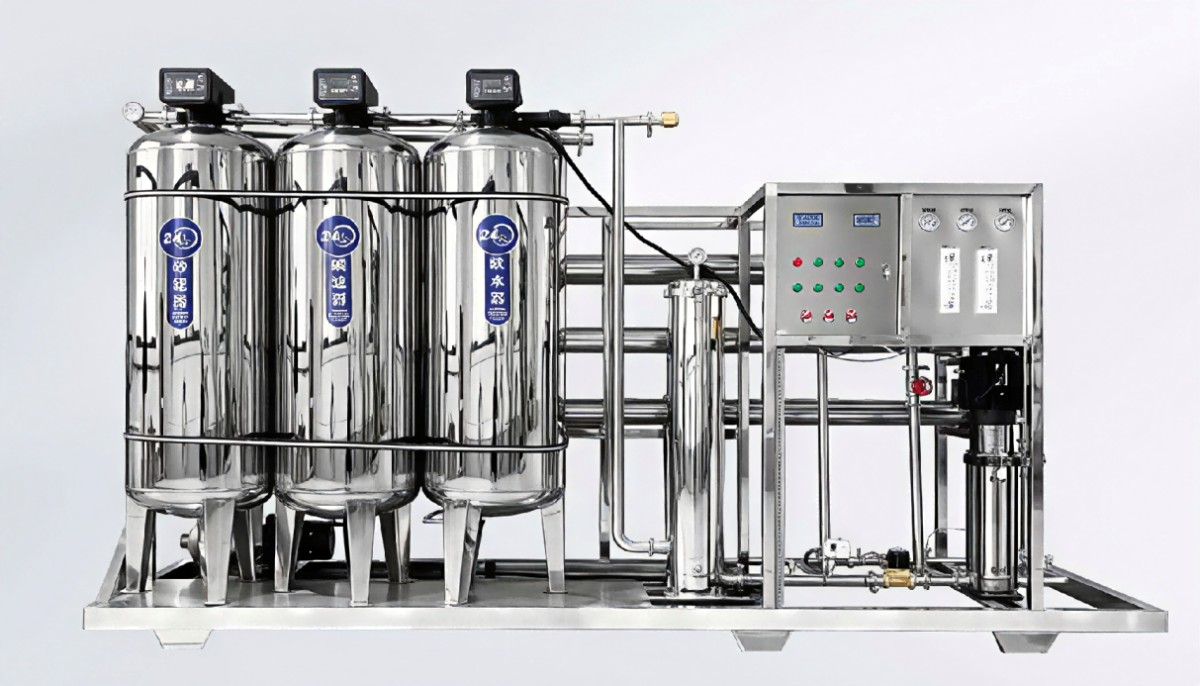
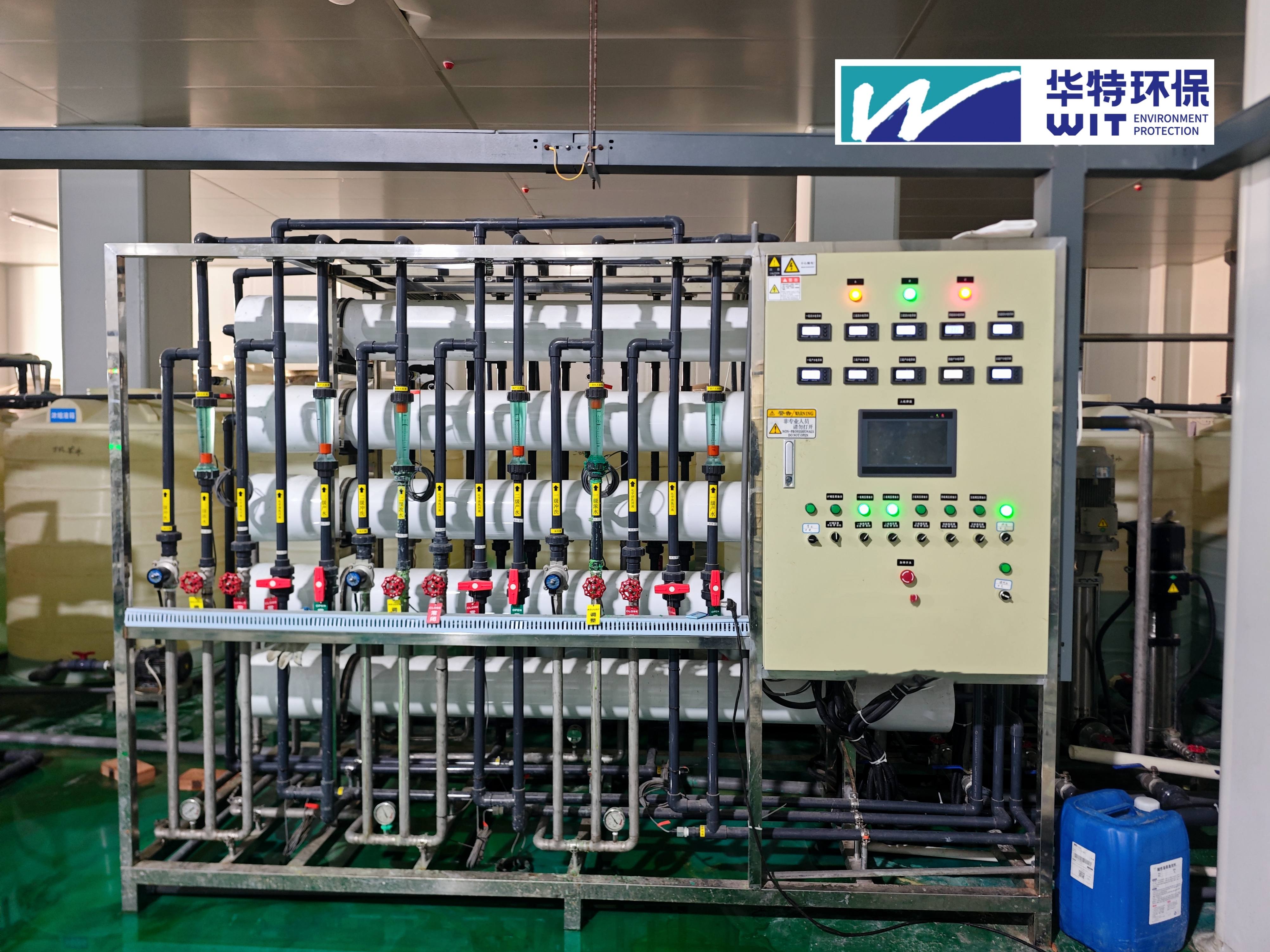
Skid-mounted systems pre-assemble pumps, blowers, chemical tanks, and control panels onto a rigid steel frame. These units are tested at the factory and delivered ready for instant utility hookups. Review portable frame designs: [ Skid-Mounted Wastewater Treatment Plant].
Expandable Modular Architectures
Modular plant designs utilize standardized process blocks that run in parallel. Operators can add or remove treatment trains as site flow expands or shrinks over time. Learn about scalable utility configurations: [ Modular Wastewater Treatment Plant].
Low-Flow and Decentralized Systems
For remote facilities, roadside rest stops, or small commercial outposts, low-flow decentralized systems provide low-power, automated treatment without requiring dedicated full-time operators. Check compact decentralized solutions: [ Small Wastewater Treatment Plant].
5. Industry-Specific Applications
Different operational environments present distinct physical constraints, hydraulic patterns, and water quality requirements.
Industrial Manufacturing & Processing
Manufacturing operations generate variable effluent flows containing heavy metals, oils, cutting fluids, and synthetic organic chemicals. Systems must feature robust equalization tanks and automated dosing to handle heavy load variations. Read complete application specs for manufacturing plants: [ Wastewater Treatment Plant for Industrial Applications].
Temporary and Construction Sites
Construction sites require rapid-deployment, mobile systems capable of handling high-turbidity runoff, concrete washings, and temporary worker camp sewage. These systems must be easy to transport and commission as project locations shift. Review fast-setup solutions for active jobsites: [Wastewater Treatment Plant for Construction Sites].
6. Procurement, Cost Analysis & Sourcing Strategy
Investing in water infrastructure requires evaluating upfront Capital Expenditures (CAPEX) alongside long-term Operational Expenditures (OPEX).
Total Cost of Ownership (TCO) Breakdown
When evaluating system pricing, balance initial purchase prices against long-term operating costs:
CAPEX Factors: Tank materials (Carbon Steel vs. Stainless Steel 304/316 vs. FRP), automation levels, civil construction scope, and shipping costs.
OPEX Factors: Blower/pump energy draw, daily chemical dosing volumes, sludge disposal fees, and spare parts turnover.
For a breakdown of price ranges, cost drivers, and ROI estimation models, see our financial evaluation guide: [Wastewater Treatment Plant Cost].
Partnering with the Right Supplier Strategy
Selecting between raw equipment fabricators and full-service integrators depends on internal engineering capabilities:
Work directly with a [Sub-Page Link: Wastewater Treatment Equipment Manufacturer] for custom engineering, OEM/ODM fabrications, direct factory pricing, and strict QA/QC testing.
Partner with a [ Wastewater Treatment Equipment Supplier] for regional inventory, localized engineering support, field installation, and long-term maintenance services.
Start Your Engineering Consultation
Designing an efficient wastewater treatment system requires evaluating influent chemistry, daily peak flows, space limitations, and target effluent standards.
Contact our engineering team today to receive a detailed process layout, equipment schedule, and itemized project quote tailored to your facility.



 What pretreatment requirements must be met before feeding raw water to Large-Scale Integrated Skid-Mounted Water Purification Treatment Equipment?
 What scalability limitations exist for Large-Scale Integrated Skid-Mounted Water Purification Treatment Equipment in phased expansion projects?
 What footprint reduction does Large-Scale Integrated Skid-Mounted Water Purification Treatment Equipment deliver versus conventional concrete plants?
 How ConstantPressure Water Supply Skid-Mounted Equipment avoids water hammer during pump start-up in district heating networks
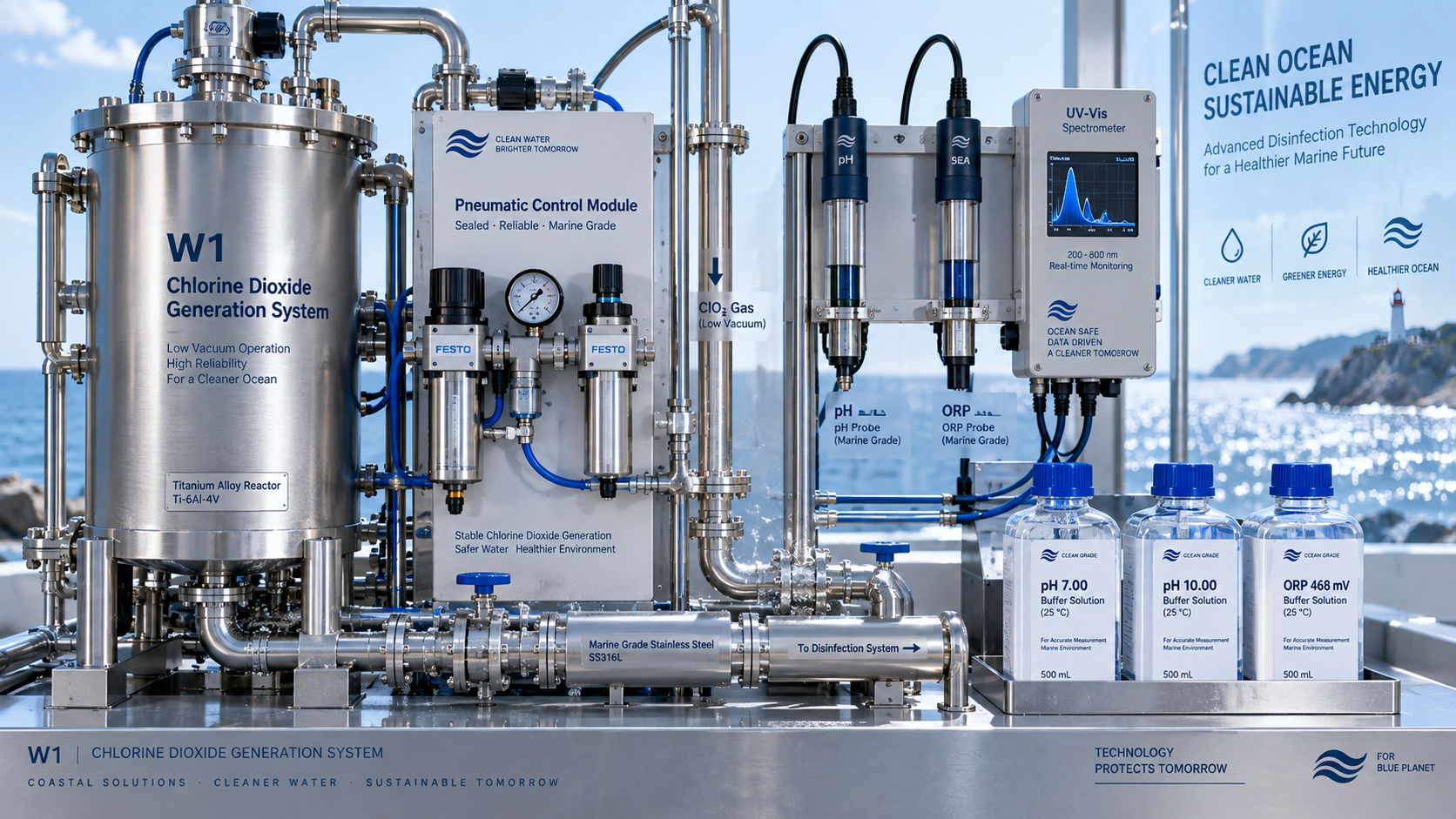
 chlorine dioxide preparation technology in coastal desalination plants?") What maintenance intervals are validated for W1 type (low negative pressure) chlorine dioxide preparation technology in coastal desalination plants?
What maintenance intervals are validated for W1 type (low negative pressure) chlorine dioxide preparation technology in coastal desalination plants? Does Large-Scale Integrated Skid-Mounted Water Purification Treatment Equipment include redundant control logic for SCADA integration?
GET A FREE QUOTE
Service Commitment: Upon receipt of your message, a dedicated representative will contact you as soon as possible to provide efficient and professional service support.
