







What footprint reduction does Large-Scale Integrated Skid-Mounted Water Purification Treatment Equipment deliver versus conventional concrete plants?
How Much Does a Large-Scale Integrated Skid-Mounted Water Purification Treatment Equipment Actually Reduce Footprint—Compared to Concrete Plants?
For plant managers, municipal engineers, and EPC decision-makers evaluating water infrastructure upgrades or new deployments, the question isn’t whether skid-mounted systems are “modern”—it’s whether their footprint reduction is material enough to justify shifting from conventional concrete plants. The answer: yes—but only under specific operational, regulatory, and project-scale conditions. Real-world carbon, time, and land savings aren’t uniform across applications. They hinge on integration depth, site constraints, and how tightly the system couples treatment performance with embodied energy trade-offs.
Embodied carbon reduction typically falls between 35% and 40%—but this figure applies only when comparing like-for-like capacity (e.g., 20,000 m³/day municipal secondary+tertiary treatment), using standardized LCA boundaries (A1–A5 per EN 15978) and assuming full factory prefabrication of structural steel, membrane modules, control cabinets, and piping assemblies. Where concrete plants rely on on-site casting, rebar fabrication, and prolonged curing—processes heavily dependent on regional cement mix design and local energy grids—skid-mounted units shift that burden to controlled factory environments where recycled steel, low-carbon concrete alternatives in base pads, and optimized welding sequences cut upstream emissions. However, if transport distance exceeds 800 km—or if site access requires disassembly and re-rigging—the logistics penalty can erase up to 12% of those gains. This isn’t theoretical: three recent municipal tenders in northern China saw net embodied carbon parity when skids were shipped from Shandong to Xinjiang without rail consolidation.
Time compression is more consistently realized: 60% faster installation means moving from 14–18 months for concrete plants (including permitting, civil works, equipment procurement, and commissioning) to 5–7 months end-to-end. But speed comes with upfront discipline. Skid-mounted systems demand precise early-stage alignment on process train configuration, inlet/outlet hydraulics, and integration points with existing SCADA or telemetry networks. One industrial client delayed commissioning by 11 weeks—not due to the skid itself—but because legacy PLC protocols weren’t mapped until after mechanical completion. The schedule advantage holds only when engineering, procurement, and interface definition occur in parallel, not sequentially.
Land use reduction (~30%) is functionally real but operationally nuanced. A skid-based 30,000 m³/day plant occupies ~45% less footprint than its concrete counterpart—not because treatment efficiency improves, but because civil containment, redundant access roads, and stormwater detention basins shrink or vanish. Yet this benefit assumes no downstream constraints: if discharge permits require extended UV contact time or multi-stage polishing ponds, those still consume land—and aren’t eliminated by skidding. In ecological restoration projects, where constructed wetlands serve as final polishing, the skid handles primary/secondary treatment only; the wetland area remains unchanged. The land saving is thus front-loaded, not holistic.
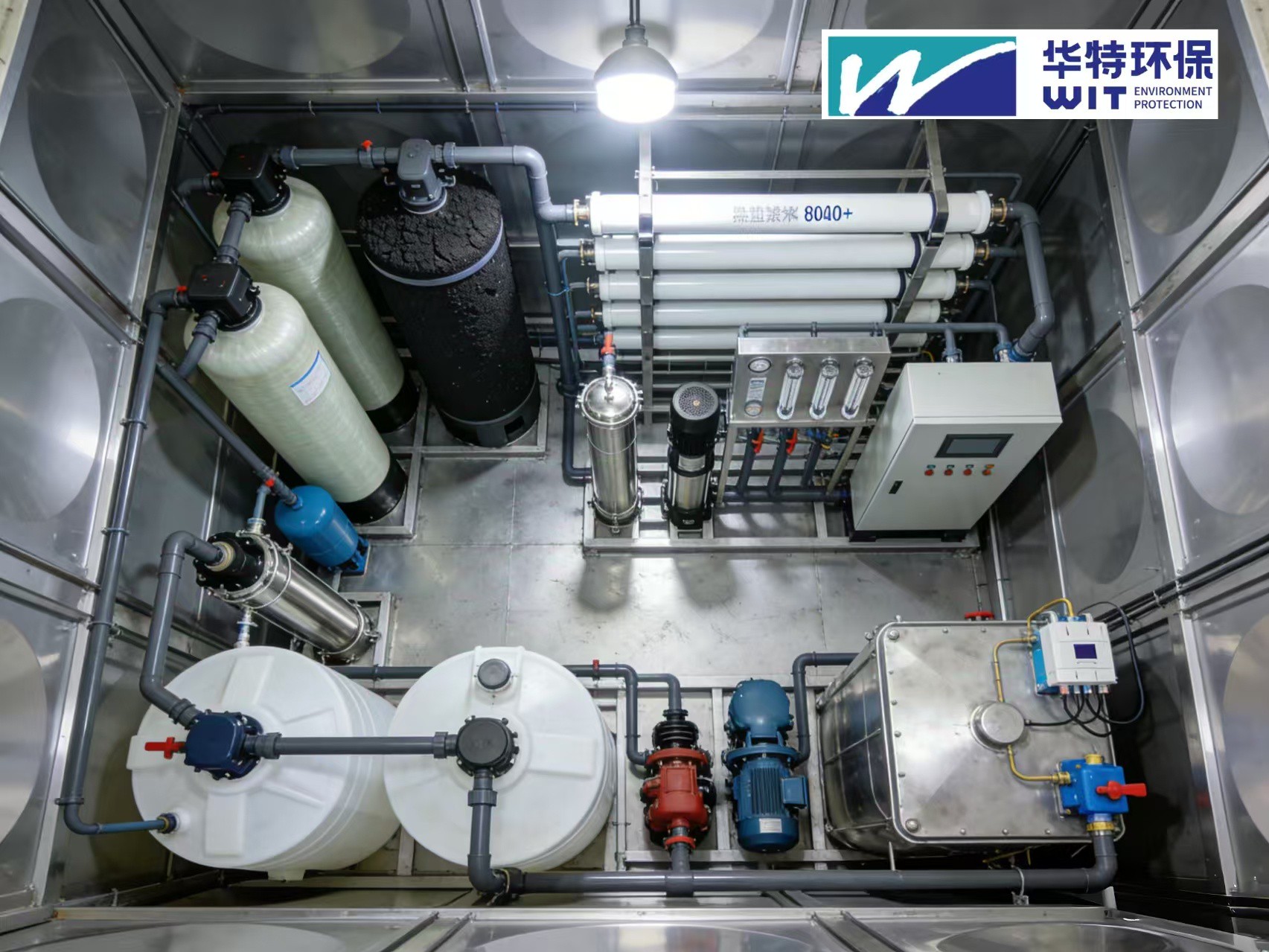
Operational reliability isn’t compromised—but it shifts risk exposure. Concrete plants tolerate long-term variability in influent quality through hydraulic buffering and flexible tankage. Skid-mounted systems achieve comparable resilience via intelligent control logic, real-time feed-forward dosing, and adaptive membrane flux management. That’s where integrated components matter: consistent performance depends on tight coupling between sensors, actuators, and chemical delivery. For example, precise oxidant dosing—critical for membrane antifouling and disinfection compliance—relies on synchronized response between flow meters, ORP probes, and the Dosing Unit (Sewage Treatment / Waterworks / Water Supply System). Standalone skids with bolt-on chemical systems often exhibit 15–20% higher maintenance frequency during high-TSS or variable-pH events.
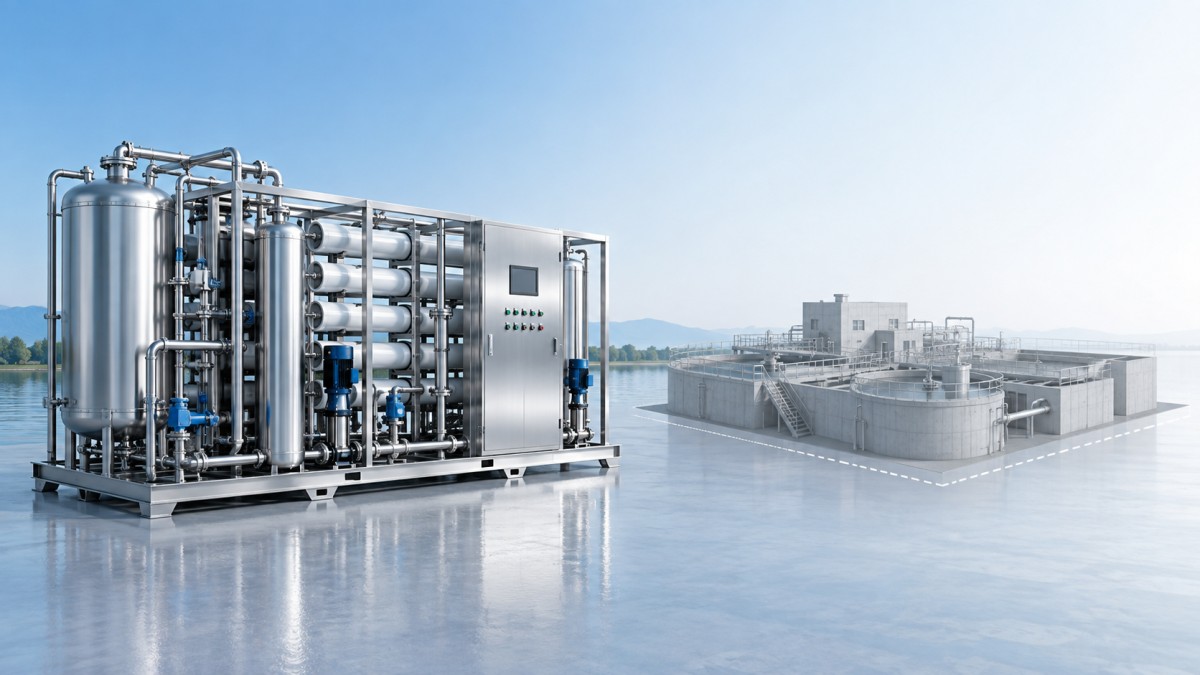
The strongest fit isn’t defined by scale alone—it’s defined by deployment context. Skid-mounted systems deliver measurable footprint reduction when:
- You face tight deadlines tied to regulatory milestones (e.g., provincial wastewater reuse targets expiring in 18 months);
- Your site has poor soil bearing capacity, making deep foundations prohibitively expensive;
- You’re scaling incrementally—adding capacity in 10,000 m³/day increments rather than committing to a 100,000 m³/day concrete plant;
- You operate in regions with high labor cost volatility or limited skilled civil construction availability.
They become less compelling where long asset life (>30 years) and minimal OPEX variance are non-negotiable, or where influent characteristics fluctuate beyond the adaptive range of onboard instrumentation. And while SASAC-affiliated engineering firms like Shandong Wit bring proven execution rigor—especially in municipal and aquaculture wastewater applications—their value lies not in selling skids, but in diagnosing whether skidding solves your actual constraint. The footprint reduction is real—but it’s a lever, not a guarantee. Your next step isn’t to compare brochures. It’s to map your permitting timeline, quantify your civil works risk premium, and pressure-test your influent variability against the control architecture of any shortlisted skid solution.



 What footprint reduction does Large-Scale Integrated Skid-Mounted Water Purification Treatment Equipment deliver versus conventional concrete plants?
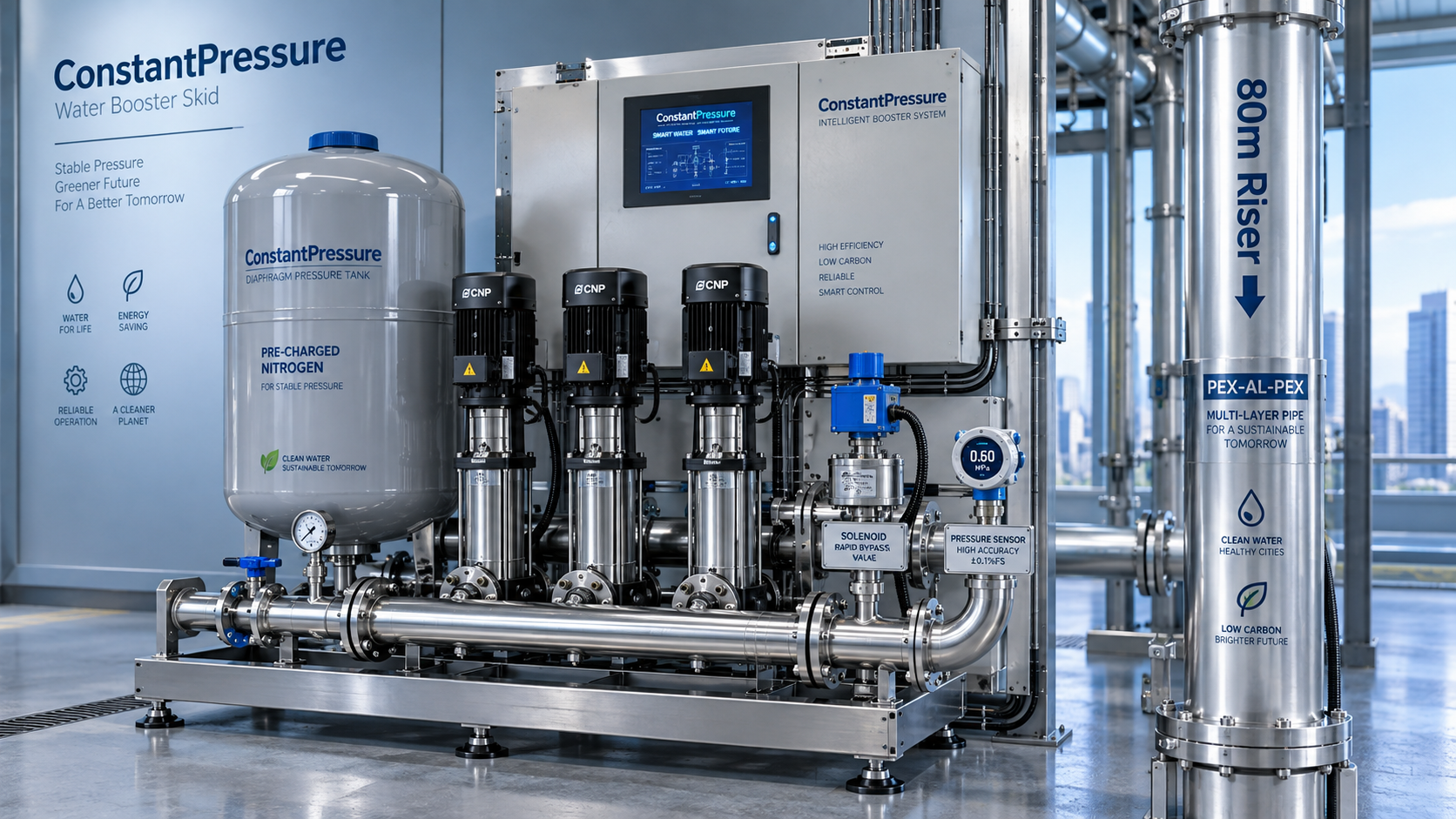
 How ConstantPressure Water Supply Skid-Mounted Equipment avoids water hammer during pump start-up in district heating networks
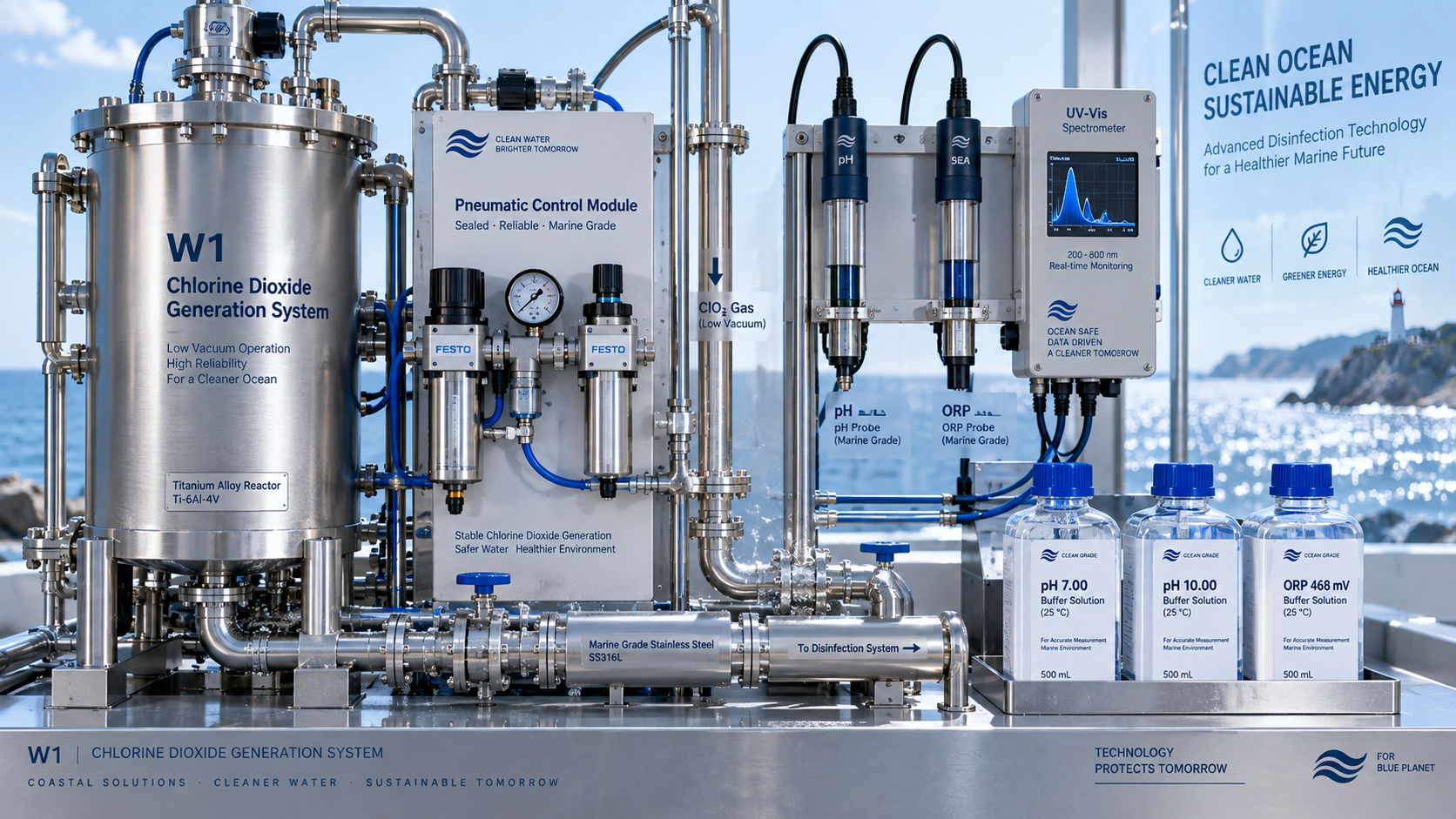
 chlorine dioxide preparation technology in coastal desalination plants?") What maintenance intervals are validated for W1 type (low negative pressure) chlorine dioxide preparation technology in coastal desalination plants?
What maintenance intervals are validated for W1 type (low negative pressure) chlorine dioxide preparation technology in coastal desalination plants? Does Large-Scale Integrated Skid-Mounted Water Purification Treatment Equipment include redundant control logic for SCADA integration?
 How ConstantPressure Water Supply Skid-Mounted Equipment responds to sudden valve closure events in high-rise buildings
 chlorine dioxide preparation technology?") What feedwater pH range limits the stability of W1 type (low negative pressure) chlorine dioxide preparation technology?
What feedwater pH range limits the stability of W1 type (low negative pressure) chlorine dioxide preparation technology?
GET A FREE QUOTE
Service Commitment: Upon receipt of your message, a dedicated representative will contact you as soon as possible to provide efficient and professional service support.
