







What pretreatment requirements must be met before feeding raw water to Large-Scale Integrated Skid-Mounted Water Purification Treatment Equipment?
Why Pretreatment Isn’t Just a Step—It’s the First Line of Defense
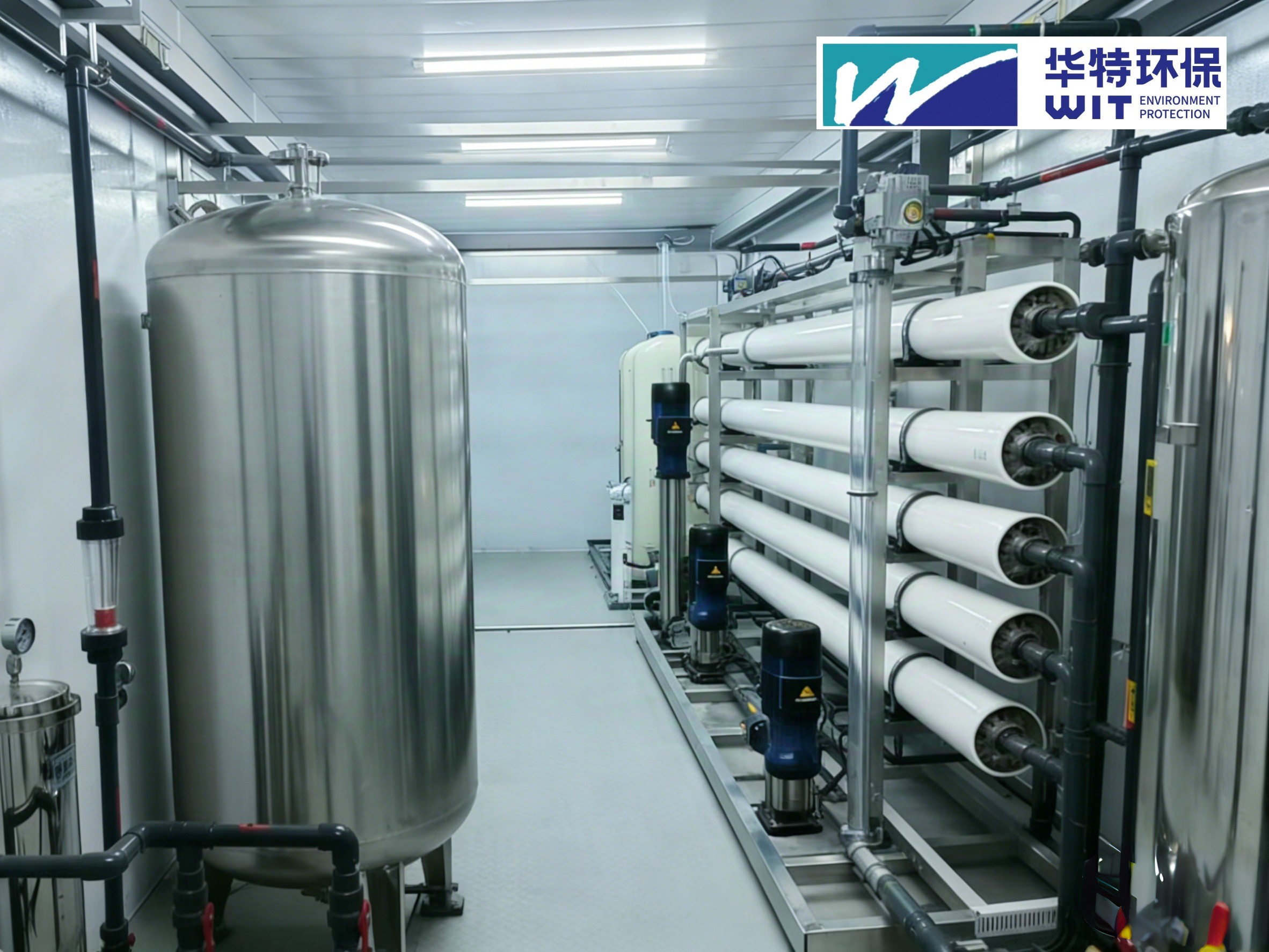
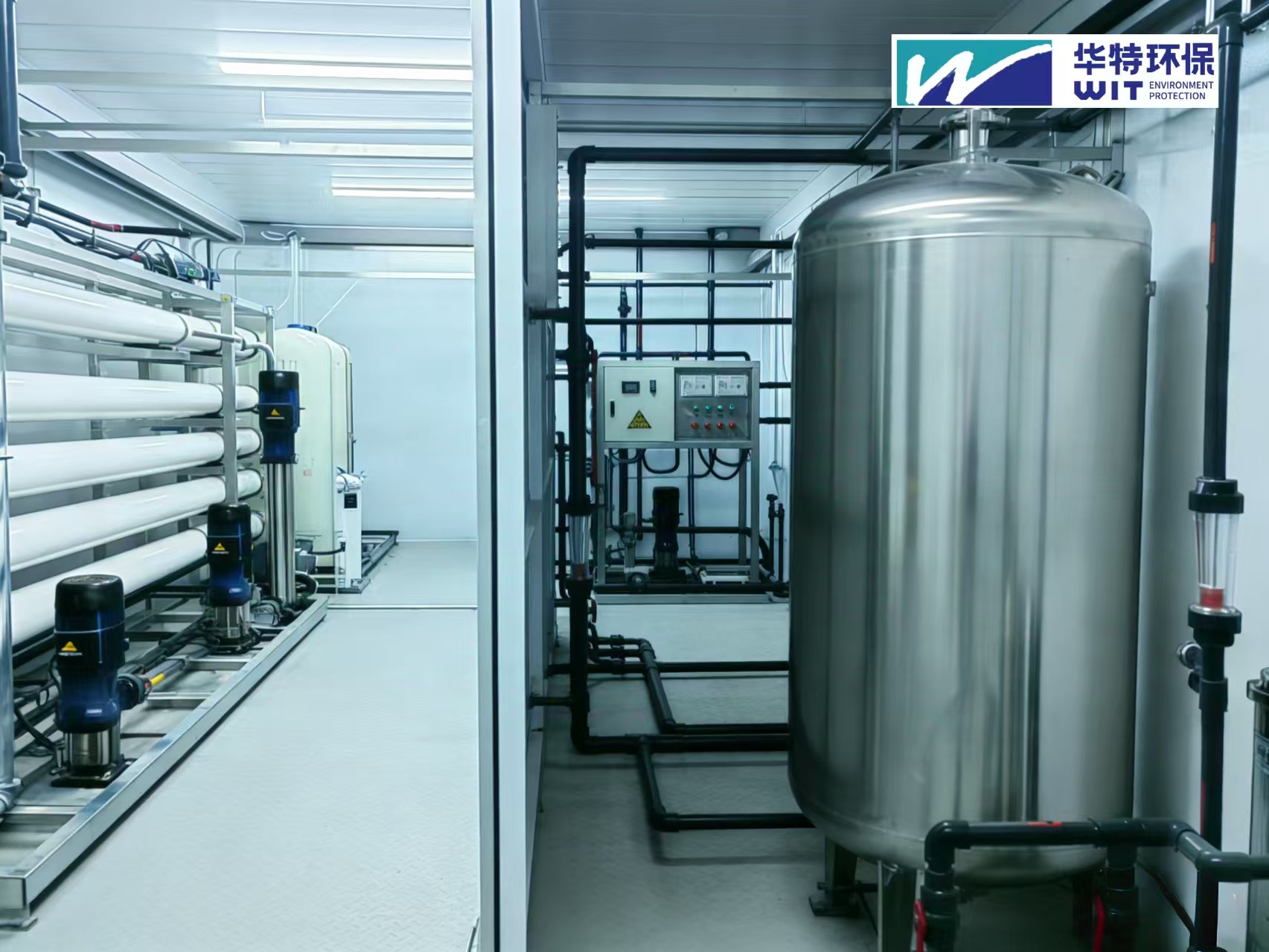
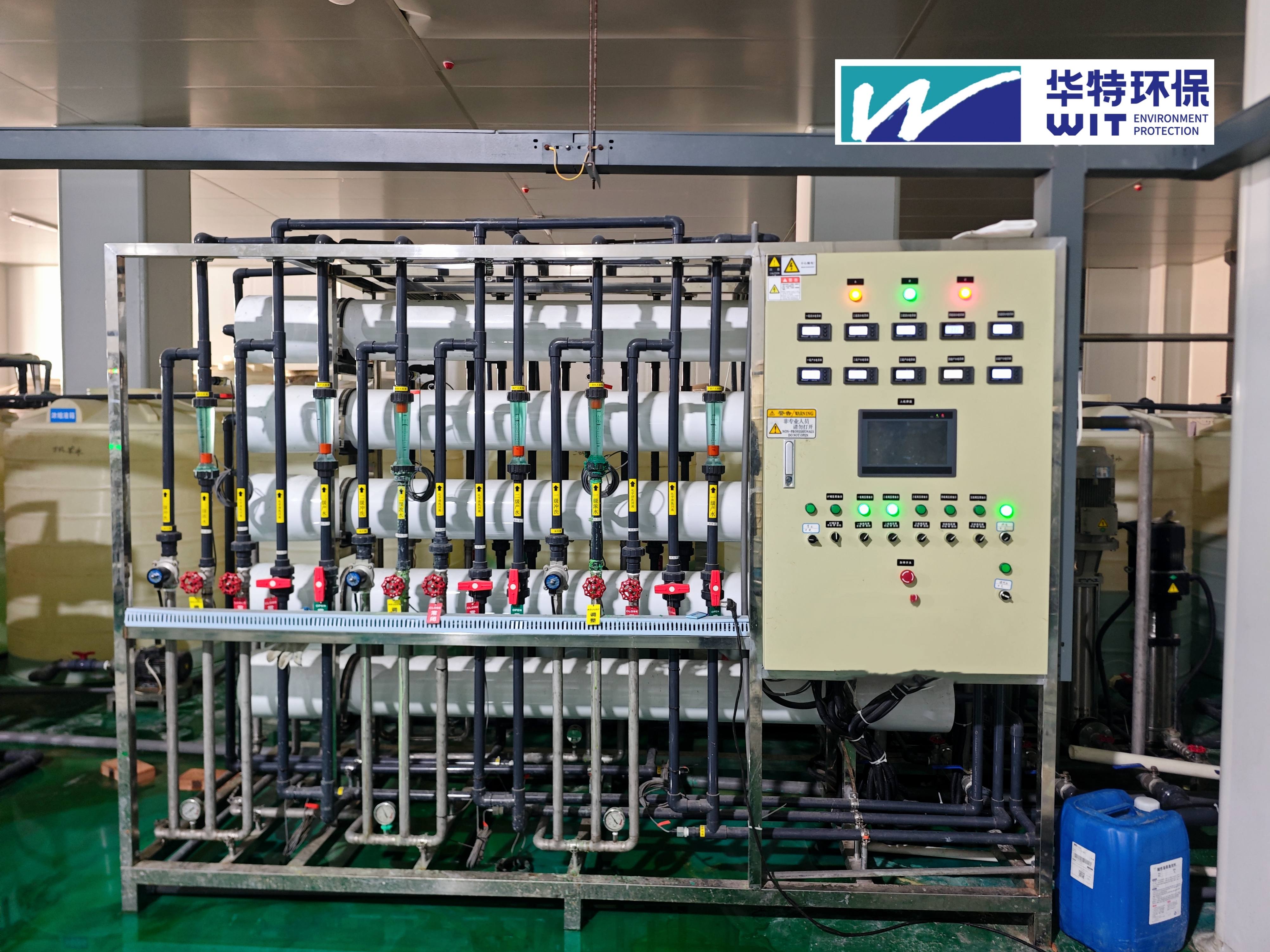
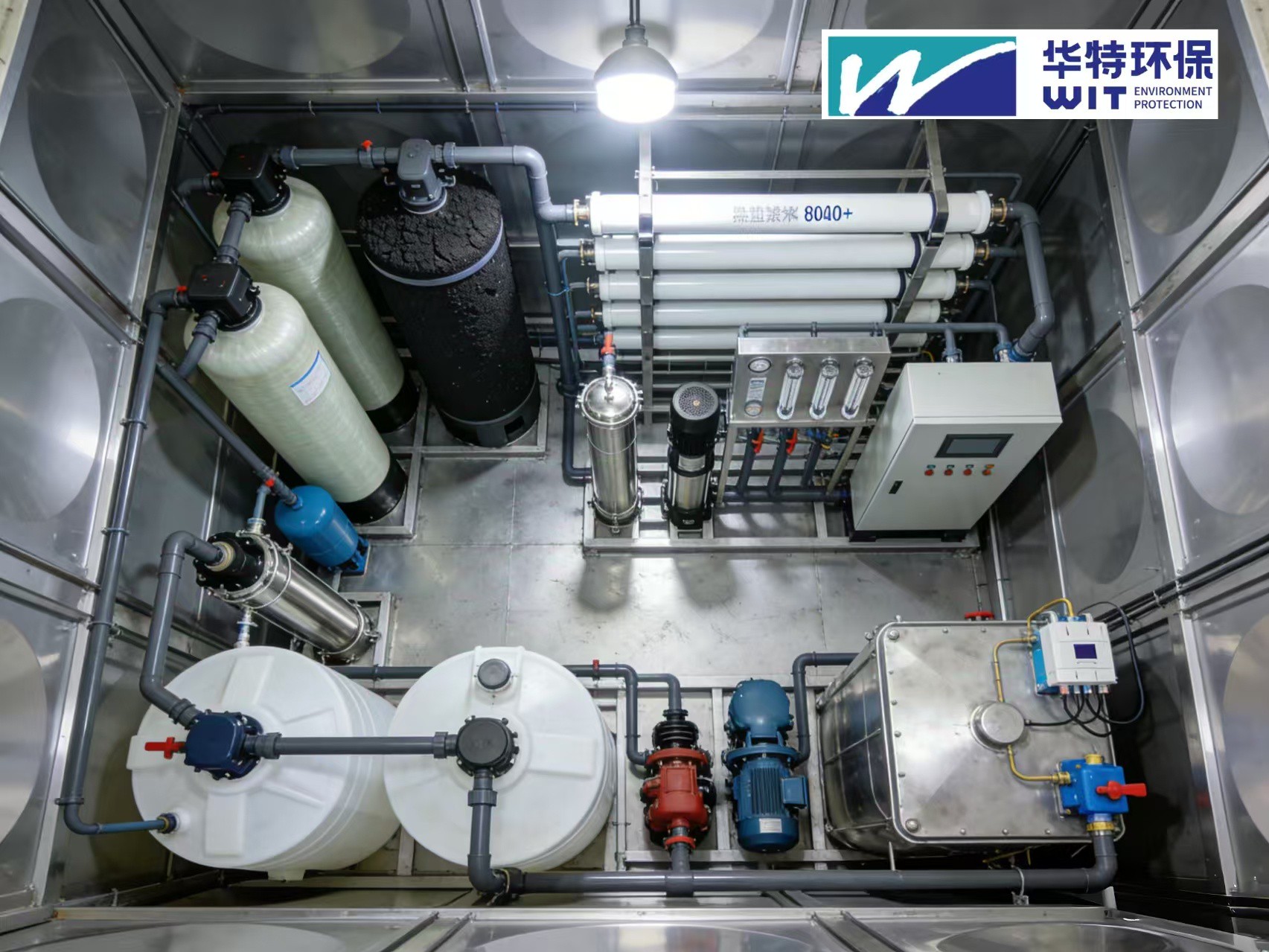
Feeding raw water directly into a Large-Scale Integrated Skid-Mounted Water Purification Treatment Equipment is like skipping engine oil change before a cross-country drive—it might run for a while, but the cost in downtime, maintenance, and premature failure isn’t worth the shortcut. At Shandong Wit Environmental Protection Technology Co., Ltd.—a SASAC-affiliated enterprise with over a decade of field deployment across municipal, industrial, and aquaculture wastewater systems—pretreatment isn’t treated as a checklist item. It’s the operational foundation.
We’ve seen it repeatedly: equipment rated for 15-year service life begins showing membrane fouling or disinfection unit inefficiency within 18 months—not because of faulty design, but because upstream solids, oils, or pH swings weren’t addressed *before* water entered the skid. That’s why our engineering teams start every project not with the skid itself, but with a full-source water characterization: turbidity, TSS, COD, oil & grease content, heavy metal speciation, and seasonal variability.
Four Non-Negotiables—Not Recommendations
There’s no universal pretreatment spec sheet. But based on real-world performance from more than 100 government-led environmental projects—including constructed wetland-integrated treatment plants and industrial park centralized water reuse facilities—we consistently apply four functional requirements:
- Sedimentation & coarse filtration: Removes suspended solids >100 µm. Not just “sand removal”—it’s about protecting downstream pumps, flow meters, and pressure-sensitive membranes. In high-turbidity surface water feeds (e.g., Yellow River tributaries), we often integrate lamella settlers or vortex separators ahead of the skid inlet.
- pH stabilization: Especially critical when feeding into chlorine dioxide-based disinfection units. Uncontrolled pH shifts affect oxidant efficiency and can accelerate corrosion in stainless-steel manifolds. We typically target pH 6.5–7.8 pre-skid, using automated lime or CO₂ dosing where needed—not fixed-dose chemical addition.
- Oil & grease interception: Even low-concentration emulsified oils (common in food processing or textile effluent) coat membrane surfaces irreversibly. A properly sized API separator or dissolved air flotation (DAF) unit isn’t optional—it’s what keeps cleaning cycles predictable.
- Heavy metal pre-conditioning: Not always required—but essential where source water contains copper, nickel, or chromium above 0.5 mg/L. Chelation or precipitation upstream prevents scaling in electrochemical cells or catalytic oxidation modules embedded in integrated skids.
None of these steps are “add-ons.” They’re part of the system boundary definition—what enters the skid must meet defined physical-chemical thresholds, period. And that threshold isn’t arbitrary: it’s derived from decades of operational data across Shandong University–collaborated pilot studies and national R&D projects on water reuse standards.
Where Disinfection Strategy Shapes Pretreatment Design
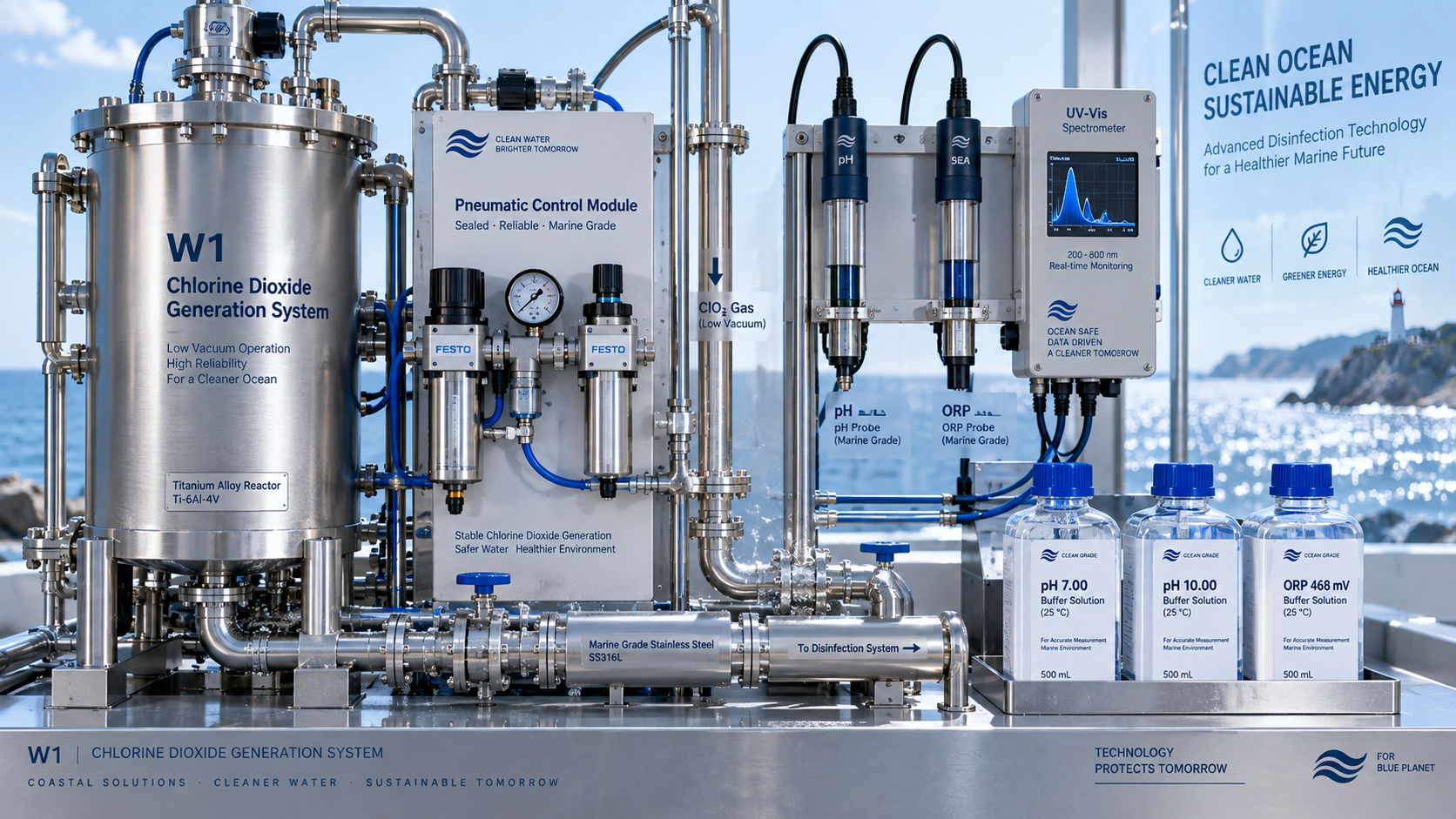
One subtle but critical point: your disinfection method changes what pretreatment protects. If your skid relies on UV, turbidity and UVT (UV transmittance) dominate the pretreatment specs. If it uses chlorine dioxide—especially at scale—the focus shifts to organic precursors (like humic acids) and reducing agents (e.g., ferrous iron) that consume oxidant before it reaches pathogens. That’s why our W3 type (comprehensive method) chlorine dioxide preparation technology is engineered with inline feedwater quality feedback—not just dose control. It adapts to upstream variability, but only if pretreatment delivers consistent baseline water quality.
This isn’t theoretical. In a recent municipal reuse project near Jinan, untreated influent spikes in algae-derived organic matter caused repeated chlorine dioxide demand surges—and intermittent residual loss. Retrofitting a coagulation-flocculation stage *before* the skid stabilized oxidant consumption by 40%, reduced chemical costs, and eliminated off-spec effluent events. The fix wasn’t bigger dosing pumps. It was better pretreatment alignment.
What Operators Should Check—Before Day One
If you’re responsible for commissioning or operating one of these skids, don’t wait for alarms. Verify these three things *before* first feed:
- Is there a calibrated, real-time TSS sensor installed *immediately upstream* of the skid inlet—not just in the raw water channel?
- Are pH and ORP probes placed where they reflect actual feed conditions—not averaged over a large tank with mixing lag?
- Does your maintenance log include pretreatment unit inspection records (e.g., DAF scum removal frequency, filter backwash pressure differentials) alongside skid performance metrics?
Without this discipline, even the most advanced skid becomes a black box—diagnosing issues downstream instead of preventing them upstream.
At Shandong Wit, we treat pretreatment not as a separate phase, but as the first module in an integrated system—engineered, validated, and maintained as one. Because in water treatment, reliability isn’t built in the skid. It’s built *before* the skid.



 What pretreatment requirements must be met before feeding raw water to Large-Scale Integrated Skid-Mounted Water Purification Treatment Equipment?
 What scalability limitations exist for Large-Scale Integrated Skid-Mounted Water Purification Treatment Equipment in phased expansion projects?
 What footprint reduction does Large-Scale Integrated Skid-Mounted Water Purification Treatment Equipment deliver versus conventional concrete plants?
 How ConstantPressure Water Supply Skid-Mounted Equipment avoids water hammer during pump start-up in district heating networks
 chlorine dioxide preparation technology in coastal desalination plants?") What maintenance intervals are validated for W1 type (low negative pressure) chlorine dioxide preparation technology in coastal desalination plants?
What maintenance intervals are validated for W1 type (low negative pressure) chlorine dioxide preparation technology in coastal desalination plants? Does Large-Scale Integrated Skid-Mounted Water Purification Treatment Equipment include redundant control logic for SCADA integration?
GET A FREE QUOTE
Service Commitment: Upon receipt of your message, a dedicated representative will contact you as soon as possible to provide efficient and professional service support.
