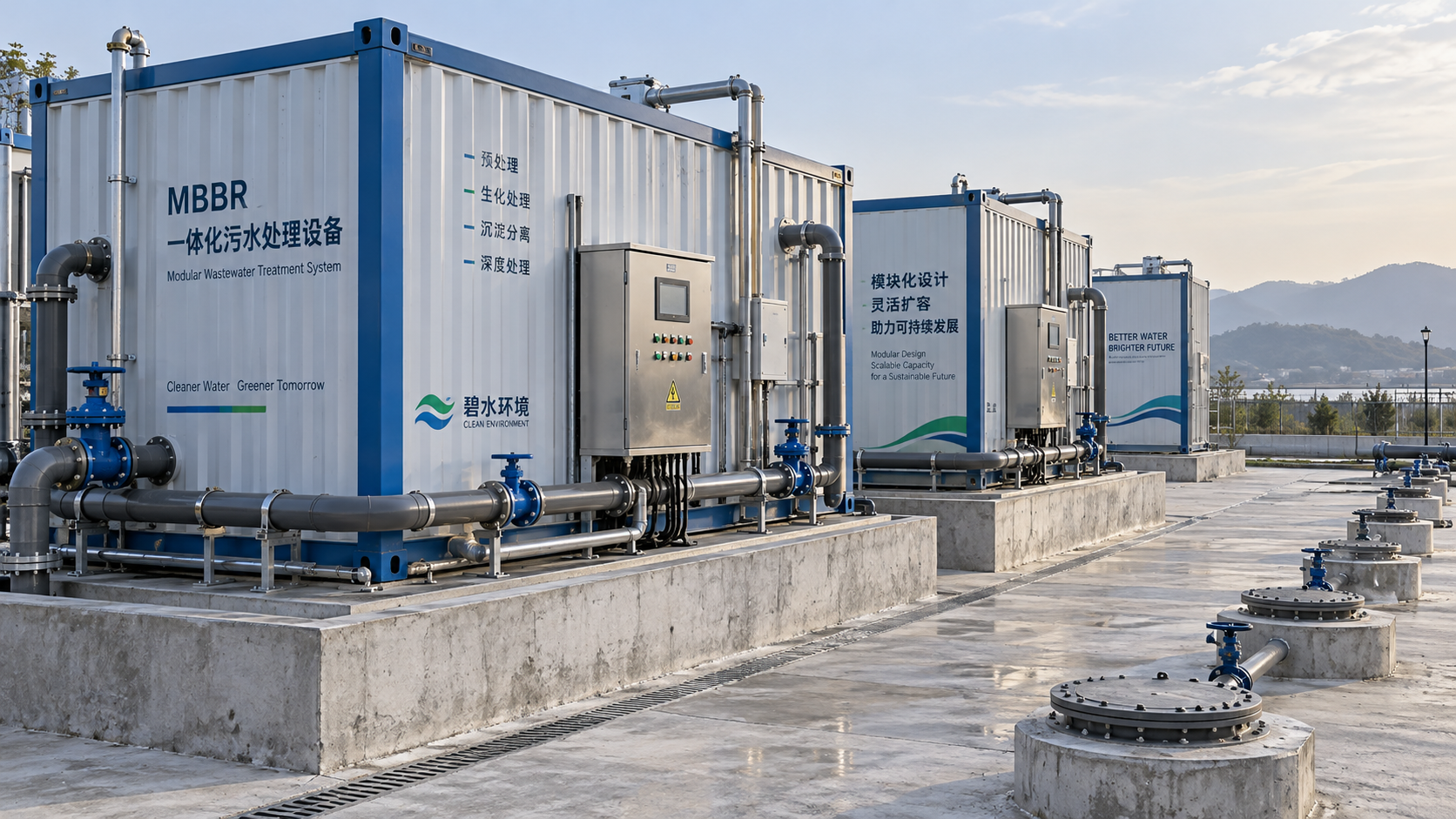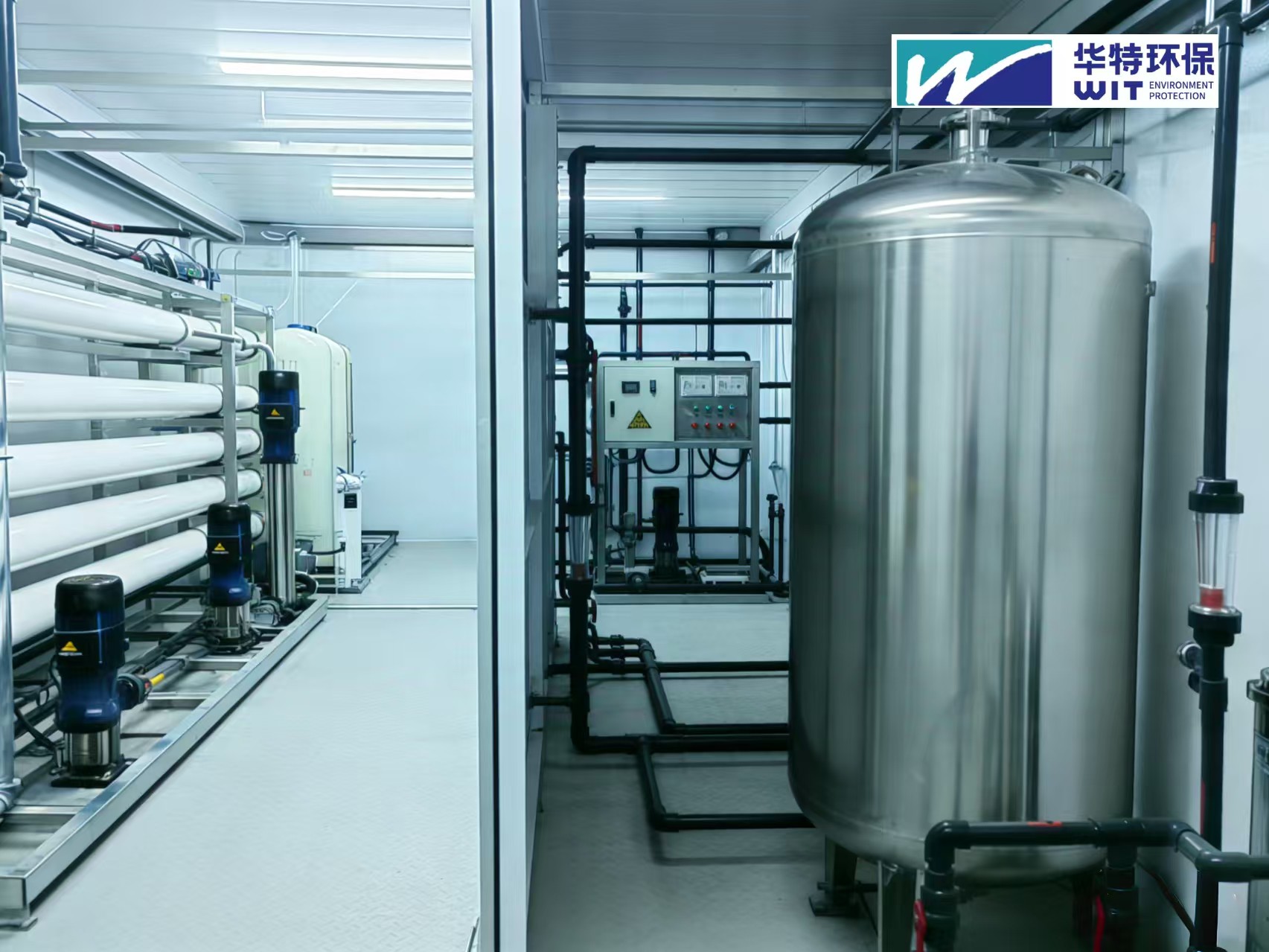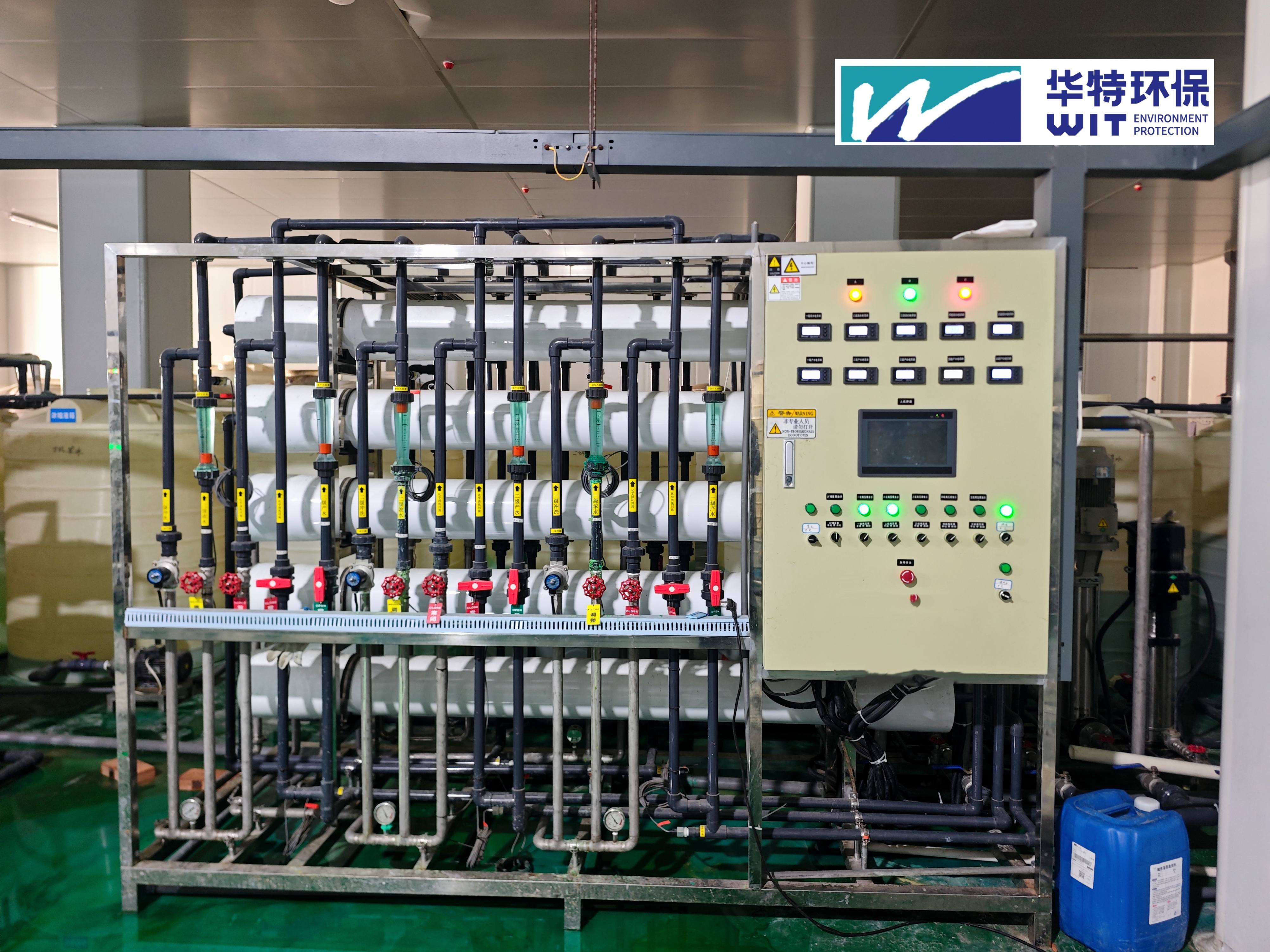







A modular sewage treatment plant can cost less than a conventional civil-built facility when shorter installation schedules, reduced site construction, and phased expansion outweigh other costs.
For financial approvers, a lower purchase price is insufficient: both options must be compared against the same treatment capacity, discharge standards, reliability requirements, and service life.
The strongest business case combines lower total installed expenditure with measurable schedule benefits and manageable operating costs. The following framework explains when that advantage holds.
Which project conditions make modular construction cheaper?
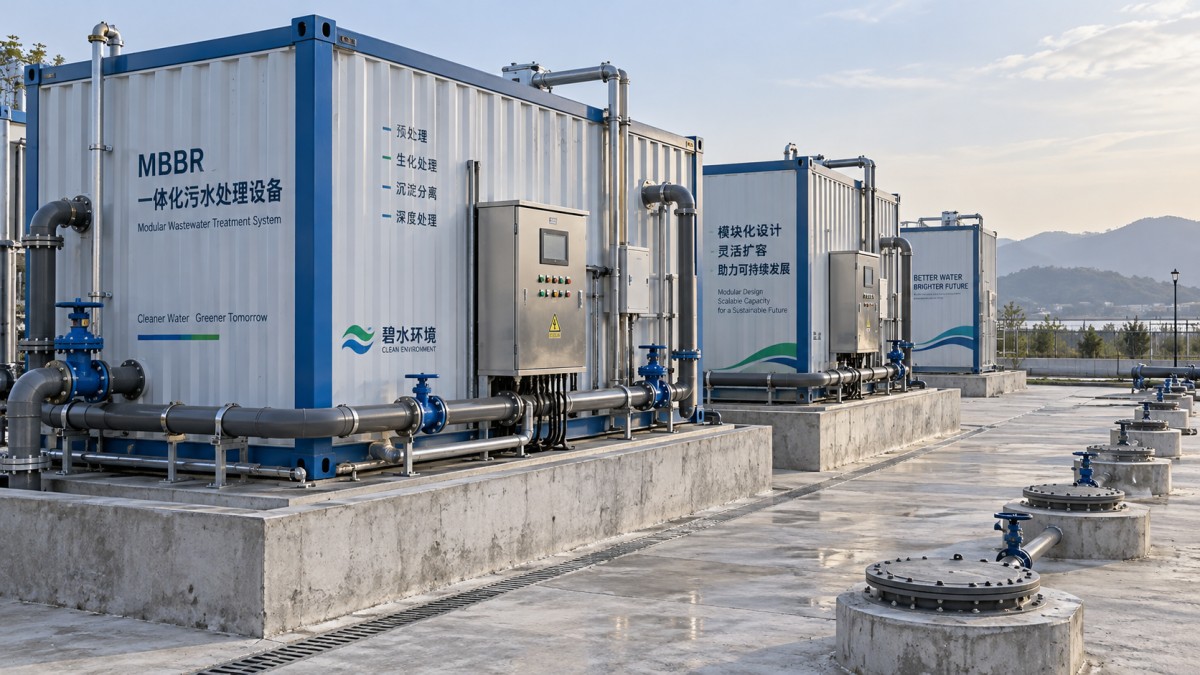
Modular construction is most competitive where factory assembly replaces expensive site labor, difficult construction logistics, or temporary infrastructure. The advantage depends heavily on local conditions.
Remote accommodation, dispersed communities, constrained industrial sites, and temporary developments can benefit because conventional construction may require substantial mobilization, accommodation, supervision, and weather contingency allowances.
A shorter installation period can also reduce financing costs and accelerate operations. These savings matter when wastewater treatment is a prerequisite for opening a facility.
Financial approvers should distinguish factory production time from the complete project schedule. Permitting, design approvals, power connections, delivery, installation, and biological commissioning still require time.
Uncertain demand creates another opportunity. Installing an initial module and adding capacity later can defer expenditure until occupancy, production, or connection rates justify further investment.
However, phased expansion needs a credible engineering plan. Reserve space, connection points, hydraulic capacity, electrical infrastructure, and approval requirements must support later additions without expensive rework.
Modular plants still need foundations, pipework, access, and often equalization or sludge facilities. Savings arise from reducing specific construction activities, rather than eliminating site works.
Are both quotations covering the same complete project?
Compare a modular sewage treatment plant with a complete civil-built alternative using identical design assumptions. Equipment-only pricing cannot support a defensible investment decision on its own.
Start with average and peak flows, pollutant loads, seasonal temperatures, discharge limits, and required availability. Matching nominal daily capacity alone does not establish equivalent performance.
Also define the treatment boundary. Screening, flow balancing, nutrient removal, disinfection, sludge storage, and final discharge infrastructure may appear in different suppliers’ quotations or exclusions.
Check whether quoted electrical consumption includes pumping, aeration, heating, and sludge handling. Comparing different equipment boundaries can create an apparent efficiency advantage that disappears during operation.
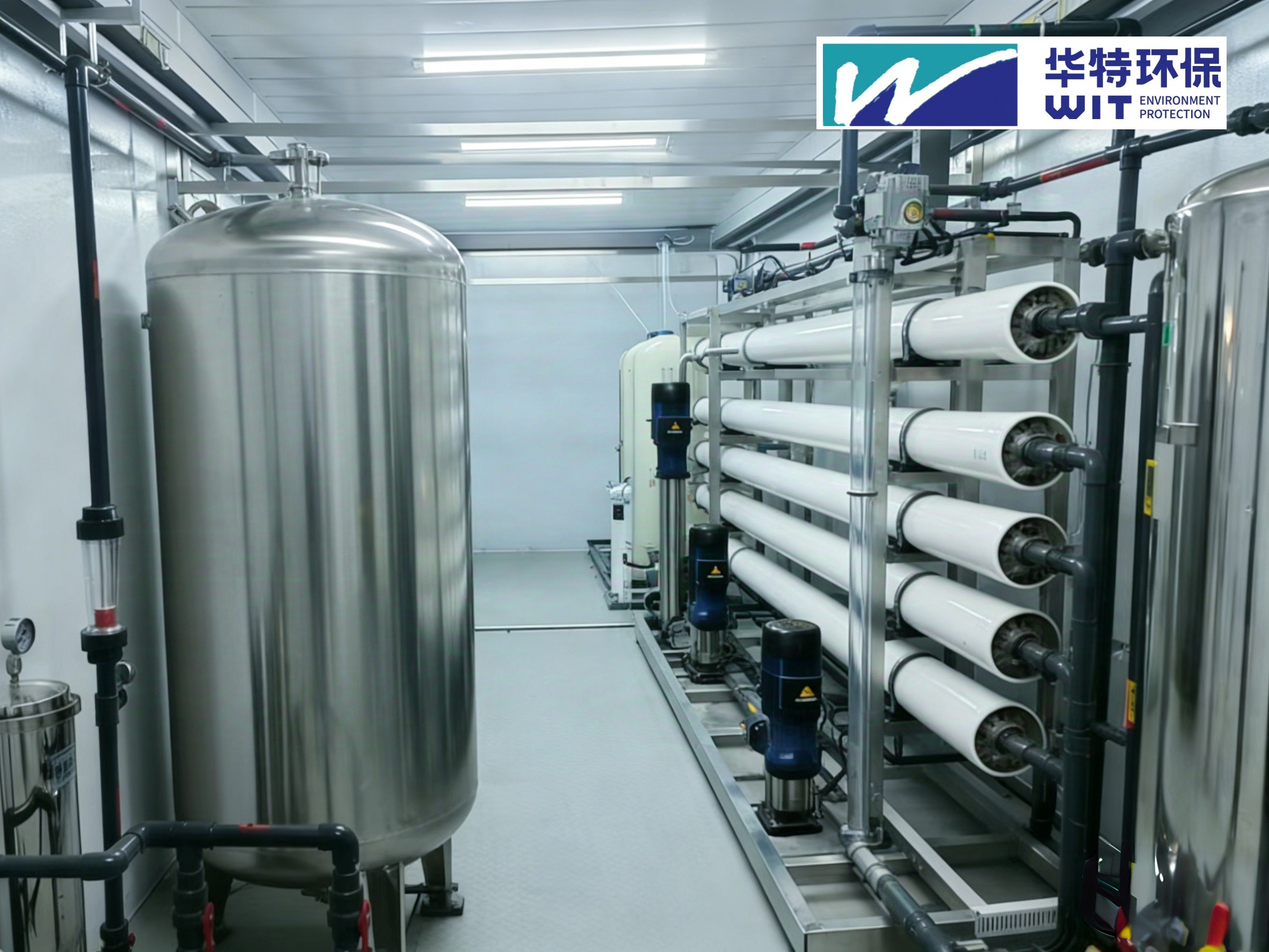
Where ancillary process water is required, assess Pure Water Pre-treatment Equipment separately, confirming suitability and scope instead of assuming it provides sewage pretreatment.
Request a responsibility schedule identifying who supplies, installs, tests, and warrants each interface. Unassigned connections and services commonly become variations after the purchase order is issued.
Apply contingency according to unresolved risks in each proposal. A quotation with incomplete ground investigations or uncertain transport requirements deserves different allowances from a fully developed design.
Does the lifecycle saving survive realistic operating assumptions?
The appropriate financial measure is usually the present value of total ownership costs over a common evaluation period, including capital expenditure, operations, renewals, and residual value.
Use a consistent discount rate and inflation basis. If costs are expressed in real terms, apply a real discount rate throughout the financial model consistently.
Do not assume that modular construction automatically reduces operating expenditure. Treatment process selection, loading, automation, equipment efficiency, and operator requirements usually matter more than construction format.
A compact membrane system, for example, may offer footprint advantages while introducing membrane replacement and cleaning costs. Compare equivalent effluent quality before interpreting differences in expenditure.
Service lives also require careful treatment. Civil structures, steel vessels, coatings, pumps, instruments, and controls have different renewal needs, even within the same treatment facility.
For a fair comparison, include necessary replacements within the evaluation period and explain residual values. Avoid assigning either option an unsupported maintenance-free or indefinite operating life.
Express the result as both total discounted cost and cost per cubic meter treated. Use realistic throughput because underutilization can substantially increase the unit treatment cost.
How much difference can timing and phased capacity make?
Consider an illustrative comparison in which a civil-built option costs $1.20 million installed and a modular option costs $1.05 million, with identical required treatment performance.
Assume the modular option incurs an additional $12,000 in annual operating costs. Over fifteen years at an eight percent real discount rate, that difference is approximately $103,000.
The initial $150,000 capital saving therefore falls to approximately $47,000 before differences in replacements, residual values, commissioning dates, and other project-specific costs are included fully.
This example shows why a lower installed price can remain attractive while offering less financial headroom than expected. One substantial omitted renewal could reverse the decision.
Earlier operation may strengthen the case if it avoids temporary wastewater handling or enables earlier production. Count only documented cash benefits attributable to the treatment schedule.
Avoid double counting revenue and profit contributions. Where earlier treatment enables sales, use the incremental cash contribution after associated costs, with assumptions reviewed by finance.
For phased capacity, model each expansion year separately. Include future module prices, installation disruption, shared infrastructure, and the possibility that demand grows faster or slower than forecast.
When can conventional civil works provide better value?
Conventional construction can be financially stronger where demand is stable, local construction is economical, land is available, and large shared structures provide useful economies of scale.
Transport constraints can weaken the modular case. Oversized loads, restricted access, customs delays, crane requirements, or on-site reassembly may consume much of the factory construction saving.
Site requirements also matter. Deep burial, flood protection, corrosion exposure, odor control, and architectural screening can add structures or protective systems around a packaged treatment installation.
Highly variable industrial wastewater requires particular scrutiny. Toxic compounds, salinity, temperature changes, or shock loads can demand pretreatment and buffering beyond a supplier’s standard package configuration.
Limited local service support introduces another cost exposure. Check spare-part availability, response times, remote support arrangements, and whether routine maintenance depends on proprietary components or software.
Financial approvers should also evaluate continuity of treatment during maintenance. Required redundancy and emergency storage must be priced consistently across both alternatives before choosing either option.
What evidence should support financial approval?
Request a documented design basis, an inclusive installed-cost estimate, an operating-cost model, and a schedule showing permitting, delivery, installation, commissioning, and demonstrated compliance before financial approval.
Performance commitments should specify influent conditions, effluent limits, sampling methods, testing duration, operator responsibilities, and remedies. A guarantee has limited value when its operating conditions remain ambiguous.
Ask bidders for comparable operating references and supporting consumption records. Shandong Wit Environmental Protection Technology Co., Ltd.’s wastewater experience provides context for these project-specific technical discussions.
Test sensitivity to utilization, electricity prices, replacement intervals, construction overruns, and expansion timing. The preferred option should remain affordable across plausible conditions, with its main vulnerabilities visible.
Approve a modular sewage treatment plant when its complete, risk-adjusted lifecycle cost is lower and its treatment commitments are credible. Quantify schedule and expansion benefits separately.
Where the financial difference is small, prioritize stronger performance evidence, maintainable equipment, and clear contractual responsibility. Those factors can protect value throughout the plant’s operating life.