







When Does Large-Scale Integrated Skid-Mounted Water Purification Treatment Equipment Make Sense for Industrial Water Projects?
Large-Scale Integrated Skid-Mounted Water Purification Treatment Equipment makes sense when an industrial water project needs a complete treatment train delivered as coordinated modules rather than assembled piece by piece on site. That usually applies where the water quality target is clear, the installation window is short, and the project site would otherwise face heavy civil work, difficult coordination between multiple vendors, or unstable construction conditions. In environmental and energy applications, that combination often appears in industrial parks, utility support systems, process water upgrades, temporary production expansion, and retrofit projects where existing buildings leave little room for conventional stick-built installation.
The skid-mounted approach is most practical when process boundaries can be defined early. Raw water variability still matters, but the project works better if the required treatment path is already understood: for example, clarification and media filtration ahead of reverse osmosis, or oxidation, filtration, activated carbon, and membrane steps where organics, color, or oxidizable compounds need to be controlled. If the influent characteristics are still uncertain, highly seasonal, or likely to change with upstream production adjustments, a large integrated skid may need more bypasses, standby dosing points, and allowance for future retrofits. Without that flexibility, compact integration can become restrictive rather than efficient.
Where the skid format fits naturally
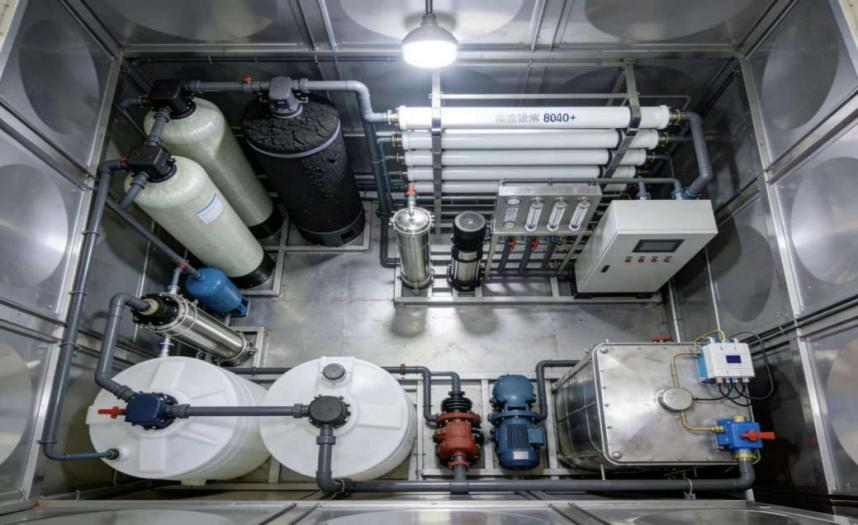
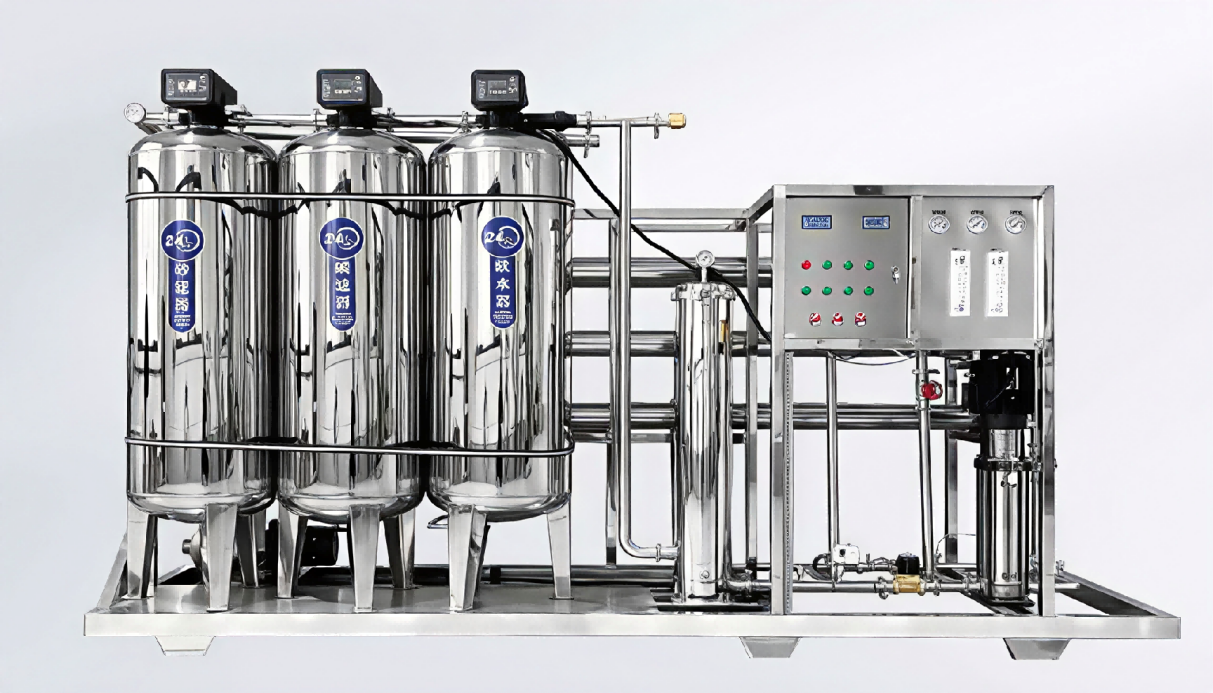
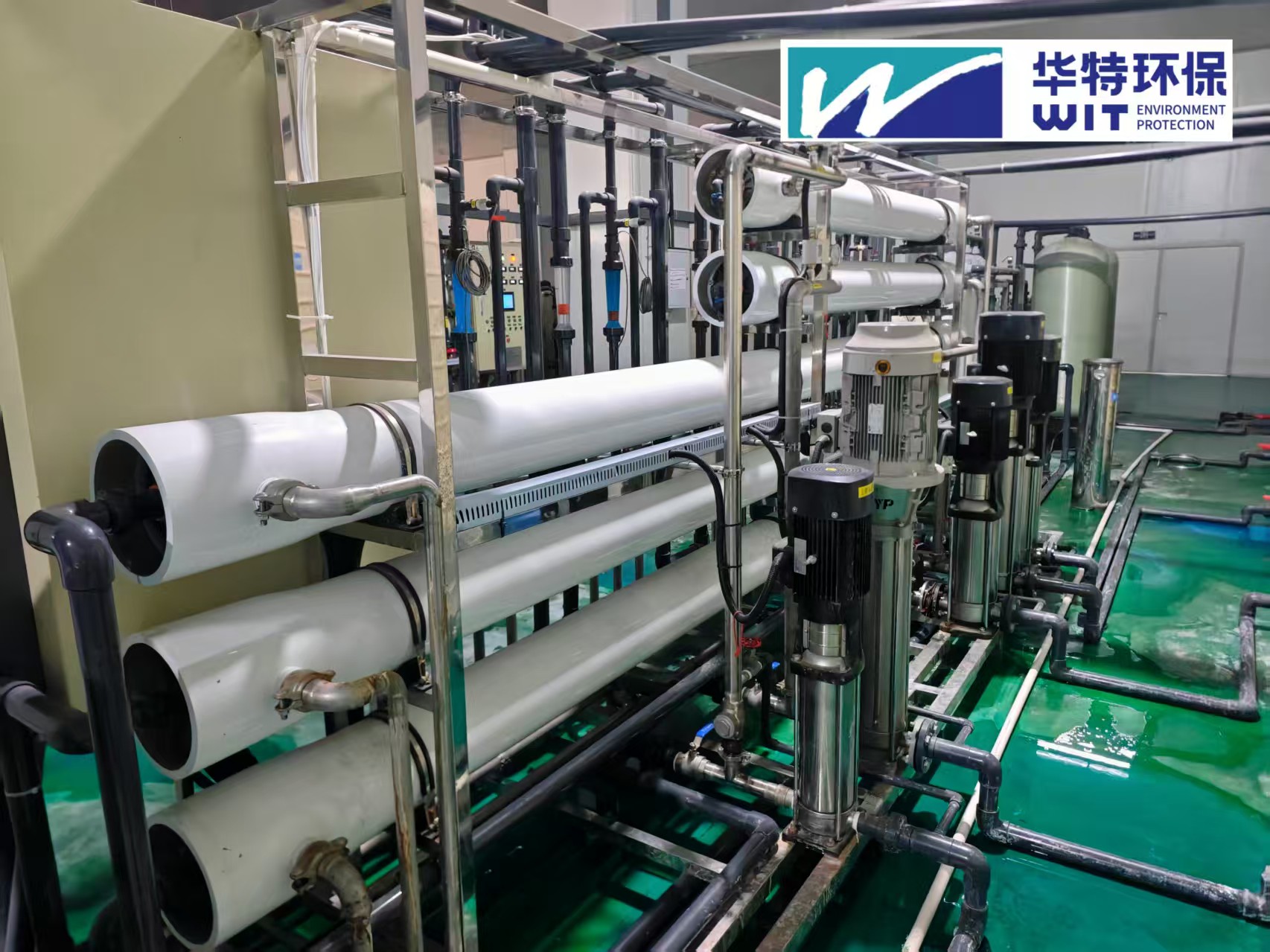
One common fit is a project that must start quickly after utility access becomes available. Factory-assembled skids reduce the amount of field alignment, piping fabrication, cable routing, and instrument matching that would normally take place across several contractors. Pumps, valves, membrane pressure vessels, dosing skids, local control cabinets, sampling points, and interconnecting pipework can be arranged and tested as one package before shipment. That does not eliminate commissioning work, but it tends to reduce surprises caused by misaligned interfaces between separate systems.
Another strong fit is a site with limited construction space. In many industrial facilities, the available area may be an equipment yard, a narrow utility corridor, or part of an existing water house where drainage, access, and overhead lifting are already constrained. A skid system can be laid out around transport dimensions and maintenance clearances from the beginning. This is particularly useful when membrane replacement, cartridge filter changeout, chemical drum handling, and pump maintenance all need to occur within a compact footprint.
It also makes sense where the project depends on repeatable fabrication quality. Large water systems are sensitive to small details: weld cleanliness in stainless steel lines, dead legs in chemical dosing headers, instrument impulse line routing, valve orientation, gasket compatibility, and flushing procedures before startup. Shop fabrication usually gives tighter control over these points than an improvised field build, especially for systems using 304 or 316 stainless steel, UPVC, CPVC, FRP, rubber-lined carbon steel, or mixed-material pipework chosen according to water chemistry and pressure level.
When integrated equipment may be preferable to loose equipment packages
In a conventional build, each treatment section can come from a different source. That may be acceptable for very large custom plants with long schedules and substantial site resources. But for many industrial water projects, the difficulty lies less in selecting individual unit processes and more in making the interfaces work. A skid-mounted package can simplify that by fixing pump curves, design flow windows, control logic, instrument tags, and inter-stage pipe sizing as one coordinated design.
This becomes important when water quality objectives are linked to downstream equipment protection. Boiler make-up, cooling system side-stream treatment, washing operations, electronics-related process water, and high-purity utility preparation all depend on stable pretreatment. If suspended solids loading, silt density behavior, hardness leakage, residual oxidant, silica passage, or conductivity drift are not managed consistently, downstream units can foul or degrade quickly. In those cases, an integrated arrangement may be easier to tune because the hydraulic and control relationships are already designed as a complete sequence. Depending on the final water standard, a project may also connect this treatment path to Industrial Pure Water / Ultrapure Water Equipment as a downstream polishing stage.
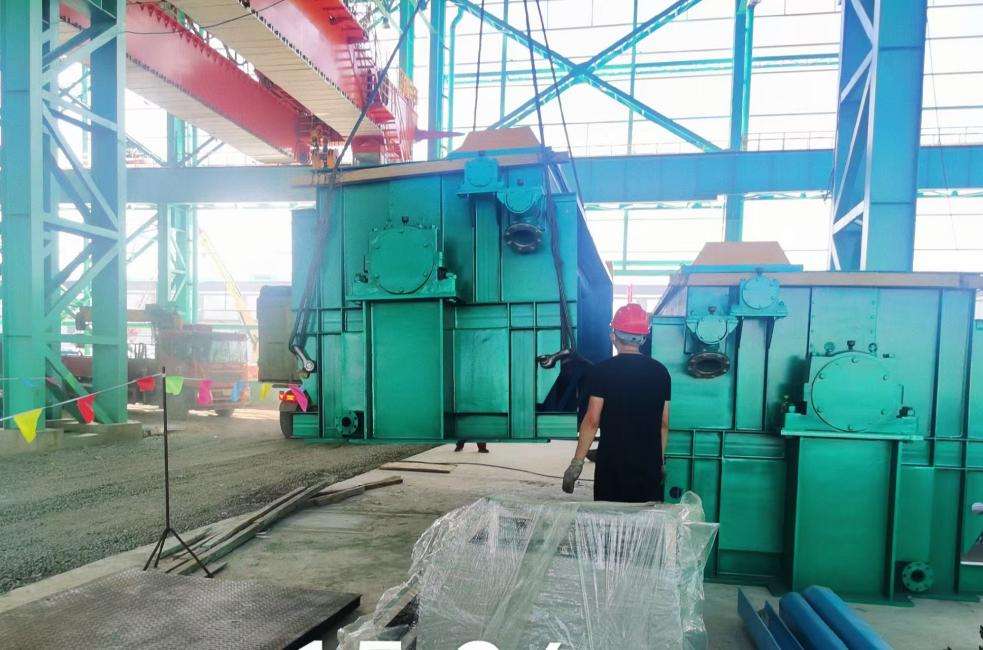
Transport and installation conditions also matter. A large skid is sensible only if module dimensions, lifting points, road restrictions, and crane access have been considered early. In some regions, oversized shipment can trigger route limitations, escort requirements, or split-module delivery. That often leads to a practical design choice: not one giant skid, but several coordinated skids for pretreatment, membrane treatment, chemical preparation, and control. The system remains integrated in engineering terms even if it arrives in transportable sections.
Technical details that often decide the answer
Feed water composition is usually the first filter. If raw water contains high turbidity, fibrous solids, oil, iron, manganese, or biological instability, the skid concept still works, but only if the pretreatment is not compressed unrealistically. Many project misjudgments come from trying to place too much duty on membrane units while undersizing equalization, clarification, or backwashable filtration upstream. Large-Scale Integrated Skid-Mounted Water Purification Treatment Equipment should not be treated as a compact shortcut around basic process requirements. It works well when the pretreatment has enough residence time, cleaning access, drain design, and sludge handling support for the actual water condition.
Chemical compatibility deserves the same level of attention. Coagulants, antiscalants, reducing agents, acid, alkali, sodium hypochlorite, chlorine dioxide, or specialty cleaners all interact with pipe materials, seals, pump wetted parts, and instrument sensors. A skid intended for oxidizing service might require different elastomers and corrosion allowances than one built mainly for neutralized groundwater polishing. If chemical storage is outside the skid boundary, the transfer lines, ventilation, bunding, flushing points, and dosing pump suction conditions need to be considered together rather than treated as separate procurement items.
Control philosophy can also determine whether the skid approach is genuinely suitable. Some projects need straightforward automatic start-stop, conductivity monitoring, pressure interlocks, and tank level control. Others need permissives tied to upstream production, remote monitoring through plant DCS, clean-in-place sequencing, membrane flushing logic, redundant analyzers, and data logging for water quality traceability. An integrated skid is most effective when the control scope is defined enough that panel layout, cable segregation, instrument placement, and software cause-and-effect can be built around the real operating sequence.
- Projects with stable utility power and clear tie-in points usually benefit more from packaged integration than sites where every electrical and piping interface is still moving.
- If winterization, heat tracing, enclosure ventilation, or dust protection will be necessary, these features are easier to incorporate in the original skid design than added after fabrication.
- Where maintenance staffing is limited, layouts with front access to instruments, pull-out cartridge housings, and sensible valve reach matter as much as nominal treatment capacity.
Common misreadings
One frequent mistake is assuming skid-mounted means plug-and-play. Large systems still need foundations or structural steel, drainage, vent routing, chemical unloading arrangements, flushing water, reject water handling, and commissioning procedures. If concentrate discharge, backwash disposal, or neutralization requirements are unresolved, the project can stall even when the treatment skids are already on site.
Another misreading is equating “integrated” with “easy to expand.” Some skids are expandable; some are tightly optimized for a narrow flow band. Future expansion may require parallel trains, larger feed pumps, more chemical storage, or revised control logic. If expansion is likely, spare nozzle connections, control panel capacity, and space for additional skids should be treated as design items early.
There is also a tendency to focus on nameplate flow and overlook operating rhythm. Industrial water demand may come in peaks, batch draws, long idle periods, or rapid quality shifts linked to production cycles. Large-Scale Integrated Skid-Mounted Water Purification Treatment Equipment performs better when buffer tanks, variable-frequency drives, recirculation provisions, and shutdown protection are selected to match that rhythm. Otherwise, the system may cycle too often, run outside membrane design windows, or require unnecessary operator intervention.
For high-purity applications, skid-mounted purification can be especially useful where the pretreatment and primary desalination stages need to be stabilized before final polishing. In such arrangements, a packaged upstream section may feed Industrial Pure Water / Ultrapure Water Equipment under more controlled pressure, conductivity, and fouling conditions, which is often easier to manage than exposing polishing units directly to variable raw water.
In practical terms, the strongest case appears when the process route is known, site constraints are real, and interface risk is more troublesome than the treatment technology itself. When those conditions are present, the skid-mounted format can reduce field complexity while preserving disciplined process control. When the water profile, utility conditions, or future operating envelope remain unresolved, forcing the project into a fixed integrated package too early can create avoidable limitations.



 Sodium Chlorite Generator Certification Pathways: NSF/ANSI 60 vs. EN 12904 for Municipal vs. Industrial Applications
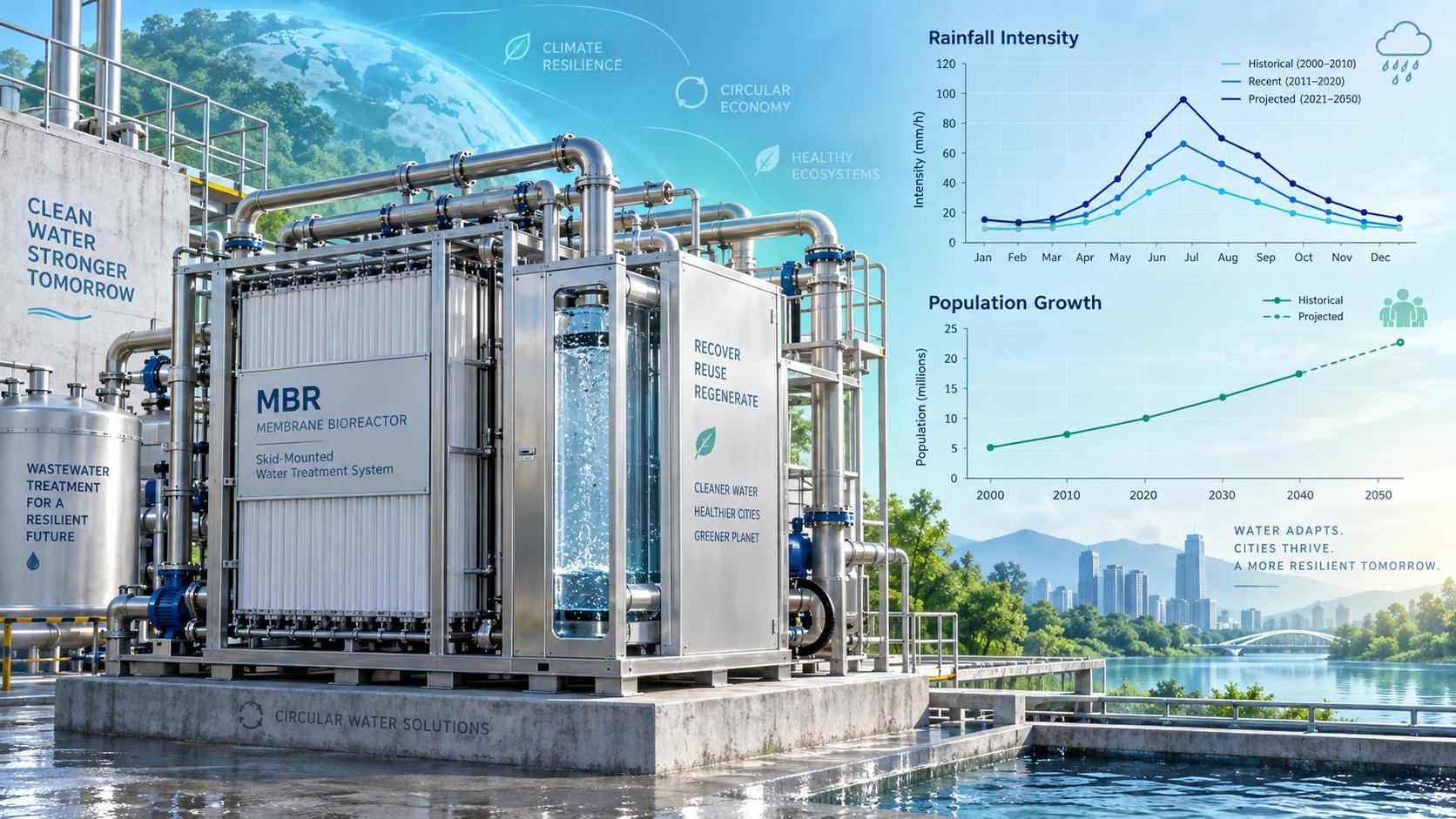
 Sewage Treatment Plant Capacity Planning for Climate-Resilient Infrastructure: Accounting for Rainfall Variability and Population Growth
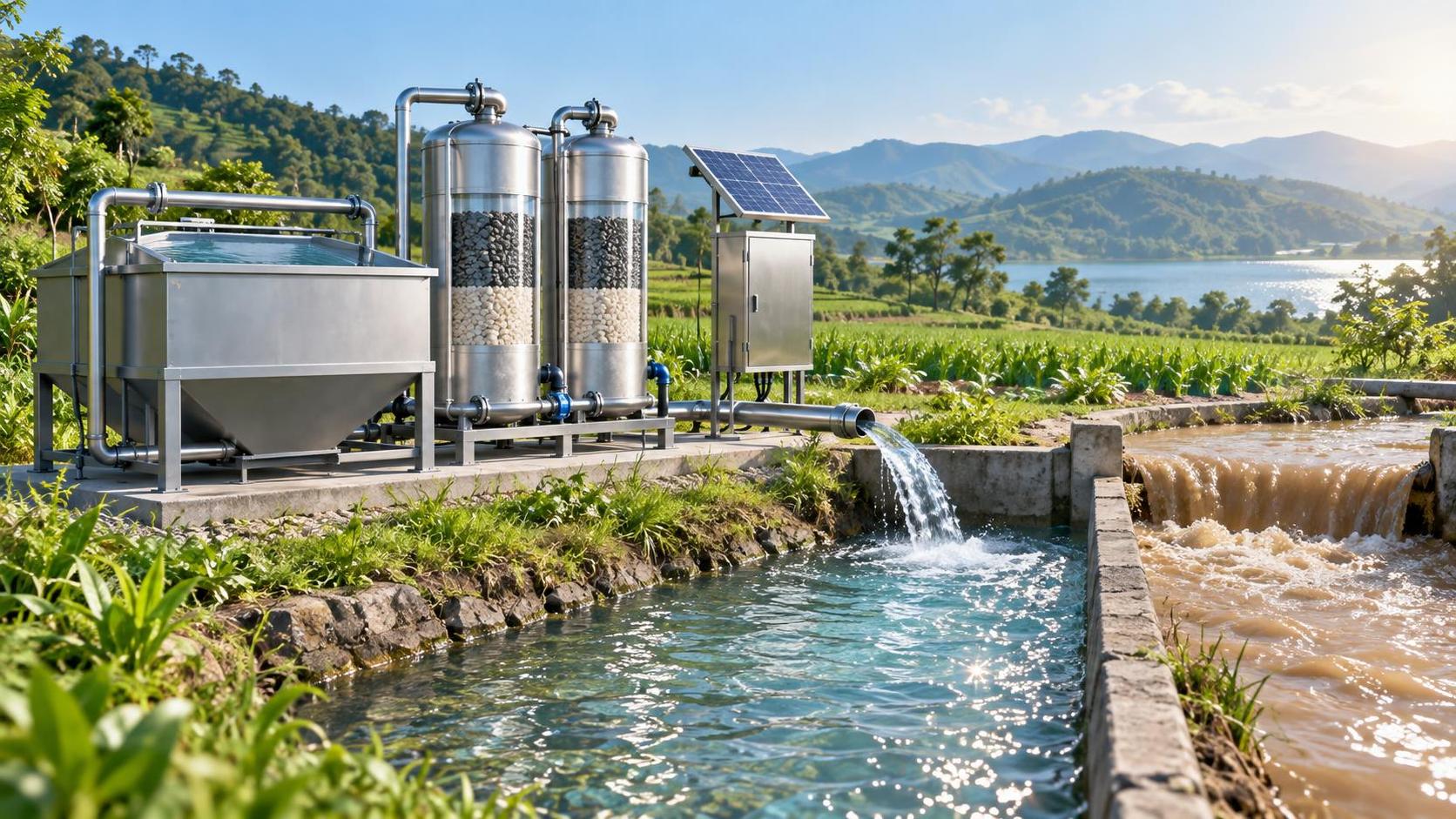
 Small Water Purification System Performance Under Variable Turbidity: Real-World Data from Off-Grid Agricultural Communities
 When Does a Small Water Purification System Outperform Centralized Treatment? Use Cases in Disaster Response and Mining Camps
 Small Water Purification System for Remote Clinics: Power-Independent Options and WHO Drinking Water Guidelines Compliance
 Ultrapure Water Equipment ROI Calculator: Estimating Payback Period Based on Yield Improvement and Defect Reduction
GET A FREE QUOTE
Service Commitment: Upon receipt of your message, a dedicated representative will contact you as soon as possible to provide efficient and professional service support.
