







Sewage Treatment Plant Capacity Planning for Climate-Resilient Infrastructure: Accounting for Rainfall Variability and Population Growth
As climate-driven rainfall variability intensifies and urban populations surge, sewage treatment plant capacity planning can no longer rely on historical averages alone. For enterprise decision-makers overseeing infrastructure resilience, accurately forecasting future demand—balancing extreme wet-weather inflows with long-term demographic growth—is critical to avoiding system failure, regulatory penalties, and costly retrofits. Traditional static design approaches often underestimate peak hydraulic loads during intense storms while overestimating average daily flow under shifting population dynamics. The result? Frequent bypass events, sludge bulking, effluent non-compliance, and deferred capital expenditures that compound risk over time.
Why Historical Flow Data Alone Fails Today
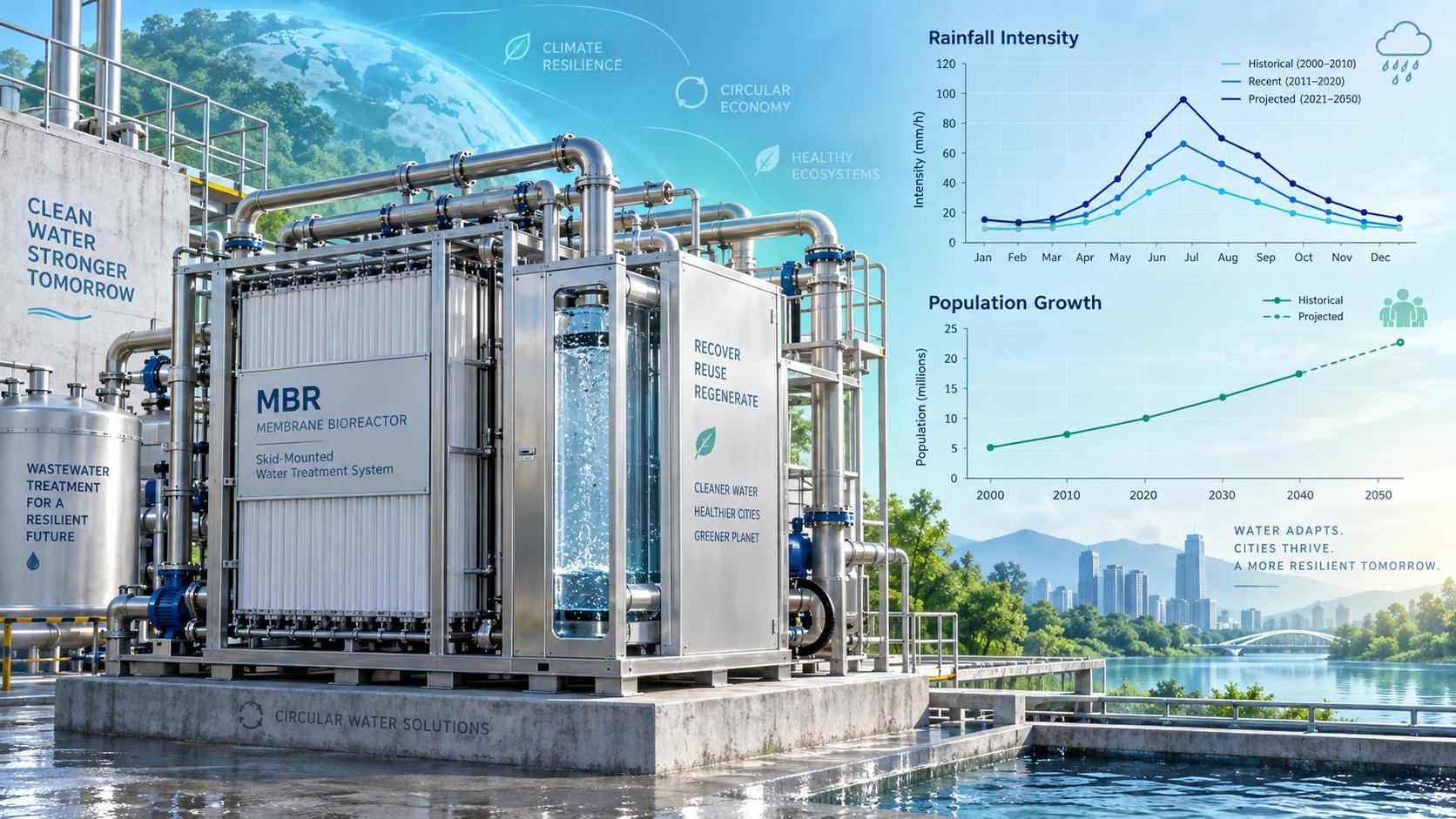
Most legacy capacity models use 10–20 years of average dry-weather flow (DWF) and peak wet-weather flow (WWF) data, calibrated against fixed population projections. But in regions experiencing both accelerated urbanization and more frequent high-intensity rainfall events—such as Shandong Province’s coastal municipalities—this approach breaks down. Rainfall intensity has increased by up to 18% in the past decade across key eastern Chinese watersheds, while annual population growth in tier-2 cities exceeds 2.3%. These trends interact nonlinearly: a 25-year storm event now delivers 40% more runoff volume than it did in 2005, yet the same infrastructure must handle both that surge *and* steadily rising base flows from new residential and commercial developments.
Three Non-Negotiable Inputs for Climate-Adaptive Sizing
Effective capacity planning now requires integrating three dynamic inputs—not just one:
- Hydroclimatic uncertainty bands: Instead of single-point rainfall return period estimates, use probabilistic IDF curves derived from regional climate model ensembles (e.g., CMIP6 RCP 4.5/8.5), downscaled to sub-basin level. This generates low-, medium-, and high-risk inflow envelopes—not fixed design storms.
- Granular population trajectory modeling: Move beyond city-wide census projections. Layer zoning-level land-use plans, housing permit data, and commercial floor-area forecasts to allocate growth spatially—and thus hydraulically—across catchment subareas.
- Real-time asset performance baselines: SCADA data from existing plants reveals actual wet-weather infiltration/inflow (I/I) ratios, pump station response lags, and clarifier settling efficiency under stress. These observed constraints—not theoretical design specs—anchor the upper bound of feasible expansion.
Operational Thresholds That Trigger Reassessment
Capacity planning isn’t a one-time exercise. Decision-makers should re-evaluate design assumptions when any of these thresholds are crossed:
- Wet-weather overflow frequency exceeds 1.5 events per year at any outfall point;
- Dry-weather flow at the headworks increases >8% year-over-year for three consecutive years;
- Peak hourly flow during a 10-year storm exceeds 90% of nominal design capacity for >2 hours;
- Sludge retention time falls below 18 hours during sustained wet-weather operation.
These aren’t abstract metrics—they’re operational red flags indicating the current hydraulic and biological envelope is being exceeded. Ignoring them invites regulatory scrutiny and forces reactive, higher-cost interventions like emergency pumping or off-site sludge hauling.
Modular, Scalable Infrastructure as a Planning Enabler
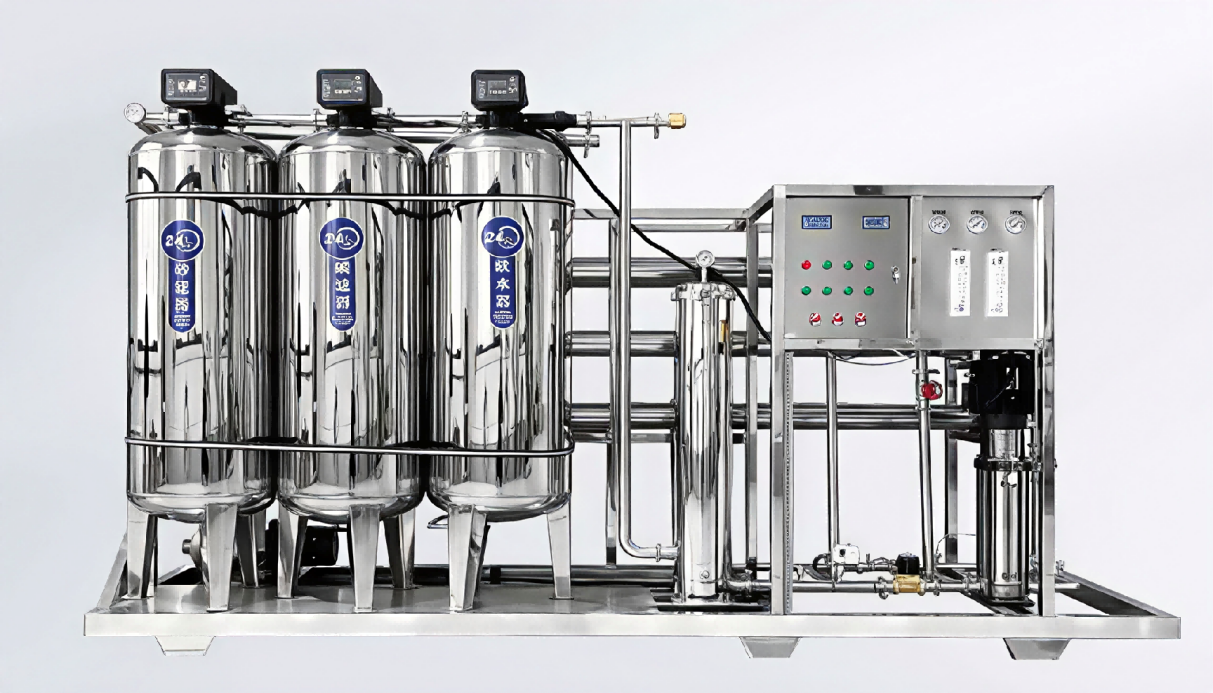
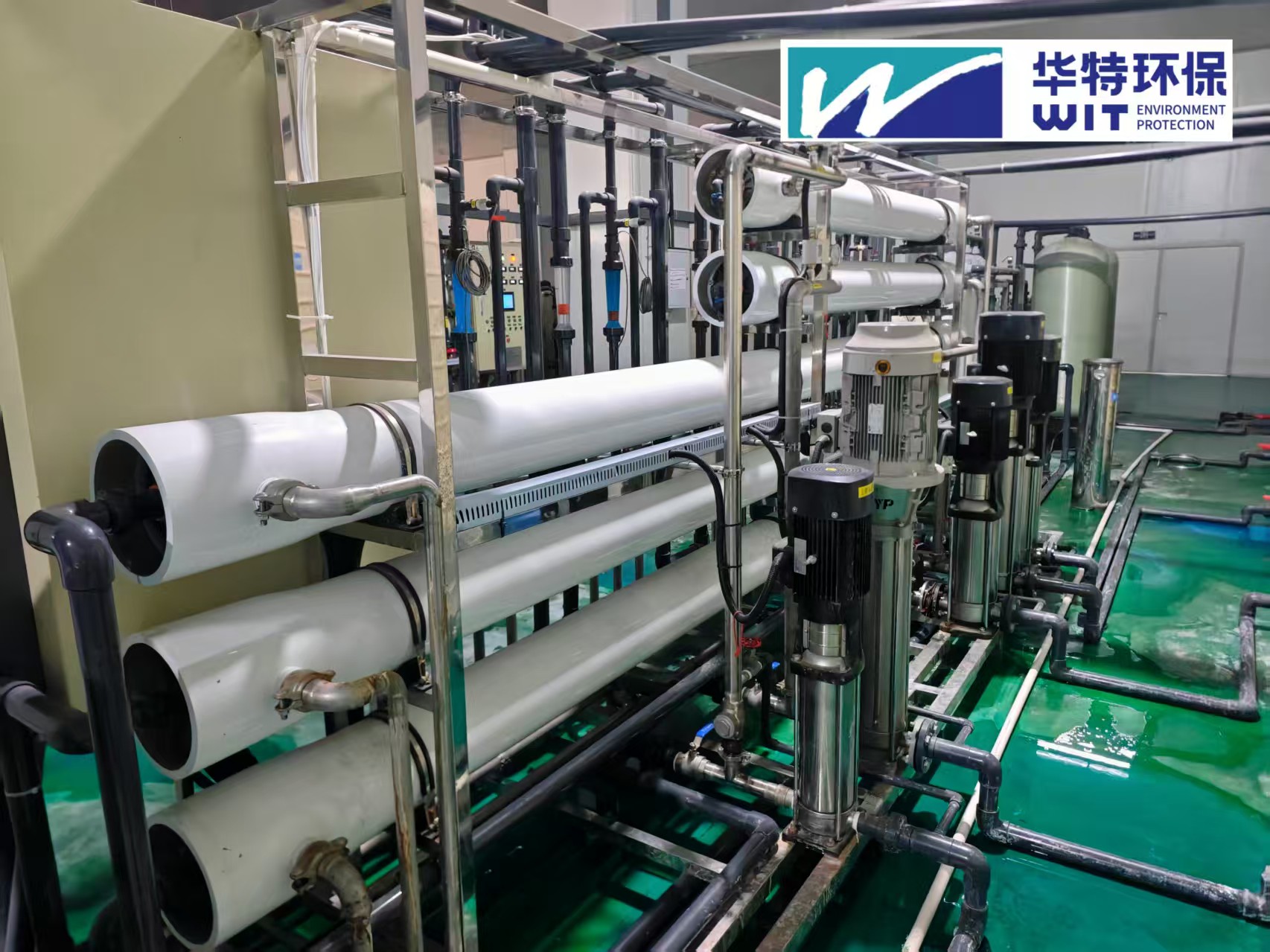
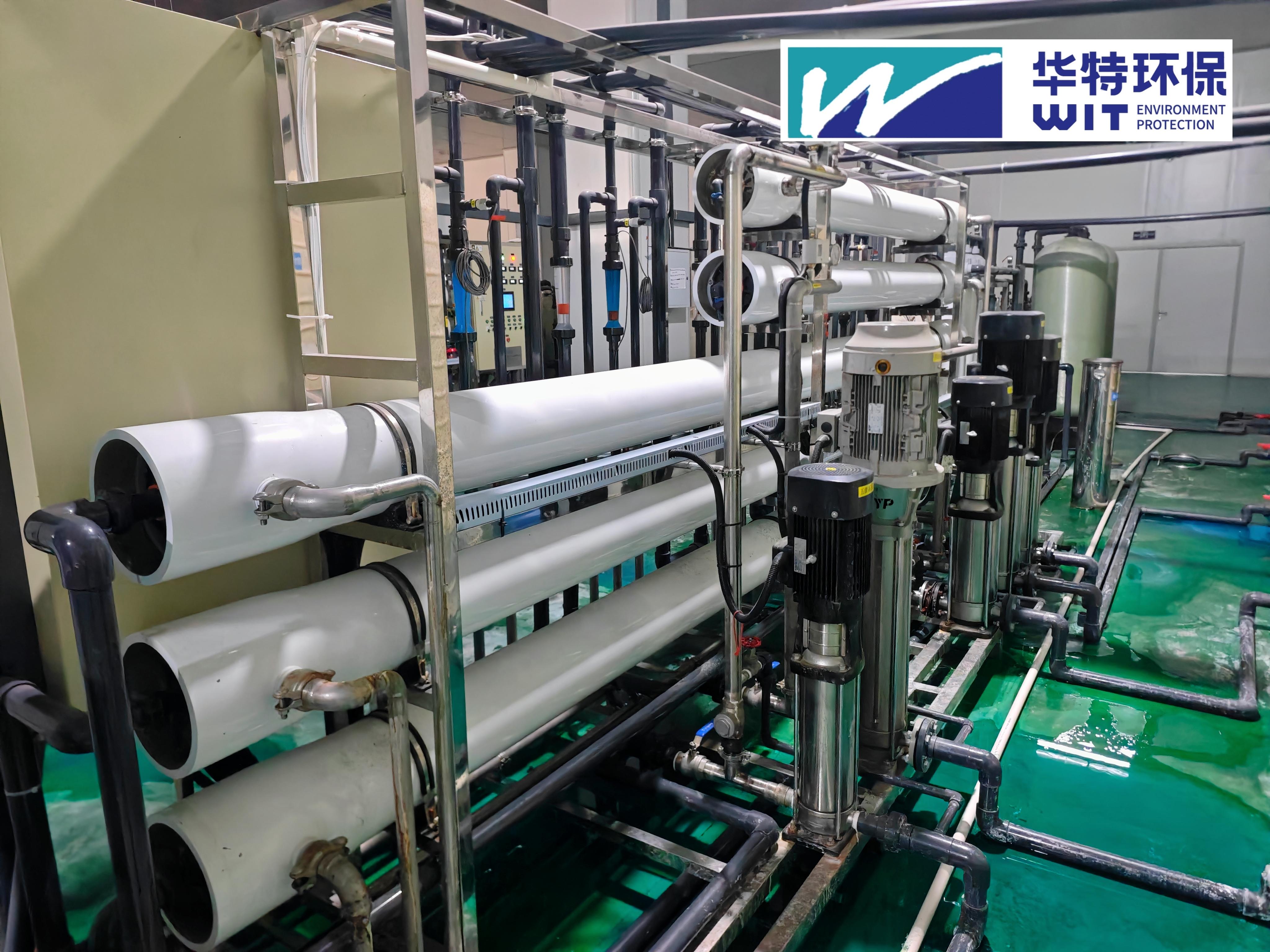
When retrofitting aging plants or designing new ones, flexibility matters more than maximum initial capacity. Fixed concrete infrastructure locks in assumptions that may be obsolete within five years. Instead, modular systems allow staged deployment aligned with verified demand signals. For example, the Industrial & Commercial Water Purification Treatment Equipment (Skid-mounted Integrated Type) supports rapid commissioning of parallel treatment trains—each sized to match incremental population growth or seasonal industrial discharge spikes—without civil works delays. Its pre-engineered skids integrate primary clarification, MBR membranes, and chlorine dioxide disinfection in a footprint 40% smaller than conventional builds, reducing land acquisition risk in dense urban corridors.
Where Engineering Judgment Still Decides
No algorithm replaces site-specific judgment. Key decisions that remain human-led include: selecting the appropriate I/I correction factor for aging sewer networks (0.5–3.0 L/s/ha depending on joint condition and groundwater table depth); defining acceptable effluent variability during extreme events (e.g., permitting temporary TSS excursions only if nitrification remains stable); and prioritizing upgrades between headworks screening, secondary biological capacity, and tertiary disinfection based on local receiving water sensitivity. These require cross-disciplinary review—not just hydraulic modeling.
Climate-resilient capacity planning is not about predicting the future with certainty. It’s about building decision frameworks that respond reliably to observed shifts—using real data, bounded uncertainty, and infrastructure that evolves with the system it serves. For municipal authorities and industrial operators facing tightening compliance windows and volatile hydrologic conditions, the priority is no longer “how big?” but “how adaptable?”



 Sewage Treatment Plant Capacity Planning for Climate-Resilient Infrastructure: Accounting for Rainfall Variability and Population Growth
 Small Water Purification System Performance Under Variable Turbidity: Real-World Data from Off-Grid Agricultural Communities
 When Does a Small Water Purification System Outperform Centralized Treatment? Use Cases in Disaster Response and Mining Camps
 Small Water Purification System for Remote Clinics: Power-Independent Options and WHO Drinking Water Guidelines Compliance
 Ultrapure Water Equipment ROI Calculator: Estimating Payback Period Based on Yield Improvement and Defect Reduction
 How Ultrapure Water Equipment Validates Compliance with SEMI F63-1118 for 28nm+ Wafer Fabrication
GET A FREE QUOTE
Service Commitment: Upon receipt of your message, a dedicated representative will contact you as soon as possible to provide efficient and professional service support.
