Welcome to Shandong Wit Environmental Protection Technology Co.Ltd








Sodium Chlorite Generator Certification Pathways: NSF/ANSI 60 vs. EN 12904 for Municipal vs. Industrial Applications
Sep 26, 2026
Selecting the right certification for your Sodium Chlorite Generator is critical—especially when balancing municipal safety compliance with industrial performance demands. For quality control and safety professionals, understanding the distinct requirements of NSF/ANSI 60 (U.S. drinking water standard) versus EN 12904 (European industrial chemical regulation) directly impacts system approval, operational risk, and project scalability. At Shandong Wit Environmental Protection Technology Co., Ltd.—a SASAC-affiliated leader in chlorine dioxide generation and water treatment—we bridge this gap with certified, field-proven Sodium Chlorite Generators engineered for both regulatory rigor and real-world resilience.
Let’s start with a quiet but consequential reality: not all Sodium Chlorite Generators are built—or tested—for the same mission. A unit deployed at a municipal water plant faces scrutiny rooted in human health protection: trace contaminants, leaching metals, residual byproducts—all must meet strict thresholds before entering public supply lines. Meanwhile, an industrial facility treating cooling tower water or pulp bleaching effluent prioritizes stability under variable pH, high chloride loads, and continuous operation—not necessarily the same toxicological benchmarks. Confusing these contexts isn’t just inefficient; it risks non-compliance, rework, or worse, unintended exposure pathways.
NSF/ANSI 60 exists to answer one question: *Is this material safe when it contacts drinking water?* It focuses on extraction testing—how much antimony, arsenic, or chlorate migrates from generator components into water over time. Certification requires full formulation disclosure, third-party leaching analysis, and ongoing surveillance of manufacturing consistency. Crucially, it applies only to systems *intended for potable use*. That means even if your Sodium Chlorite Generator uses identical chemistry and engineering as a municipal-grade unit, applying it downstream of a certified point-of-entry system without NSF/ANSI 60 validation may invalidate your entire water safety plan.
EN 12904, by contrast, speaks the language of industrial process integrity. It governs the production, handling, and dosing of chlorine dioxide precursors—including sodium chlorite—in non-potable applications. Rather than leaching limits, it emphasizes concentration accuracy, feed stability across temperature swings, and resistance to crystallization or degradation during storage. Its scope includes equipment design validation, material compatibility with concentrated solutions, and documentation of batch traceability—critical when managing large-scale disinfection in textile mills or food processing plants.
Where things get nuanced—and where many teams pause—is at the interface. Consider a regional wastewater reuse scheme: treated effluent meets irrigation standards but isn’t classified as drinking water. Does NSF/ANSI 60 apply? Not automatically—but regulators increasingly reference its principles for indirect potable reuse pathways. Similarly, EN 12904 doesn’t prohibit use in municipal settings, yet its absence of human health endpoints makes it insufficient alone for tap water applications. This gray zone is where technical judgment matters most: not just *what* standard applies, but *why*, *under which conditions*, and *who ultimately bears accountability*.
At Shandong Wit, our Sodium Chlorite Generators undergo dual-path validation—not as marketing rhetoric, but as operational necessity. For municipal clients, we align with NSF/ANSI 60 through component-level testing, formulation transparency, and collaboration with accredited U.S. laboratories. For industrial partners across Europe and Southeast Asia, we embed EN 12904-aligned controls: precision metering calibration protocols, corrosion-resistant wetted materials validated against 25% sodium chlorite solutions, and digital loggers that capture feed rate variance over 72-hour stress cycles. Our engineering team doesn’t treat certification as a checkbox—it’s a lens for design refinement.
One practical implication often overlooked? Maintenance access and serviceability affect long-term compliance. A generator certified to either standard can drift out of spec if seals degrade, sensors drift, or feed lines clog unnoticed. That’s why we integrate predictive diagnostics—not just alarms—into control interfaces, enabling proactive recalibration before deviation triggers audit flags. And for facilities managing multiple water streams—say, boiler feed + landscape irrigation—we recommend modular architectures that isolate certified subsystems, reducing cross-contamination risk and simplifying renewal audits.
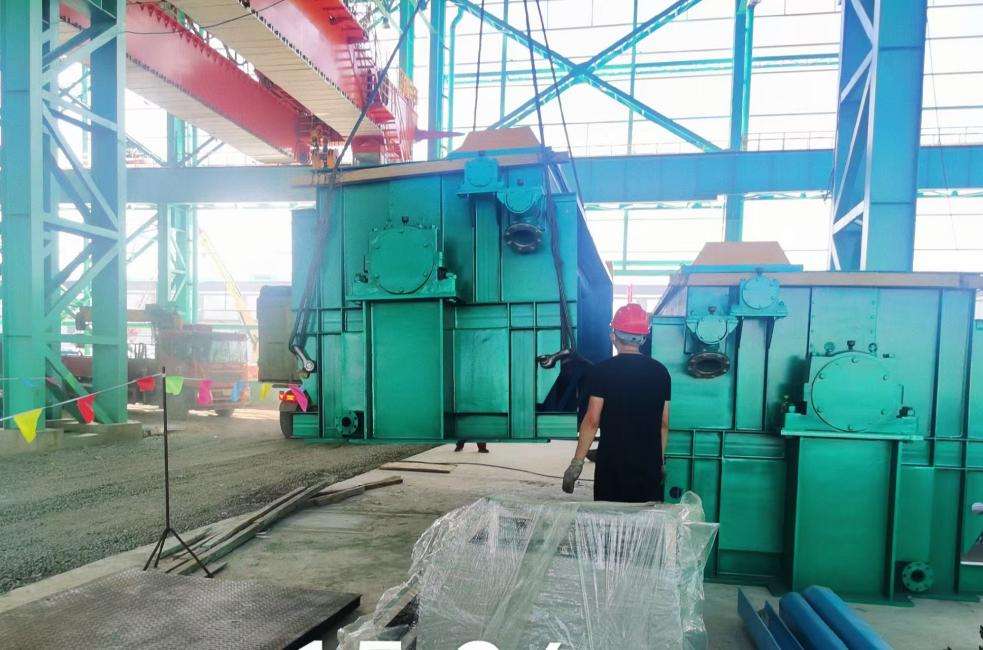
It’s also worth noting how adjacent technologies influence certification strategy. For example, solid-state sodium chlorite dissolution units require different validation logic than liquid-feed generators—particularly around particulate carryover and mixing homogeneity. Likewise, co-located equipment like Centrifuge (Skid-mounted, Continuous-flow, Horizontal Scroll Decanter Type) systems used in sludge dewatering upstream of disinfection may alter influent chemistry enough to shift generator performance envelopes—requiring revalidation under original standards.
Ultimately, choosing between NSF/ANSI 60 and EN 12904 isn’t about picking “better” or “worse.” It’s about matching intent with evidence. Municipal safety managers need defensible health-based data. Industrial reliability leads need robustness metrics—pressure drop tolerance, thermal cycling endurance, failure mode analysis. Both paths demand rigorous documentation, but the questions they answer differ fundamentally.
When you’re evaluating a Sodium Chlorite Generator—not just for today’s project, but for tomorrow’s expansion or regulatory update—ask not only *which standard it meets*, but *how its design anticipates the next layer of scrutiny*. Because compliance isn’t static. It evolves with science, policy, and stakeholder expectations. And the most resilient systems aren’t those that barely pass—they’re the ones built to explain *why* they should.



Previous:No more content
Next:No more content
News Recommended
 Sodium Chlorite Generator Certification Pathways: NSF/ANSI 60 vs. EN 12904 for Municipal vs. Industrial Applications
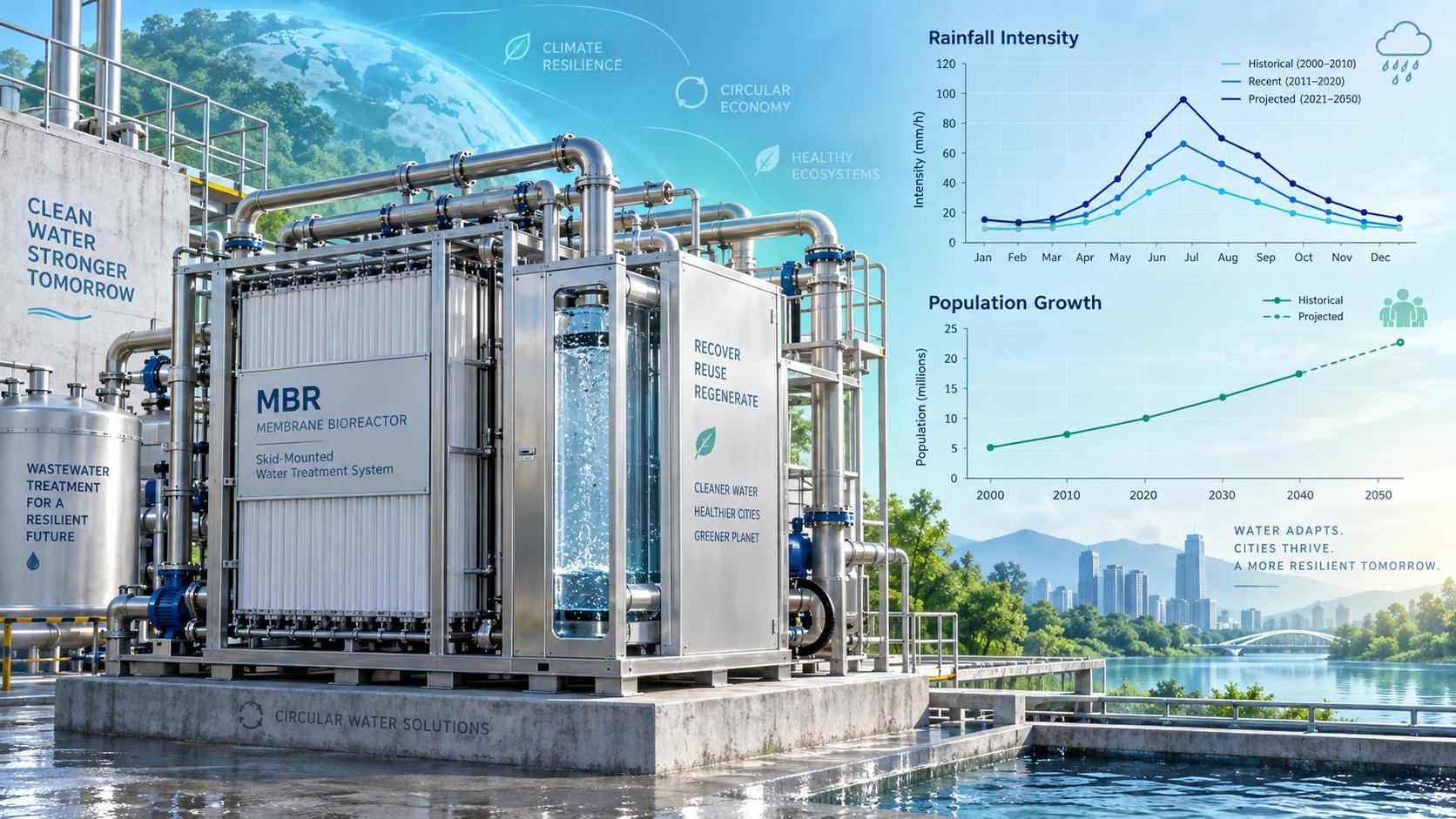
 Sewage Treatment Plant Capacity Planning for Climate-Resilient Infrastructure: Accounting for Rainfall Variability and Population Growth
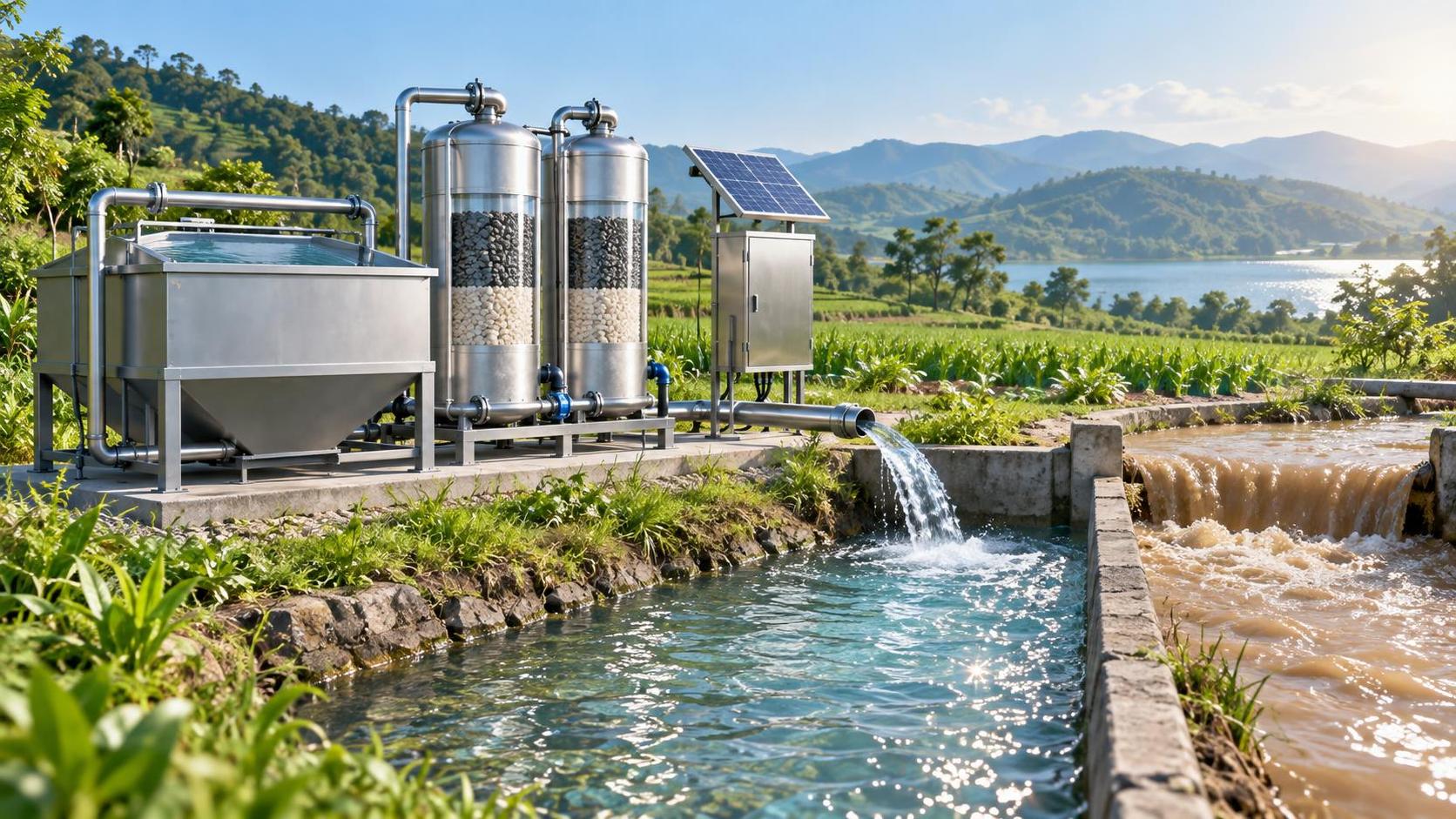
 Small Water Purification System Performance Under Variable Turbidity: Real-World Data from Off-Grid Agricultural Communities
 When Does a Small Water Purification System Outperform Centralized Treatment? Use Cases in Disaster Response and Mining Camps
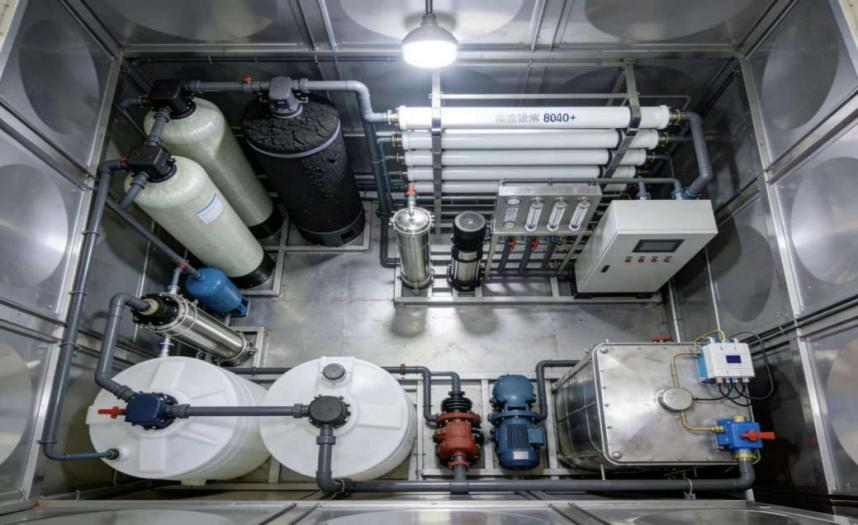
 Small Water Purification System for Remote Clinics: Power-Independent Options and WHO Drinking Water Guidelines Compliance
 Ultrapure Water Equipment ROI Calculator: Estimating Payback Period Based on Yield Improvement and Defect Reduction
GET A FREE QUOTE
Service Commitment: Upon receipt of your message, a dedicated representative will contact you as soon as possible to provide efficient and professional service support.
