







What is a skid in wastewater treatment?
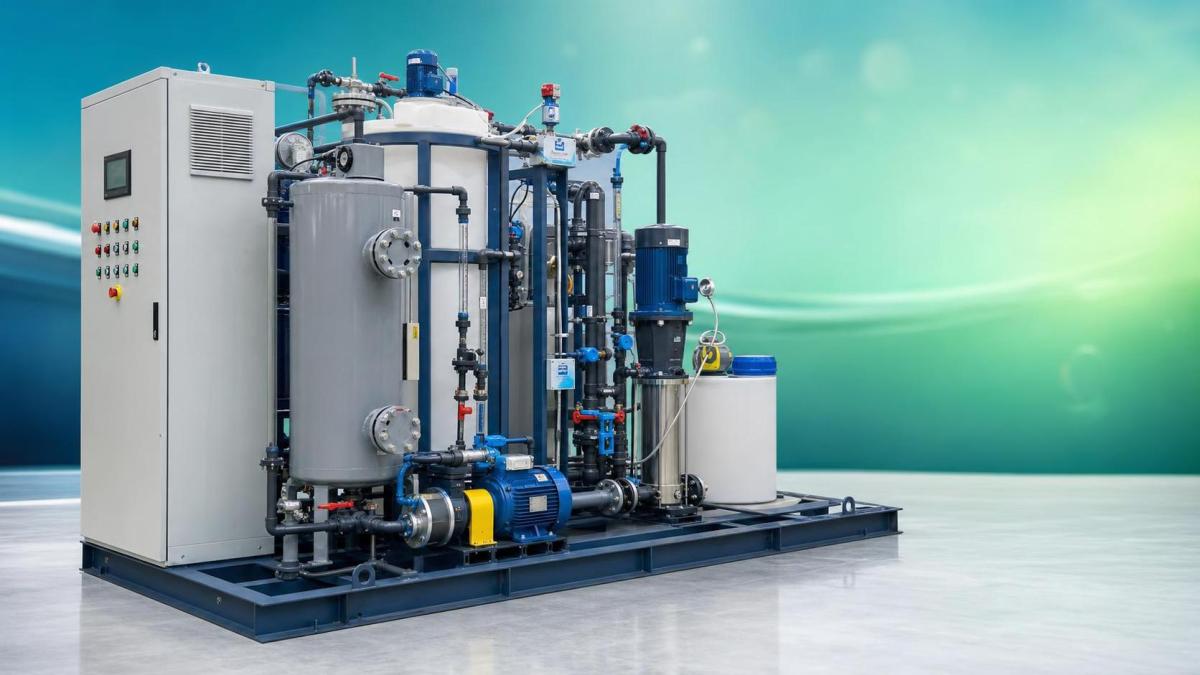
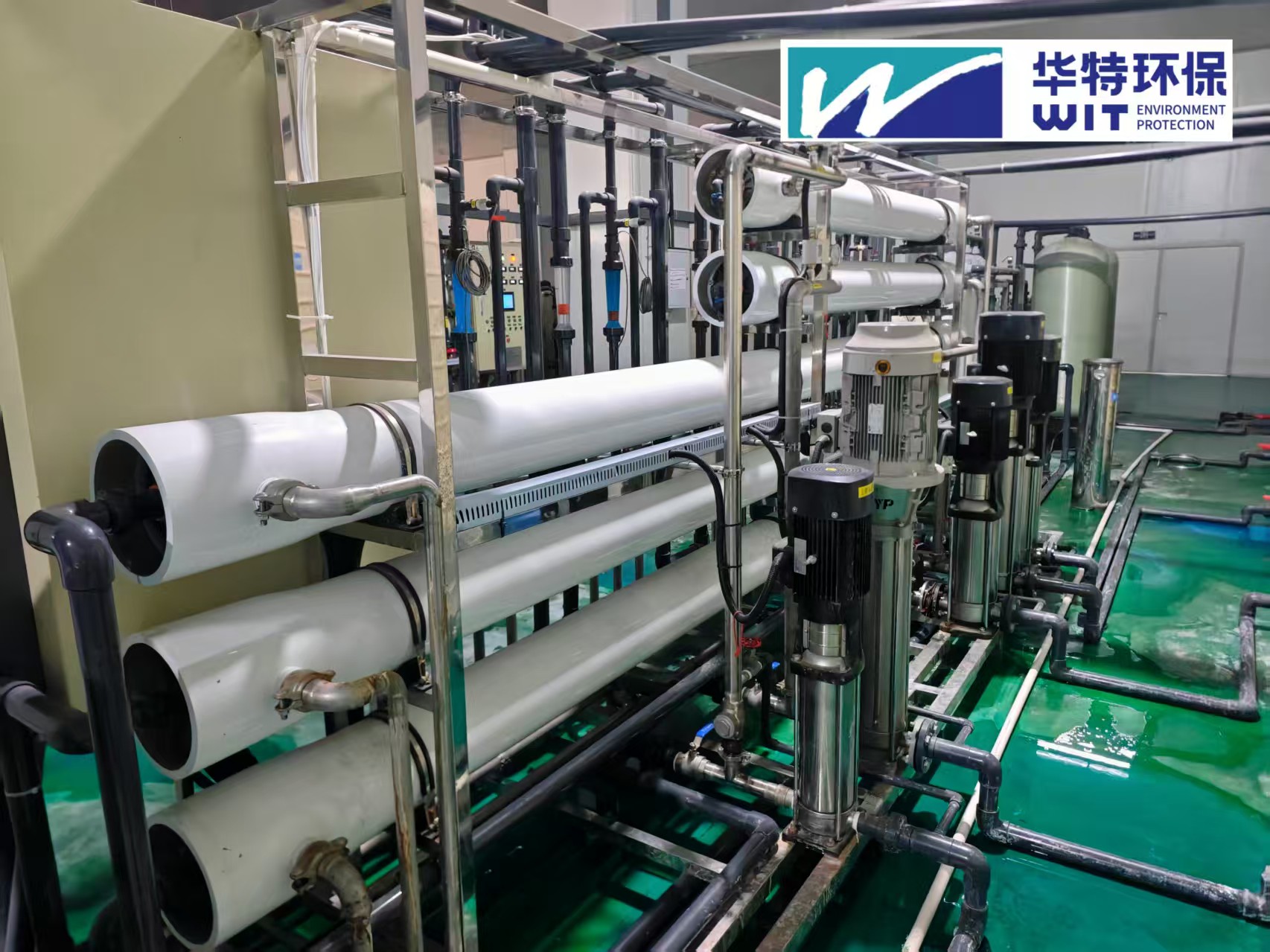
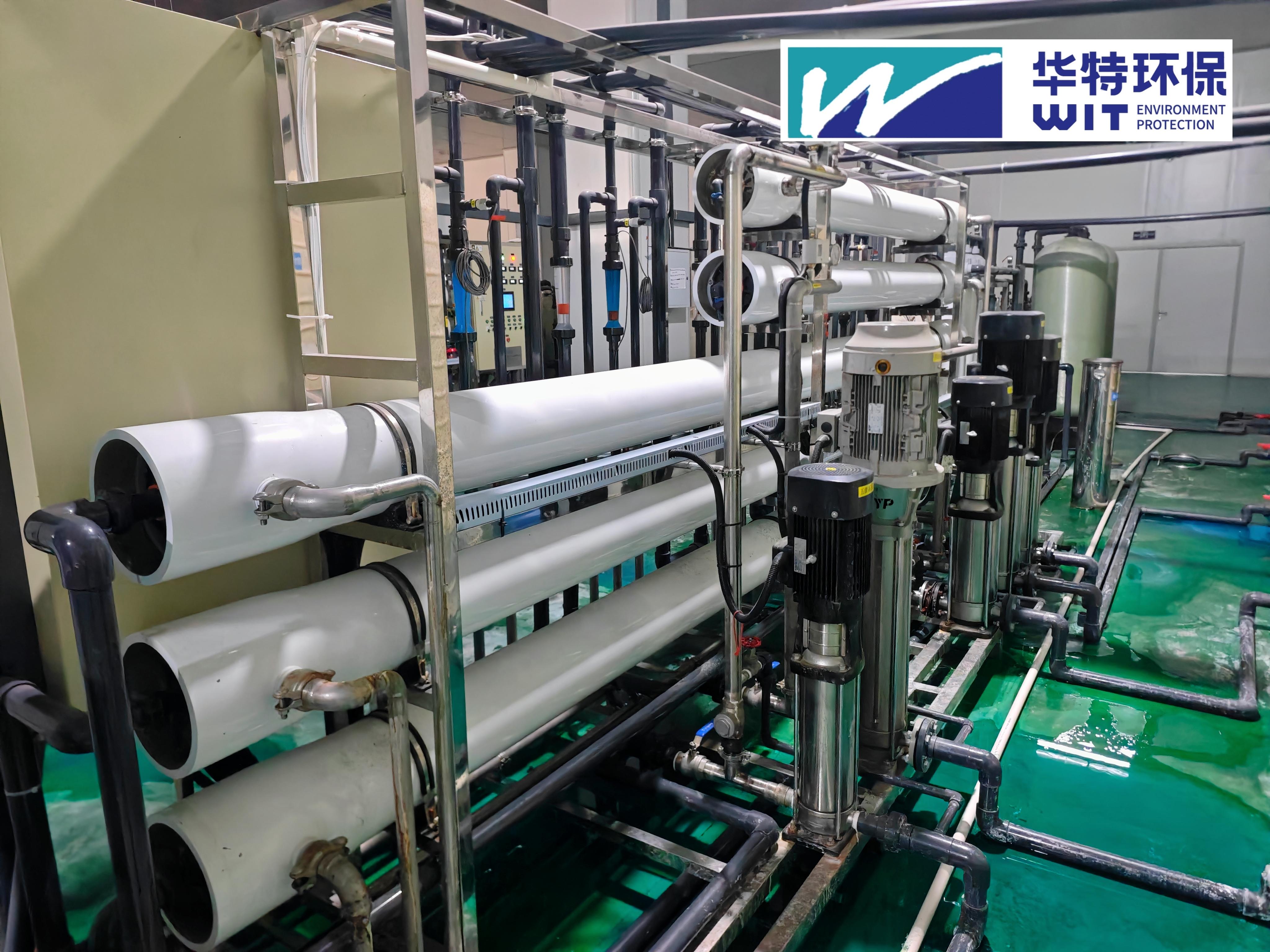
In wastewater treatment, a skid is a prefabricated process unit built on a steel frame or base, with pumps, tanks, valves, instruments, piping and electrical controls assembled as one package before it reaches the site. That sounds simple, but in practice it changes how a plant is delivered, installed and operated. For many municipal and industrial projects, the real value of a skid is not just compactness. It is the fact that a piece of treatment logic arrives already integrated, tested and easier to connect to the rest of the system.
People often ask this question when they are comparing a traditional stick-built plant with a modular solution. In a conventional build, individual components are shipped separately and assembled on site. A skid, by contrast, is closer to a treatment “block.” It may handle dosing, disinfection, filtration, sludge conditioning, chemical preparation, membrane pretreatment or even a small full-process package, depending on the application.
What a skid usually includes
A wastewater treatment skid is not defined by one specific process. It is defined by how the process is packaged. A typical skid may include:
- Mechanical equipment such as pumps, mixers or blowers
- Process piping and valves
- Instrumentation for flow, pressure, pH, ORP or level monitoring
- Electrical panels and PLC-based controls
- A structural frame for transport and installation
That last point matters more than many buyers expect. A skid is not merely equipment placed close together. It is arranged so it can be lifted, transported, connected and maintained with fewer surprises. Good skid design also considers maintenance clearance, chemical safety, drainage, cable routing and whether operators can actually reach valves and instruments without turning routine work into a nuisance.
Why skid-mounted systems are common in modern treatment projects
The main reason is project efficiency. In municipal wastewater upgrades, industrial expansion and decentralized treatment, schedule pressure is often real. A skid can be fabricated while civil works are still ongoing, which shortens overall delivery time. It also reduces the amount of field assembly, and that usually means fewer interface problems between mechanical, electrical and instrumentation teams.
There is also a quality-control advantage. Factory assembly allows better consistency than trying to build everything outdoors in changing site conditions. Leak testing, wiring checks and control logic verification are easier to manage before shipment. That does not eliminate commissioning work, but it tends to make startup more predictable.
For sites with limited footprint, skids can be especially useful. Older municipal plants, food processing workshops, aquaculture facilities and remote industrial sites often do not have the luxury of large equipment rooms. In those cases, modular integration is not a design preference; it is sometimes the only practical route.
Where skids fit in wastewater treatment
A skid can appear almost anywhere in the treatment train, but it is most common where process equipment needs to work as a tightly controlled subsystem. Chemical dosing skids are a familiar example, especially for pH adjustment, phosphorus removal, coagulant or disinfectant preparation. Disinfection packages are another. Companies with chlorine dioxide expertise, for instance, often integrate generation, dosing and safety control into skid-mounted systems because those functions need reliable coordination.
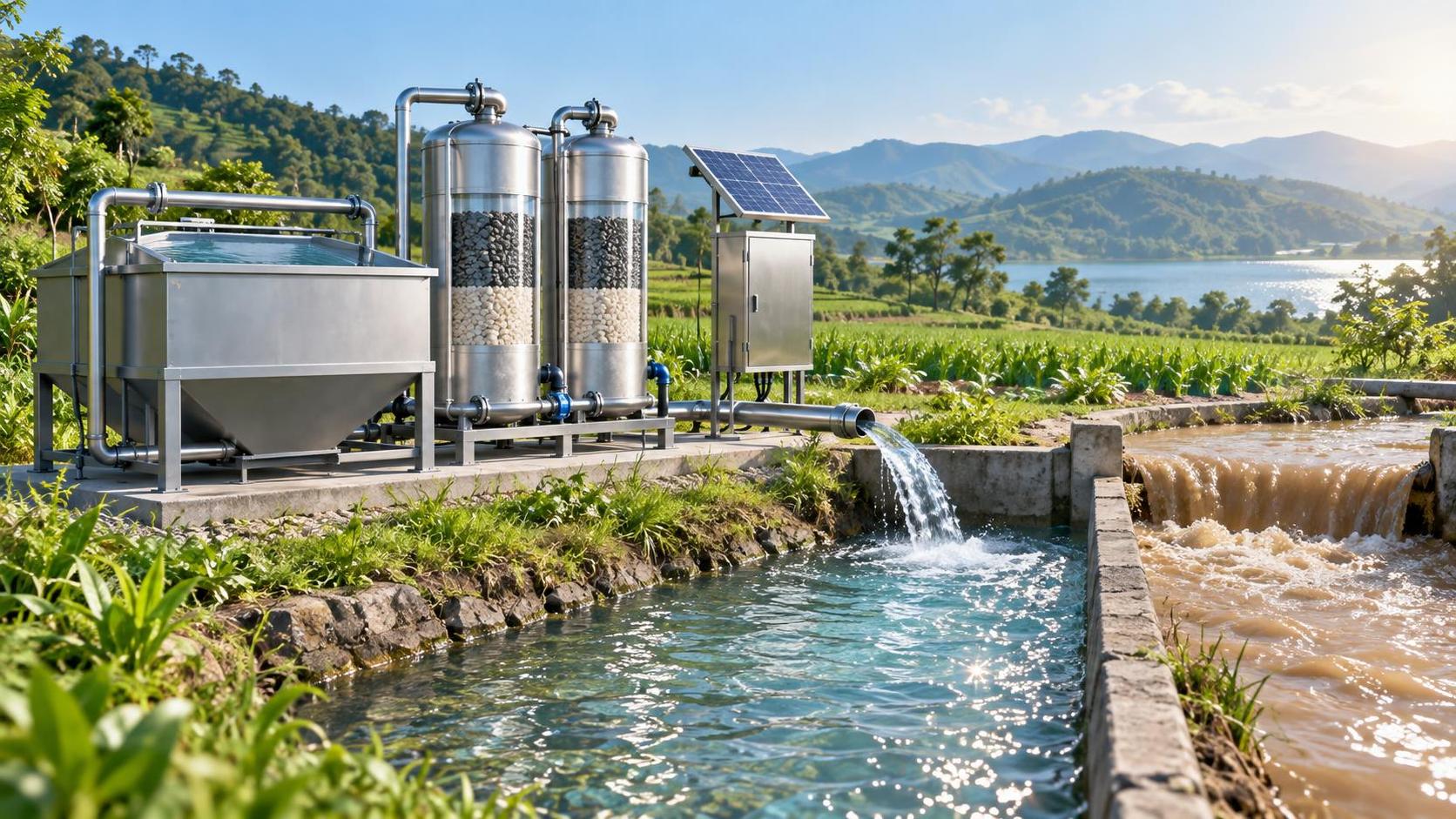
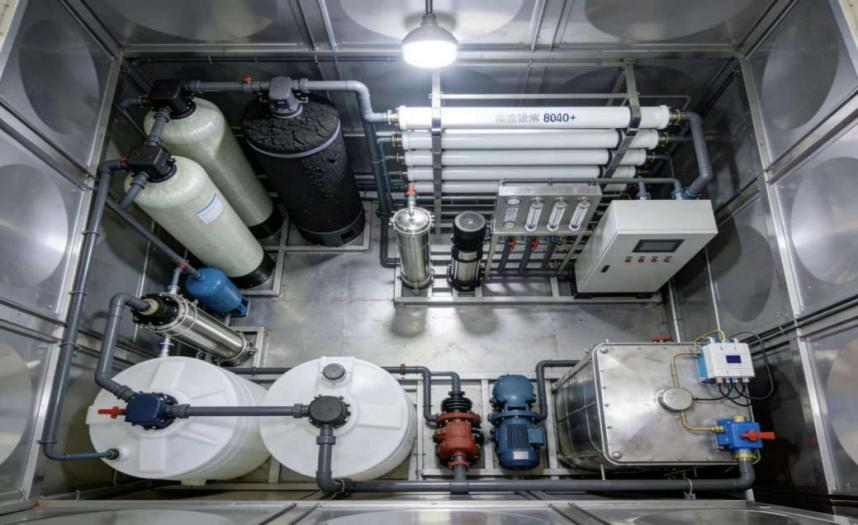
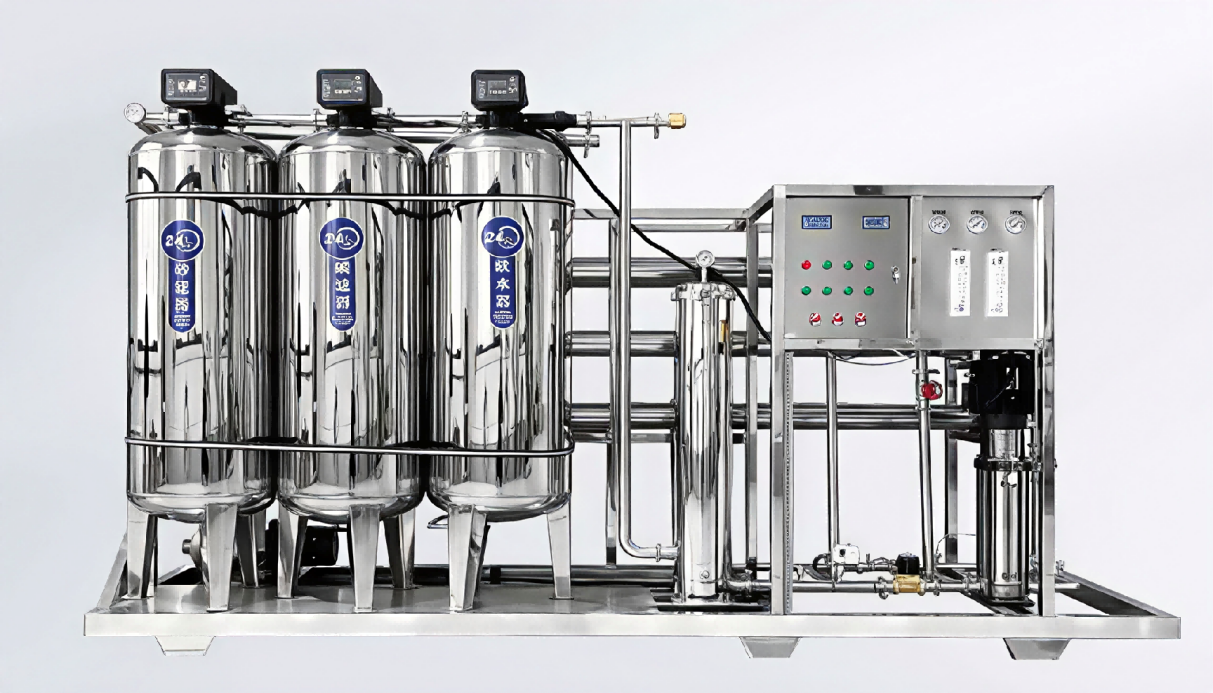
Pretreatment and polishing stages are also good candidates. Filtration skids, membrane pretreatment skids and compact reuse units are increasingly used where water quality targets are clear but installation conditions are constrained. In smaller projects, a skid may even carry an integrated purification package such as Small-Sized Integrated Skid-Mounted Water Purification Treatment Equipment, particularly when fast deployment matters more than building a large permanent structure from scratch.
But a skid is not automatically the best choice
This is where experience matters. Skid-mounted equipment is attractive, but it is not a universal answer. If the process flow is very large, highly customized or heavily dependent on site-specific civil integration, modularization can become awkward. Transport limitations may constrain tank size or equipment dimensions. Maintenance access can also be compromised if the package is designed too densely.
Another common misunderstanding is assuming that “factory-built” means “plug and play.” In reality, every skid still depends on site utilities, influent variability, local standards, operator capability and a realistic commissioning plan. Wastewater is rarely as stable as a brochure makes it look. If influent load fluctuates sharply, or if the wastewater contains fouling components, oils, fibers or scaling compounds, the skid has to be designed around those conditions rather than around a generic process sketch.
What to check before choosing a skid system
A useful first question is not “How compact is it?” but “What problem is this skid solving?” Sometimes the answer is faster construction. Sometimes it is safer chemical handling. Sometimes it is easier expansion in phases. Once that is clear, a few checks become more important than appearance:
- Whether the design basis matches actual wastewater characteristics, not ideal samples
- How much pre-assembly and factory testing is included
- What site connections are required for power, drainage, ventilation and control integration
- How operators will maintain pumps, instruments and valves after installation
- Whether the skid can be expanded or modified if discharge standards change
It is also worth checking who is behind the process integration, not just the hardware. In wastewater treatment, the frame is the visible part; the process judgment is the harder part. An experienced supplier usually thinks beyond fabrication and asks about influent changes, chemical supply, operator training, startup sequence and long-term running stability.
Why engineering background makes a difference
This is one reason companies with broad environmental engineering experience tend to approach skids differently from pure equipment traders. Shandong Wit Environmental Protection Technology Co., Ltd, for example, works across wastewater treatment, chlorine dioxide generation, ecological restoration and related environmental projects, with more than ten years of water treatment experience and participation in a wide range of municipal, industrial and aquaculture applications. That kind of background usually leads to a more practical question set: not only what equipment should be mounted, but how the skid will behave once it enters a real project with real operators and real water quality fluctuations.
Its involvement in research collaboration and engineering contracting also points to something the market often overlooks: modular equipment still needs process discipline. A skid can save time and space, but if chemical compatibility, hydraulic balance or control logic are treated casually, the compact layout simply concentrates the problems into a smaller footprint.
A practical way to think about skids
So, what is a skid in wastewater treatment? It is best understood as a pre-engineered treatment module that packages a defined function into a transportable, installable unit. Its strength is integration. Its risk is oversimplification when buyers assume all skids are equivalent.
If the wastewater characteristics are reasonably understood, the site is constrained, and the project needs faster delivery with cleaner installation, a skid-mounted solution is often a smart option. If the process is highly variable or the site interfaces are still vague, it is worth slowing down and reviewing the design basis before committing. In this field, the skid itself is not the decision. The match between the skid and the treatment job is.



 Small Water Purification System Performance Under Variable Turbidity: Real-World Data from Off-Grid Agricultural Communities
 When Does a Small Water Purification System Outperform Centralized Treatment? Use Cases in Disaster Response and Mining Camps
 Small Water Purification System for Remote Clinics: Power-Independent Options and WHO Drinking Water Guidelines Compliance
 Ultrapure Water Equipment ROI Calculator: Estimating Payback Period Based on Yield Improvement and Defect Reduction
 How Ultrapure Water Equipment Validates Compliance with SEMI F63-1118 for 28nm+ Wafer Fabrication
") Ultrapure Water Equipment for Semiconductor Manufacturing: Key Specifications Beyond Resistivity (TOC, Particle Count, Metals)
Ultrapure Water Equipment for Semiconductor Manufacturing: Key Specifications Beyond Resistivity (TOC, Particle Count, Metals)
GET A FREE QUOTE
Service Commitment: Upon receipt of your message, a dedicated representative will contact you as soon as possible to provide efficient and professional service support.
