






What are the five different types of water purification systems?
Understanding the five different types of water purification systems is less about memorizing equipment names and more about knowing what problem each system is meant to solve. Clear-looking water may still contain dissolved salts, trace organics, pathogens, ammonia, iron, manganese, or industrial contaminants. That is why a purification method that works well for a household sink may be completely inadequate for a municipal reuse project or an industrial process line.
In practical water treatment work, the right answer usually depends on source water quality, discharge or reuse targets, operating stability, chemical compatibility, and maintenance capacity. Companies with long-term project experience in municipal wastewater, industrial wastewater, aquaculture wastewater, and ecological restoration tend to look at purification as a treatment train rather than a single device. That broader view matters.
1. Activated carbon filtration
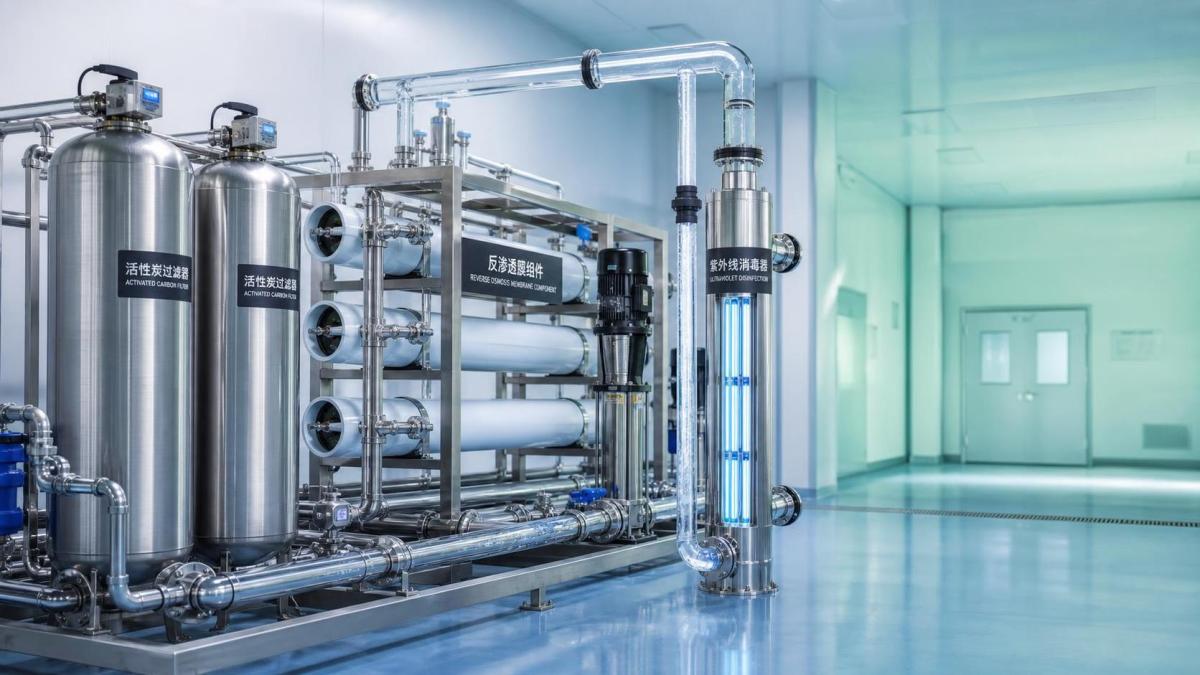
Activated carbon systems are widely used when the main concern is taste, odor, residual chlorine, and certain organic compounds. The carbon’s porous structure adsorbs contaminants rather than “destroying” them, which is an important distinction. If influent water contains a heavy particulate load, oil, or biological fouling potential, carbon can lose effectiveness faster than many buyers expect.
This type of purification is common as a polishing step after pre-filtration or before membrane treatment. In industrial and municipal settings, it may also help protect downstream equipment from oxidants or organics that interfere with process stability. Still, carbon alone is not a complete answer where dissolved salts, hardness, or microbiological safety are the main issues.
2. Reverse osmosis (RO)
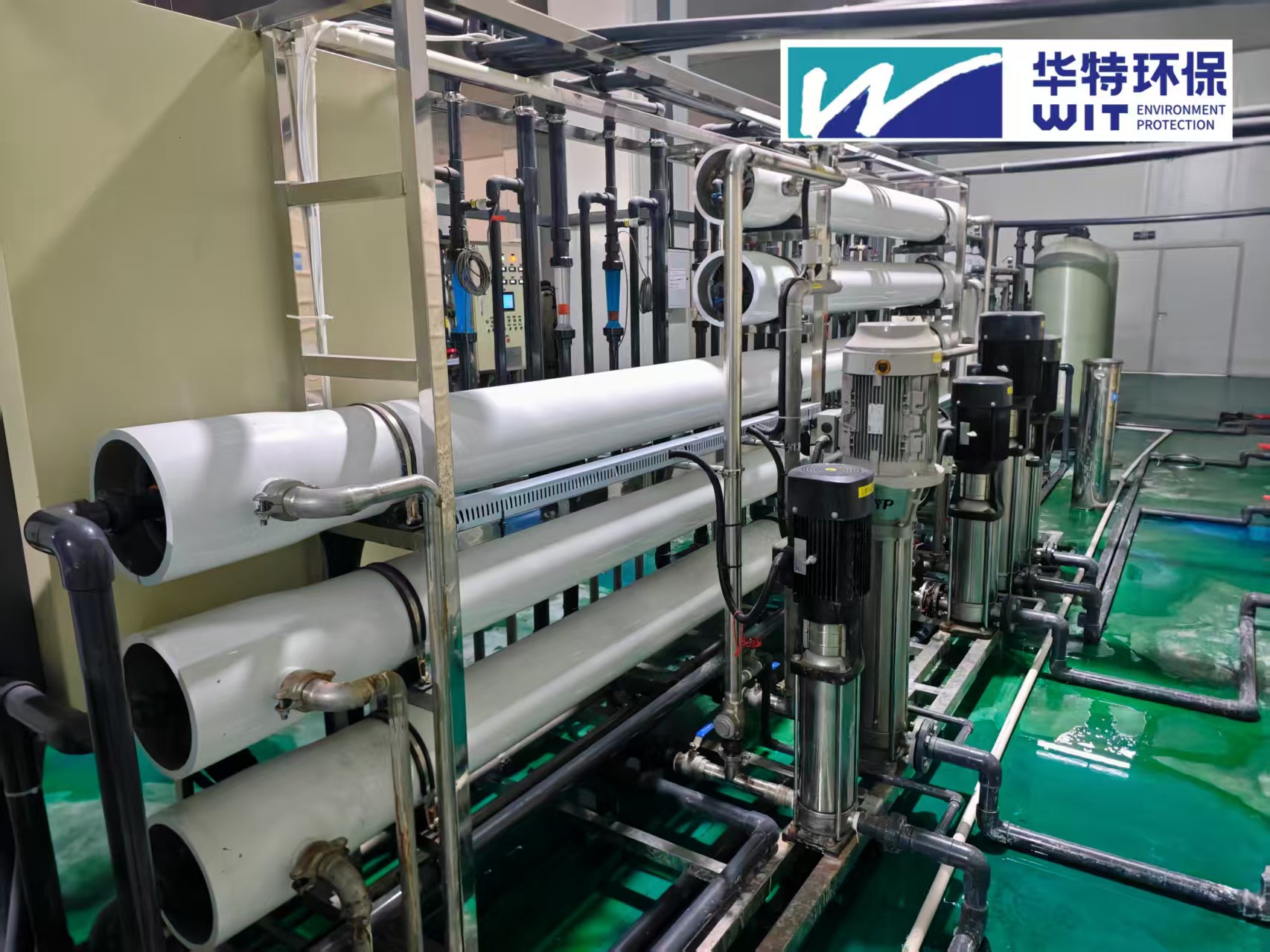
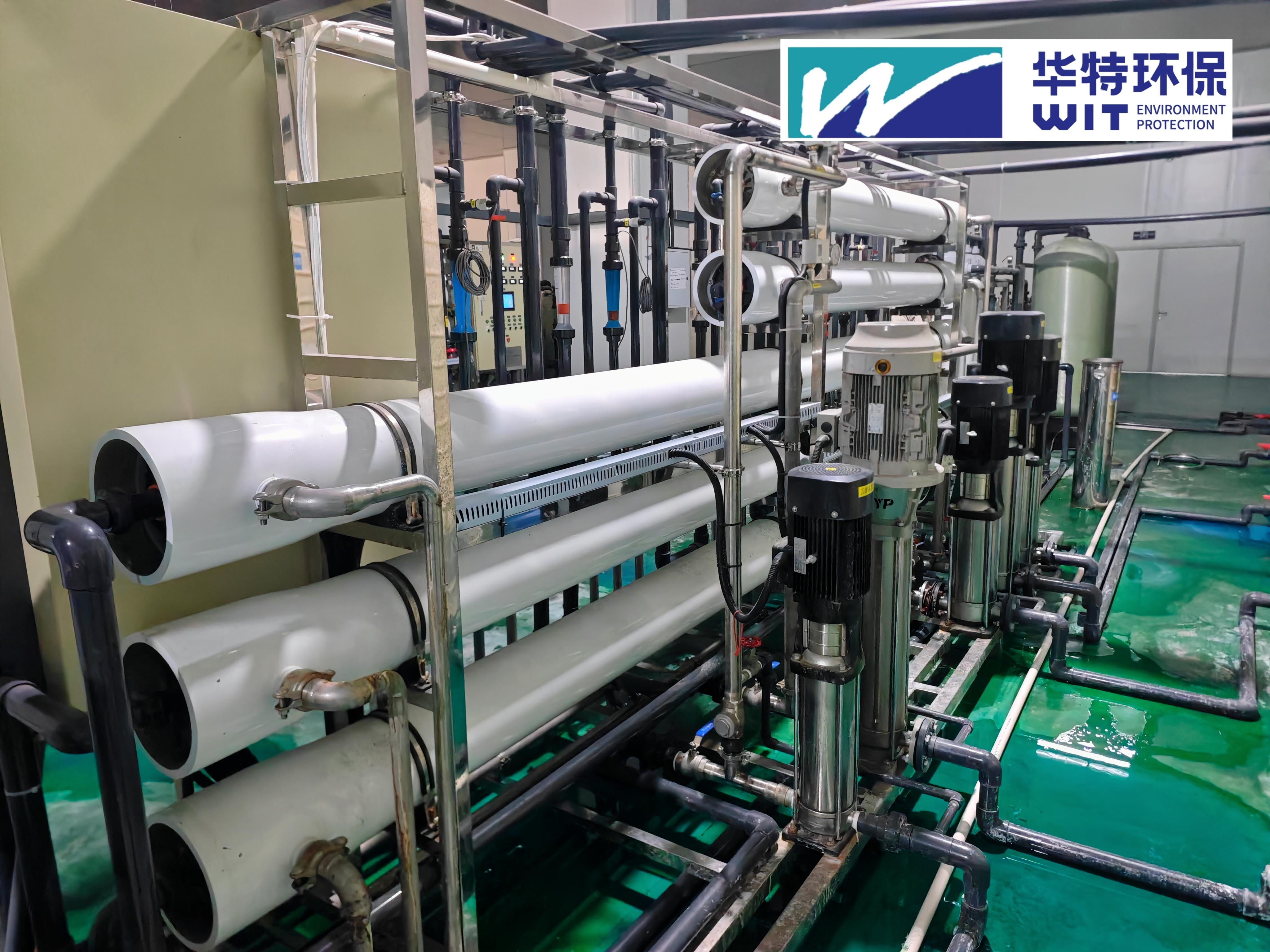
Reverse osmosis is often the first technology people think of when they ask about “pure water.” It uses a semi-permeable membrane and pressure to remove a broad range of dissolved solids, salts, and many other contaminants. For desalination, high-purity process water, and some reuse applications, RO is hard to ignore.
But RO is not plug-and-play. It is sensitive to fouling, scaling, and pretreatment quality. If suspended solids, hardness, silica, or organics are not controlled upstream, membrane life and performance can drop quickly. In real projects, the conversation is rarely just “Should we use RO?” It is more often “What pretreatment is needed so RO can operate reliably?” That difference is where many systems succeed or fail.
3. Ultraviolet (UV) purification
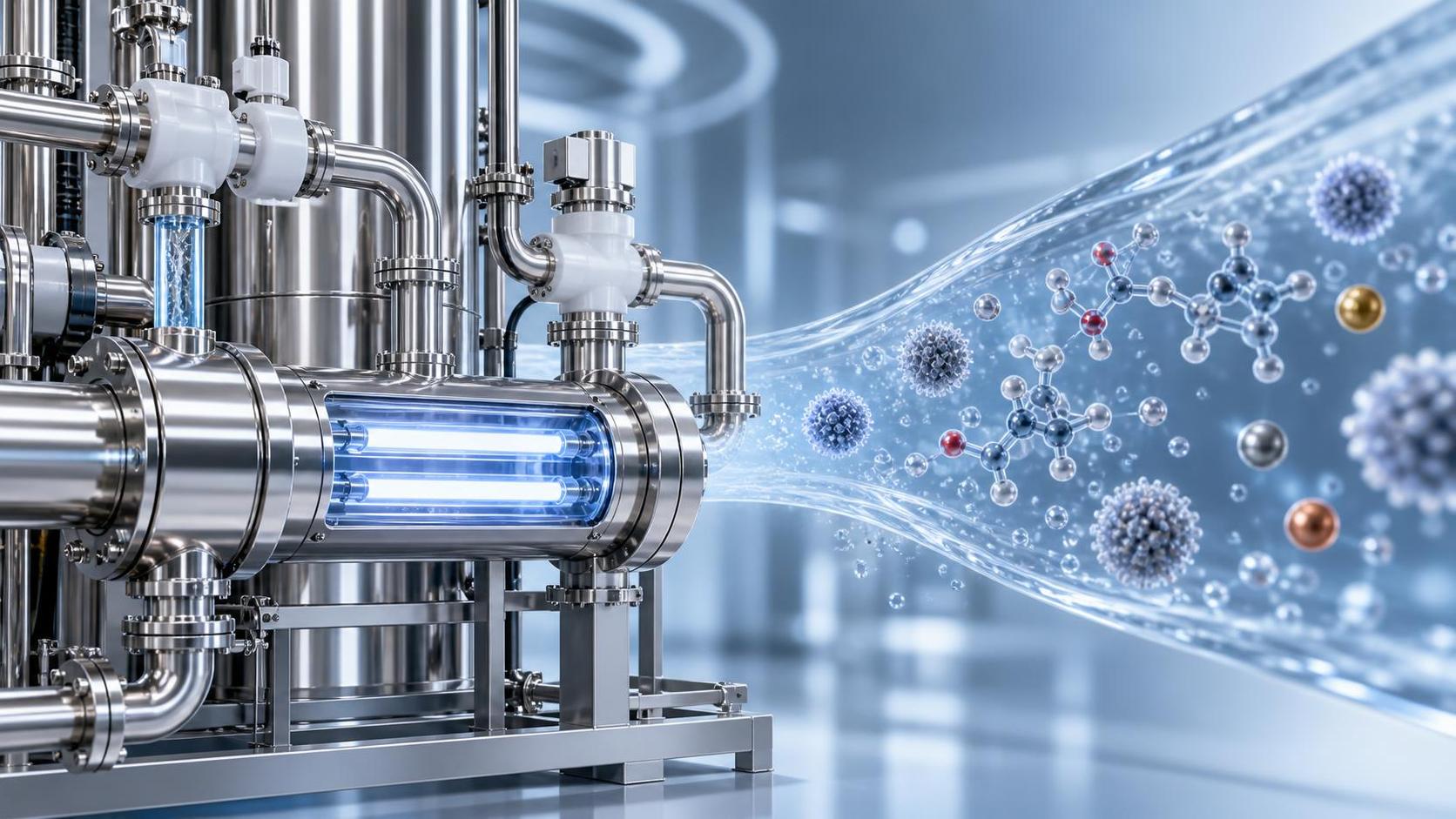
UV systems disinfect water by inactivating microorganisms with ultraviolet light. They are attractive because they do not necessarily require chemical addition and they avoid some of the taste and by-product concerns associated with certain disinfectants. For relatively clear water with low turbidity, UV can be a clean and efficient barrier against bacteria, viruses, and protozoa.
The catch is that UV provides no residual disinfection in the distribution or storage stage. If water can be re-contaminated after treatment, UV alone may not be enough. That is why many engineered systems pair physical removal with a downstream disinfectant strategy, especially in municipal and large-scale water management scenarios.
4. Distillation
Distillation purifies water by boiling it into vapor and condensing the steam, leaving many contaminants behind. It is highly effective for certain dissolved impurities and is easy to understand conceptually. In laboratories or specialized applications where output volume is modest and purity requirements are specific, distillation still has a place.
For mainstream industrial or municipal use, however, distillation is often limited by energy demand and throughput. It is usually not the most economical option for large volumes. There is also a practical misconception here: strong contaminant removal does not automatically make a technology the best fit. In treatment engineering, operating cost and scale matter as much as removal capability.
5. Ion exchange
Ion exchange systems work by swapping unwanted ions in the water with more acceptable ones using resin media. They are commonly used for softening, dealkalization, or removing targeted dissolved species such as nitrate or certain heavy metals, depending on resin type and process design.
This makes ion exchange especially useful when the problem is chemically specific rather than broad-spectrum. A plant dealing with boiler feedwater, for example, may focus heavily on hardness control, while another application may need selective contaminant removal before reuse or discharge. Resin regeneration, waste brine handling, and influent variability all need attention, so the technology is best chosen with a clear operating plan rather than as a generic add-on.
Why these five are only part of the real picture
In the field, water purification systems rarely work in isolation. Sediment filtration, biological treatment, membrane separation, oxidation, and disinfection are often combined based on the water source and the final objective. That is particularly true in environmental engineering, where wastewater treatment and water reuse involve more variable water quality than drinking water point-of-use systems.
Shandong Wit Environmental Protection Technology Co., Ltd. has worked across municipal wastewater treatment, industrial wastewater treatment, aquaculture wastewater treatment, and ecological governance, and that kind of background tends to shape a more realistic selection process. In one project, the priority may be lowering organic load before discharge. In another, it may be securing stable disinfection in a large water system. In ecological restoration or constructed wetland work, the emphasis may shift again toward integrated pollutant reduction and long-term site conditions rather than a single purification unit.
Disinfection is a good example. When water treatment moves beyond small, closed systems into broader municipal or industrial applications, residual control, safety, dosing stability, and compatibility with existing infrastructure become central questions. In those cases, chlorine dioxide is often discussed because it can serve as a strong oxidizing disinfectant in appropriate scenarios. For projects evaluating this route, one relevant option is W1 type (low negative pressure) chlorine dioxide preparation technology, which fits into the larger discussion of how purification and disinfection are combined in engineered systems rather than treated as separate decisions.
How to choose without overbuying or underdesigning
A useful starting point is to ask four blunt questions: What contaminants are actually present? What water quality is required at the end? How stable is the influent? Who will operate and maintain the system? Many selection mistakes happen because buyers focus on a familiar technology name before confirming these basics.
If the issue is odor and chlorine, activated carbon may be enough. If salinity and dissolved solids dominate, RO becomes much more relevant. If microbiological risk is the key concern and water clarity is acceptable, UV or chemical disinfection may be appropriate. If hardness is the operational headache, ion exchange deserves attention. Distillation is usually reserved for narrower use cases where its energy trade-off is acceptable.
And if the water comes from industrial production, municipal wastewater, or mixed environmental sources, the answer is often a sequence, not a single unit. That is where engineering judgment starts to matter more than product categories.
The five systems are easy to list. Choosing among them is not. It usually takes actual water analysis, process goals, and a realistic view of operation to decide what belongs in the treatment train and what only adds cost without solving the real problem.


 When Does a Small Water Purification System Outperform Centralized Treatment? Use Cases in Disaster Response and Mining Camps
 Small Water Purification System for Remote Clinics: Power-Independent Options and WHO Drinking Water Guidelines Compliance
 Ultrapure Water Equipment ROI Calculator: Estimating Payback Period Based on Yield Improvement and Defect Reduction
 How Ultrapure Water Equipment Validates Compliance with SEMI F63-1118 for 28nm+ Wafer Fabrication
") Ultrapure Water Equipment for Semiconductor Manufacturing: Key Specifications Beyond Resistivity (TOC, Particle Count, Metals)
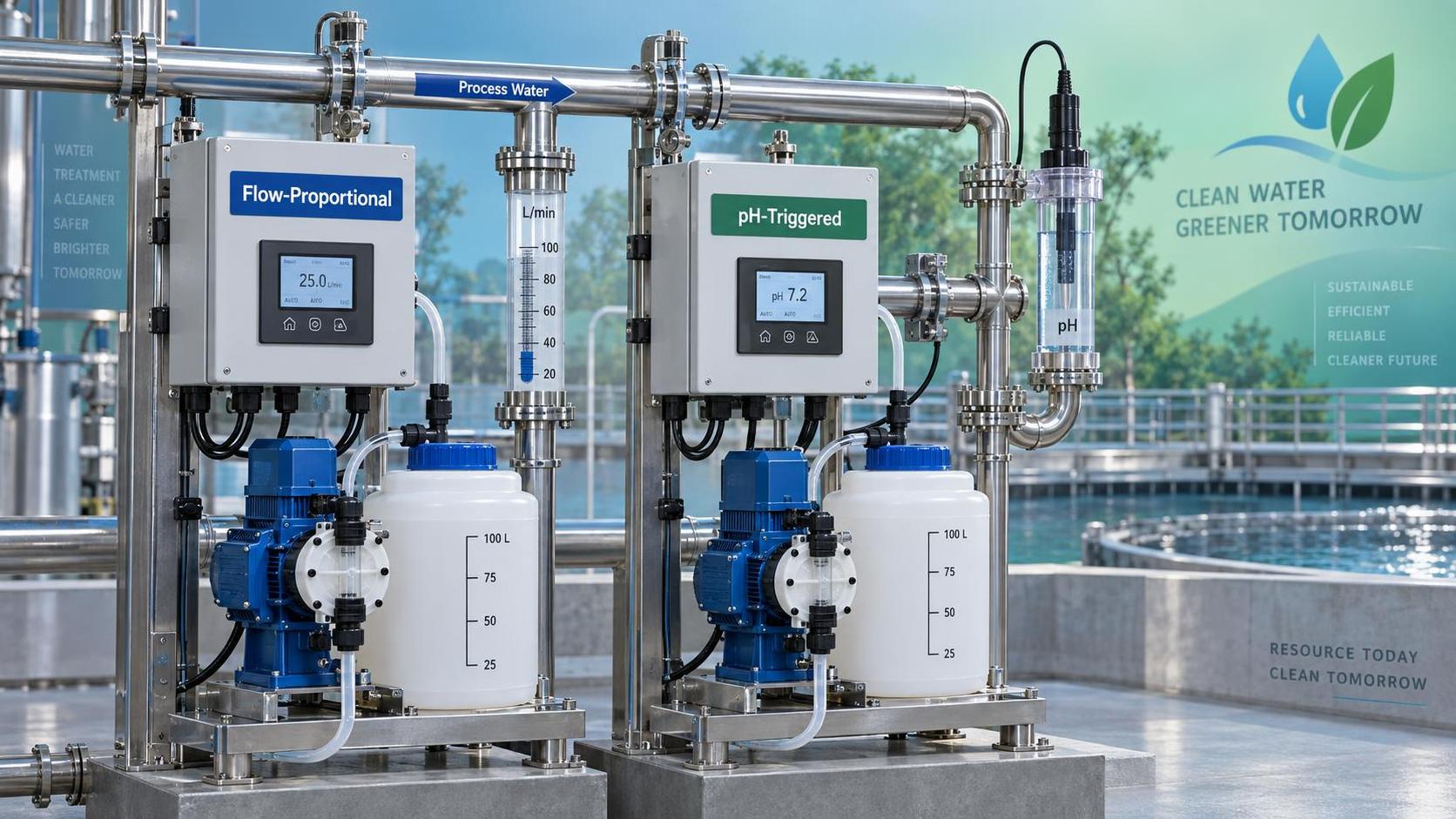
Ultrapure Water Equipment for Semiconductor Manufacturing: Key Specifications Beyond Resistivity (TOC, Particle Count, Metals) Why Flow-Proportional vs. pH-Triggered Automatic Dosing Units Deliver Different Outcomes in Wastewater Neutralization
GET A FREE QUOTE
Service Commitment: Upon receipt of your message, a dedicated representative will contact you as soon as possible to provide efficient and professional service support.
