







Key Parameters of Small-Sized Integrated Skid-Mounted Water Purification Equipment
Key Parameters of Small-Sized Integrated Skid-Mounted Water Purification Equipment
When deployment space is tight, compact water systems are often judged too quickly by size alone.
In reality, Small-Sized Integrated Skid-Mounted Water Purification Treatment Equipment should be assessed by process fit, stability, compliance, and long-term operating control.
That matters in municipal backup supply, industrial utilities, remote stations, site camps, and decentralized environmental projects.
Drawing on practical water treatment experience, engineering records, and innovation-focused project delivery, a better evaluation starts with the right technical questions.
What exactly makes this equipment “integrated” and why does that matter?
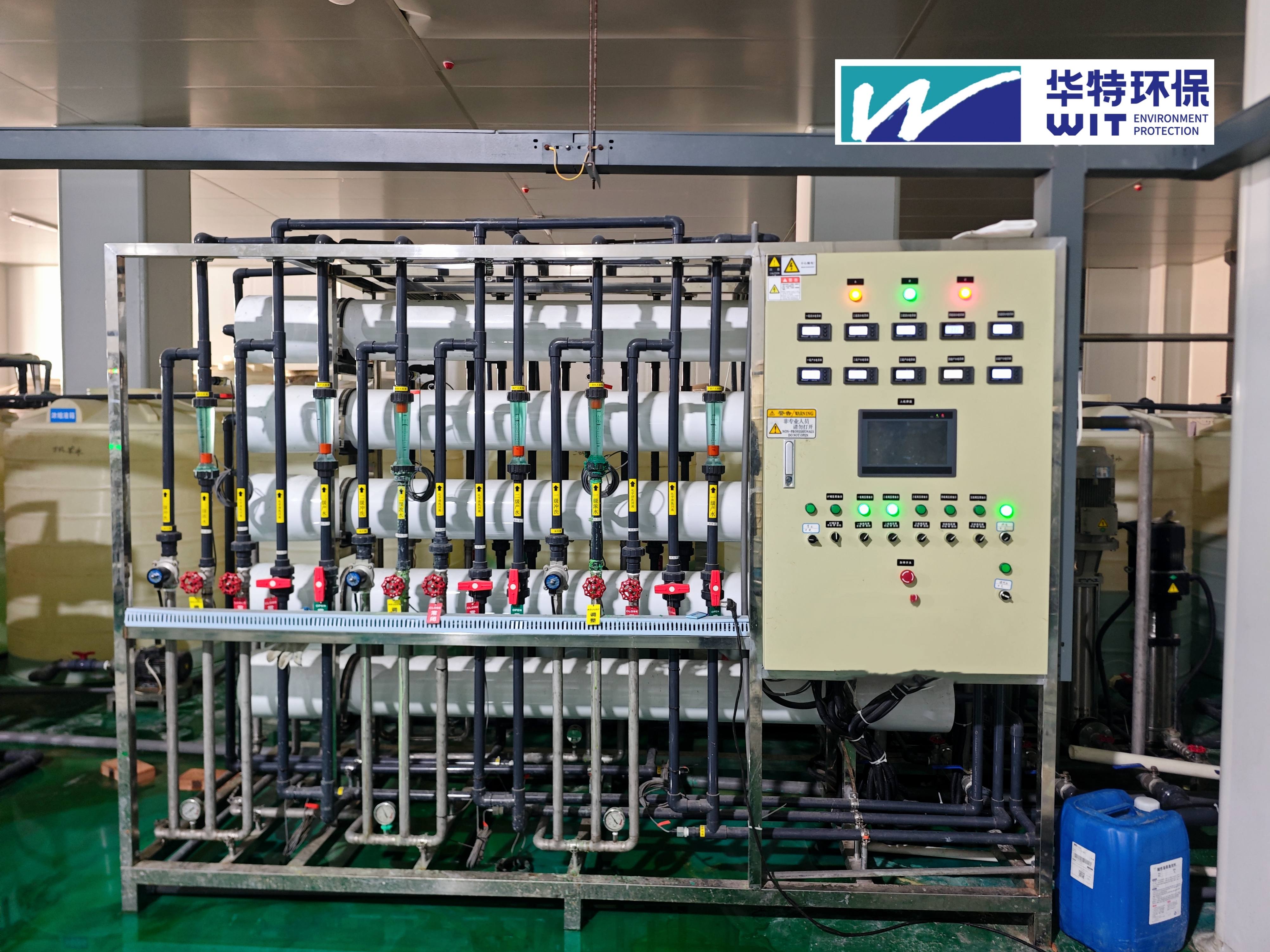
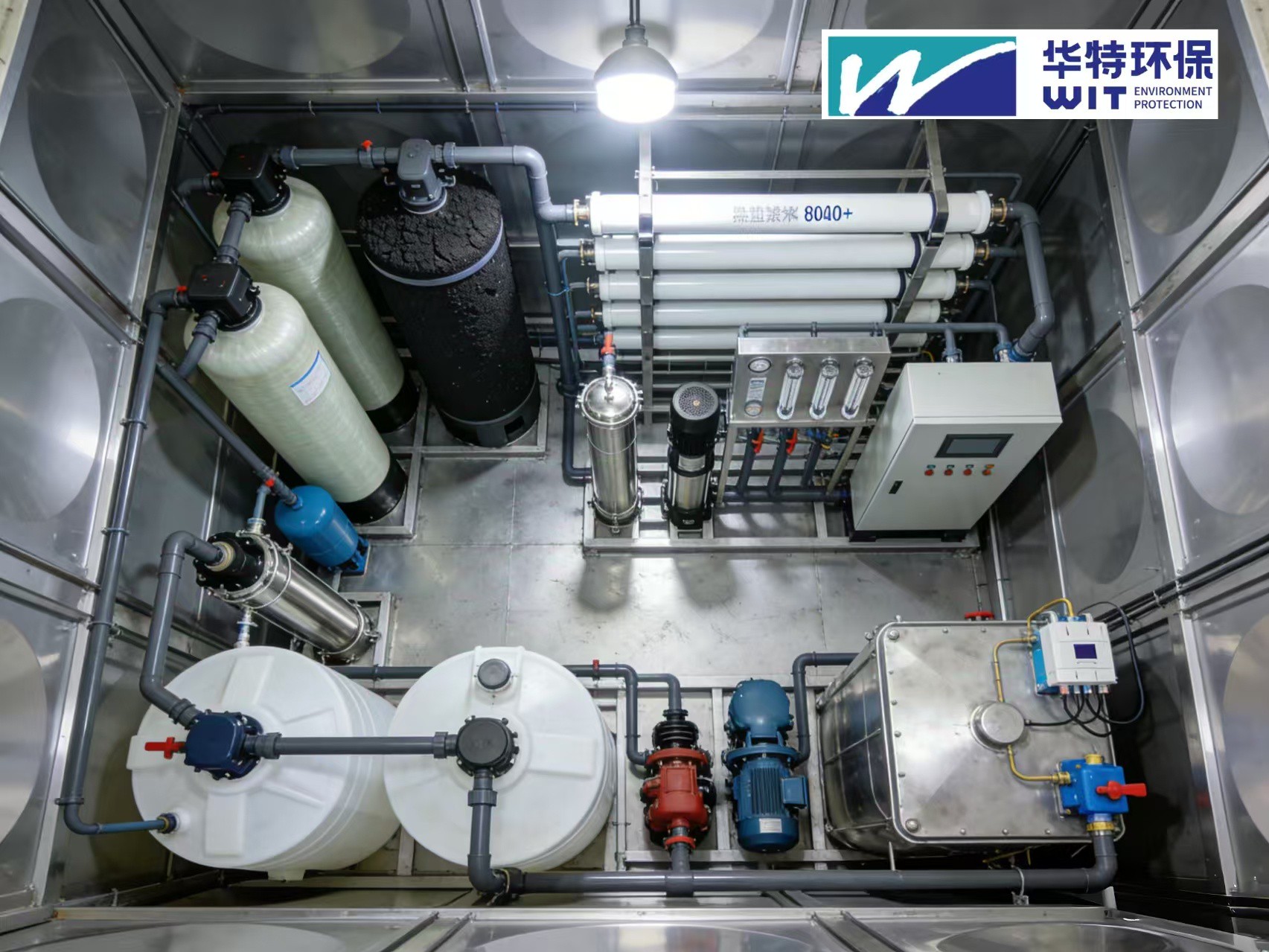
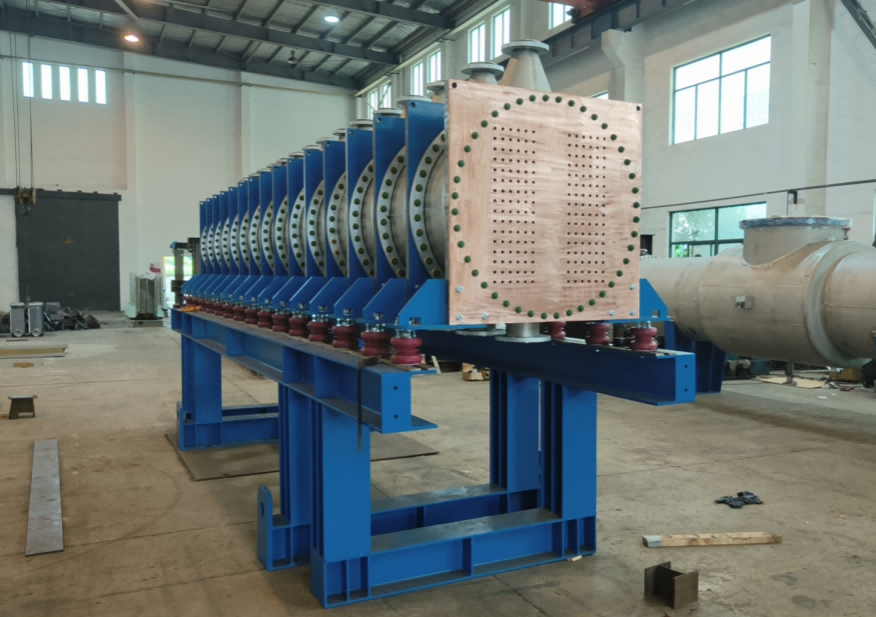
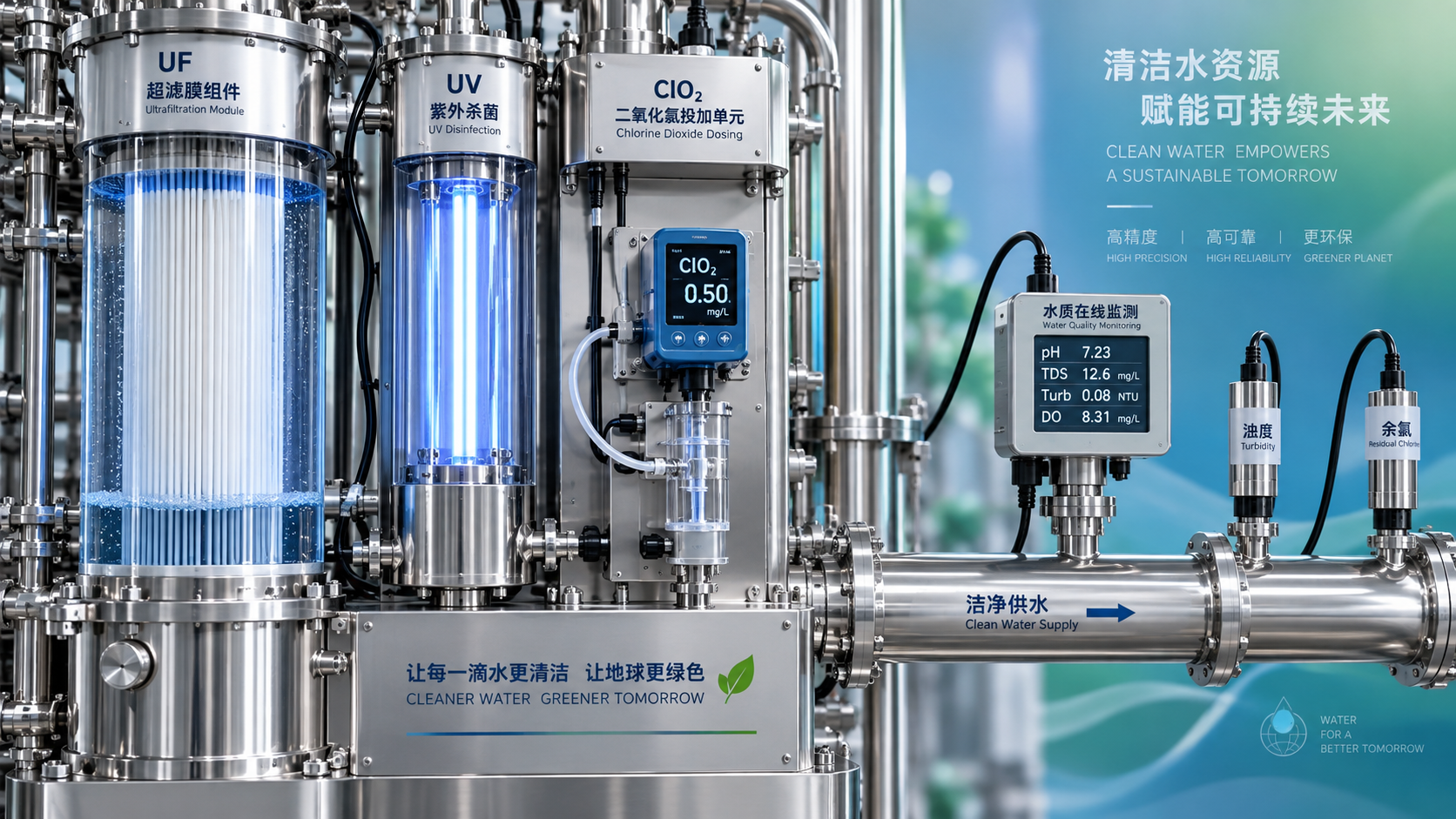
The term usually means pretreatment, dosing, filtration, disinfection, controls, piping, and electrical parts are preassembled on one skid.
That design reduces site installation work and shortens commissioning time.
More importantly, it improves consistency because hydraulic routing, instrument placement, and interlocks are tested before delivery.
For Small-Sized Integrated Skid-Mounted Water Purification Treatment Equipment, compactness is only valuable when it does not weaken treatment reliability.
In practical terms, an integrated skid should answer three questions early:
- Can it meet target water quality under normal and fluctuating raw water conditions?
- Can it be transported and installed without extensive civil modification?
- Can operators maintain it safely with available utilities and staffing?
Which parameters should be checked first, before looking at price?
The first filter is always raw water and treated water targets.
If these are unclear, even a well-built unit may be oversized, undersized, or poorly configured.
A useful review table looks like this:
This is why experienced environmental engineering teams spend time on inlet data, not just on skid dimensions.
How do process parameters affect actual purification performance?
Performance depends on whether the process sequence matches the water challenge.
For turbid surface water, coagulation, sedimentation or clarification, filtration, and disinfection often work well.
For groundwater, the focus may shift to iron, manganese, hardness, or ammonium removal.
Key operating parameters usually include contact time, filtration rate, backwash intensity, dosing accuracy, and disinfectant residual control.
Small-Sized Integrated Skid-Mounted Water Purification Treatment Equipment can perform very well, but only if those numbers are aligned.
Need a simple rule of thumb? If a compact unit promises many treatment goals with very little retention time, verify the design carefully.
In some projects, disinfection strategy also deserves closer attention.
Companies with strong expertise in chlorine dioxide systems and broader environmental engineering can often evaluate this part more rigorously.
Where is Small-Sized Integrated Skid-Mounted Water Purification Treatment Equipment most suitable?
The best fit is not simply “small site.” It is “site needing fast, reliable, modular treatment.”
Common applications include emergency water supply, rural or decentralized treatment nodes, industrial auxiliary water, and temporary construction support.
It also fits wider environmental programs connected with reuse and local resource efficiency.
That is why modular purification is often discussed together with Green circular development and reuse rather than as a stand-alone device topic.
In real projects, suitability improves when three conditions are present:
- Variable or limited construction conditions
- Need for factory-prefabricated quality control
- Requirement for phased expansion or relocation
What are the most common evaluation mistakes?
One common mistake is selecting by nominal capacity only.
A 20 m³/h unit under stable raw water can behave very differently from a 20 m³/h unit facing seasonal spikes.
Another mistake is ignoring maintenance access.
Compact skids save area, but cramped valve positions or poor drain design can increase downtime later.
There is also a tendency to underestimate sludge, spent media, and chemical management.
Even small systems need a realistic plan for by-products and routine servicing.
More mature environmental solution providers usually look beyond the skid itself.
They connect purification design with wastewater handling, ecological planning, reuse pathways, and lifecycle project support.
How should lifecycle cost and implementation time be judged?
Fast delivery is a real advantage, but it should not hide operating cost.
A sound comparison usually includes equipment price, transport, installation, power use, chemicals, consumables, labor, spare parts, and compliance risk.
For Small-Sized Integrated Skid-Mounted Water Purification Treatment Equipment, lifecycle value often improves when control logic is stable and routine maintenance is simplified.
Implementation time should cover more than delivery date.
Check the full path: design confirmation, utility preparation, chemical testing, commissioning, operator training, and water quality verification.
If future reuse is part of the plan, it may also be worth reviewing broader options linked to Green circular development and reuse.
So, what is the practical next step?
Start with a clear parameter sheet, not with a catalog request.
List raw water data, target effluent, daily and peak flow, footprint limits, utility conditions, and disinfection expectations.
Then compare process routes, automation level, maintenance accessibility, and whole-life cost.
Small-Sized Integrated Skid-Mounted Water Purification Treatment Equipment is often the right answer for rapid and space-efficient deployment.
The better question is whether its key parameters truly match the project’s water quality risk, operating reality, and long-term environmental goals.



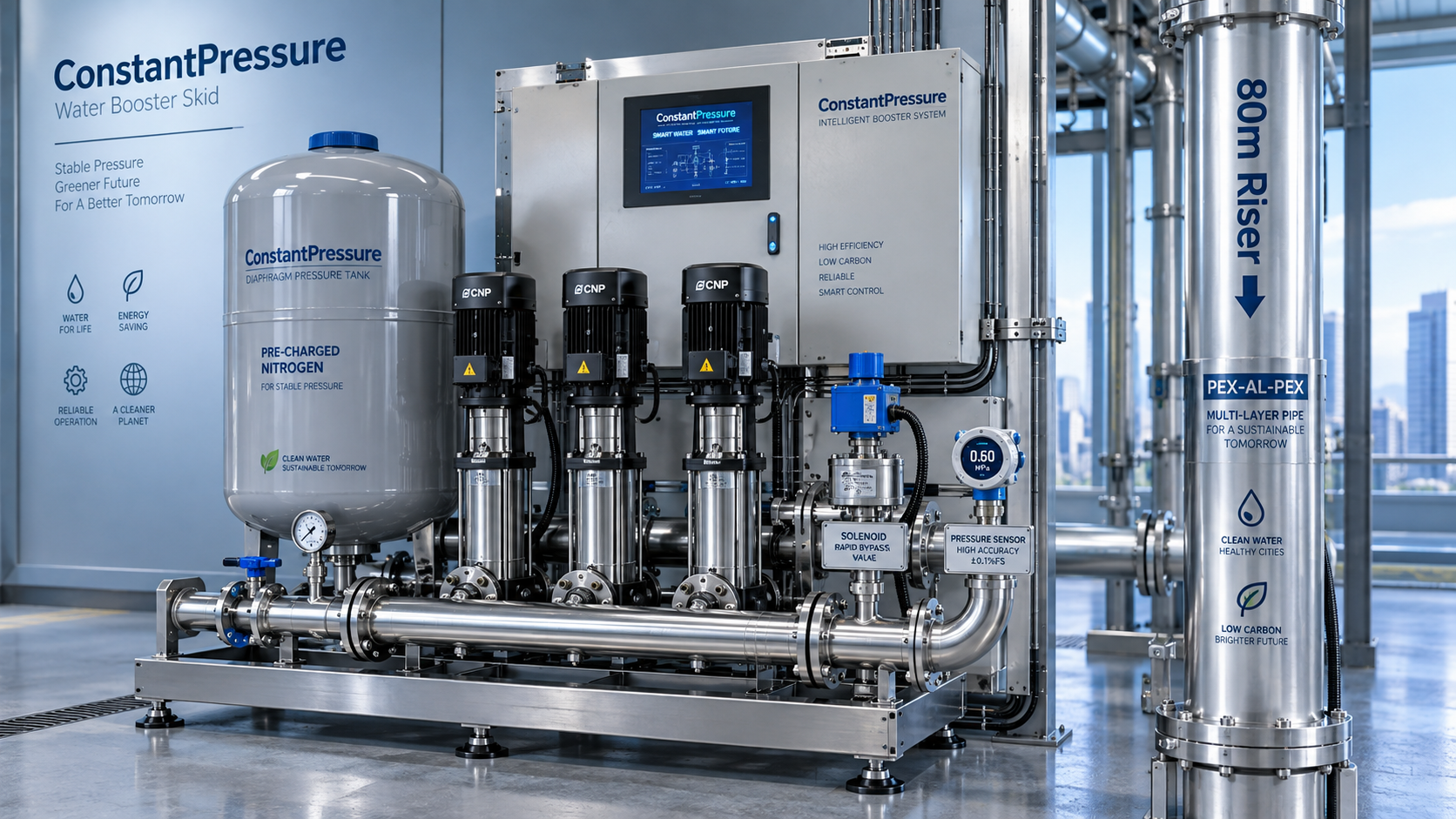
 How ConstantPressure Water Supply Skid-Mounted Equipment avoids water hammer during pump start-up in district heating networks
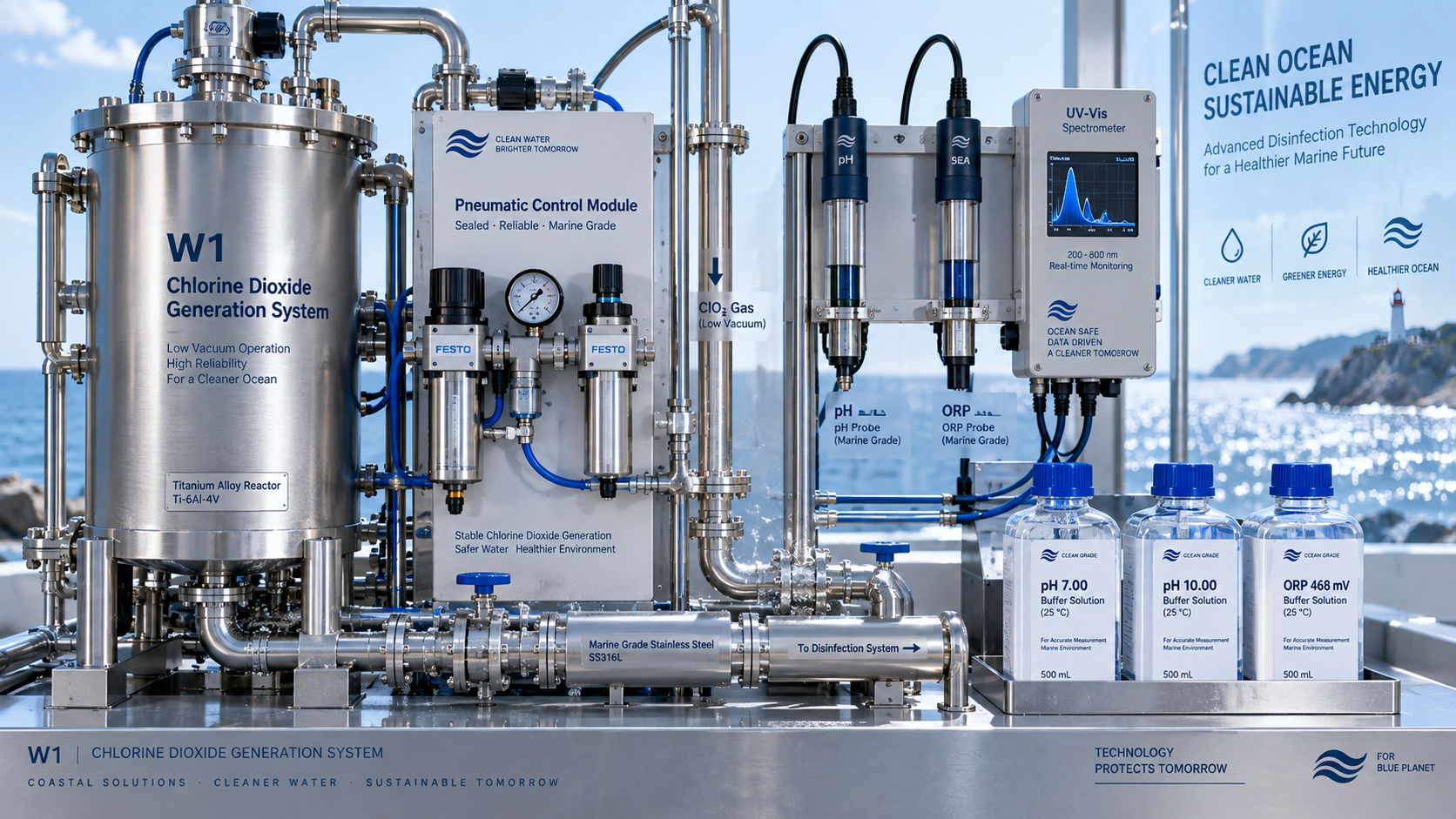
 chlorine dioxide preparation technology in coastal desalination plants?") What maintenance intervals are validated for W1 type (low negative pressure) chlorine dioxide preparation technology in coastal desalination plants?
What maintenance intervals are validated for W1 type (low negative pressure) chlorine dioxide preparation technology in coastal desalination plants? Does Large-Scale Integrated Skid-Mounted Water Purification Treatment Equipment include redundant control logic for SCADA integration?
 How ConstantPressure Water Supply Skid-Mounted Equipment responds to sudden valve closure events in high-rise buildings
 chlorine dioxide preparation technology?") What feedwater pH range limits the stability of W1 type (low negative pressure) chlorine dioxide preparation technology?
What feedwater pH range limits the stability of W1 type (low negative pressure) chlorine dioxide preparation technology? Can Industrial Water Purification Equipment meet ISO 22000 water quality requirements for beverage production lines?
GET A FREE QUOTE
Service Commitment: Upon receipt of your message, a dedicated representative will contact you as soon as possible to provide efficient and professional service support.
