







How Modular Skid-mounted Single-stage Drinking Pure Water Equipment Is Shaping Small Water Projects
Meta Title: How Modular Skid-mounted Single-stage Drinking Pure Water Equipment Is Shaping Small Water Projects
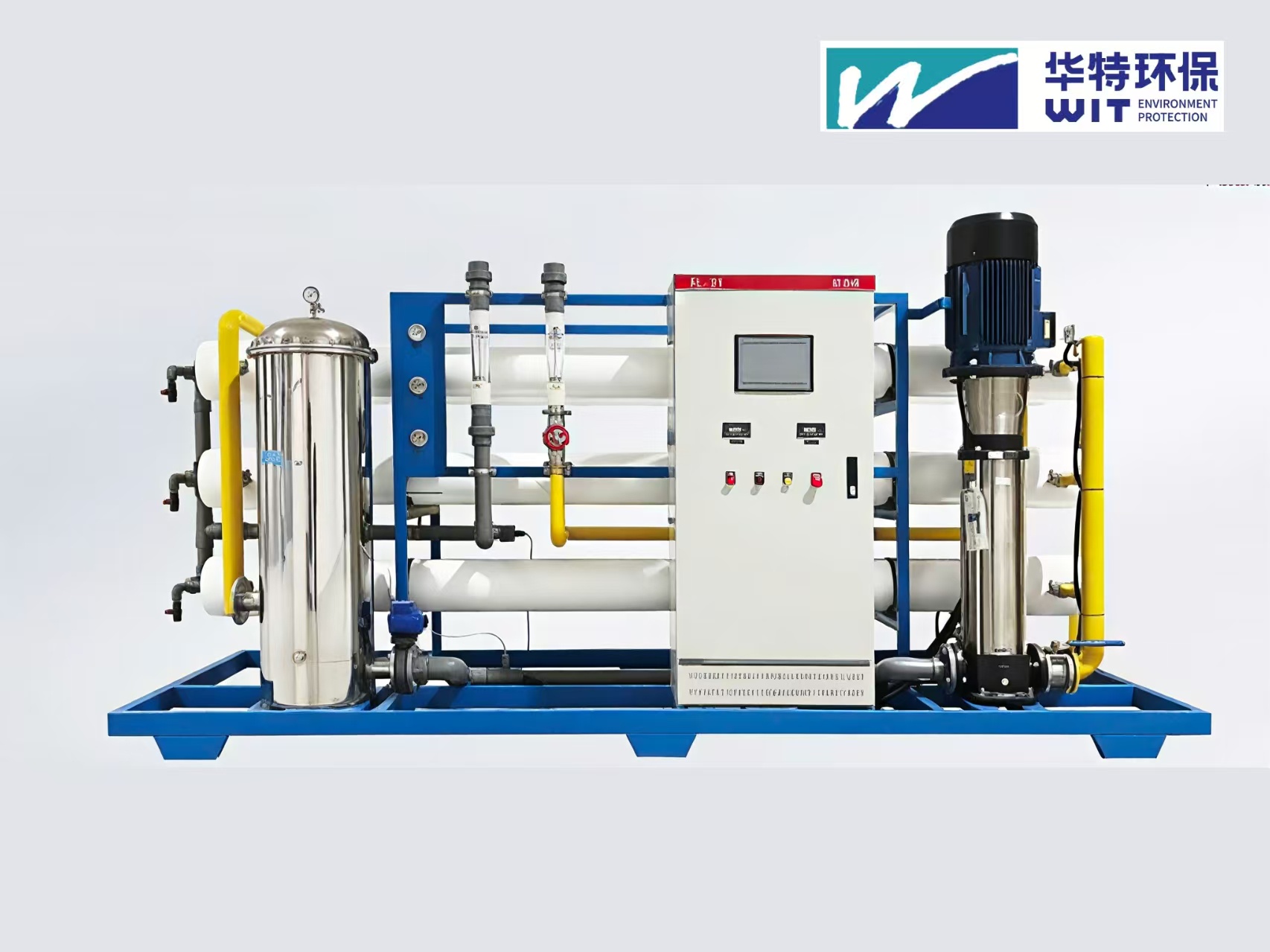
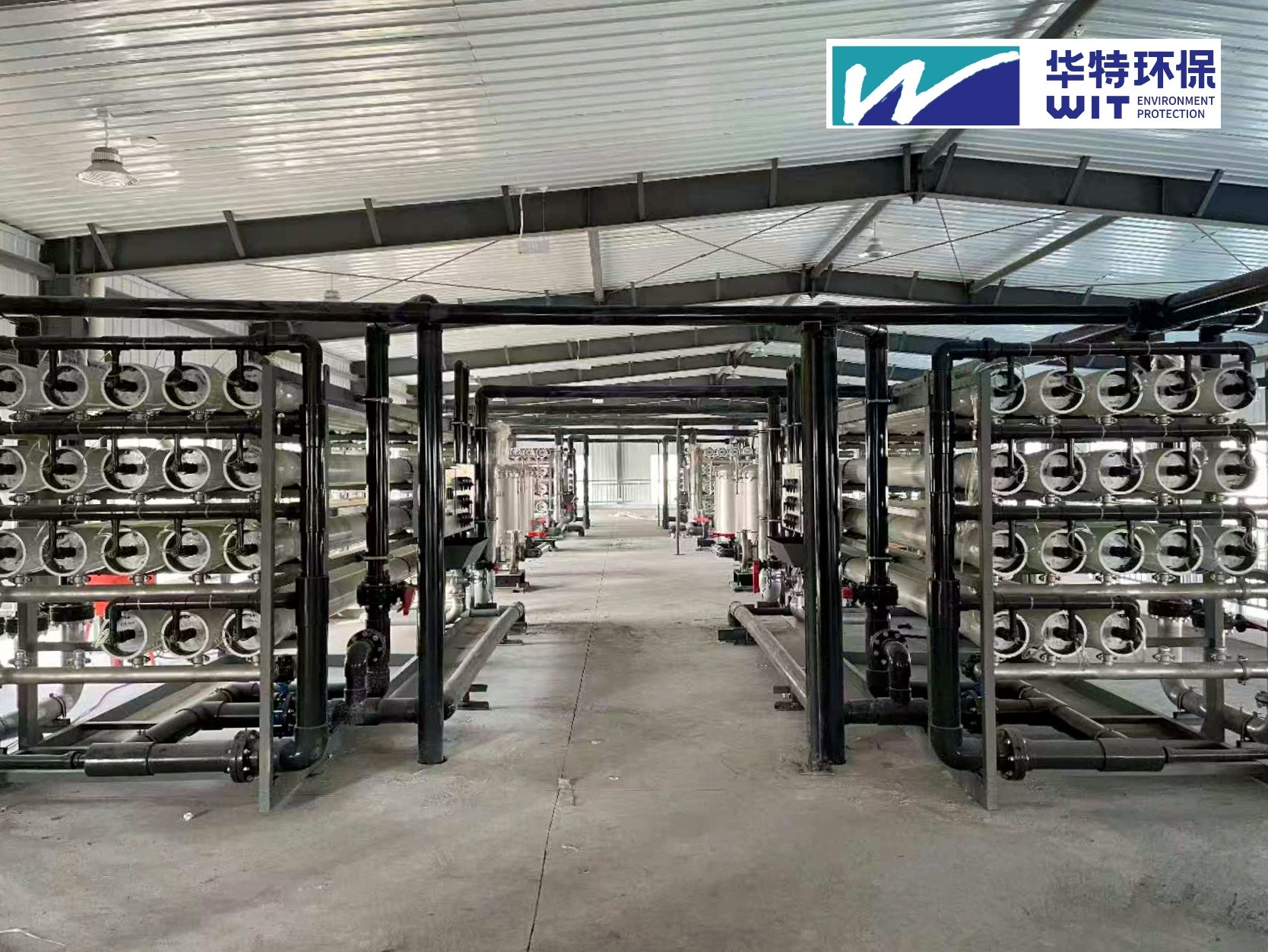
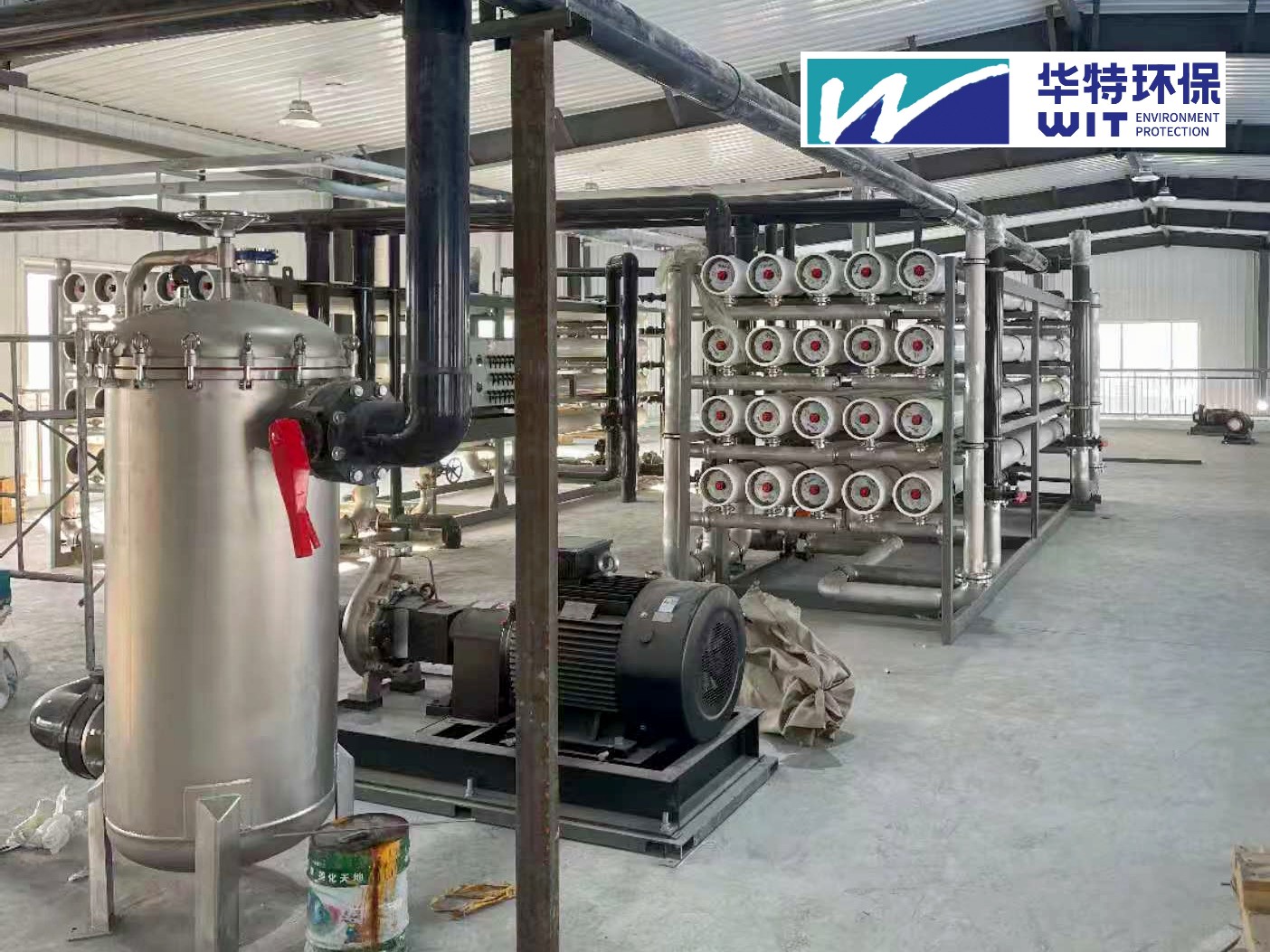
Small water projects often fail or stall for a simple reason: the treatment system is too complicated for the site, the timeline, or the local operating team. That is why Skid-mounted Single-stage Drinking Pure Water Equipment is getting serious attention in small community supply, commercial facilities, temporary water stations, and remote deployment projects. For channel partners watching the market, this is not just a product trend. It reflects a broader shift toward faster delivery, lower civil work dependence, easier commissioning, and more predictable project replication.
In practical terms, buyers are not only asking for water quality. They are asking for speed, controllability, and fewer surprises after installation. That change is reshaping how small water projects are designed and sold.
Why small water projects are moving toward modular systems
Many small-scale projects do not have the budget, schedule, or site conditions needed for a traditional build-heavy water treatment setup. A developer may need drinking water support for a resort, a contractor may need a compact package for a remote camp, or a local project owner may need to upgrade a small public supply point without building a full treatment plant from scratch.
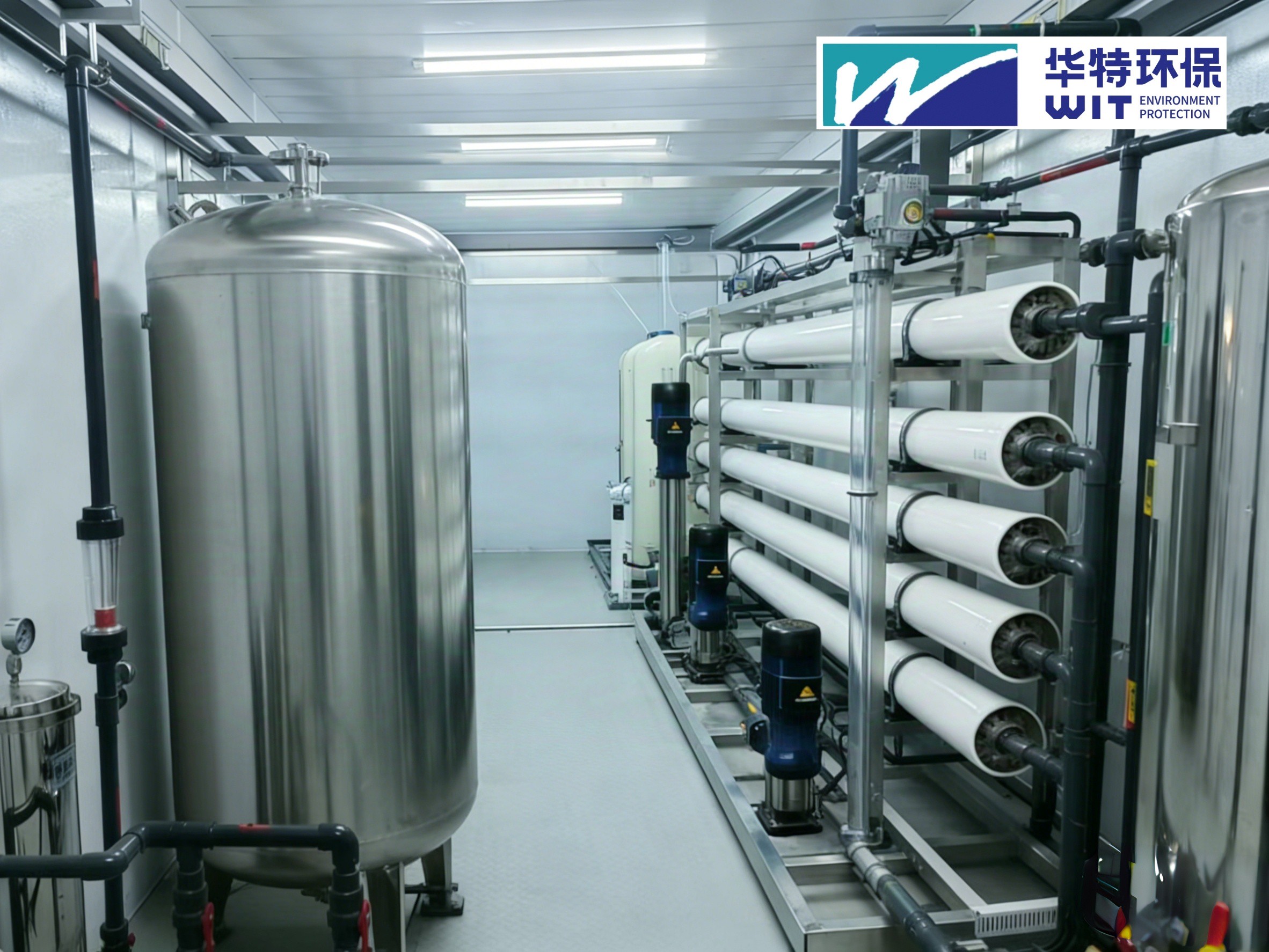
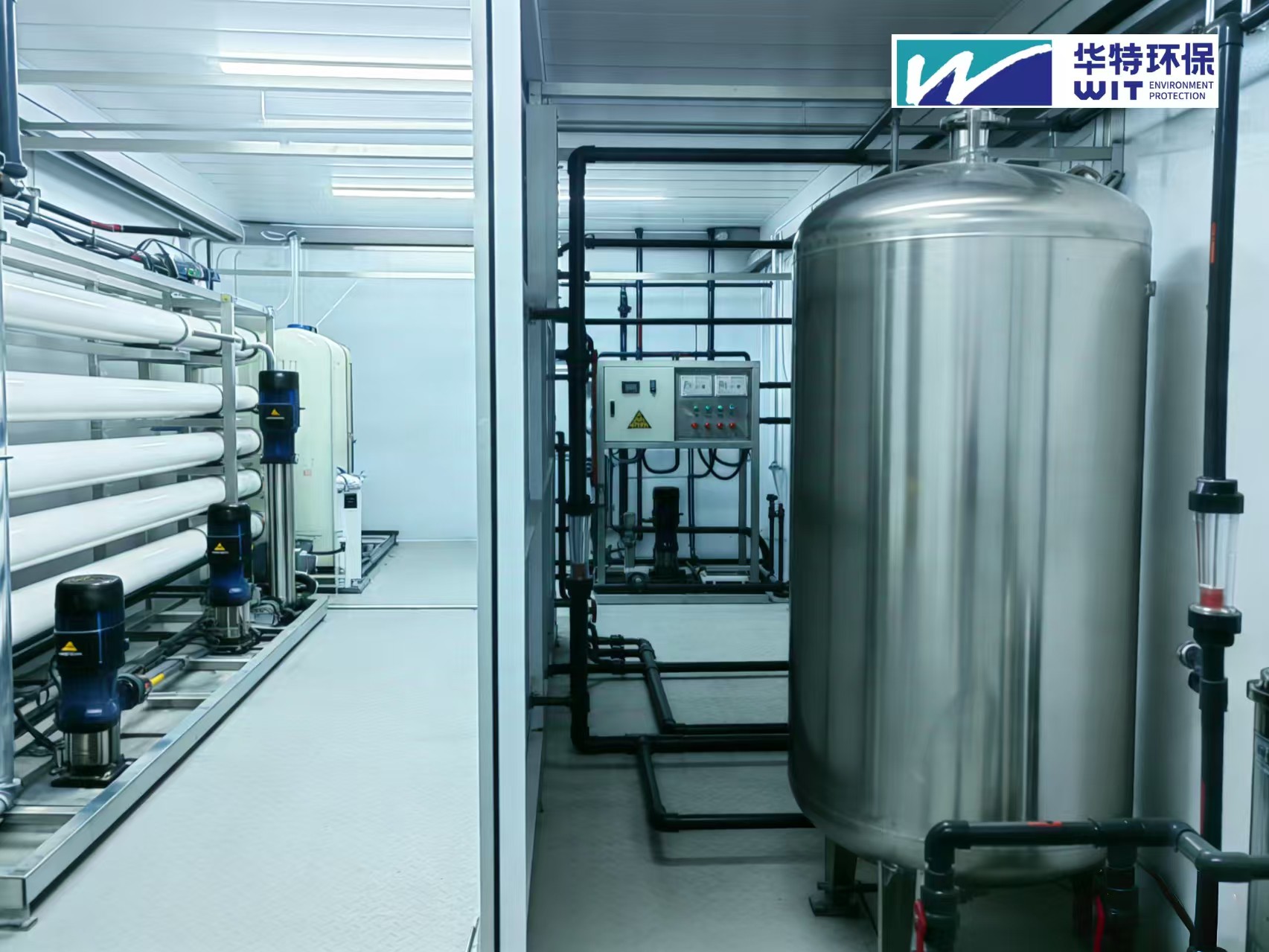
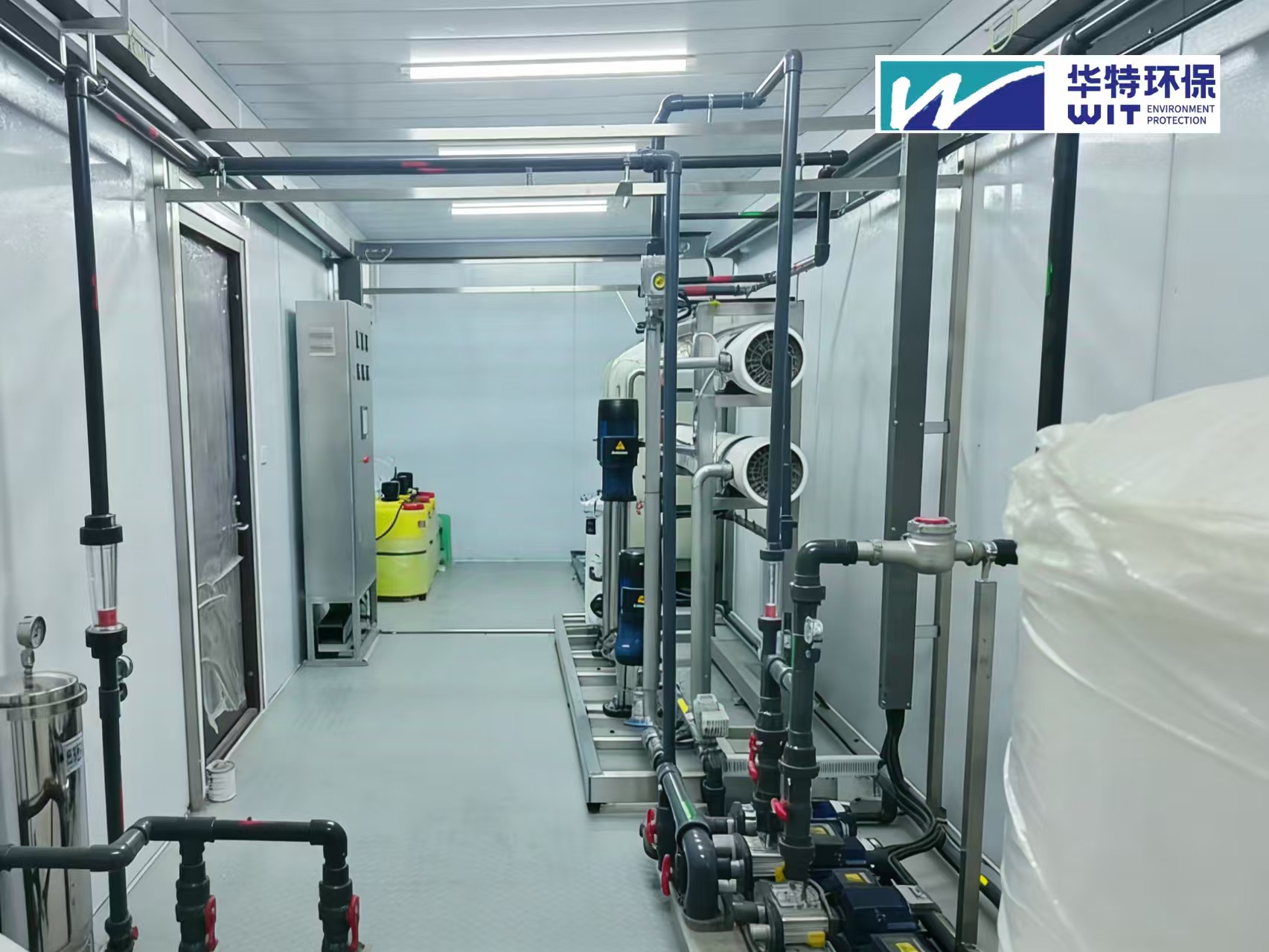
In these situations, modular skid-mounted equipment solves several real problems at once. It reduces on-site assembly. It shortens installation windows. It also gives project owners a cleaner handover path, because the equipment is integrated and factory-prepared instead of being pieced together across multiple vendors on site.
That matters in distribution. A system that is easier to transport, explain, install, and service is easier to sell repeatedly across similar project types.
What makes Skid-mounted Single-stage Drinking Pure Water Equipment attractive now
The market appeal is not based on one feature. It comes from the way this equipment fits the pressures that small water projects are facing right now.
First, project timelines are tighter. Owners want units that can be deployed quickly, especially where the water demand is urgent or seasonal.
Second, many sites lack strong local construction support. A skid-mounted structure reduces dependence on long on-site fabrication cycles.
Third, buyers are becoming more cautious about operating complexity. A small project may not have a full-time technical team. Single-stage systems are often easier to understand and manage when the raw water condition and treatment target are relatively clear.
There is also a commercial reason. Standardized modular equipment gives dealers and agents a more repeatable business model. Instead of re-engineering every small project from the ground up, they can work from a clearer equipment logic, faster quotation process, and more stable delivery expectation.
If the raw water source is suitable and the treatment objective is straightforward, Skid-mounted Single-stage Drinking Pure Water Equipment can be a practical answer for projects that need compact design and controlled installation risk.
Not every small project needs a complex multi-stage system
This is where many buyers get confused. They assume a more complicated process always means a better result. In reality, system fit matters more than system size.
For many small projects, the core question is not “what is the biggest system available?” but “what is the simplest system that can reliably meet the required drinking water standard under real site conditions?”
A single-stage modular unit may be the right choice when:
- the raw water quality is relatively stable and has already been assessed;
- the project has limited land or installation space;
- the owner wants shorter deployment time;
- the operating team needs a manageable process path;
- the project may need relocation, duplication, or phased expansion later.
It may not be the right fit when raw water fluctuates sharply, the contamination profile is complex, or the site requires a highly customized multi-barrier process. That distinction is important for channel partners. Overselling a compact system into an unsuitable application creates service problems later, and those problems usually cost more than the original sale is worth.
What distributors should really pay attention to
In small water projects, the equipment itself is only one part of the deal. The stronger question is whether the supplier understands the project chain behind the equipment.
That includes water source evaluation, process matching, engineering coordination, commissioning support, and long-term operation logic. This is one reason buyers often prefer manufacturers with broad environmental engineering experience rather than a narrow equipment-only background.
Shandong Wit Environmental Protection Technology Co.Ltd stands out in this respect because its capabilities are not limited to one product line. Backed by a state-owned background under SASAC of Shandong Province, and supported by long-term work in wastewater treatment, ecological governance, chlorine dioxide systems, engineering consulting, and project delivery, the company brings a more complete technical view to water treatment decisions. For channel partners, that kind of background can reduce the risk of recommending the wrong configuration for a local project.
In actual market work, this matters more than many new agents expect. A compact drinking water unit is easier to sell when the manufacturer can also discuss water quality adaptation, application boundaries, and engineering coordination with confidence.
For those evaluating options, Drinking Pure Water Equipment can be a useful reference point when comparing modular solutions intended for small and medium project deployment.
Where this market is heading
The direction is fairly clear. Small water projects are becoming more standardized in delivery, but more selective in specification. Buyers want simpler deployment, yet they are asking sharper questions about reliability, maintenance, and actual fit.
That means the future market is less about “selling a box” and more about supplying an application-ready package. The channel advantage will likely belong to partners who can do three things well: identify suitable scenarios, communicate realistic operating expectations, and connect end users with technically grounded manufacturers.
There is also a growing preference for solutions that can support staged project development. A site may begin with a limited water demand and expand later. Modular skid-mounted design makes that conversation easier because it aligns better with phased investment thinking than fixed, construction-heavy layouts.
Another trend worth noting is that credibility is becoming part of the product. In water projects, especially drinking water applications, buyers are cautious. They want to know who designed the system, what engineering logic supports it, and whether the supplier has relevant project experience. Manufacturers with a record in environmental treatment and research transformation are often in a stronger position here than simple assemblers.
A practical view for channel partners
If you are evaluating this category, start with the site, not the brochure. Confirm the raw water condition, daily demand, operating ability, installation constraints, and local compliance requirements. Then check whether a modular single-stage configuration genuinely matches that reality.
A good deal in this segment is usually not the cheapest quotation. It is the system that reaches water quality goals without creating hidden installation or service burdens.
That is why Skid-mounted Single-stage Drinking Pure Water Equipment is shaping small water projects in a meaningful way. It gives the market a more deployable, more repeatable option for the right scenarios. For businesses serving this space, the opportunity is real, but it belongs to those who treat product selection as a technical judgment, not just a sales decision.
When chosen carefully, a modular unit such as Drinking Pure Water Equipment can support faster project rollout and cleaner channel execution. When chosen carelessly, even a compact system becomes expensive to explain and maintain. That is the real market divide now.
FAQ
Is Skid-mounted Single-stage Drinking Pure Water Equipment suitable for all raw water sources?
No. It works best when raw water conditions are relatively clear and stable. If the source water is highly variable or heavily contaminated, a more complex treatment route may be needed.
Why do small project owners prefer skid-mounted systems?
Because they usually want faster installation, lower on-site construction complexity, and a more integrated delivery process.
Is modular equipment only for temporary projects?
Not at all. It is often used in permanent small-scale applications too, especially where space, schedule, or phased expansion matters.
What is the biggest mistake agents make when selling this type of equipment?
Treating every small water project as if it has the same raw water conditions and operating requirements. That leads to poor system matching.
What should be confirmed before recommending a unit?
At minimum: raw water quality, target output, daily water demand, available space, operator capability, and local regulatory requirements.
Internal Link Anchor Text Suggestions
- small drinking water treatment system solutions: product category or solution page
- how to choose modular water treatment equipment: buying guide page
- remote site water supply project planning: application scenario page
- drinking water treatment process selection: technical knowledge page
- chlorine dioxide systems for water treatment: related product or technology page
External Authority Source Suggestions
- government drinking water quality regulation pages
- industry association reports on packaged or modular water treatment systems
- academic or university research materials on decentralized water treatment applications


 How Modular Skid-mounted Single-stage Drinking Pure Water Equipment Is Shaping Small Water Projects
 Which Standards and Certifications Matter for Large-Scale Integrated Skid-Mounted Water Purification Treatment Equipment?
 Key Process Units Inside Large-Scale Integrated Skid-Mounted Water Purification Treatment Equipment Explained
 Common Startup Failures in Large-Scale Integrated Skid-Mounted Water Purification Treatment Equipment and How to Fix Them
 When Does Large-Scale Integrated Skid-Mounted Water Purification Treatment Equipment Make Sense for Industrial Water Projects?
 How to Compare Capacity, Footprint, and Water Quality in Large-Scale Integrated Skid-Mounted Water Purification Treatment Equipment
GET A FREE QUOTE
Service Commitment: Upon receipt of your message, a dedicated representative will contact you as soon as possible to provide efficient and professional service support.
