







Industrial Wastewater Treatment Equipment
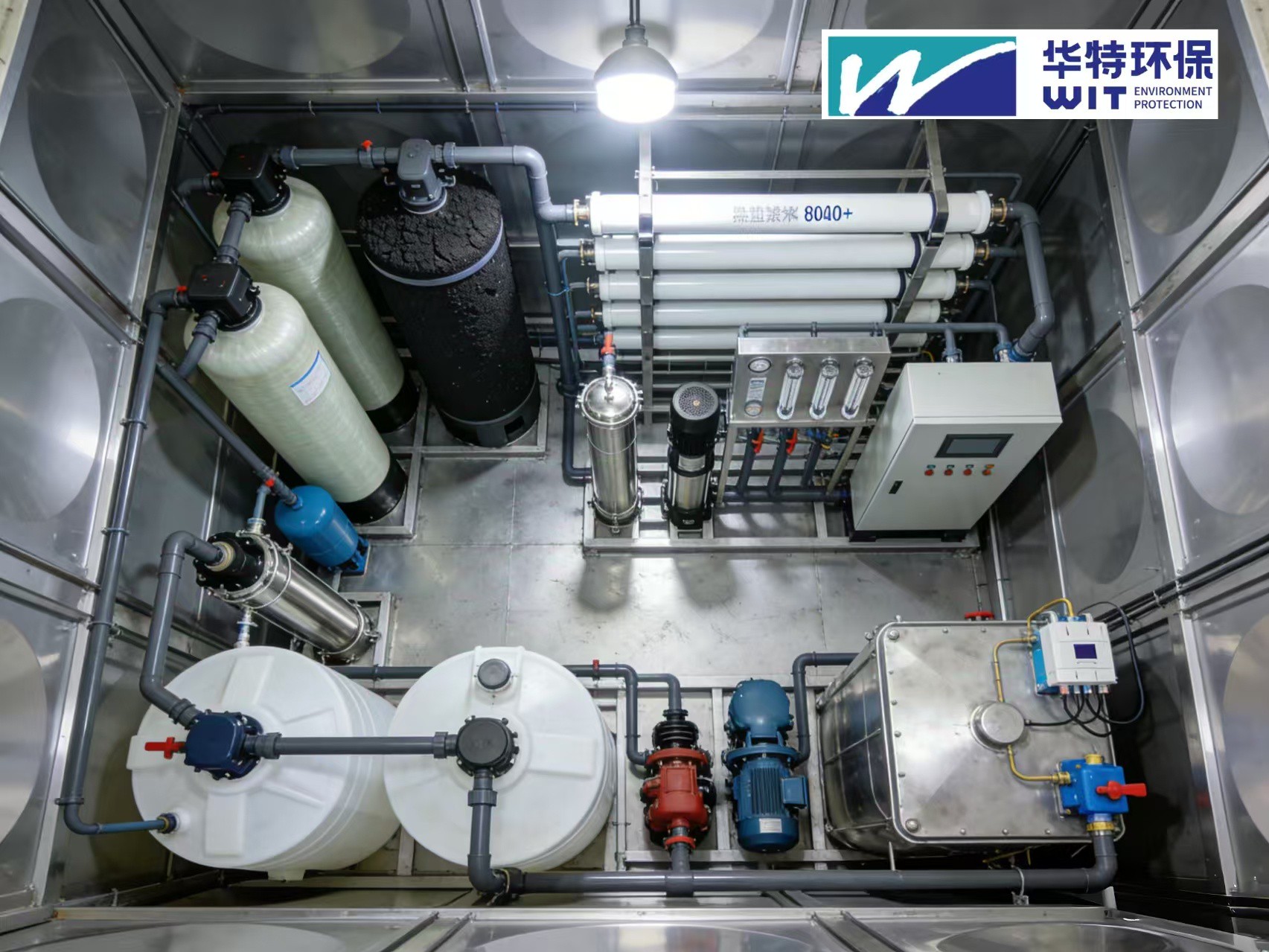
Industrial wastewater treatment equipment is essential for helping manufacturers meet discharge standards, reduce environmental risks, and improve water resource efficiency. Backed by advanced R&D, engineering expertise, and extensive project experience, Shandong Wit Environmental Protection Technology Co., Ltd. delivers reliable, integrated solutions for complex industrial wastewater challenges, supporting cleaner production and sustainable environmental development.
For industrial operators, the central question is rarely whether wastewater must be treated. The more difficult question is which treatment route can remain compliant and economically stable when production volumes, raw materials, seasonal temperatures, and local discharge requirements change. Equipment selection therefore cannot begin with a catalogue comparison. It must begin with the wastewater itself and with a realistic view of the operating conditions surrounding the plant.
Industrial wastewater is a process problem, not a single water-quality category
“Industrial wastewater” covers streams with fundamentally different treatment characteristics. Food and beverage plants may generate wastewater with high biodegradable organic loads, fats, and suspended solids. Textile and dyeing facilities often face fluctuating color, salinity, surfactants, and difficult-to-degrade organics. Chemical, pharmaceutical, metal-processing, pulp, and mining operations can involve toxicity, pH extremes, heavy metals, high conductivity, or persistent compounds that are poorly suited to conventional biological treatment alone.
This distinction matters because an equipment package that performs well on one effluent may fail on another. A biological system designed around stable biodegradable COD, for example, can lose efficiency when a production line introduces biocidal additives, high-salinity rinses, or intermittent solvent-containing streams. Likewise, a filtration unit may look effective in a pilot test but foul rapidly if upstream coagulation, oil removal, or sludge conditioning is inadequate.
Before specifying industrial wastewater treatment equipment, a plant should establish a representative influent profile. This means looking beyond average COD and BOD figures. The assessment should include peak hydraulic flow, batch discharges, suspended solids, oil and grease, pH variation, temperature, conductivity, nutrients, metals, color, toxicity indicators, and the likely presence of treatment-inhibiting chemicals. Sampling must also reflect actual operating cycles. A single daytime composite sample may miss the concentrated discharge created during cleaning, regeneration, or product changeover.
Compliance targets determine the treatment train
The intended destination of treated water is one of the most important design inputs. Direct discharge to a receiving water body, discharge to a municipal sewer, reuse in cooling or washing, and high-grade reuse as process water each require different levels of treatment and monitoring. Local permits, industrial park requirements, and sector-specific rules may impose limits beyond general national standards. In export-oriented manufacturing, customers and financing institutions may also review water-management performance as part of environmental due diligence.
A practical treatment train usually combines several functions rather than relying on one “all-purpose” technology:
- Equalization moderates fluctuations in flow and pollutant concentration, protecting downstream processes from shock loads.
- Physical separation removes grit, floating matter, free oil, and coarse solids through screening, sedimentation, flotation, or hydrocyclone-based systems.
- Physicochemical treatment uses pH adjustment, coagulation, flocculation, precipitation, adsorption, or oxidation where dissolved pollutants cannot be handled biologically.
- Biological treatment reduces biodegradable organics and, where needed, nitrogen through aerobic, anaerobic, or combined processes.
- Advanced polishing may include membrane filtration, activated carbon, ion exchange, advanced oxidation, disinfection, or evaporation where reuse or stringent limits demand it.
- Sludge treatment concentrates, dewaters, stabilizes, and prepares residual solids for compliant disposal or recovery.
The key is sequencing. Introducing membrane filtration before the solids and colloidal load have been reliably controlled can create high cleaning frequency and short membrane life. Installing an oxidation step without identifying the compounds present can result in high chemical consumption with limited pollutant removal. A well-designed system treats the causes of instability upstream instead of repeatedly compensating for them downstream.
Sludge handling is often the hidden cost centre
Many industrial projects focus heavily on water quality while underestimating the operational significance of sludge. Chemical precipitation for metals, lime softening, coagulation, and biological treatment can all generate substantial solids. The cost of transporting, treating, and disposing of those solids may materially affect the lifecycle economics of the wastewater plant.
Dewatering equipment should be chosen according to sludge type, required cake dryness, footprint, automation level, polymer demand, maintenance capability, and disposal route. For continuous applications where a compact arrangement and stable solids separation are needed, a Centrifuge (Skid mounted, Continuous flow, Horizontal Scroll Decanter Type) can be considered as part of the sludge-management section of a broader treatment system. Its value should not be judged only by throughput. Operators need to evaluate feed variability, abrasive content, polymer performance, achievable solids capture, energy use, wear-part requirements, and the practical availability of service support.
A common procurement mistake is to compare dewatering machines only by initial price or nominal capacity. A lower-cost unit that produces a wetter cake can increase haulage and disposal volumes for years. Conversely, specifying very high dryness without considering sludge rheology and polymer conditioning can lead to disappointing field performance. Bench testing or pilot work with actual sludge is often more useful than generic vendor data.
Reliability depends on upstream production discipline
Wastewater equipment cannot fully compensate for uncontrolled production practices. High chemical consumption, irregular maintenance, inconsistent separation of concentrated streams, and the uncontrolled release of cleaning agents can turn a technically sound facility into a difficult operating asset.
Source segregation is particularly important. High-strength waste, metal-bearing rinse water, oily wastewater, cooling blowdown, domestic sewage, and stormwater should not automatically be mixed. Separate collection can reduce treatment volume, enable resource recovery, avoid diluting recoverable materials, and prevent toxic streams from damaging biological processes. In some facilities, a relatively modest investment in segregation and equalization produces a better outcome than adding complexity to the end-of-pipe plant.
Water balance is equally important. Design teams should map where water enters the factory, where it is used, and where it leaves. This reveals opportunities to reduce pollutant loading before treatment, reuse lower-grade water for suitable utility purposes, and identify unexplained flows that may indicate leakage or cross-connections. Water reuse can be commercially attractive, but only when the required quality is matched to the intended use. Treating water to near-potable quality for a low-risk washdown task may add unnecessary capital and operating cost.
Automation improves visibility, but it does not replace operating expertise
Modern industrial wastewater treatment equipment increasingly incorporates online instrumentation, automated dosing, remote monitoring, variable-frequency drives, and data logging. These tools can improve consistency and make deviations visible earlier. Online pH, flow, turbidity, conductivity, dissolved oxygen, oxidation-reduction potential, and selected organic-load indicators can support rapid intervention when properly maintained and interpreted.
However, sensor-based control should not be mistaken for unattended treatment. Instrument calibration, sampling-line maintenance, reagent quality, and operator response procedures remain essential. Automation is most effective when it supports a defined operating strategy: what conditions trigger alarms, who investigates them, which production changes must be reported to the treatment team, and how non-compliant water is isolated before discharge.
For plants with fluctuating output, the ability to record trends is also commercially valuable. Historical data can demonstrate compliance performance, support discussions with regulators or industrial parks, identify avoidable chemical use, and provide evidence when evaluating an expansion or reuse project.
How to assess an equipment supplier beyond the proposal document
Industrial buyers should treat a wastewater project as an engineering and operational partnership rather than a one-time equipment purchase. The proposal should clearly state the design basis, including influent assumptions, treatment objectives, expected consumables, utility demand, sludge output, and performance boundaries. Ambiguous claims such as “high removal efficiency” are of limited value unless they are tied to specified influent ranges and measurable outlet conditions.
Relevant references matter, but the closest reference is not necessarily the largest installation. A comparable project should have similar wastewater chemistry, load variability, discharge requirements, climate conditions, and operating philosophy. Engineering capability is especially important when the project requires integration with existing tanks, production schedules, utility systems, or local civil works.
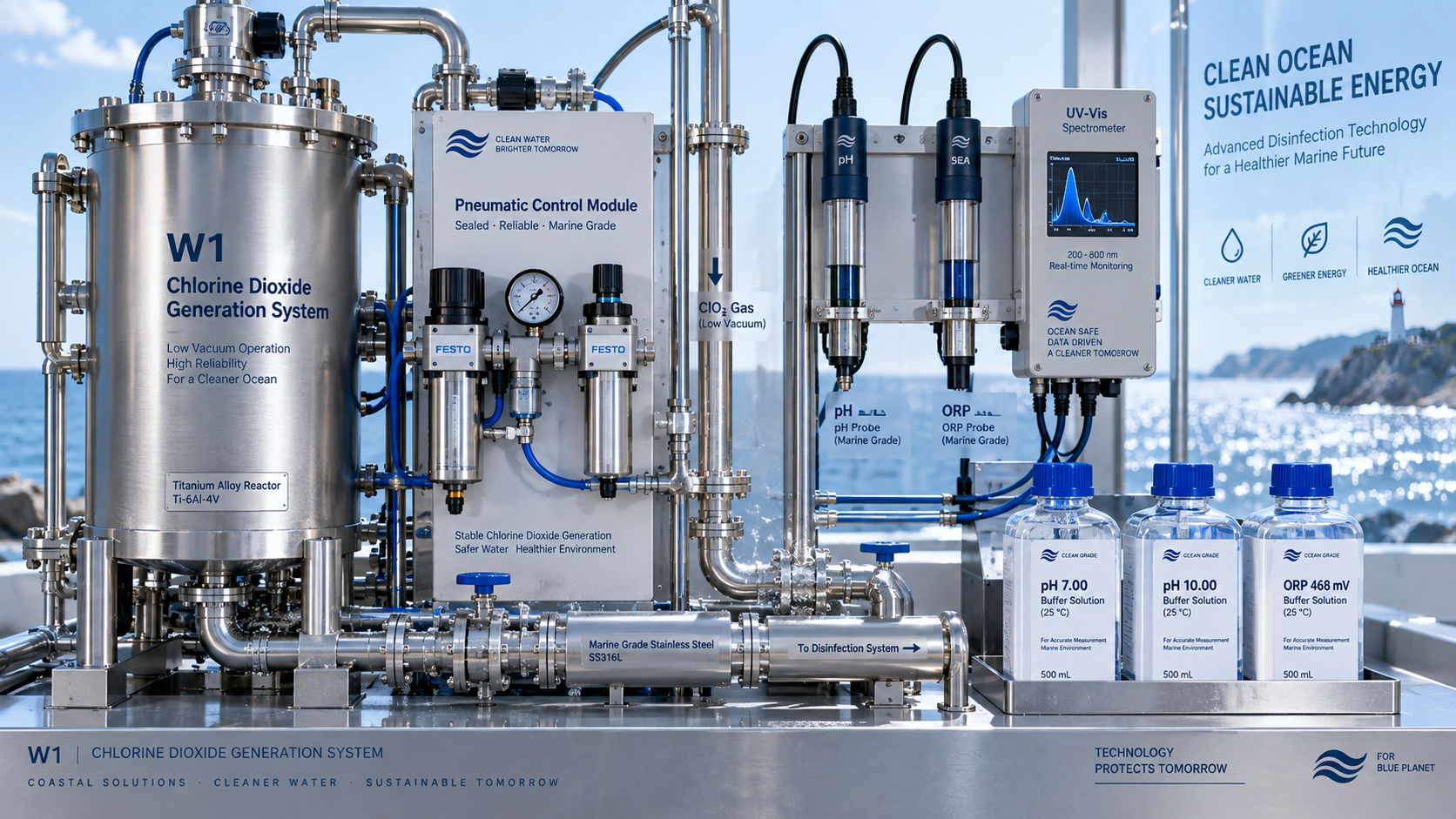
Buyers should also examine the practical handover package: process drawings, equipment lists, electrical documentation, control logic, commissioning procedures, spare-parts recommendations, training, and support arrangements. If chemicals such as chlorine dioxide are used for disinfection or oxidation-related applications, safe generation, storage, dosing, ventilation, and interlocking requirements need to be addressed as part of the system design rather than after installation.
The market direction: lower risk, lower resource intensity, stronger traceability
The industrial wastewater sector is moving beyond simple end-of-pipe compliance. Manufacturers are under pressure to reduce freshwater intake, improve resilience against water scarcity, control disposal liabilities, and document environmental performance more rigorously. This is increasing interest in modular retrofits, wastewater reuse, higher-efficiency solids separation, selective recovery of useful materials, and digital monitoring.
Yet the most successful projects will not necessarily be those using the most advanced technology. They will be the systems that match treatment complexity to the actual risk profile of the wastewater, can be operated consistently by the available team, and remain economical under real production conditions. For industrial decision-makers, that is the standard by which wastewater treatment equipment should be judged: not by the number of technologies installed, but by reliable compliance, manageable operating cost, and a credible path toward cleaner production.



 What pretreatment requirements must be met before feeding raw water to Large-Scale Integrated Skid-Mounted Water Purification Treatment Equipment?
 What scalability limitations exist for Large-Scale Integrated Skid-Mounted Water Purification Treatment Equipment in phased expansion projects?
 What footprint reduction does Large-Scale Integrated Skid-Mounted Water Purification Treatment Equipment deliver versus conventional concrete plants?
 How ConstantPressure Water Supply Skid-Mounted Equipment avoids water hammer during pump start-up in district heating networks
 chlorine dioxide preparation technology in coastal desalination plants?") What maintenance intervals are validated for W1 type (low negative pressure) chlorine dioxide preparation technology in coastal desalination plants?
What maintenance intervals are validated for W1 type (low negative pressure) chlorine dioxide preparation technology in coastal desalination plants? Does Large-Scale Integrated Skid-Mounted Water Purification Treatment Equipment include redundant control logic for SCADA integration?
GET A FREE QUOTE
Service Commitment: Upon receipt of your message, a dedicated representative will contact you as soon as possible to provide efficient and professional service support.
