







How Water Purification Treatment Equipment Helps Meet Water Quality Compliance
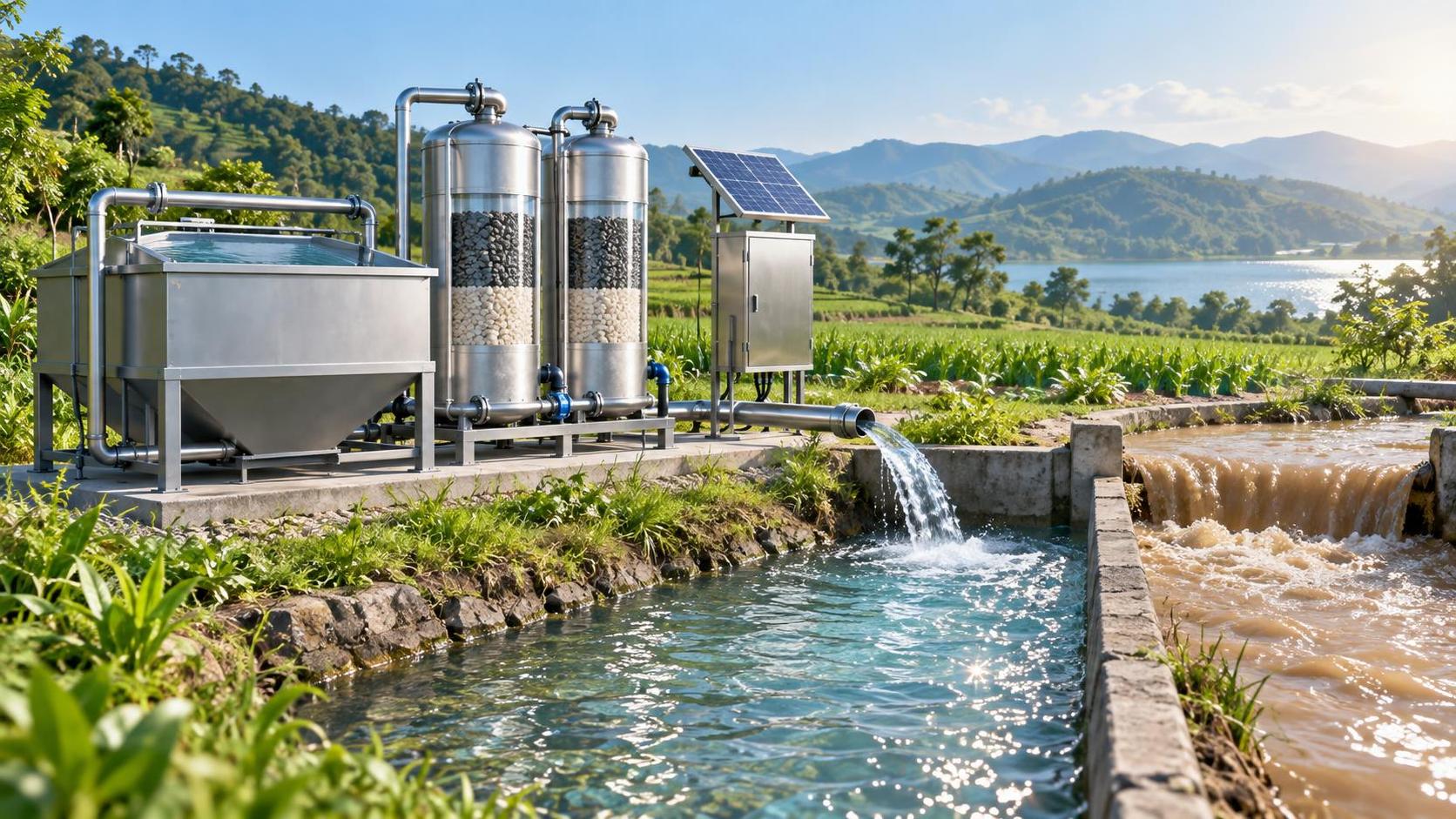
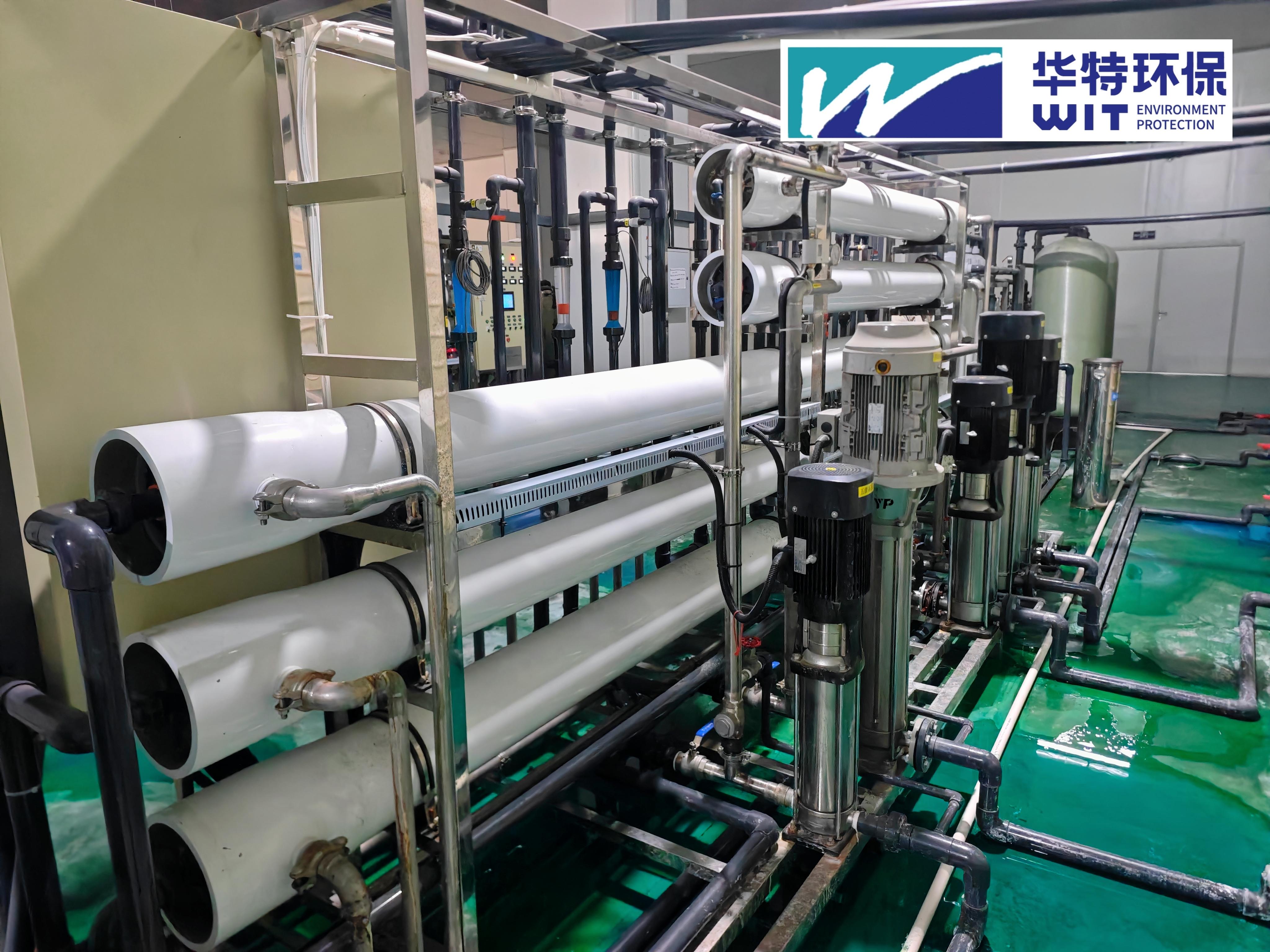
Meeting water quality compliance is no longer a matter of periodic sampling alone. Stable performance now depends on Water Purification Treatment Equipment that can control variability, reduce discharge risk, and keep treatment results within tighter regulatory limits across industrial and municipal systems.
That shift matters because non-compliance rarely comes from one dramatic failure. More often, it starts with unstable influent, inconsistent dosing, weak disinfection, or incomplete process coordination. The right equipment helps turn water treatment from reactive correction into controlled, traceable performance.
Why compliance now depends on process stability
Water standards are becoming more demanding in both environmental and operational terms. Limits on COD, ammonia nitrogen, suspended solids, residual disinfectants, and microbial indicators require treatment systems to perform consistently, not occasionally.
In practice, compliance is closely tied to repeatability. If feedwater changes every day, manual intervention alone cannot reliably keep output water within target ranges. Water Purification Treatment Equipment adds control, automation, and measurable treatment logic.
This is especially relevant in sectors with fluctuating loads, such as municipal wastewater, industrial production, aquaculture, pulp processing, and large-scale utility water treatment. Each requires a different combination of physical, chemical, and biological treatment steps.
What Water Purification Treatment Equipment actually covers
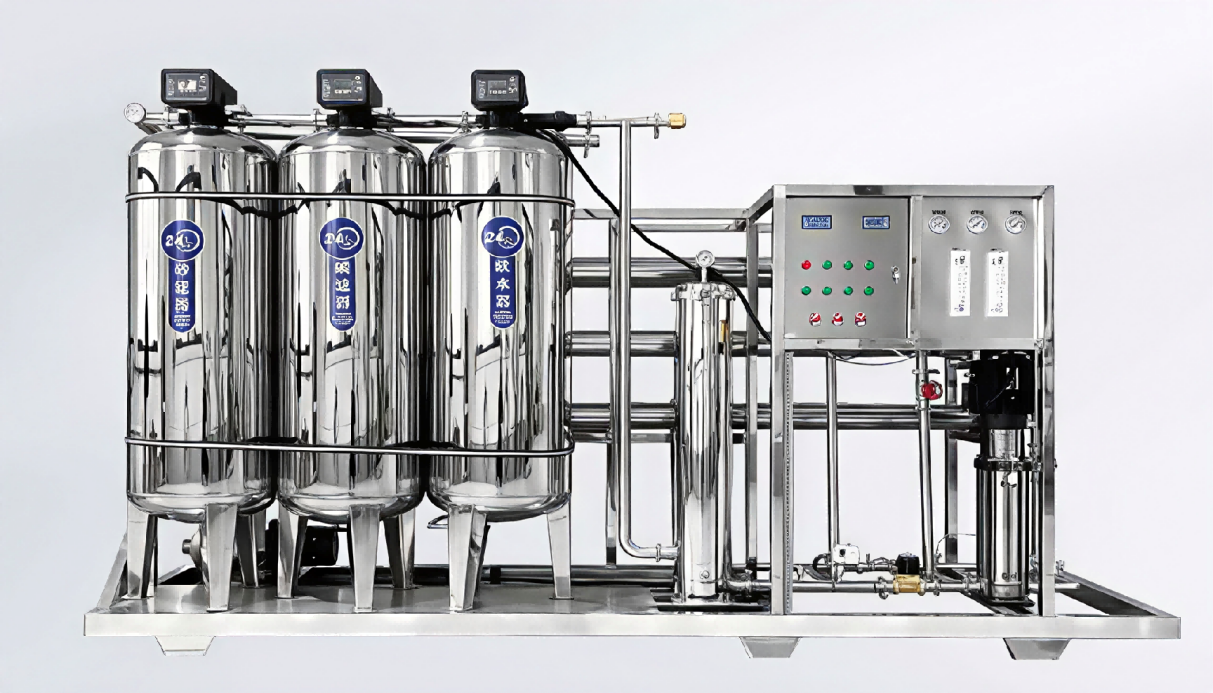
The term includes more than filters or disinfection units. It refers to integrated treatment systems used to remove contaminants, adjust water chemistry, and maintain safe, compliant discharge or reuse quality.
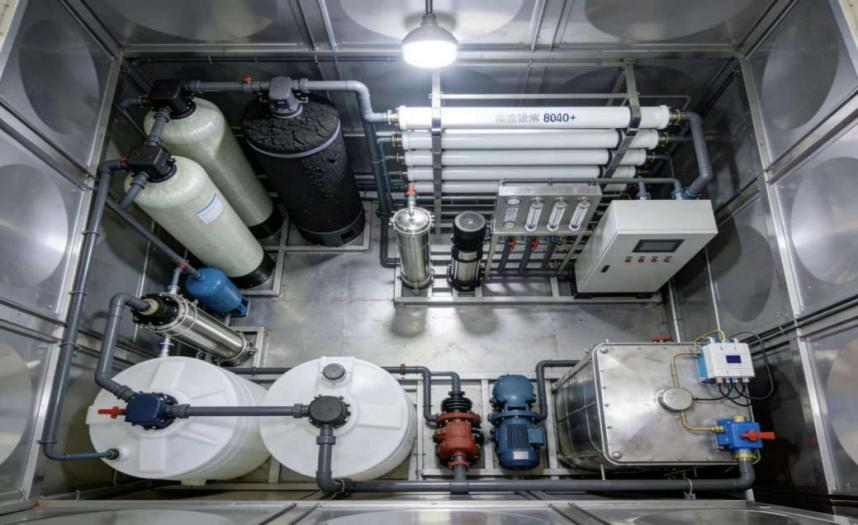
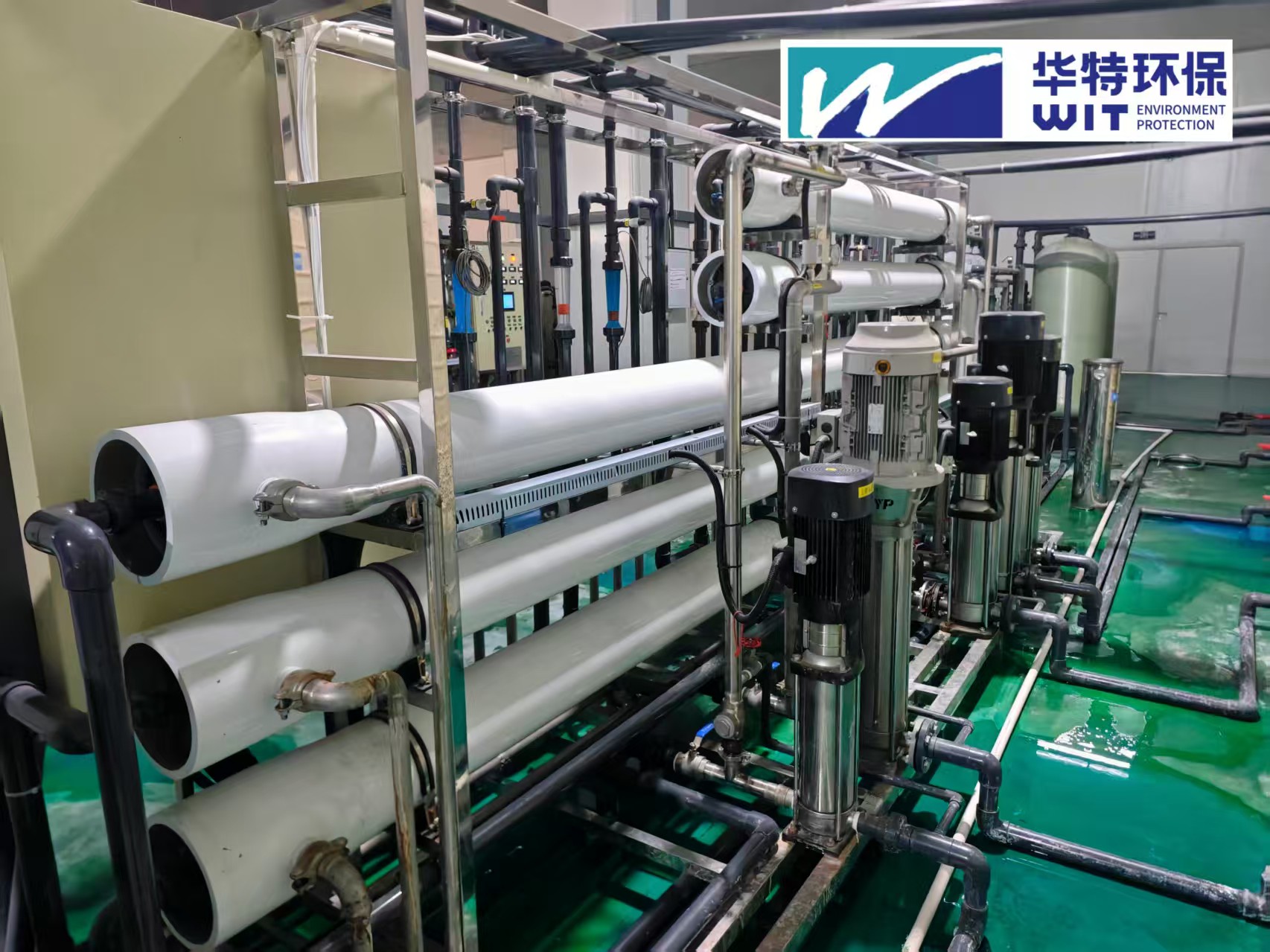
Typical equipment groups include screening, sedimentation, dosing, oxidation, chlorine dioxide generation, filtration, sludge handling, and online monitoring. The value comes from how these elements work together.
For many facilities, the weak point is not the core technology itself. It is the interface between stages, such as uneven chemical addition, poor contact time, or delayed response to changing influent conditions.
The compliance function of each treatment layer
Where equipment choice affects compliance most
Some compliance failures are visible, such as turbidity spikes or odor. Others appear only in data trends, including rising reagent consumption, unstable residuals, or higher sludge production. Equipment selection directly influences those trends.
Accurate dosing is a good example. When coagulants, disinfectants, or pH-adjusting chemicals are added inconsistently, treatment efficiency changes quickly. A controlled system such as Automatic Dosing Device for Sewage Treatment can help maintain repeatable chemical input under variable loads.
Disinfection technology also matters. In large-scale water and wastewater applications, chlorine dioxide is widely valued for its oxidation strength and broad-spectrum disinfection effect. But compliance depends on safe generation, stable concentration, and proper process integration.
This is where engineering experience becomes important. Shandong Wit Environmental Protection Technology Co.Ltd combines research, consulting, and engineering contracting across wastewater treatment, ecological restoration, and chlorine dioxide production equipment, linking equipment design with real operating conditions.
From municipal systems to industrial wastewater
Water Purification Treatment Equipment is not selected in the same way for every site. Municipal wastewater plants usually prioritize stable long-cycle performance, effluent consistency, and manageable operating costs.
Industrial wastewater often presents a different profile. Higher salinity, complex organics, color, variable pH, and intermittent discharge can make standard treatment trains insufficient without process-specific adjustments.
Aquaculture and regional ecological projects add another dimension. Water quality needs are tied not only to discharge compliance but also to biological health, odor control, nutrient balance, and local environmental restoration outcomes.
Experience across these scenarios improves decision quality. With more than ten years in water treatment and over 100 government projects, Shandong Wit has built a practical base in municipal, industrial, and ecological governance applications.
Common decision points across scenarios
- How much does influent quality fluctuate over time?
- Which parameters create the highest compliance risk?
- Can the system maintain output during peak loads?
- Is chemical consumption predictable and traceable?
- How easily can operators verify treatment effectiveness?
How to judge whether a system is fit for compliance goals
A useful assessment starts with risk, not equipment names. The key question is which treatment stage most often causes a deviation from target water quality.
If the issue is dosing variability, focus on automation and calibration. If disinfection is unstable, examine oxidant generation, contact conditions, and residual control. If sludge is excessive, upstream separation or coagulation may be the real problem.
It is also worth reviewing whether the treatment line supports data-based management. Water Purification Treatment Equipment should make compliance easier to verify through monitoring points, process records, and maintenance visibility.
For facilities upgrading existing lines, incremental improvements can be effective. Adding better control to chemical dosing, optimizing chlorine dioxide application, or refining polishing stages may deliver stronger compliance without full reconstruction.
A second look at equipment like the Automatic Dosing Device for Sewage Treatment often makes sense when discharge quality is technically adequate but inconsistent in daily operation.
Turning compliance into a long-term operating standard
The most reliable compliance strategy treats equipment as part of a wider management system. Technology, operating discipline, monitoring logic, and maintenance planning need to support one another.
That is why integrated environmental companies remain relevant. With strengths in R&D, university collaboration, chlorine dioxide equipment, wastewater engineering, and ecological governance, Shandong Wit reflects a model where treatment performance is built around system coordination.
When reviewing future upgrades, start by mapping water quality risks, process bottlenecks, and control gaps. Then compare Water Purification Treatment Equipment not only by capacity, but by stability, adaptability, and evidence of performance under real conditions.
That approach makes the next decision clearer: choose equipment that helps maintain compliance every day, not only during inspection periods.



 Small Water Purification System Performance Under Variable Turbidity: Real-World Data from Off-Grid Agricultural Communities
 When Does a Small Water Purification System Outperform Centralized Treatment? Use Cases in Disaster Response and Mining Camps
 Small Water Purification System for Remote Clinics: Power-Independent Options and WHO Drinking Water Guidelines Compliance
 Ultrapure Water Equipment ROI Calculator: Estimating Payback Period Based on Yield Improvement and Defect Reduction
 How Ultrapure Water Equipment Validates Compliance with SEMI F63-1118 for 28nm+ Wafer Fabrication
") Ultrapure Water Equipment for Semiconductor Manufacturing: Key Specifications Beyond Resistivity (TOC, Particle Count, Metals)
Ultrapure Water Equipment for Semiconductor Manufacturing: Key Specifications Beyond Resistivity (TOC, Particle Count, Metals)
GET A FREE QUOTE
Service Commitment: Upon receipt of your message, a dedicated representative will contact you as soon as possible to provide efficient and professional service support.
