







How Does a Wastewater Treatment Plant Work?
A wastewater treatment plant works by moving used water through a series of physical, biological, and chemical processes that remove solids, organic pollution, nutrients, and harmful microorganisms before the water is discharged or reused. The sequence sounds straightforward, but successful treatment depends on matching the process to the wastewater itself. Domestic sewage, food-processing effluent, textile wastewater, and aquaculture wastewater do not behave the same way.
For most people, the key question is simple: what happens after wastewater goes down a drain? It does not become clean in one tank. It passes through several treatment barriers, and each barrier targets a different type of contaminant. When one stage is poorly designed or poorly operated, the stages after it must work harder and discharge quality can quickly become unstable.
How Does a Wastewater Treatment Plant Work From Inlet to Outlet?
At a basic level, a wastewater treatment plant separates pollution into three streams: materials that can be screened or settled, dissolved contaminants that microorganisms can consume, and contaminants that need a specific treatment step, such as nutrients, color, refractory chemicals, or pathogens.
The incoming flow first enters the headworks. Screens remove large debris such as plastics, rags, leaves, packaging, and other materials that could clog pumps or damage equipment. Grit chambers then separate sand, gravel, and other heavy mineral particles. These are not minor details. A plant can have a well-designed biological system and still suffer repeated downtime if its screening and grit removal are inadequate.
After preliminary treatment, wastewater usually enters primary clarification. In this tank, flow is slowed so heavier suspended solids settle to the bottom while oils and floating matter rise to the surface for removal. The material collected from the bottom is called primary sludge. Primary treatment can reduce the load sent to later stages, but it does not remove most dissolved organic matter or nutrients.
The Biological Stage Does Most of the Everyday Cleaning
Biological treatment is the part of the process most people mean when they picture a modern wastewater treatment plant. Here, carefully maintained microbial communities break down biodegradable pollutants. The water is mixed with activated sludge, biofilm media, or another biological growth system, and air is often supplied to maintain oxygen for aerobic microorganisms.
These microorganisms use organic pollutants as a food source. In practical terms, they reduce the oxygen-demanding load that would otherwise deplete oxygen in a river, lake, or coastal receiving water. A secondary clarifier normally follows the biological reactor. It allows the biological solids to settle, producing clearer treated water at the top. Part of the settled biomass is returned to keep the process active; excess biomass is removed for sludge treatment.
This stage is often described as if microbes simply “eat the dirt.” That explanation is useful, but incomplete. Biological systems need stable loading, suitable temperature, adequate oxygen or anoxic conditions, appropriate nutrients, and protection from toxic shocks. A sudden discharge containing solvents, strong oxidants, excessive salinity, or extreme pH can disrupt the biomass. Industrial facilities should therefore avoid assuming that a municipal-style biological process will automatically solve every wastewater problem.
Nitrogen and phosphorus need particular attention where discharge limits or receiving-water sensitivity require nutrient control. Nitrogen removal commonly relies on nitrification and denitrification: one biological condition converts ammonia, while another allows nitrogen gas to leave the water. Phosphorus may be removed biologically, chemically, or through a combined approach. The right choice depends on influent characteristics, required effluent quality, operating capacity, and chemical management capability.
Polishing and Disinfection Are Not the Same Thing
After secondary treatment, the water may already look clear, but appearance alone is a poor indicator of quality. Fine suspended solids, remaining nutrients, color, dissolved contaminants, and microorganisms may still be present. Plants add tertiary or advanced treatment when the intended discharge or reuse standard requires it.
Possible polishing steps include filtration, membrane treatment, adsorption, chemical precipitation, advanced oxidation, or constructed wetlands. A constructed wetland can be an effective part of a broader ecological treatment strategy where land, hydraulic conditions, seasonal performance, and maintenance arrangements support its use. It should not be treated as a universal substitute for a properly sized treatment plant, especially where influent strength fluctuates sharply or very tight limits apply.
Disinfection is typically the final protection step when treated water may carry pathogens into a receiving water, reuse network, or sensitive setting. Chlorination, chlorine dioxide, ultraviolet treatment, and ozone are among the options used in different applications. The selection should consider pathogen control, residual requirements, water quality, safety procedures, by-products, and downstream use. Chlorine dioxide can be valuable in selected industrial and municipal water applications, but dosing and generation systems must be designed and operated with appropriate process and safety controls.
What Happens to the Sludge?
Wastewater treatment does not make pollution disappear; much of it is transferred from water into sludge. That sludge is thickened, stabilized, dewatered, and then managed through disposal, beneficial use, further treatment, or resource recovery, subject to applicable local requirements.
Sludge handling is frequently underestimated during early project discussions. It affects land area, energy use, odor control, transport needs, operating labor, and long-term cost. A compact liquid-treatment system may look attractive on paper, yet become difficult to run if there is no practical route for storing, dewatering, or removing sludge. Good plant design considers the solids line from the beginning, not after the water line is complete.
Why Plants Differ Between Municipal and Industrial Sites
Municipal wastewater is often relatively predictable, though rainfall infiltration, seasonal population changes, and illegal discharges can still create problems. Industrial wastewater can vary much more widely. High chemical oxygen demand, salt, oil, metals, dyes, persistent organics, and shifts in production schedules may require equalization, source segregation, pH adjustment, chemical treatment, or specialized advanced processes before biological treatment is viable.
A common mistake is selecting equipment based only on daily flow. Flow matters, but it is not enough. A plant treating 100 cubic meters per day of low-strength domestic wastewater is fundamentally different from one treating the same volume of concentrated printing and dyeing wastewater. Decision-makers should first confirm flow variation, pollutant concentrations, temperature, pH, salinity, biodegradability, discharge destination, and the required compliance standard. Laboratory analysis and representative sampling are usually more valuable than an early equipment quotation.
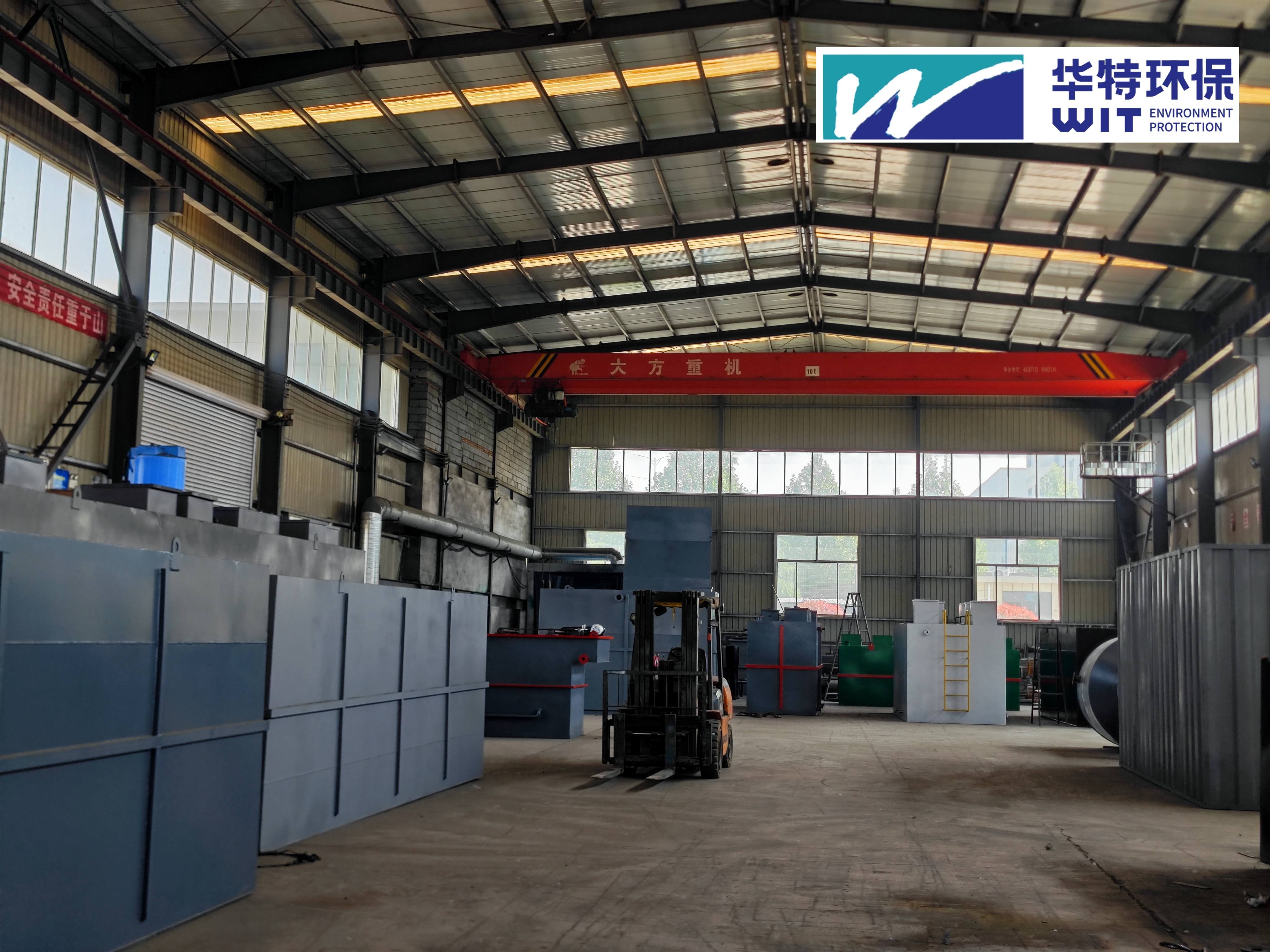
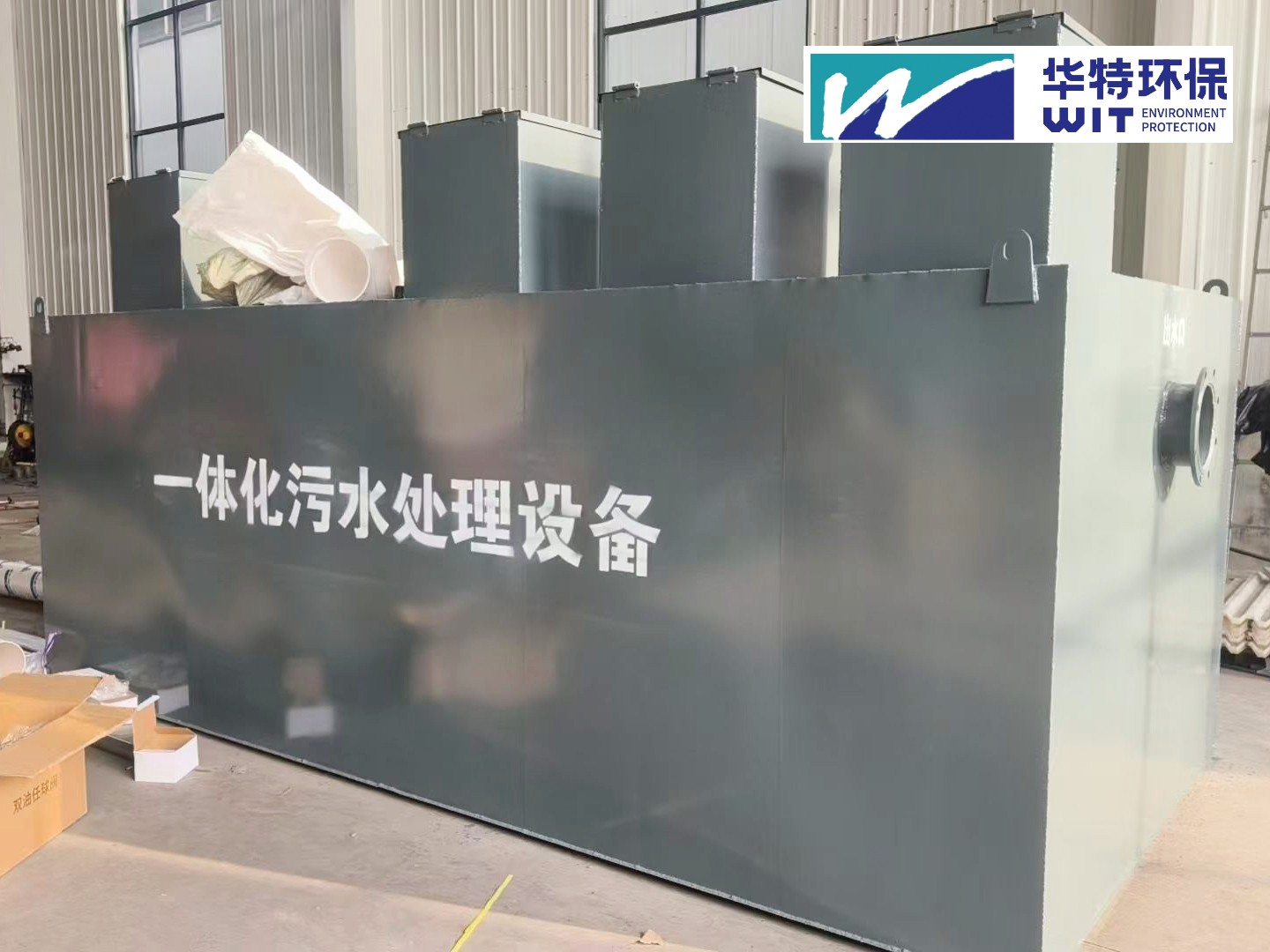
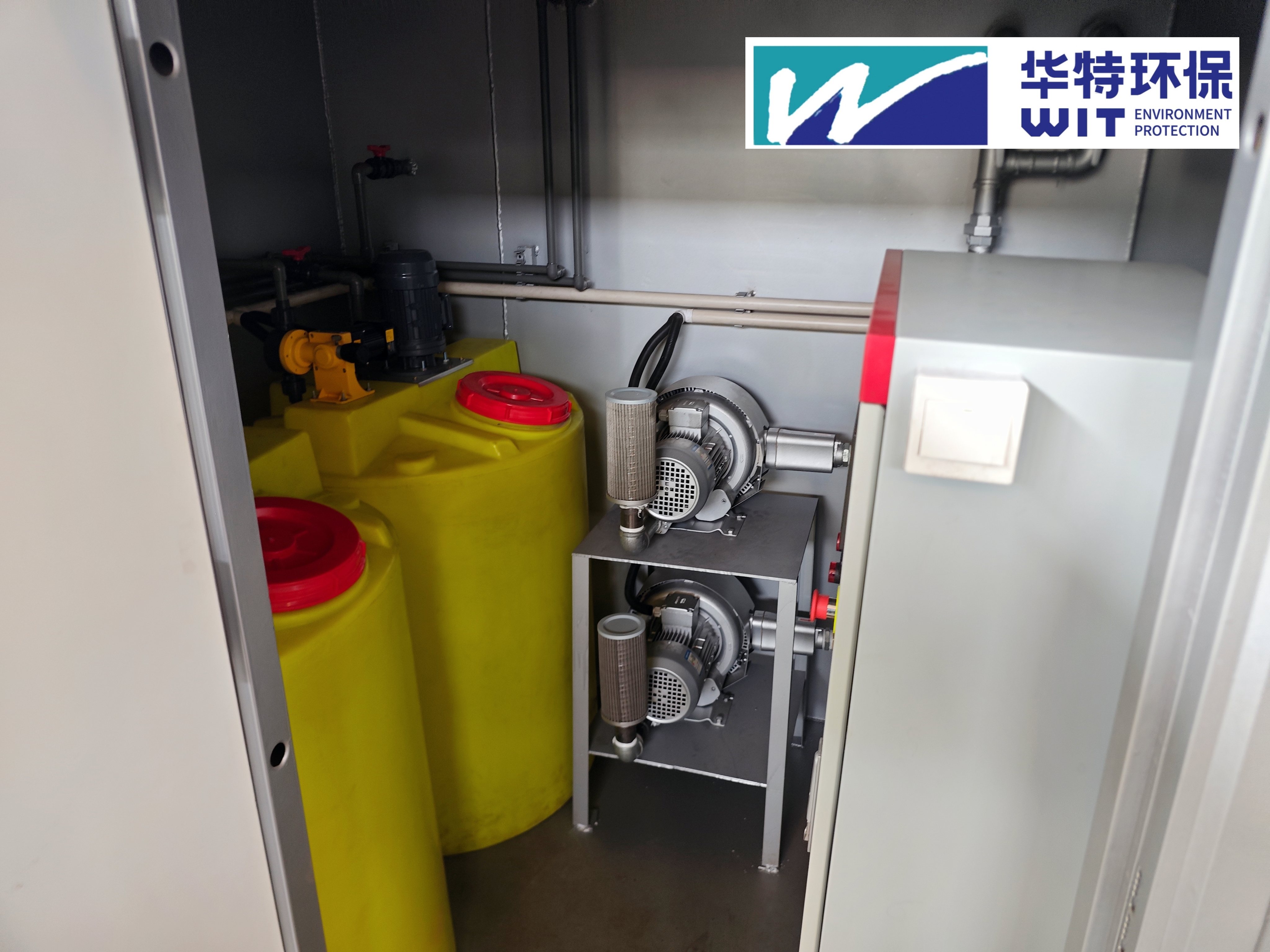
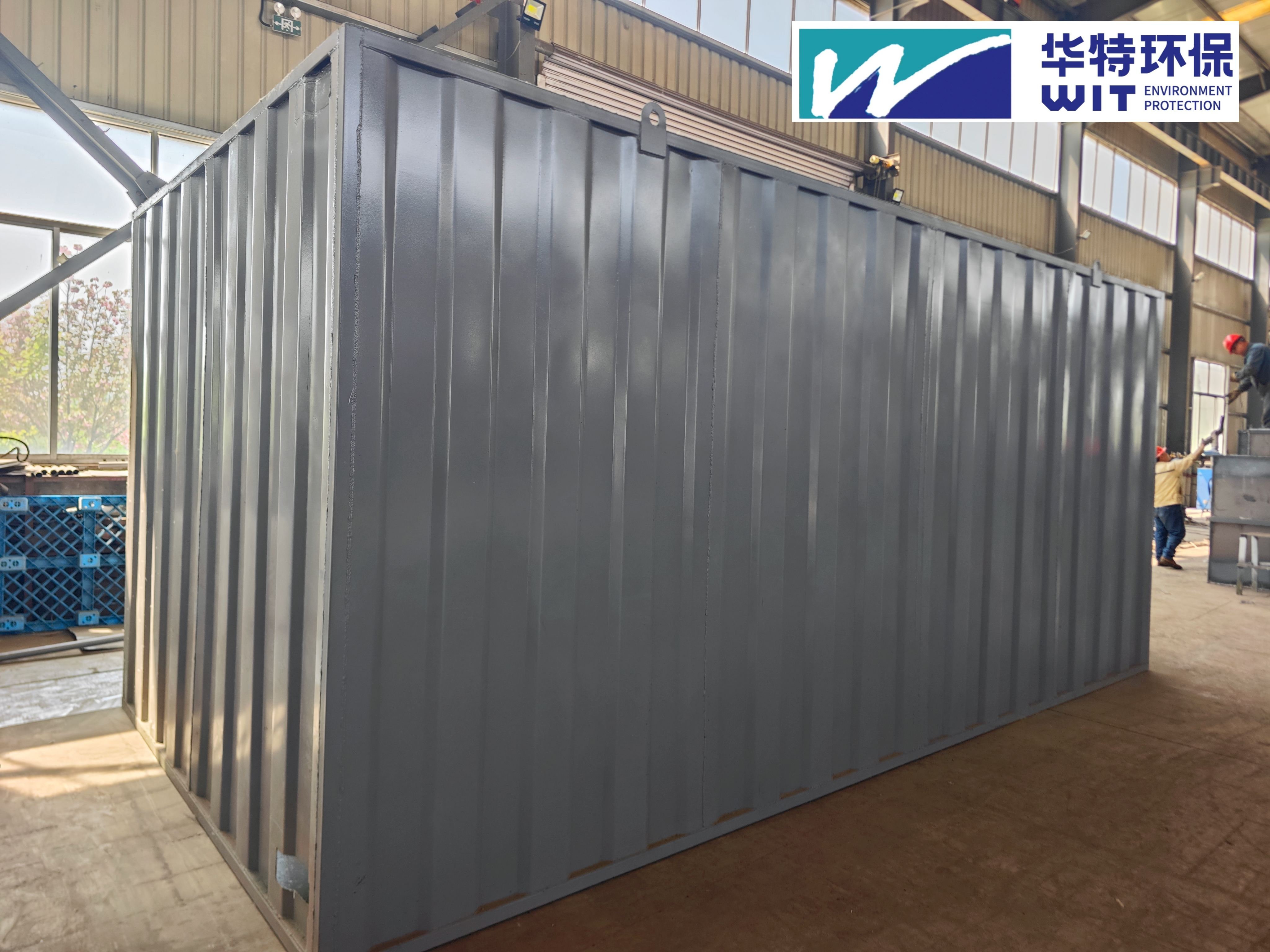
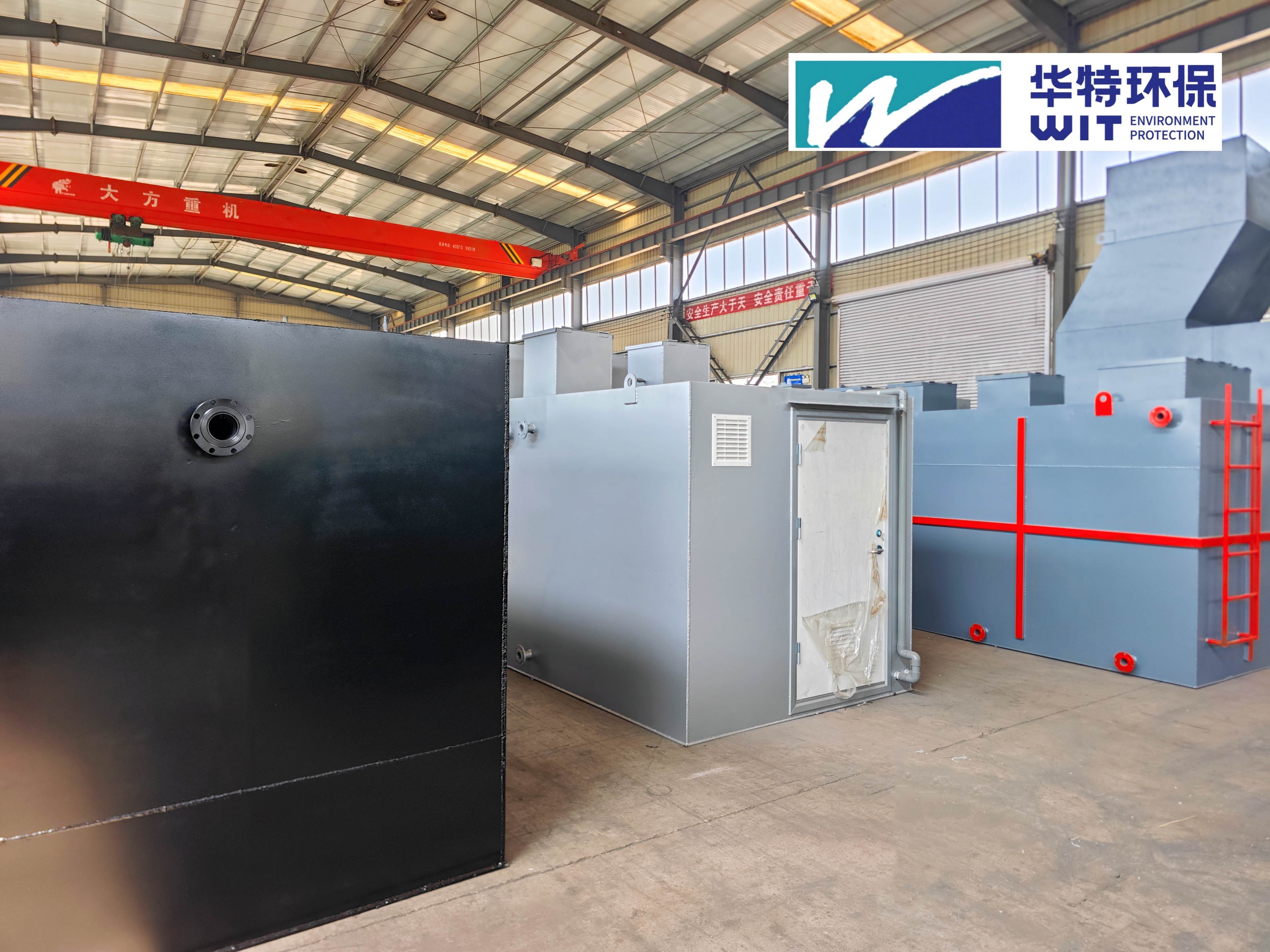
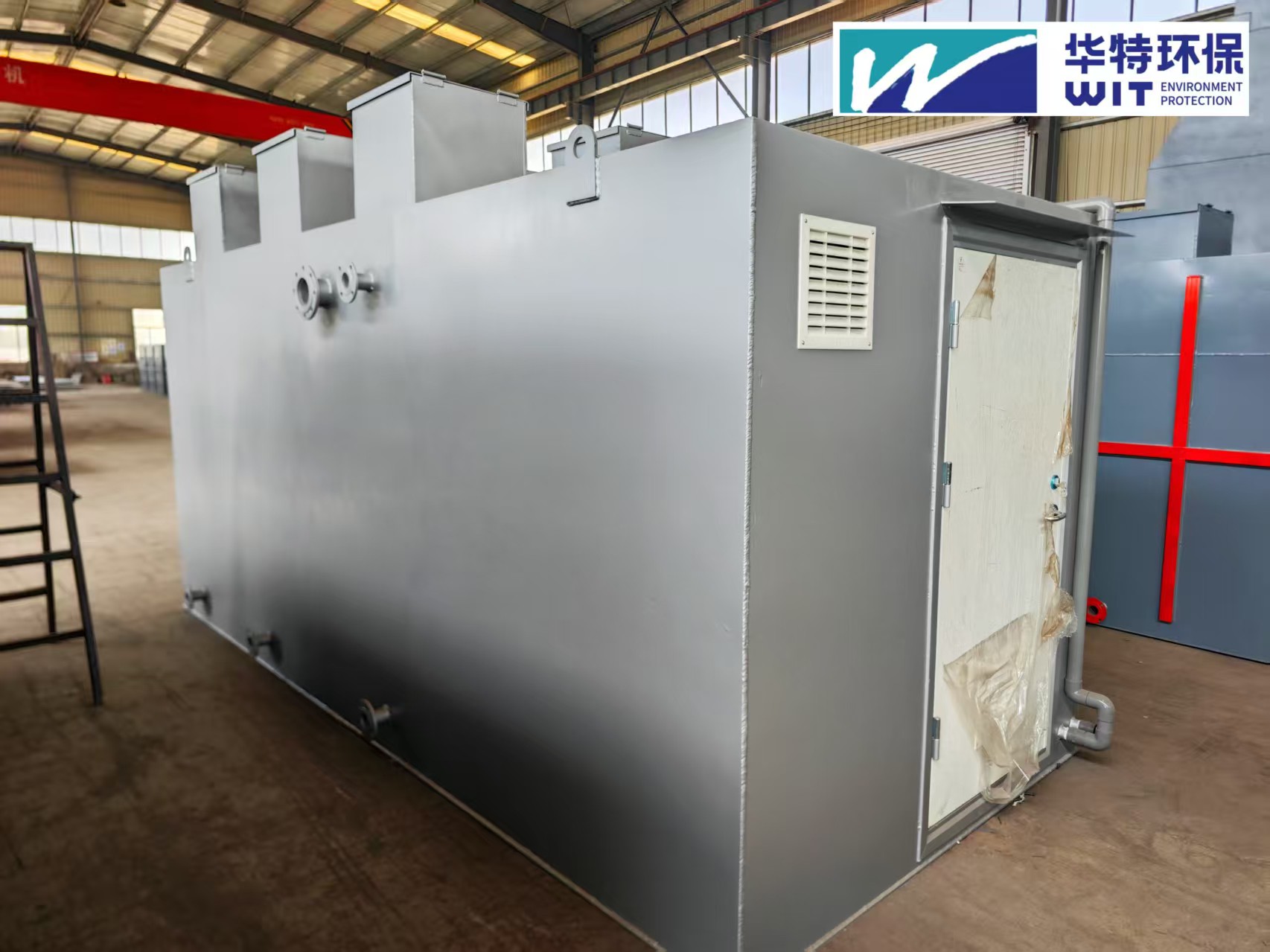
For commercial sites, temporary facilities, decentralized applications, or projects with limited installation space, packaged systems may be worth evaluating. An Industrial & Commercial Water Purification Treatment Equipment (Skid mounted Integrated Type) can be a practical format when the treatment objective, influent quality, utility connections, operator access, and residuals management have already been defined. It is not a shortcut around proper process selection. A skid-mounted unit still needs the right pretreatment and a realistic plan for concentrate, sludge, spent media, or other waste streams where applicable.
Operational Details Often Decide Whether a Plant Performs Well
Many treatment failures are operational rather than conceptual. Pumps may be undersized for peak flow. Screens may not be cleaned reliably. Aeration can consume excessive energy or provide too little oxygen. Chemical dosing may follow a fixed setting even after influent conditions change. Instruments may be installed but not calibrated or used for routine decisions.
Stable operation comes from regular monitoring and timely adjustment. Operators commonly track flow, pH, dissolved oxygen, suspended solids, settling behavior, nutrient indicators, and effluent quality parameters relevant to the permit or reuse target. The exact monitoring plan should be based on the process and regulatory obligations, not copied from another facility.
Experienced engineering support is especially useful where wastewater sources are mixed or where a project combines treatment with ecological restoration and reuse. Shandong Wit Environmental Protection Technology Co., Ltd. has more than a decade of wastewater-treatment experience across municipal, industrial, and aquaculture applications, alongside work in constructed wetlands and broader regional environmental projects. That breadth matters because the best answer is often not a single unit process, but a treatment train that accounts for the site, the receiving environment, and how the facility will actually be operated.
What to Check Before Choosing a Wastewater Treatment Plant
Before committing to a design, ask four practical questions. First, what enters the plant during normal operation and during the worst production day? Second, what must the effluent achieve, and where will it go? Third, who will operate and maintain the system after commissioning? Fourth, how will sludge and other residuals be managed?
These questions prevent two expensive errors: overbuilding a complex system that the site cannot operate, or underbuilding a simple system that cannot consistently meet discharge requirements. The right wastewater treatment plant is not necessarily the most complicated one. It is the one that reliably matches the water, the compliance target, the available footprint, and the operator’s real capabilities.
Understanding how does a wastewater treatment plant work makes it easier to evaluate proposals, ask better technical questions, and recognize that clean discharge is the result of a connected process rather than a single piece of equipment. When the influent is characterized honestly and each stage has a clear role, wastewater treatment becomes more dependable, more manageable, and better aligned with long-term environmental protection.


GET A FREE QUOTE
Service Commitment: Upon receipt of your message, a dedicated representative will contact you as soon as possible to provide efficient and professional service support.
