







Wastewater Treatment Plant for Industrial Applications
Wastewater Treatment Plant for Industrial Applications: Designing for Real Operating Conditions
A wastewater treatment plant for industrial applications is not simply a compliance asset placed at the end of a production line. It has to work through changes in raw materials, production schedules, cleaning cycles, seasonal temperatures, and occasional upset conditions. When a treatment system is designed around a single “typical” water sample, it may perform well on paper but struggle when the factory runs at full load or switches products.
For manufacturers, the practical question is rarely whether wastewater needs treatment. The harder question is how to build a plant that can consistently meet the relevant discharge or reuse requirements without becoming an operational burden. That requires a clear understanding of the wastewater itself, the receiving environment, the site constraints, and the people who will run the facility after commissioning.
Industrial water treatment also sits at the intersection of environmental control, production continuity, chemical management, sludge handling, and energy use. A good solution needs to recognize those trade-offs early rather than attempt to solve every issue by adding more equipment later.
Why industrial wastewater cannot be treated as a standard utility stream
Municipal sewage is often relatively predictable compared with industrial effluent. Industrial wastewater may contain high organic loads, color, suspended solids, oils, salts, surfactants, nutrients, heavy metals, toxic compounds, bleaching chemicals, or residues from specialty production. Even within the same sector, two plants can require very different process trains because their feedstocks and operating habits differ.
Printing and dyeing wastewater, for example, may raise concerns around color removal, refractory organics, salt content, and variable pH. Pulp-related processes can involve bleaching chemistry and substantial fluctuations in pollutant characteristics. Food processing facilities may face high biodegradable organic loads, grease, and intermittent peak flows caused by washdown. Aquaculture wastewater has another profile again, often requiring careful management of solids and nutrient-related issues.
This is why an industrial wastewater treatment plant should begin with more than a laboratory report. Historical water-quality data is useful, but engineers also need to understand batch discharges, maintenance cleaning, accident drainage, shifts in capacity, potential future expansion, and whether influent quality changes when production changes. The most troublesome pollutants are often not the ones appearing in the average sample; they are the ones arriving suddenly during a short period of operation.
Start with the discharge route and the real treatment objective
The intended outlet determines much of the design logic. A facility discharging to a municipal collection system may face different requirements from one discharging directly to a water body. A plant planning internal reuse for washing, cooling, or other non-potable applications needs an additional discussion: reused water quality must suit the equipment it will contact, not merely look clear at the final outlet.
It is worth separating four objectives that are often mixed together:
- Reliable compliance with applicable discharge conditions;
- Protection of downstream sewers, treatment units, and receiving waters;
- Recovery or reuse of water and materials where technically justified;
- Stable operation at a cost the facility can support over time.
These goals can align, but not automatically. A highly polished reuse-water scheme may be appropriate where freshwater availability is constrained or reuse demand is steady. In other cases, the added membrane systems, concentrate management, cleaning requirements, and operator workload may not be justified. The right choice depends on the water balance and on-site needs, not on a generic preference for the most complex process.
The process train should follow the pollutants, not a catalogue
Most effective industrial treatment systems combine several stages. Equalization is frequently underestimated, yet it can be one of the most valuable units in the entire plant. By buffering fluctuations in flow, pH, concentration, and temperature, it protects downstream biological and chemical processes from shock loading. Where wastewater is highly variable, an undersized equalization tank can create years of operating difficulty.
Depending on the wastewater, pretreatment may include screening, oil separation, sedimentation, pH adjustment, coagulation and flocculation, or chemical oxidation. Biological treatment is often selected for biodegradable organic matter, but it must be matched to wastewater biodegradability and any inhibitory substances. Advanced treatment may be necessary for residual color, fine solids, specific contaminants, or water-reuse targets. Sludge dewatering and disposal arrangements also deserve early attention; sludge is not an afterthought once the treatment process generates it.
Oxidation and disinfection chemistry can be relevant in selected industrial water treatment settings. Shandong Wit Environmental Protection Technology Co., Ltd. has experience in wastewater treatment as well as chlorine dioxide production equipment used in areas including pulp bleaching, industrial water treatment, and urban wastewater applications. Chlorine dioxide is not a universal answer to every wastewater problem, and its suitability should be evaluated against the target contaminants, process compatibility, safety controls, chemical supply, and applicable project requirements. That kind of discipline matters more than choosing a familiar technology by default.
Installation format matters more than many buyers expect
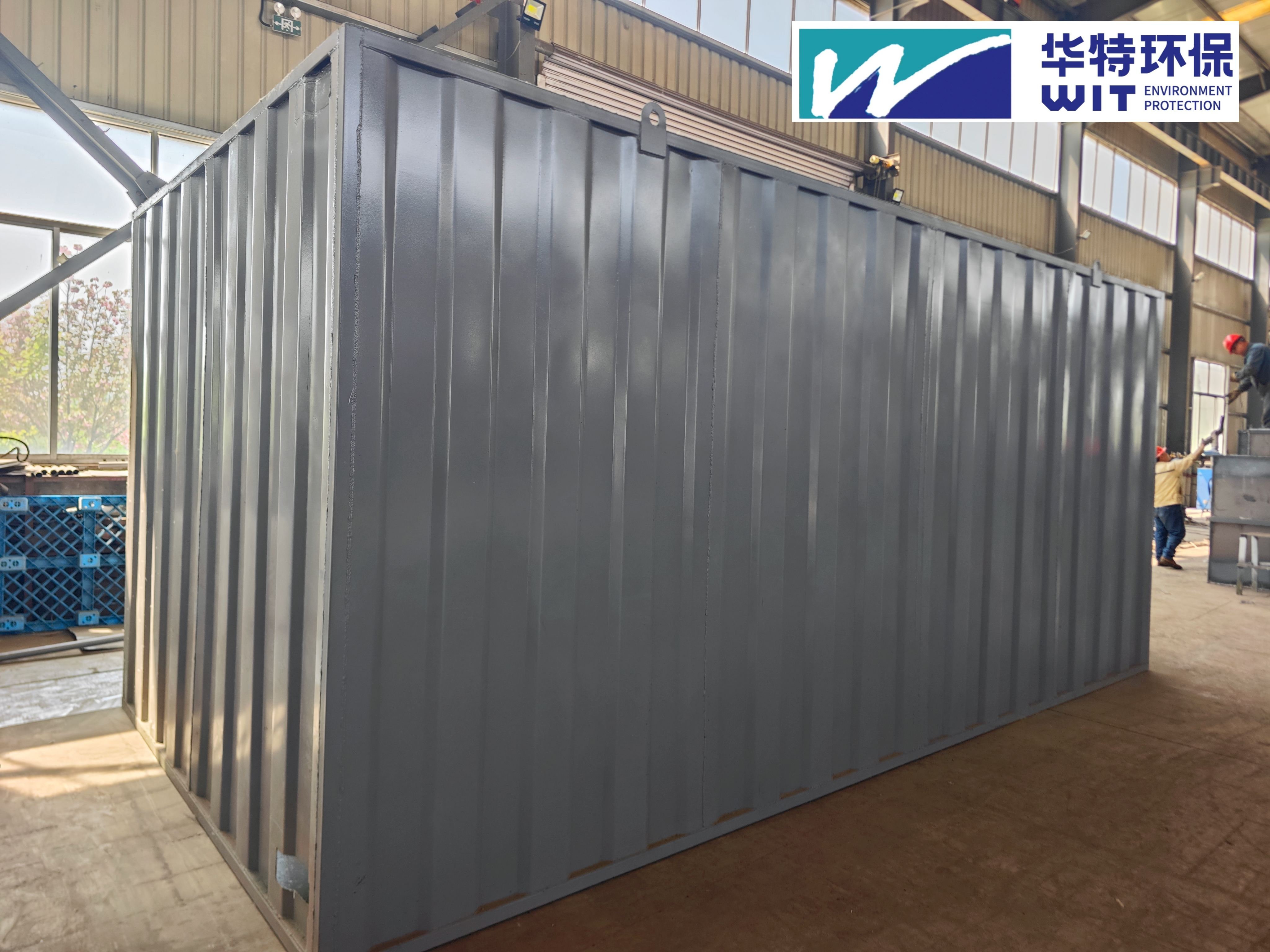
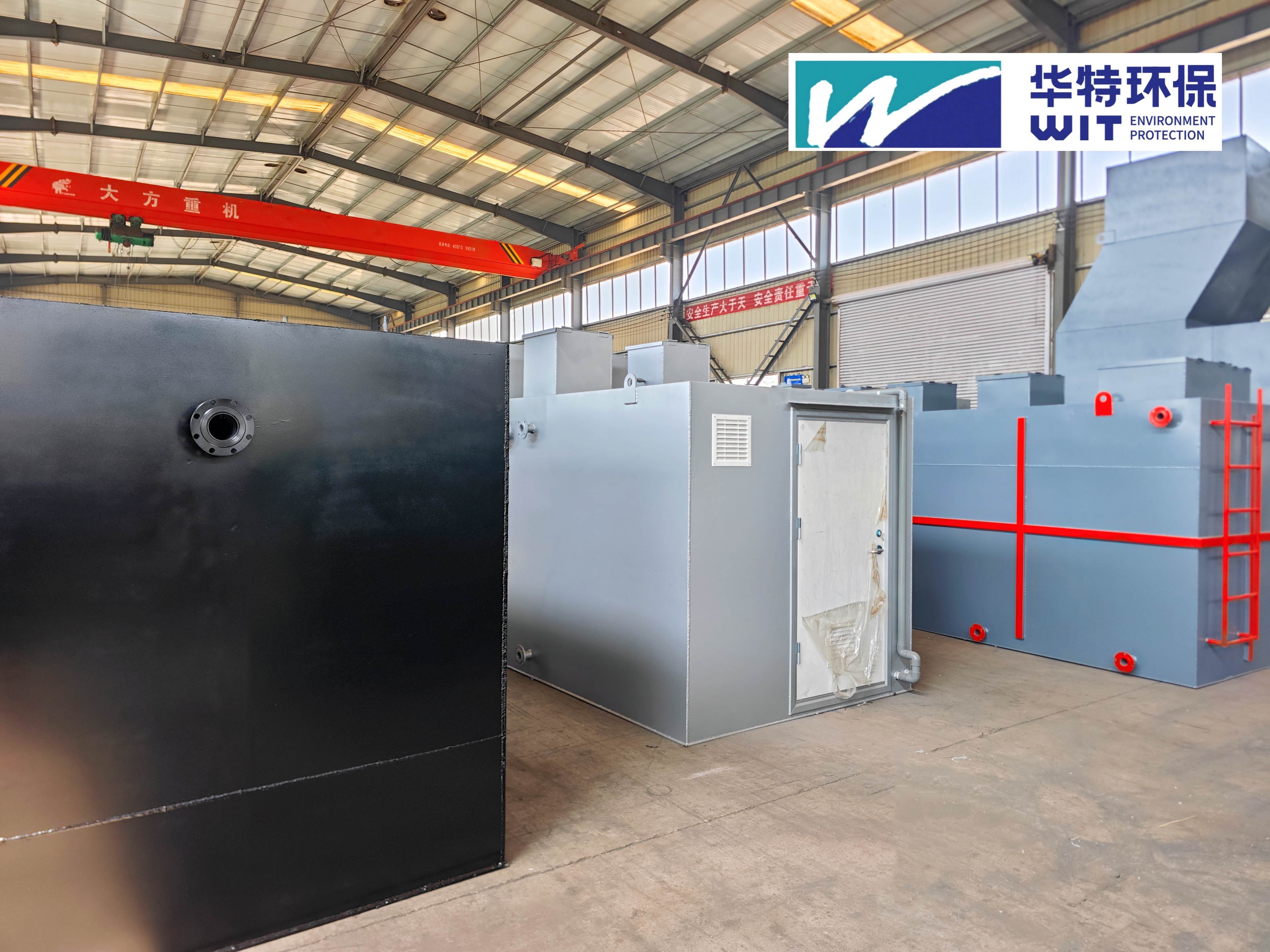
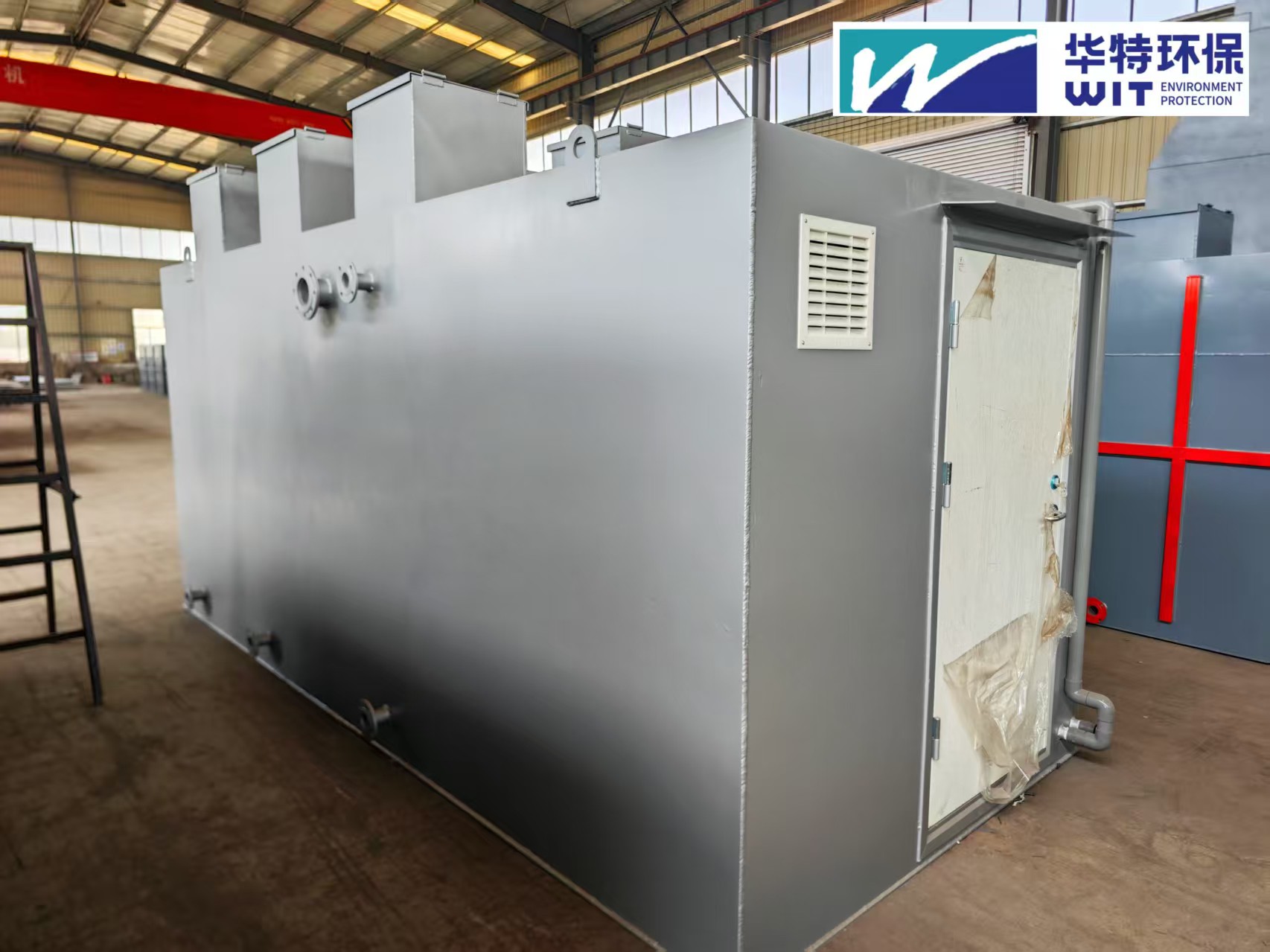
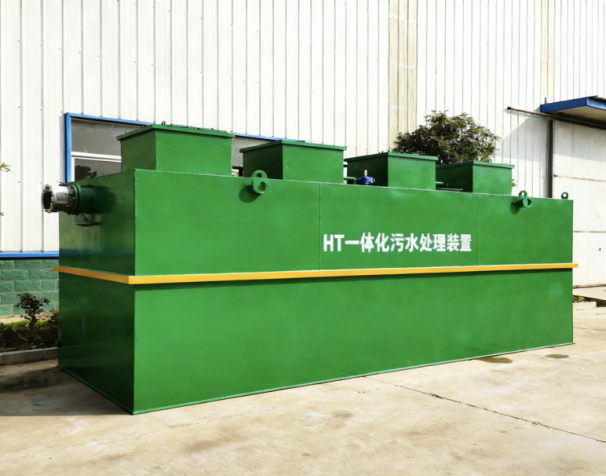
Space, site access, construction timing, climate exposure, odor control, and future relocation can all influence equipment selection. A compact factory may need a skid-mounted arrangement to reduce field installation work. A site with limited visual impact requirements may consider buried equipment, while an above-ground configuration can offer easier inspection and maintenance access. None of these formats is inherently superior; the operating environment decides.
For projects that need flexibility across municipal and industrial settings, Domestic&Industrial Wastewater Treatment Equipment (Buried, Above ground, Skid mounted) can be considered as part of the early layout discussion. The important point is to confirm lifting access, pipe routing, ventilation, drainage, electrical interfaces, chemical storage, and maintenance clearance before equipment is finalized. A compact footprint is useful only if operators can safely reach pumps, valves, instrumentation, and consumable components.
Engineering handover is where many treatment plants succeed or fail
A plant can be technically sound and still fail to deliver stable results if commissioning is rushed. Operators need to know what normal performance looks like, which readings indicate a developing problem, how to respond to abnormal influent, and when chemical dosage or aeration settings should be reviewed. For biological systems especially, stable operation depends on time, monitoring, and controlled adjustment rather than a one-day startup exercise.
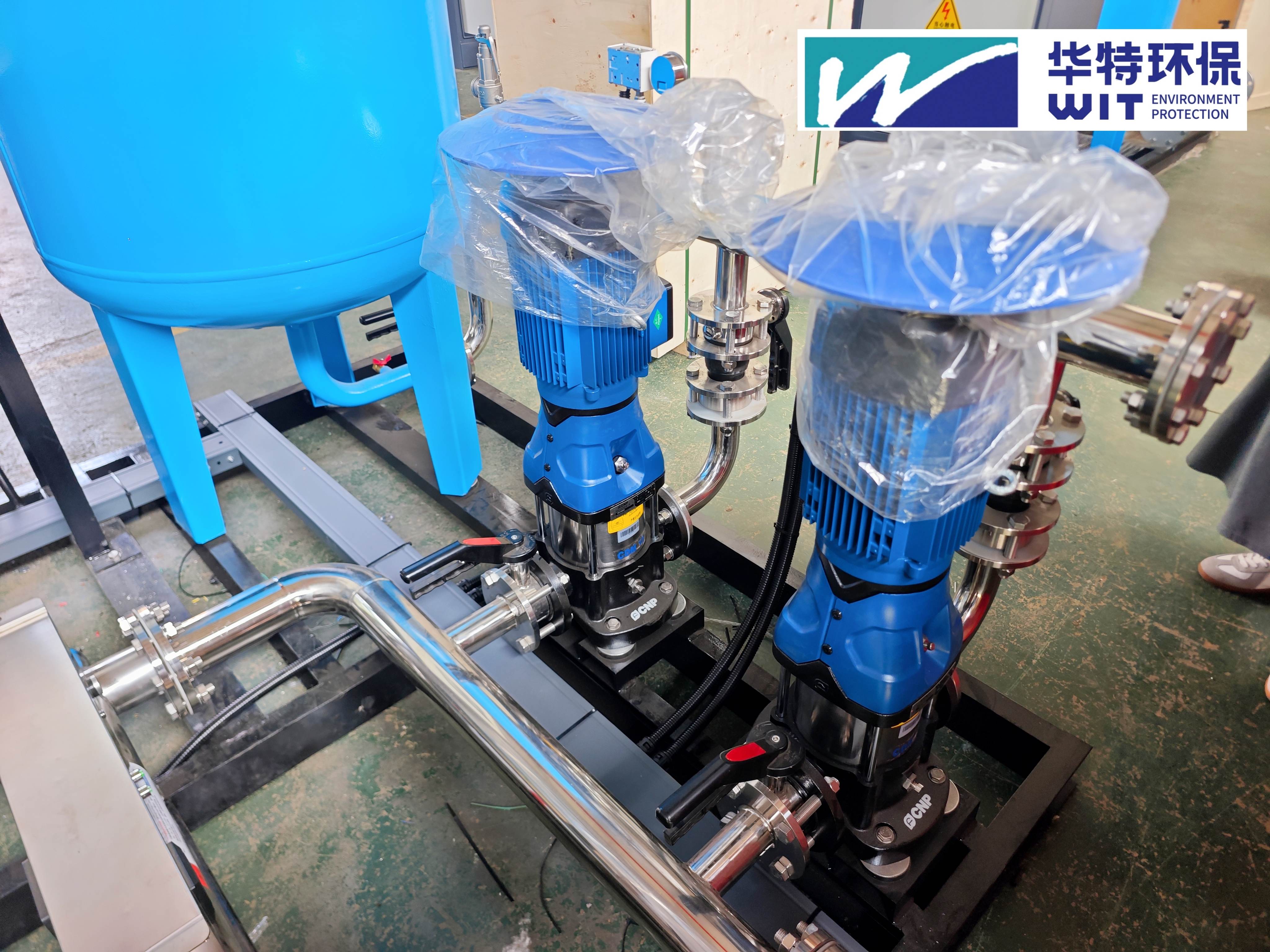
Instrumentation should support decisions, not just fill a control panel. Flow, pH, dissolved oxygen, liquid levels, and other monitoring points should be selected according to process needs and maintenance realities. A sensor installed where it cannot be cleaned or verified will eventually become less useful than a simpler, accessible arrangement.
Shandong Wit combines technology research and development, achievement transformation, whole-process consulting, and general engineering contracting. Its work across municipal, industrial, and aquaculture wastewater sectors provides a useful perspective: treatment technology must fit the wider environmental problem, including resource reuse, surrounding ecological conditions, and the client’s ability to operate the system. The company has also undertaken government environmental projects and research work related to wastewater treatment and soil remediation, supported by cooperation with universities and research institutions including Shandong University.
Questions to settle before approving a wastewater treatment plant
Before moving into detailed design, plant owners should ask a few direct questions. What are the maximum and minimum expected flows, rather than only the average? Which pollutants drive the treatment requirement? Are there production events that create concentrated wastewater? What happens during power interruption, equipment maintenance, or an accidental chemical release? Is there enough room for sludge storage and truck access? And who will be responsible for day-to-day operation after handover?
These are not administrative details. They shape tank sizing, redundancy, automation, emergency storage, chemical systems, and the degree of process complexity that makes sense. A well-designed wastewater treatment plant for industrial applications is one that remains manageable during an ordinary night shift, not only when specialists are present for inspection.
The strongest projects begin with careful characterization and honest design assumptions. When wastewater quality, discharge expectations, space limitations, and operating capacity are addressed together, treatment becomes a controlled industrial process rather than a recurring source of environmental and production risk.


GET A FREE QUOTE
Service Commitment: Upon receipt of your message, a dedicated representative will contact you as soon as possible to provide efficient and professional service support.
