







Wastewater Treatment Plant Cost
A wastewater treatment plant cost question often appears after a project has already become urgent. A facility may be expanding production, a municipality may be planning new collection infrastructure, or a site developer may discover that the available discharge connection cannot accept the expected wastewater load. At that point, people naturally ask for a single number. The difficulty is that a treatment plant is not one item of equipment; it is a chain of civil works, process units, controls, utility connections, sludge handling arrangements, and operating decisions.
The consequences of estimating too quickly can be serious. A budget based only on flow capacity may overlook difficult influent conditions, future discharge limits, chemical storage, odor control, electrical upgrades, or the space needed for sludge treatment. Conversely, selecting every possible advanced process “just in case” can make a project unnecessarily expensive and harder to operate. A more useful way to approach wastewater treatment plant cost is to identify the conditions that drive both initial investment and long-term operating burden.
The first question is not “How big is the plant?”
Flow is important, but it is only the starting point. Two plants with similar daily flow can have very different capital and operating requirements. Domestic sewage is usually more predictable than wastewater from printing and dyeing, food processing, chemicals, aquaculture, pulp-related operations, or mixed industrial estates. Industrial streams can vary by shift, product batch, cleaning cycle, season, and raw-material change.
Before comparing proposals, it helps to describe the wastewater in practical terms:
- Average, peak, and low-flow conditions rather than one design flow alone;
- Organic load, suspended solids, nutrients, salinity, color, oil, metals, toxic compounds, and other site-specific pollutants;
- Whether the wastewater arrives steadily or in short, high-strength batches;
- Required discharge destination: sewer, surface water, reuse system, or a downstream treatment facility;
- Seasonal temperature changes and available land;
- Whether the plant must keep operating during maintenance or power interruptions.
This information affects tank volumes, pump sizes, material selection, biological process stability, chemical demand, sludge generation, and automation needs. If influent quality has not been sampled over representative operating periods, the early wastewater treatment plant cost estimate should be treated as a planning range, not a firm project budget.
Where project budgets usually change
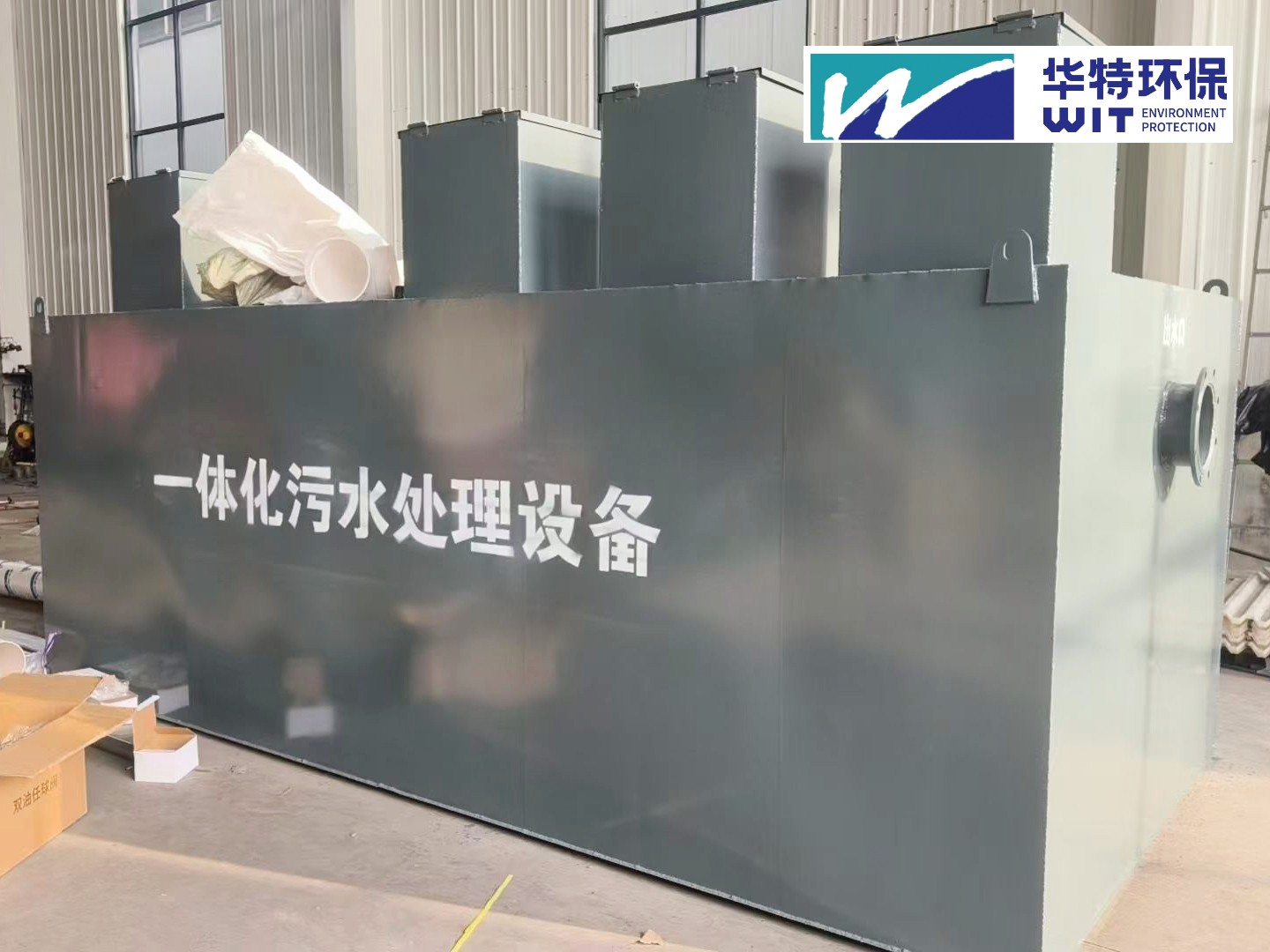
In early discussions, attention often goes directly to the visible process equipment. Yet equipment is only one part of the investment. Civil construction can become substantial when the site requires deep excavation, groundwater control, seismic considerations, poor soil treatment, retaining structures, or enclosed buildings. A compact footprint may reduce land use but can introduce more complex hydraulic arrangements and access constraints.
Collection and equalization are also easy to undervalue. When wastewater quality fluctuates sharply, equalization can protect downstream biological treatment from shock loads. Without it, a smaller-looking plant may later require more frequent intervention, higher chemical consumption, or expensive upgrades. The correct comparison is not simply “tank volume versus no tank volume”; it is the cost of managing variability over the plant’s life.
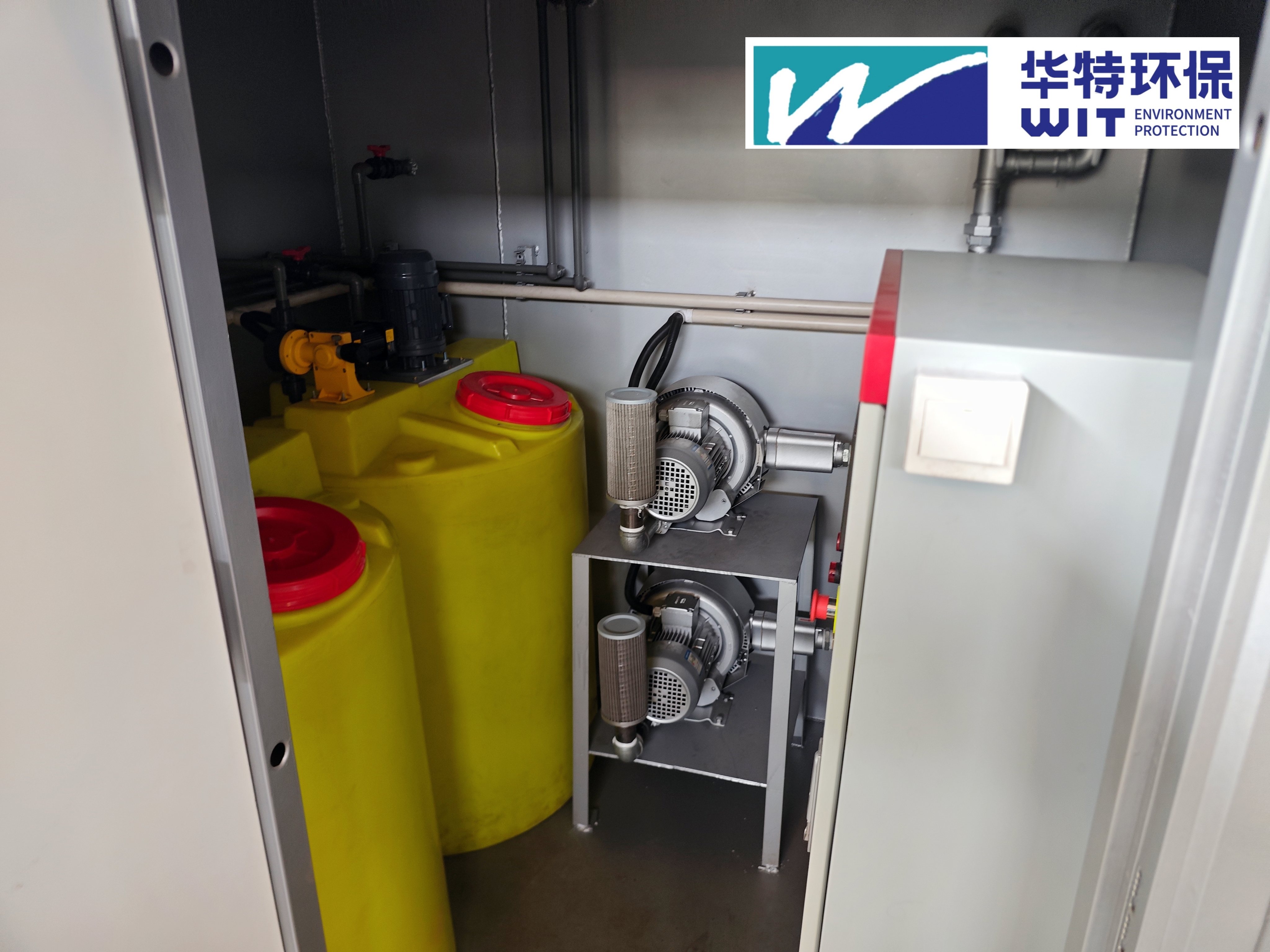
Electrical and control scope deserves the same attention. Motor control centers, instrumentation, online monitoring, standby power, remote alarms, data integration, and safety interlocks may not look like the main process, but they influence operability. A system that cannot show operators what is happening at key stages can be difficult to stabilize, especially where influent conditions change quickly.
Sludge is part of the treatment cost, not an afterthought
Every treatment process produces residuals in one form or another: screenings, grit, chemical sludge, biological sludge, concentrate, or spent media. The selected process may be technically effective for water quality while creating a significant sludge handling responsibility. Thickening, dewatering, storage, transport, disposal routes, and associated permits or service arrangements should be considered early.
When reviewing alternatives, ask where contaminants are transferred. A treatment step does not eliminate a pollutant simply because it disappears from the water phase. It may move into sludge, brine, captured solids, or off-gas treatment media. This distinction is essential when comparing apparently low-cost options.
Technology choice should follow the treatment objective
A common mistake is to begin with a preferred technology and then try to make the wastewater fit it. A better sequence starts with the required effluent quality and works backward through the influent characteristics. Preliminary treatment may include screening, grit removal, oil separation, pH adjustment, equalization, or coagulation. Biological treatment may be suitable for biodegradable organics and nutrient removal, while advanced oxidation, adsorption, membrane separation, disinfection, or specialized chemical treatment may be needed for particular pollutants or reuse targets.
For projects involving process water reuse or high-quality feedwater preparation, the boundary between wastewater treatment and water treatment should be clearly defined. A pre-treatment stage can affect the reliability of downstream filtration, membrane systems, or other polishing equipment. In that context, equipment such as Pure Water Pre-treatment Equipment may be considered as part of the wider water-management arrangement, provided its role, feedwater conditions, and downstream requirements are specified rather than assumed.
There is no universally “best” treatment train. A low-footprint system may suit a constrained industrial site but require skilled operation and replacement components. A more conventional process can be easier to maintain, though it may need more land. Natural or ecological treatment approaches can be valuable in suitable settings, but their performance depends on hydraulic loading, climate, site layout, and the expected influent quality. The important point is that the process must match the operating reality, not only the drawing.
Comparing proposals without being misled by the lowest number
When several suppliers or engineering teams provide estimates, the lowest figure can be difficult to interpret if each scope is different. One proposal may include civil works and commissioning, while another may cover process equipment only. One may assume an existing building, utility supply, discharge pipeline, or sludge outlet. Another may include these items but exclude monitoring instruments or spare parts.
A useful comparison puts each offer against the same project boundary. Clarify whether the price includes design, site investigation assumptions, civil works, mechanical equipment, installation, piping, electrical works, automation, chemical dosing systems, odor treatment, testing, operator training, commissioning support, and documentation. Also identify what the owner must provide, such as access roads, drainage, utility connections, laboratory testing, storage space, and disposal arrangements.
It is equally important to ask what influent and effluent assumptions were used. A proposal designed for a narrow wastewater range may appear attractive until actual production conditions exceed it. This does not mean every system should be oversized. It means the design basis should be transparent, with a clear response plan for expected fluctuations.
Operating cost is where early design choices become visible
Capital expenditure receives most of the attention during approval, but operating cost determines whether the plant remains manageable. Energy use can be influenced by aeration demand, pumping head, recirculation rates, membrane pressure, and hours of operation. Chemical usage depends on pH adjustment, phosphorus removal, coagulation, oxidation, disinfection, and cleaning requirements. Labor needs vary with process complexity, automation quality, sampling requirements, and the experience of available operators.
Maintenance should be discussed in ordinary working terms. Can pumps and blowers be isolated without shutting down the entire process? Is there access for lifting equipment? Are instruments easy to calibrate? How often must consumables be replaced? Can local operators obtain critical parts within the project’s maintenance strategy? These questions may sound operational rather than financial, but they have a direct relationship with lifecycle cost.
For a preliminary budget, separating costs into civil, mechanical, electrical and control, installation, commissioning, sludge management, and annual operation categories is often more informative than relying on a single total. It reveals which assumptions are carrying the most uncertainty and where design optimization is worth further effort.
A practical path from uncertainty to a defensible budget
Start by collecting available water-use records, production schedules, drainage drawings, laboratory results, and discharge requirements. Where data are incomplete, arrange representative sampling and avoid treating a one-time test as the whole story. Then establish the design basis: current flow and loading, likely future changes, treatment target, land constraints, reliability expectations, and residuals management route.
Next, compare a limited number of process paths that genuinely fit those conditions. Each option should be evaluated on footprint, construction complexity, energy and chemical dependence, operator workload, resilience to fluctuations, sludge output, and expansion potential. At this stage, a lifecycle view is more valuable than a false sense of precision.
Finally, keep a contingency discussion open until site conditions, influent quality, and external interfaces are verified. The most reliable wastewater treatment plant cost estimate is not the one that promises certainty too early. It is the one that makes assumptions visible, identifies the major risks, and links every major cost element to a treatment requirement or operating need.


GET A FREE QUOTE
Service Commitment: Upon receipt of your message, a dedicated representative will contact you as soon as possible to provide efficient and professional service support.
