







Small Wastewater Treatment Plant
Small Wastewater Treatment Plant: Designing for Real Operating Conditions
A small wastewater treatment plant is rarely “small” in terms of decision-making. A compact system may serve a village cluster, a food-processing workshop, a livestock farm, a resort, a construction camp, or an industrial facility outside the reach of a municipal sewer. Yet the same plant still has to manage variable influent, meet applicable discharge requirements, withstand seasonal changes, and remain operable when the on-site team is limited.
The practical question is not simply which treatment process is popular. It is whether the selected system fits the wastewater characteristics, the available footprint, the local climate, the receiving environment, and the operator’s real capacity. Many projects struggle not because the core technology is wrong, but because these early assumptions were never properly tested.
Why Small-Scale Treatment Is Often More Demanding Than It Looks
Large municipal plants usually benefit from relatively stable flows, dedicated laboratory support, trained operators, and redundancy across major equipment. Small facilities often have the opposite conditions. Flow may be low for several days and then rise sharply during weekends, production shifts, rainfall events, or tourist seasons. Industrial wastewater may contain cleaning chemicals, suspended solids, oils, color, salts, or intermittent high-strength organic loads. Aquaculture and agricultural sites can bring nutrients and solids that vary with feeding cycles and weather.
This is why a design based only on average daily flow can be misleading. Equalization capacity, peak flow handling, sludge management, and emergency bypass arrangements deserve attention from the beginning. A plant that performs well under steady influent in a test scenario may be difficult to control once actual site conditions begin changing hour by hour.
For decentralized applications, reliability also depends on details that are easy to overlook: access for maintenance vehicles, ventilation around electrical cabinets, availability of replacement parts, drainage around buried structures, odor control near residences, and a sensible plan for sludge removal. These are not secondary construction matters. They shape whether the facility remains usable after commissioning.
Start with Wastewater, Not with Equipment
Before selecting a small wastewater treatment plant, the project team should establish a realistic influent profile. At minimum, this normally includes expected flow variation, pH, organic loading, suspended solids, nutrients, oil and grease where relevant, salinity, temperature, and possible inhibitory substances. For industrial sites, it is equally important to understand batch discharges, washdown schedules, chemical storage practices, and whether production expansion is likely.
Domestic sewage and industrial wastewater should not be treated as interchangeable. A small industrial plant may require source separation or pretreatment before biological treatment becomes stable. For example, wastewater containing high solids may need screening and settling; oily streams may need oil-water separation; and chemical wastewater may need pH adjustment or controlled dosing. Trying to solve every problem inside one compact biological tank is a common route to unstable operation.
The discharge destination also changes the design conversation. Discharge to a surface water body, infiltration area, municipal collection system, or reuse application can involve different limits and monitoring expectations. Local requirements must be verified for the specific project. If treated water is intended for irrigation, landscape use, flushing, or process reuse, the treatment train may need additional polishing and disinfection measures, along with clear control of cross-connections and storage conditions.
Choosing a Configuration That Fits the Site
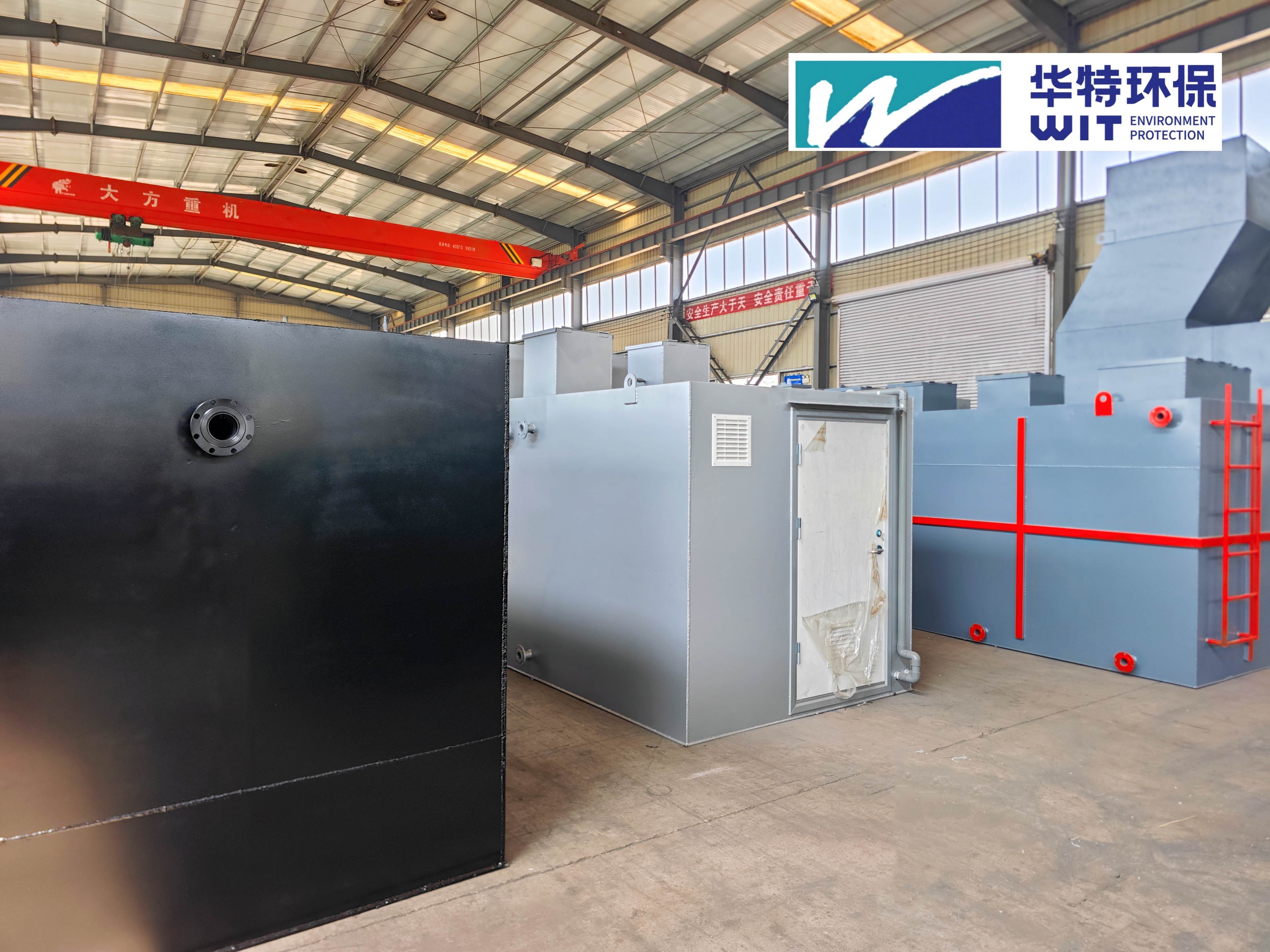
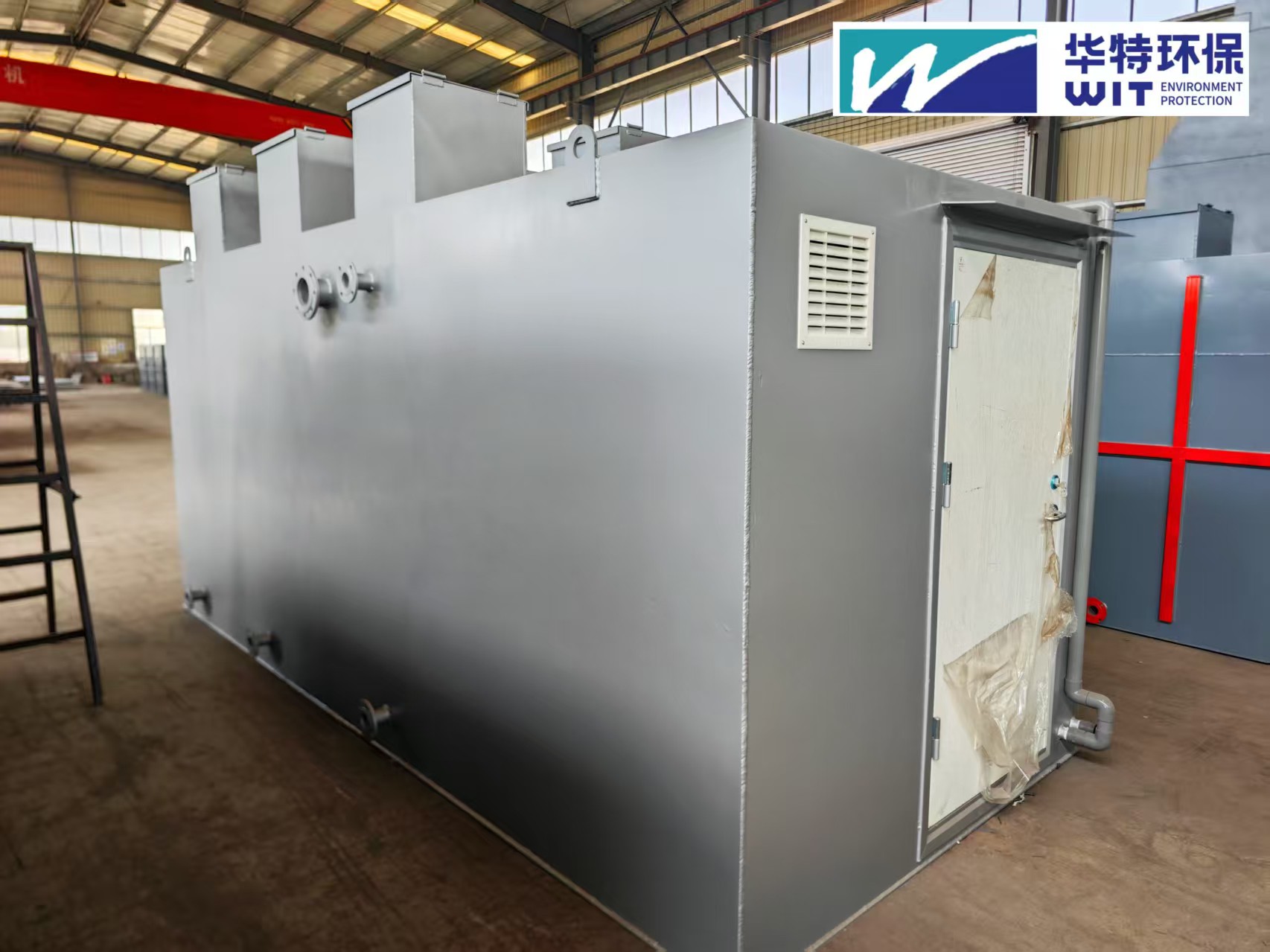
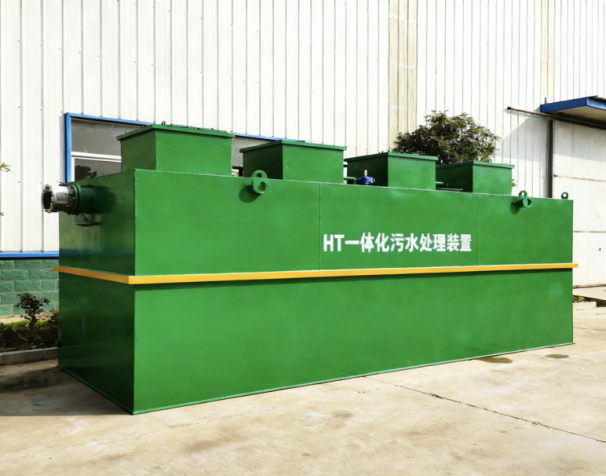
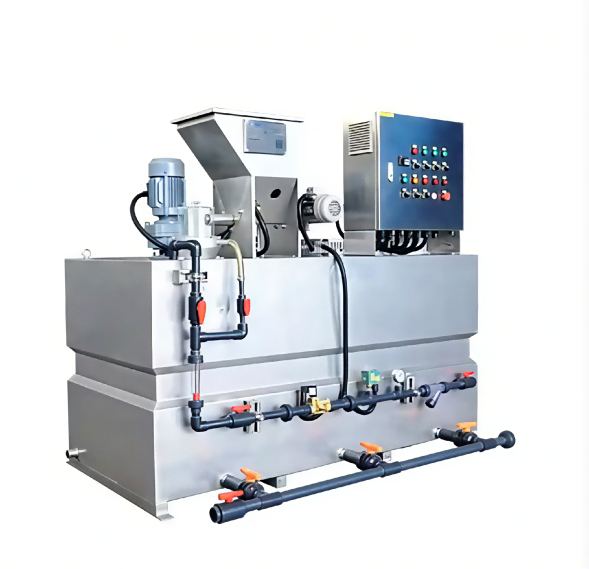
Package treatment systems are attractive because they can reduce on-site construction time and simplify installation. But “package” should not mean “one-size-fits-all.” Buried, above-ground, and skid-mounted layouts each solve different site constraints.
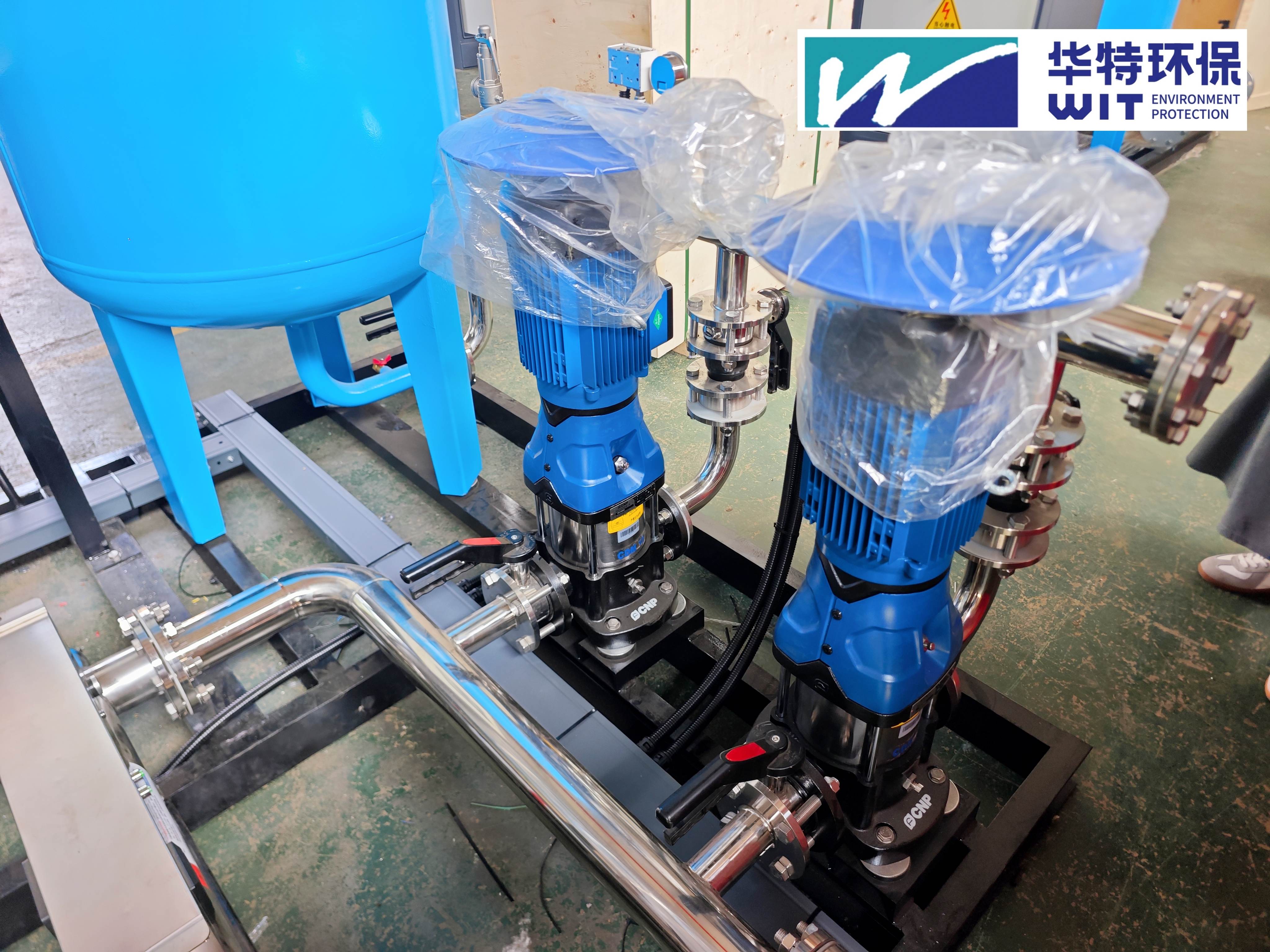
A suitable equipment platform should support the treatment process rather than dictate it. Depending on influent and required effluent quality, a system may combine screening, equalization, biological treatment, clarification or membrane separation, filtration, disinfection, sludge storage, and automation. The right sequence should be determined through engineering review, not selected from a generic layout drawing.
For projects requiring flexible installation, Domestic&Industrial Wastewater Treatment Equipment (Buried, Above ground, Skid mounted) can provide a useful starting point for discussing site layout and modularization. The more important step is confirming how the selected configuration will handle influent fluctuations, operator access, and future maintenance.
Operation Costs Are Influenced Before the Plant Starts
Energy consumption matters, particularly where aeration, pumping, membrane systems, or advanced oxidation are involved. Still, the lowest estimated power demand is not always the lowest-cost solution over the plant’s service life. A system that is difficult to clean, requires highly frequent chemical intervention, or lacks reliable control during low-flow periods can become expensive in less obvious ways.
Small plants benefit from straightforward operating logic. Operators need to know what normal conditions look like, which alarms require immediate action, and when a process upset calls for outside technical support. Instrumentation should be appropriate for the site—not excessive, but sufficient to identify flow changes, abnormal levels, aeration issues, dosing problems, and key water-quality trends. Remote monitoring can be valuable where facilities are dispersed, provided there is a clear response process rather than alarms that no one owns.
Disinfection also deserves practical attention. Chlorine-based approaches, ultraviolet systems, and chlorine dioxide applications each have different operating and safety considerations. Selection should account for water quality, contact requirements, disinfection objectives, chemical handling, and applicable local rules. Chlorine dioxide technology has established applications in water treatment and industrial settings, but chemical preparation and dosing should always be designed and operated with proper safeguards.
Integrating Engineering Experience with Ecological Solutions
In some rural, peri-urban, and low-density areas, a compact treatment unit may be strengthened by ecological polishing measures such as constructed wetlands where land, climate, hydraulic conditions, and management arrangements allow. This is not a shortcut for inadequate treatment capacity. A wetland works best when its role is clearly defined and when upstream solids control, hydraulic distribution, planting, and long-term maintenance are considered.
Shandong Wit Environmental Protection Technology Co., Ltd. approaches these questions through a combination of technology development, engineering consulting, and project delivery. Affiliated with the State-owned Assets Supervision and Administration Commission of Shandong Province, the company has more than a decade of wastewater treatment experience spanning municipal, industrial, and aquaculture applications. Its work also includes constructed wetlands, ecological restoration, soil remediation, and resource reuse, which is useful when a wastewater challenge extends beyond a single treatment tank.
The company’s research links with universities and research institutions, including Shandong University, support continued work on treatment processes and equipment. For a small plant owner, that broader capability matters most when it translates into disciplined front-end assessment, practical commissioning support, and a solution that can be maintained under local conditions.
Questions Worth Asking Before Approval
- What are the peak, minimum, and seasonal wastewater flows—not only the average flow?
- Which pollutants are expected to fluctuate, and can problematic streams be separated at source?
- What discharge or reuse requirement applies at this exact location?
- Who will inspect the plant, manage sludge, replenish chemicals, and respond to alarms?
- Can the site accommodate maintenance access, ventilation, drainage, and future capacity changes?
- Is pretreatment included where the wastewater actually needs it?
A well-designed small wastewater treatment plant should feel manageable after handover, not dependent on constant emergency intervention. The best project is usually the one that matches process complexity to the people, wastewater, land conditions, and compliance obligations already on the ground. That calls for careful early investigation, honest design choices, and a provider willing to address the awkward site details before equipment arrives.


GET A FREE QUOTE
Service Commitment: Upon receipt of your message, a dedicated representative will contact you as soon as possible to provide efficient and professional service support.
