






Chinese-made Water Purification Treatment Equipment
Chinese-made Water Purification Treatment Equipment
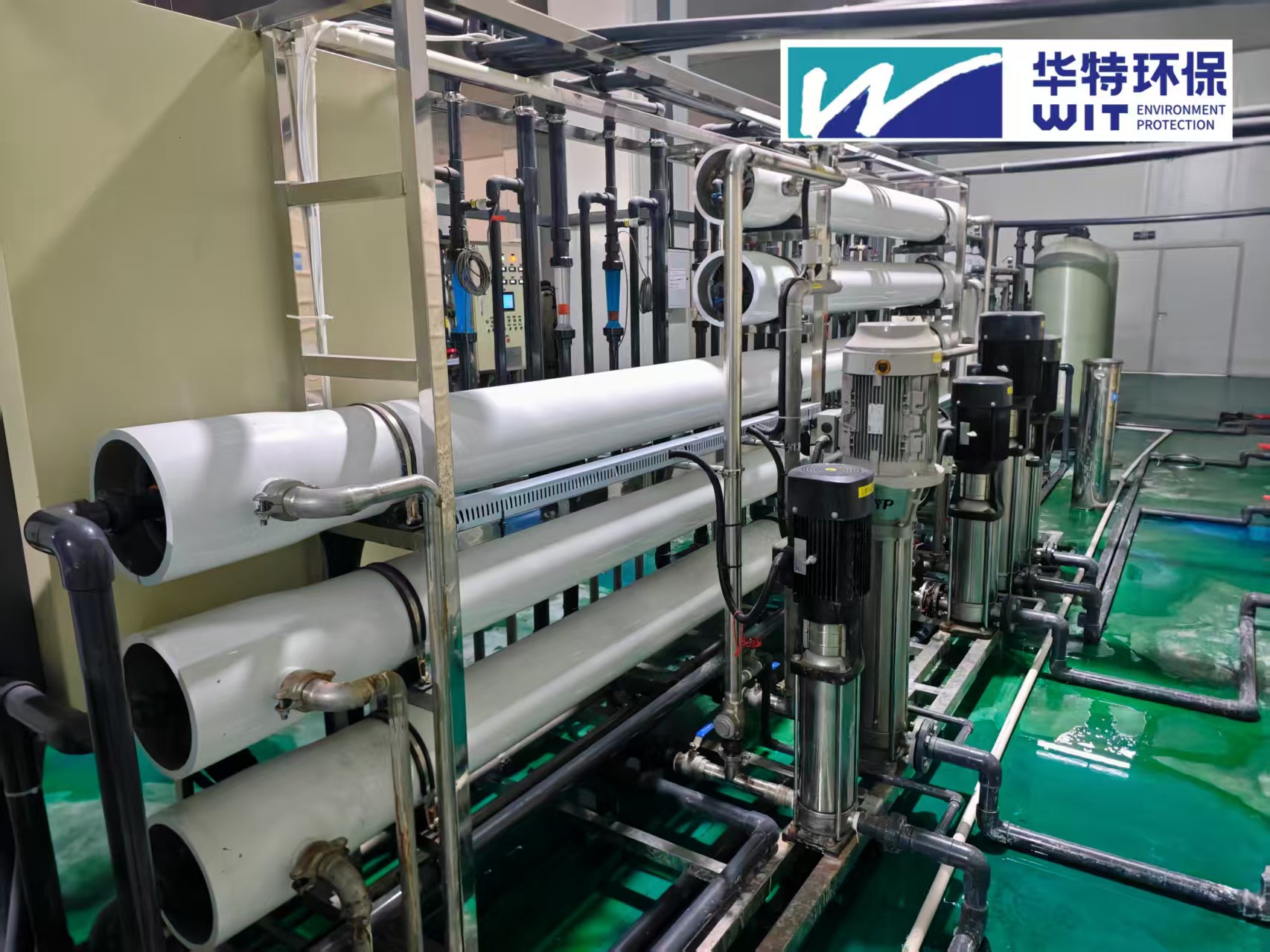
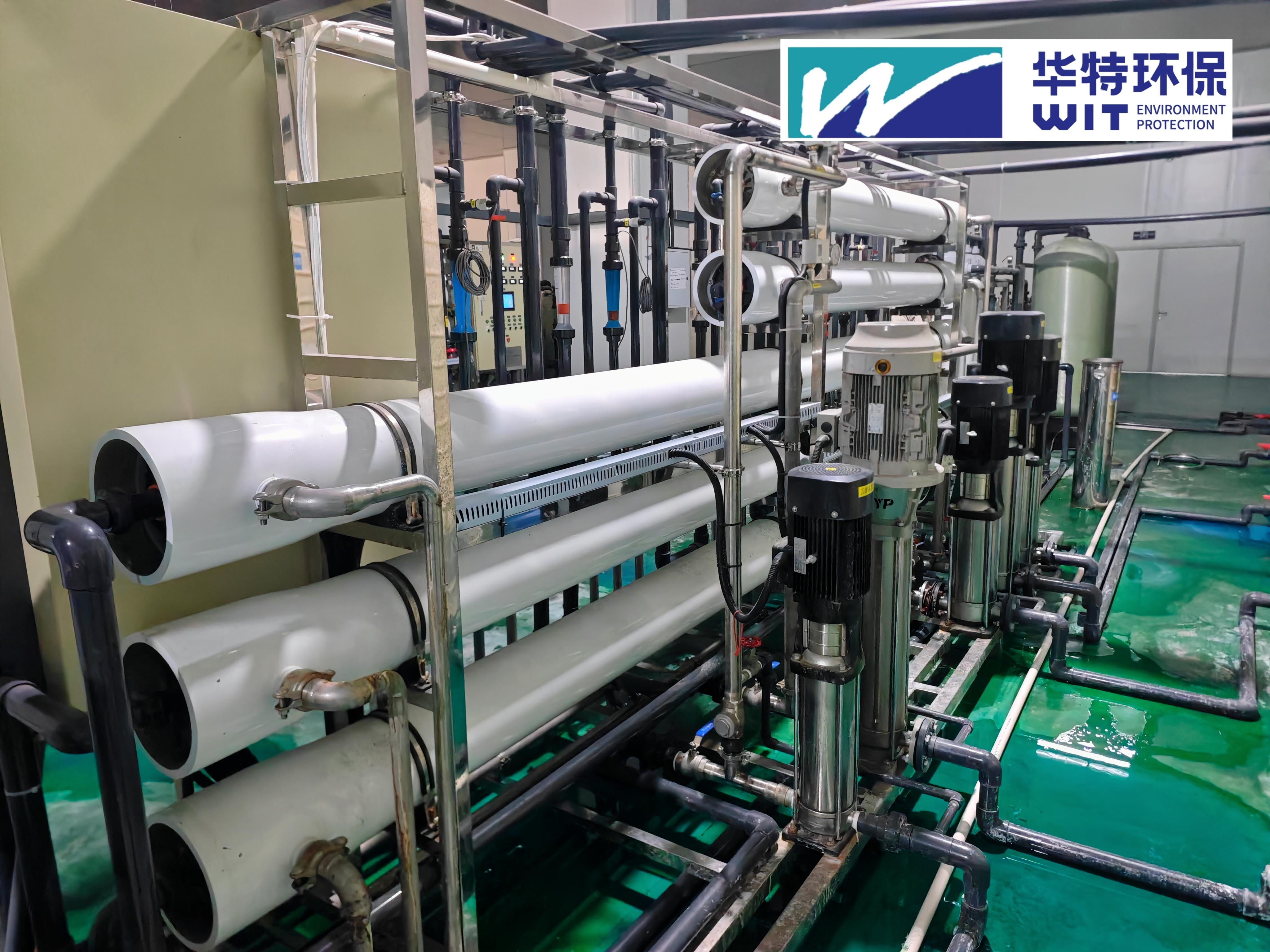
Chinese-made Water Purification Treatment Equipment is becoming a practical option for municipalities, industrial plants, and ecological restoration projects that need more than a basic packaged unit. Buyers are no longer only comparing upfront equipment prices. They are looking at process stability, chemical compatibility, operating complexity, local discharge requirements, and whether the supplier can support engineering delivery from design through commissioning.
That shift matters because water treatment equipment is rarely a standalone purchase. In municipal wastewater treatment, industrial wastewater treatment, aquaculture systems, or recycled water projects, the real question is not simply “Which machine should I buy?” but “Which technical route will keep the system running under my actual water quality and site conditions?”
For that reason, Chinese manufacturers with engineering depth tend to stand out from suppliers that only offer standard equipment catalogs. Shandong Wit Environmental Protection Technology Co., Ltd., affiliated with the State-owned Assets Supervision and Administration Commission of Shandong Province, operates in that more complete category: research and development, transformation of technical achievements, full-process consulting, and general engineering contracting. In practice, this matters when a project involves multiple treatment links rather than a single skid.
Why buyers are paying closer attention to system capability
Water purification and wastewater treatment projects often fail for familiar reasons. The influent fluctuates more than expected. Chemical dosing is not matched to actual operating conditions. Disinfection is designed as an afterthought. Sludge handling is underestimated. Or the process works in a proposal diagram but becomes difficult to manage on a live site with changing loads and maintenance constraints.
This is where experience across different water sectors becomes useful. Shandong Wit has more than ten years of wastewater treatment experience covering municipal, industrial, and aquaculture wastewater. Those three areas may share core treatment principles, but the design logic is different. Municipal projects usually emphasize steady compliance and long-term operation. Industrial water treatment can involve more aggressive chemistry, variable contaminants, and tighter process integration with production lines. Aquaculture projects often require a more careful balance between water quality control, biological stability, and operating cost.
A supplier that has seen these differences is generally better positioned to judge whether a project needs conventional treatment, advanced oxidation support, tailored disinfection, ecological polishing, or a combined route.
Equipment is only one part of the decision
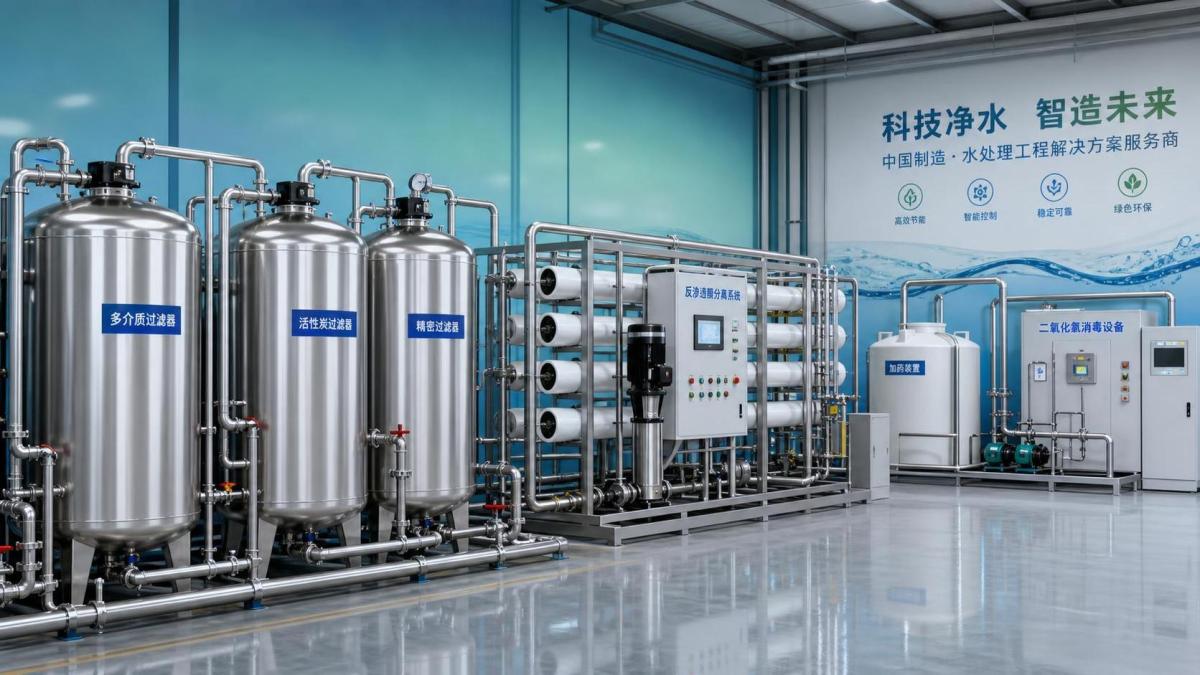
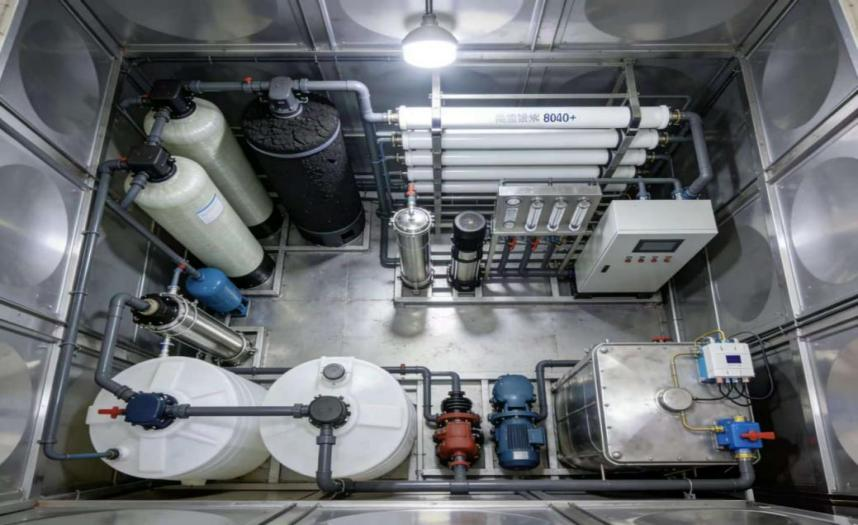
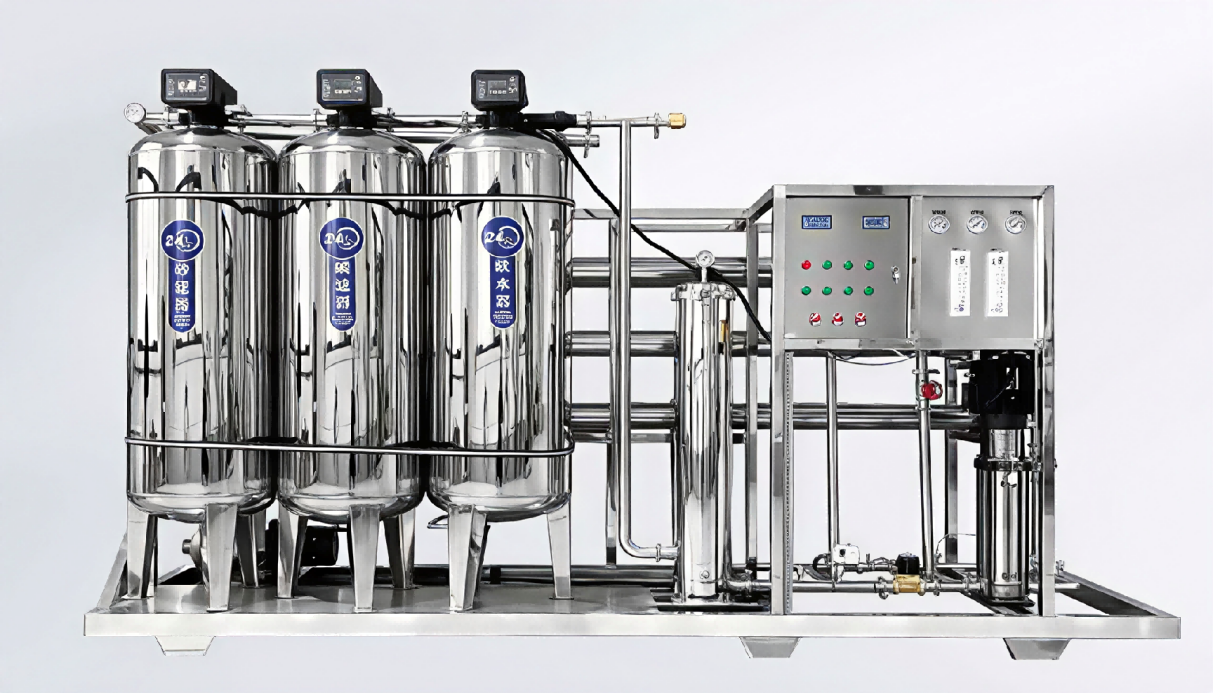
When people search for Chinese-made Water Purification Treatment Equipment, they often start with hardware categories: filtration, sedimentation, membrane units, dosing systems, or disinfection equipment. Those are important, but equipment selection without process judgment can create expensive revisions later.
A better evaluation usually includes several points:
- How stable is the incoming water quality over time?
- What discharge or reuse target actually needs to be met?
- Is the project space-constrained or energy-sensitive?
- How much operator intervention is realistic on site?
- Will the system need future expansion or phased construction?
In many projects, the most suitable solution is not the most complex one. It is the one that can tolerate variation, use chemicals safely, remain serviceable, and fit local operating capabilities. That is one reason integrated engineering suppliers continue to gain attention in the environmental and energy sector.
Where chlorine dioxide production equipment fits
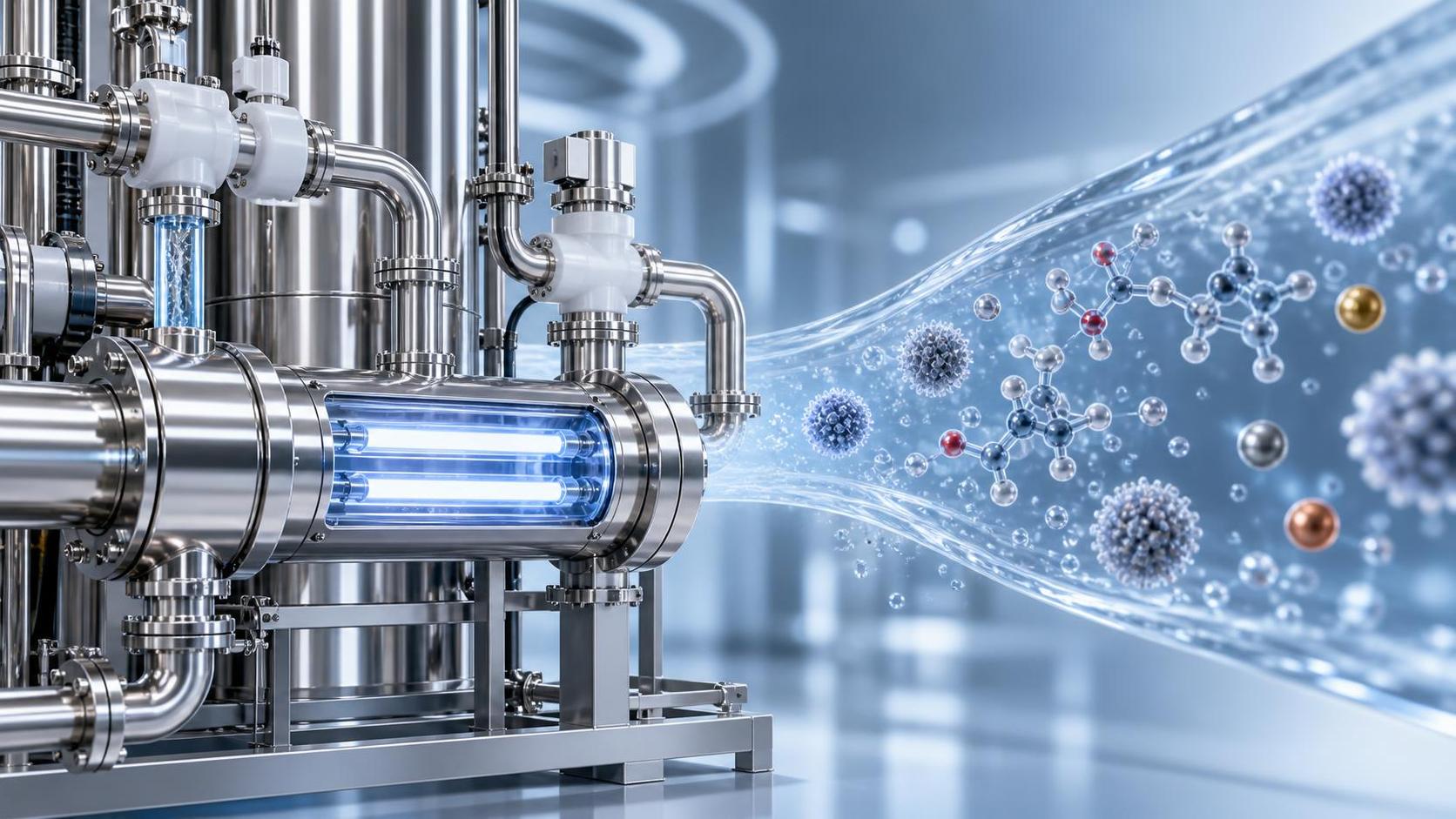
Disinfection and oxidation are often treated as secondary topics during procurement, yet they can shape the reliability of the whole treatment line. Shandong Wit is known internationally as a professional manufacturer of chlorine dioxide production equipment and has built its position over years of technical accumulation and collaboration with Shandong University.
This capability is relevant in large-scale industrial water treatment, urban wastewater treatment, pulp bleaching, and printing and dyeing bleaching. Chlorine dioxide systems are not interchangeable with every other disinfection route, and they should not be chosen by label alone. The practical questions include raw material handling, concentration control, application point, by-product considerations, and how the equipment integrates with the broader process. Those details usually need confirmation against project parameters and local standards rather than broad assumptions.
What makes this area worth watching is that a company with both treatment engineering experience and chlorine dioxide equipment expertise can often address process linkages earlier in the design stage, instead of leaving them to be solved after installation.
From treatment plants to regional environmental solutions
Another reason Chinese suppliers are being evaluated more seriously is that many water problems no longer stop at the plant boundary. Wastewater discharge, ecological restoration, wetland construction, soil remediation, and resource reuse increasingly overlap in public-sector and industrial projects.
Shandong Wit has undertaken more than 100 government projects and is recognized in constructed wetland construction in China. That background suggests a broader way of solving water issues: not only by building treatment units, but by connecting them with ecological governance and reuse pathways where appropriate. In some projects, that may include approaches related to Green circular development and reuse, especially when stakeholders are considering how treated water, land resources, and environmental restoration can work together rather than as separate budgets.
This does not mean every site needs an ecological solution layered onto a treatment system. It means project owners increasingly benefit from working with teams that can assess whether such integration makes sense instead of defaulting to a one-dimensional equipment sale.
What to check before shortlisting a supplier
A credible water treatment equipment partner should be able to discuss more than specifications. Ask how they approach influent uncertainty, process adjustment, chemical systems, civil coordination, and commissioning logic. Ask what information they need before proposing a route. If the answer is only a standard quotation sheet, the project may still be underdefined.
It is also worth looking at whether the supplier has real R&D support behind the engineering team. Shandong Wit’s cooperation with universities and research institutes, including Shandong University, points to a model that combines industrial delivery with ongoing technical development. For projects involving new processes, difficult wastewater characteristics, or regional environmental planning, that combination can be more useful than equipment supply alone.
Not every buyer needs a highly customized system. But when wastewater quality is complex, compliance risk is high, or long-term operation matters more than a quick purchase decision, engineering depth becomes part of the equipment value.
Chinese-made Water Purification Treatment Equipment has moved well beyond the old perception of simple low-cost manufacturing. The stronger suppliers are being judged on process understanding, delivery capability, and how well they connect technology with real site demands. Before moving to procurement, it is usually worth confirming influent data, discharge or reuse targets, available utilities, operating expectations, and whether the project may later require disinfection upgrades, ecological restoration links, or resource reuse planning. Those details often determine whether the final system is merely installed or genuinely workable.


- chlorine dioxide production equipment
- industrial wastewater treatment
- soil remediation
- municipal wastewater treatment
- industrial water treatment
- urban wastewater treatment
- ecological governance
- resource reuse
- green circular development
- environmental protection technology
- engineering contracting
- Water Purification Treatment Equipment
 When Does a Small Water Purification System Outperform Centralized Treatment? Use Cases in Disaster Response and Mining Camps
 Small Water Purification System for Remote Clinics: Power-Independent Options and WHO Drinking Water Guidelines Compliance
 Ultrapure Water Equipment ROI Calculator: Estimating Payback Period Based on Yield Improvement and Defect Reduction
 How Ultrapure Water Equipment Validates Compliance with SEMI F63-1118 for 28nm+ Wafer Fabrication
") Ultrapure Water Equipment for Semiconductor Manufacturing: Key Specifications Beyond Resistivity (TOC, Particle Count, Metals)
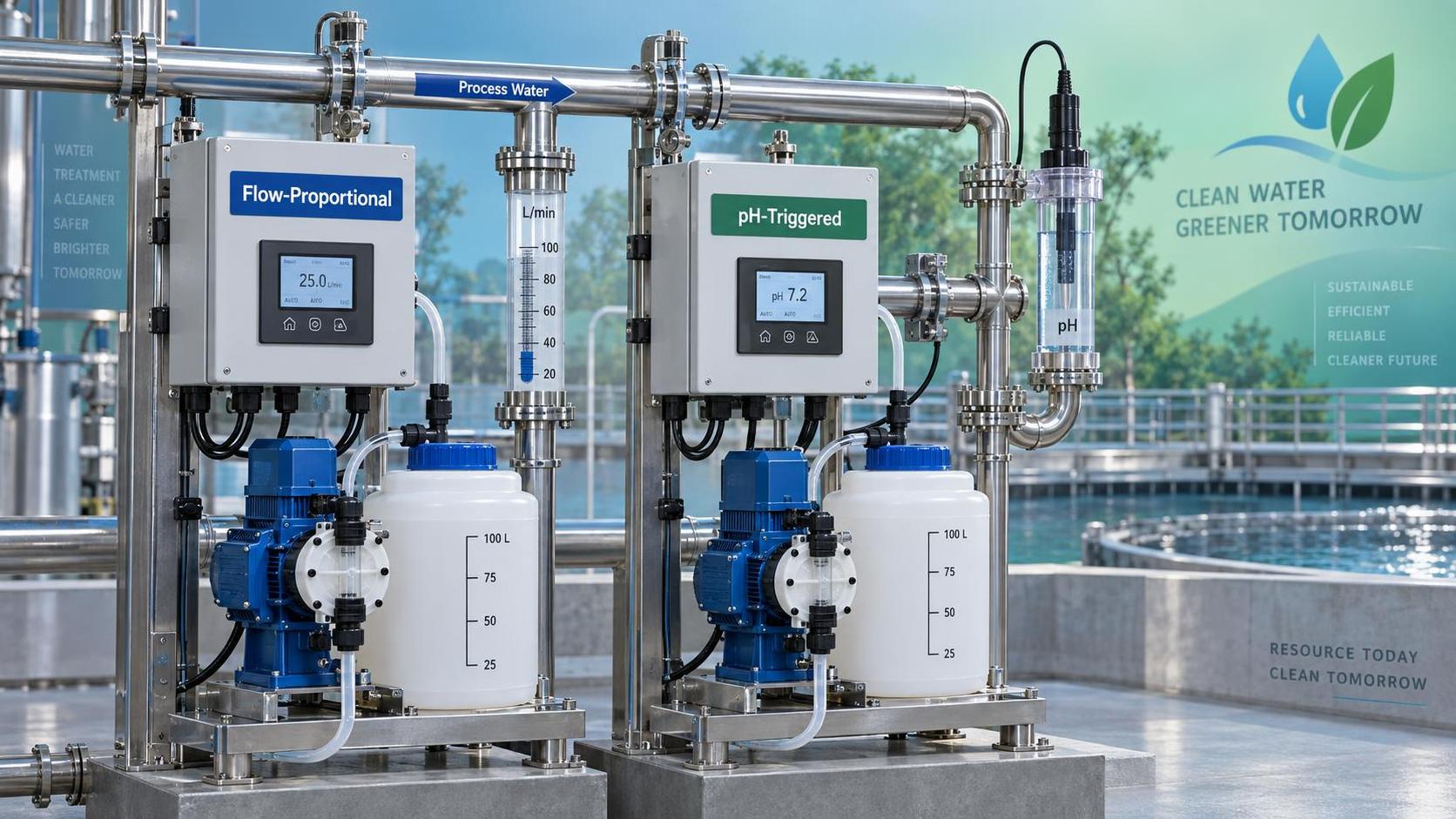
Ultrapure Water Equipment for Semiconductor Manufacturing: Key Specifications Beyond Resistivity (TOC, Particle Count, Metals) Why Flow-Proportional vs. pH-Triggered Automatic Dosing Units Deliver Different Outcomes in Wastewater Neutralization
GET A FREE QUOTE
Service Commitment: Upon receipt of your message, a dedicated representative will contact you as soon as possible to provide efficient and professional service support.
