







Best Applications for Small-Sized Skid-Mounted Water Purification Systems
Start with the use case, not the equipment
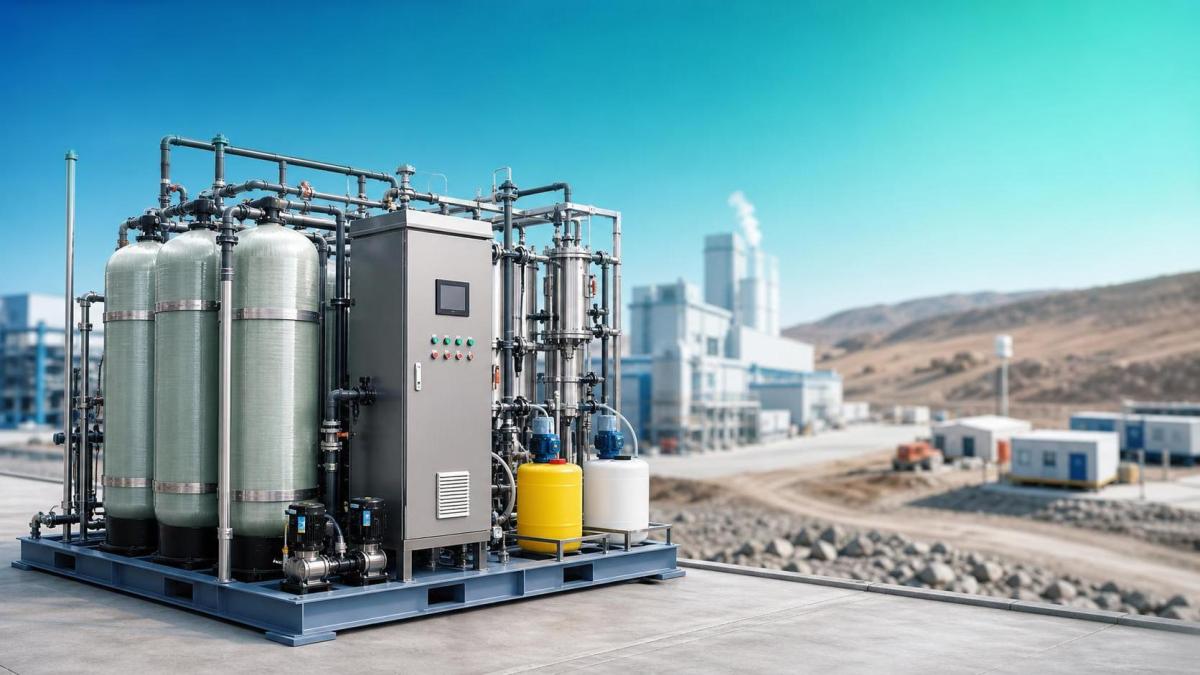
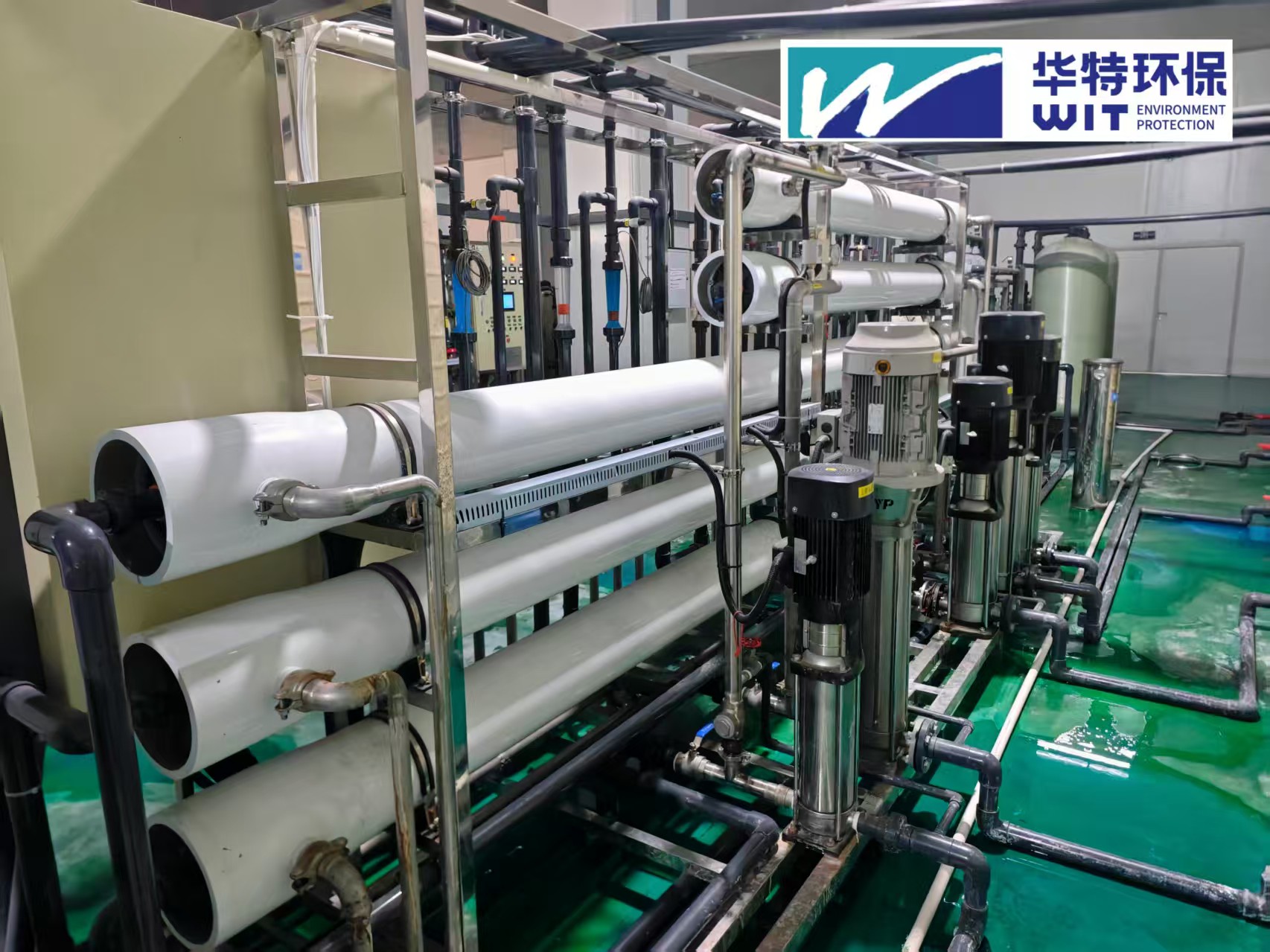
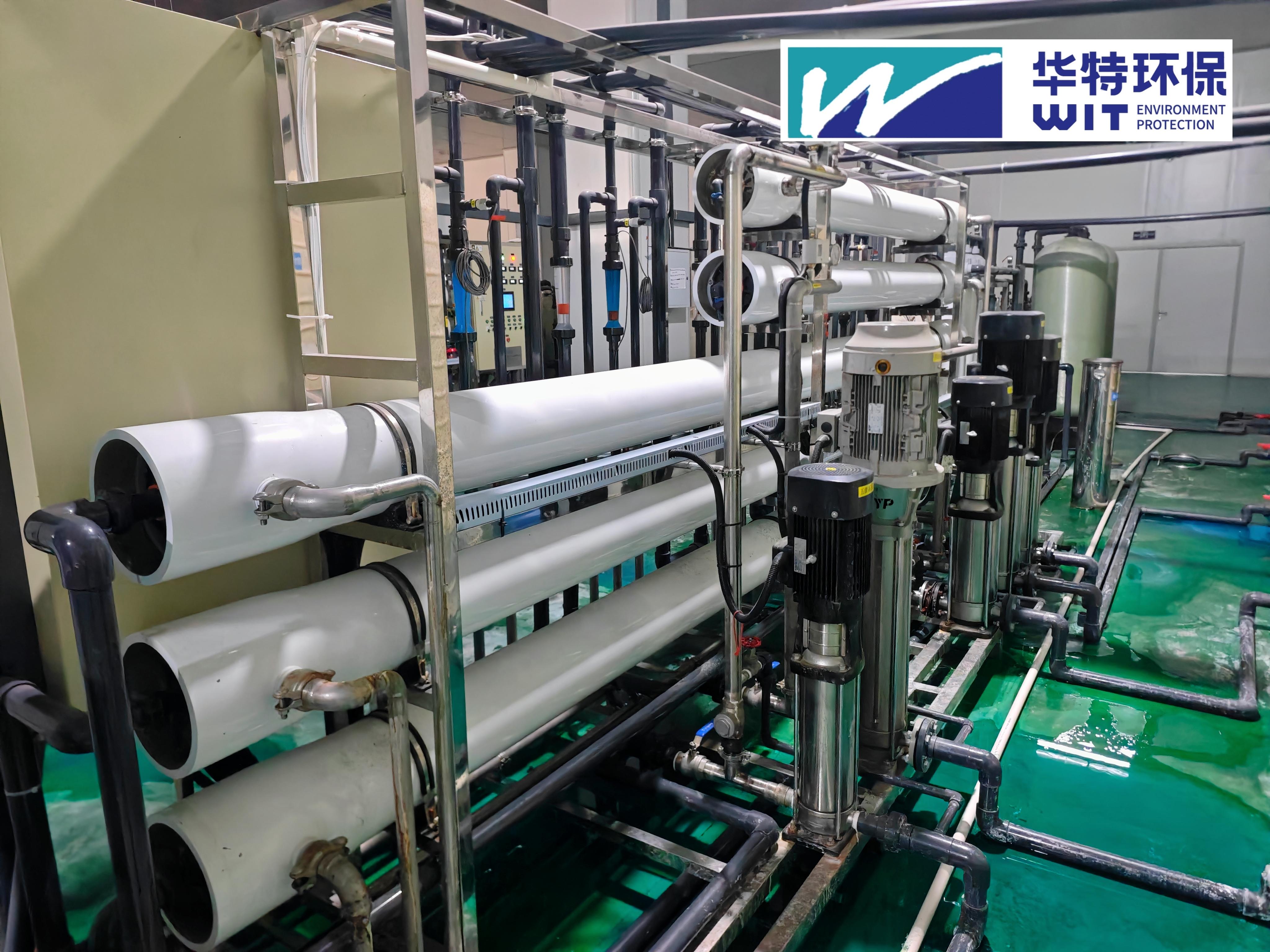
Small-Sized Integrated Skid-Mounted Water Purification Treatment Equipment makes sense when the real problem is speed, footprint, or location. That sounds obvious, but many procurement mistakes start with a spec sheet instead of an operating scenario.
If you are evaluating where these compact systems fit best, use a practical filter: is the site constrained by civil works, does water demand need to come online quickly, and is the raw water source stable enough for a packaged treatment train to handle without constant intervention? When the answer is yes, skid-mounted systems usually move from “interesting option” to “workable project path.”
Where small skid-mounted systems usually work best
For enterprise decision-makers, the best applications are rarely the biggest ones. They are the sites where flexibility matters more than scale.
- Industrial park support projects: useful when a park needs interim treatment capacity before central infrastructure is expanded, or when one process line needs better water quality than the shared network can provide.
- Remote operating sites: mines, temporary camps, field construction areas, and similar locations often need treatment units that can be transported, installed fast, and commissioned without large concrete structures.
- Municipal supplementary service: suitable for satellite communities, seasonal demand spikes, or point-of-use polishing where extending a full centralized system would be slow or disproportionately expensive.
- Emergency and contingency deployment: after supply interruptions, equipment failure, or sudden source water issues, a compact skid is often chosen because it can restore basic treatment faster than a built-from-scratch station.
- Aquaculture and specialized water reuse lines: these settings usually need tighter control of water quality at a localized point, which is where compact integrated systems tend to be more manageable than oversized shared treatment assets.
The common thread is decentralization. If the project depends on long transmission pipelines, heavy site works, or frequent process changes caused by unstable influent, a small skid can still work, but only if you address those risks early.
Check the raw water variability before you talk about deployment speed
A compact unit is attractive because it shortens installation time. That advantage disappears if the incoming water quality swings harder than the process can absorb.
The first thing to review is not the brochure. It is the water source pattern: municipal supply backup, surface water, groundwater, recycled water, or mixed industrial feed. Then look at what changes across the day or season. Turbidity spikes, suspended solids, organic loading, iron and manganese, or intermittent chemical contamination can all change whether a small modular train remains stable.
A common error is assuming “small” means “for any situation with low flow.” It does not. Low flow with highly unstable influent can be harder to run than moderate flow with predictable water quality. If your source is inconsistent, check whether the system layout allows pretreatment upgrades, dosing adjustments, and operator access for routine maintenance. That is what determines whether the project stays practical after handover.
Match the application to the level of operator support on site
This is where many decisions go wrong. Buyers focus on treatment performance but underestimate daily operating conditions.
A skid-mounted purification system is a strong fit when the site has one of these conditions:
- Light-to-moderate operator coverage with routine inspection capability.
- A stable utility supply for power, drainage, chemical storage, and safe access.
- A clear responsibility line between the equipment supplier, site operations team, and any third-party maintenance contractor.
If the site is unattended for long periods, your checklist should shift. Ask how alarms are transmitted, how dosing is monitored, what happens during power interruption, and how consumables are replenished. In remote projects, logistics often become a bigger constraint than treatment technology itself.
Use a simple application screen before shortlisting solutions
Do not separate purification from disinfection planning
In real projects, water purification and disinfection decisions affect each other. A compact system may solve solids removal and basic polishing, but final water quality control depends on the disinfection strategy, contact conditions, and operating discipline.
For some industrial and municipal support applications, it is reasonable to review how chlorine dioxide preparation may fit into the overall scheme, especially where on-site generation is already part of the water treatment philosophy. In those cases, solutions such as W2 type (high negative pressure) chlorine dioxide preparation technology may enter the discussion as part of a broader treatment train rather than as a standalone buying decision.
The key point is operational fit. Check chemical handling arrangements, dosing control logic, ventilation, and the interface between purification equipment and disinfection equipment. Problems usually show up at those connection points, not in the isolated equipment description.
Look hard at installation boundaries
Skid-mounted does not mean plug-and-play in every environment. It means a larger part of the treatment system is prefabricated. You still need to check the boundaries around it.
- Can the unit physically reach the site, including lifting and placement?
- Is the foundation or support platform adequate for operating conditions, not just static placement?
- Are inlet, outlet, overflow, sludge, and drain lines already defined?
- Will the local environment expose the unit to freezing, corrosion, dust, or direct sun that affects controls and chemicals?
These are not minor details. On fast-track projects, they decide whether “rapid deployment” is real or just a sales phrase.
Evaluate lifecycle practicality, not just purchase convenience
Compact systems are often selected because they reduce civil work and compress project schedules. That is valid. But decision-makers should still test the longer view: media replacement, membrane cleaning if applicable, chemical supply stability, instrumentation maintenance, and the ease of troubleshooting after the commissioning team leaves.
This matters even more in decentralized water treatment. If each site runs a different small system with different components, your operating burden can quietly grow. Standardizing treatment logic, consumables, and maintenance routines across multiple sites usually pays off more than chasing a lower initial unit price.
A practical decision sequence
If you are deciding where Small-Sized Integrated Skid-Mounted Water Purification Treatment Equipment belongs in your project portfolio, keep the sequence simple.
Start with the site condition and water source. Then test whether the application is truly decentralized, temporary, supplementary, remote, or emergency-driven. After that, review operator support, utility interfaces, and whether purification and disinfection will be managed as one system. Only then should you compare equipment configurations.
That order prevents the most expensive mistake: buying a compact treatment unit for a problem that is actually caused by unstable influent, missing site utilities, or weak operating arrangements. When those basics are in place, small skid-mounted systems can be a very practical answer.



 Small Water Purification System Performance Under Variable Turbidity: Real-World Data from Off-Grid Agricultural Communities
 When Does a Small Water Purification System Outperform Centralized Treatment? Use Cases in Disaster Response and Mining Camps
 Small Water Purification System for Remote Clinics: Power-Independent Options and WHO Drinking Water Guidelines Compliance
 Ultrapure Water Equipment ROI Calculator: Estimating Payback Period Based on Yield Improvement and Defect Reduction
 How Ultrapure Water Equipment Validates Compliance with SEMI F63-1118 for 28nm+ Wafer Fabrication
") Ultrapure Water Equipment for Semiconductor Manufacturing: Key Specifications Beyond Resistivity (TOC, Particle Count, Metals)
Ultrapure Water Equipment for Semiconductor Manufacturing: Key Specifications Beyond Resistivity (TOC, Particle Count, Metals)
GET A FREE QUOTE
Service Commitment: Upon receipt of your message, a dedicated representative will contact you as soon as possible to provide efficient and professional service support.
