







Which Standards Should Skid-mounted Single-stage Drinking Pure Water Equipment Meet?
Which Standards Should Skid-mounted Single-stage Drinking Pure Water Equipment Meet?
For Skid-mounted Single-stage Drinking Pure Water Equipment, compliance is not a paperwork issue sitting at the end of procurement. It affects whether the unit can pass project review, whether the water quality target is realistic, whether operation remains stable after installation, and whether maintenance becomes manageable or costly. In drinking water applications, a skid-mounted design adds another layer of scrutiny because process equipment, piping, electrical control, transport structure, and on-site integration are all packaged together.
That is why buyers should not ask only one broad question such as “does it meet the standard?” The more useful question is: which standards apply to the equipment itself, to the wetted materials, to the electrical system, to fabrication, and to the final treated water?
Start with the water quality target, not the skid frame
A common mistake in procurement is focusing on mechanical completeness before confirming the required outlet water standard. “Drinking pure water” is often used loosely in the market, but actual acceptance usually depends on the project scenario: direct drinking, public supply, food-related use, or a pre-treatment stage before terminal polishing. The applicable hygiene and water quality requirements may differ by country, region, or end use.
In practical terms, the equipment should be designed against the target water quality standard in the destination market, plus the raw water analysis. If the supplier cannot link the process route to turbidity, conductivity, microbial risk, residual chlorine, hardness, or organic load, the conversation is still at brochure level.
Material contact standards matter more than many buyers expect
Any component touching drinking water should be suitable for potable water service. This includes tanks, membranes housings, valves, pumps, internal piping, sealing materials, and sampling points. Stainless steel grade, surface treatment, dead-leg control, gasket compatibility, and anti-corrosion measures are not secondary details. They directly affect leaching risk, biofilm formation, cleaning effectiveness, and service life.
Depending on the market, buyers may need to verify conformity with local or internationally recognized drinking water contact requirements for metals, plastics, elastomers, and coatings. If a supplier only states “food-grade” without naming the applicable standard or material specification, that answer is too vague for a drinking water project.
For skid-mounted systems, welded piping quality also deserves attention. Weld procedures, passivation where applicable, and clean assembly practices can affect hygienic performance just as much as the choice of membrane or filter media.
Process standards: single-stage does not mean low-risk
Single-stage equipment is often chosen for compactness, faster delivery, and simpler operation. But “single-stage” should not be understood as a shortcut around process discipline. Pretreatment adequacy, membrane selection if membrane separation is involved, filtration accuracy, disinfection compatibility, CIP logic if required, and instrumentation reliability all need to match the raw water condition.
This is where experienced water treatment integrators usually stand out. Enterprises with long-term engineering backgrounds in municipal wastewater, industrial wastewater, and related environmental systems tend to evaluate water quality fluctuation more carefully, because they have seen what happens when design margins are too optimistic. Shandong Wit Environmental Protection Technology Co.Ltd, for example, works across wastewater treatment, ecological restoration, and large-scale industrial water applications, and that kind of cross-domain experience is often relevant when a purchaser wants more than a standard equipment list.
When reviewing a proposal, ask whether the process basis includes raw water boundaries, design flux or loading assumptions, flushing and sanitation logic, reject water handling if applicable, and instrument interlocks. Those are the points that usually separate a workable package from a unit that only runs well during factory demonstration.
Electrical and control compliance should be checked early
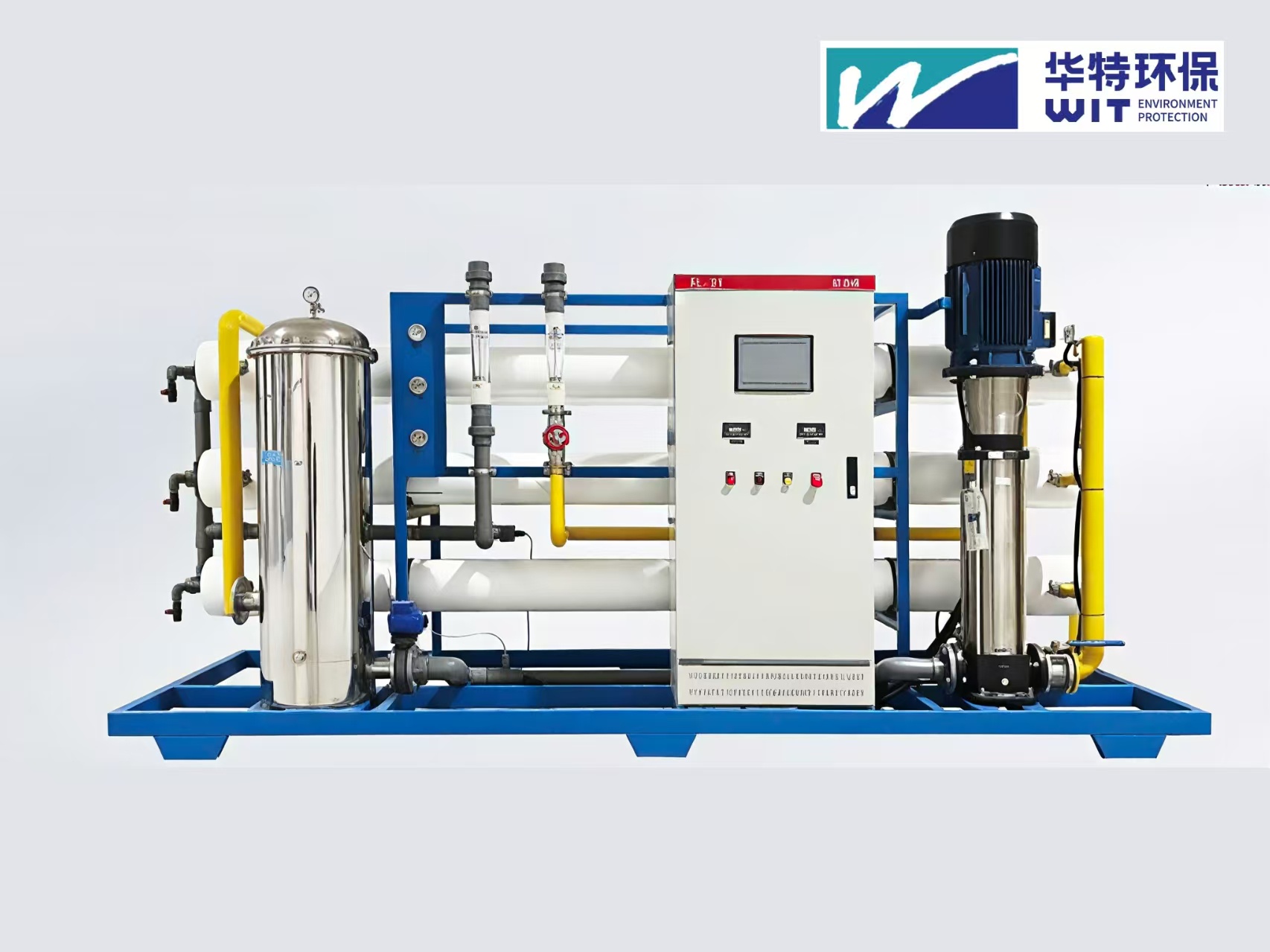
Because the system is skid-mounted, the electrical cabinet, cable routing, grounding, motor protection, instrument signals, and emergency stop logic are integrated into the delivered package. This means the relevant low-voltage electrical and control safety standards should be confirmed before manufacturing, not after shipment.
Buyers should verify at least four things: the voltage and frequency match the site; the enclosure protection level suits the installation environment; the control philosophy supports alarms, interlocks, and safe shutdown; and the documentation package includes wiring diagrams, I/O lists, operation manuals, and maintenance guidance. If export is involved, local market access requirements may also apply to the electrical assembly and control components.
Mechanical fabrication and skid integrity are part of compliance too
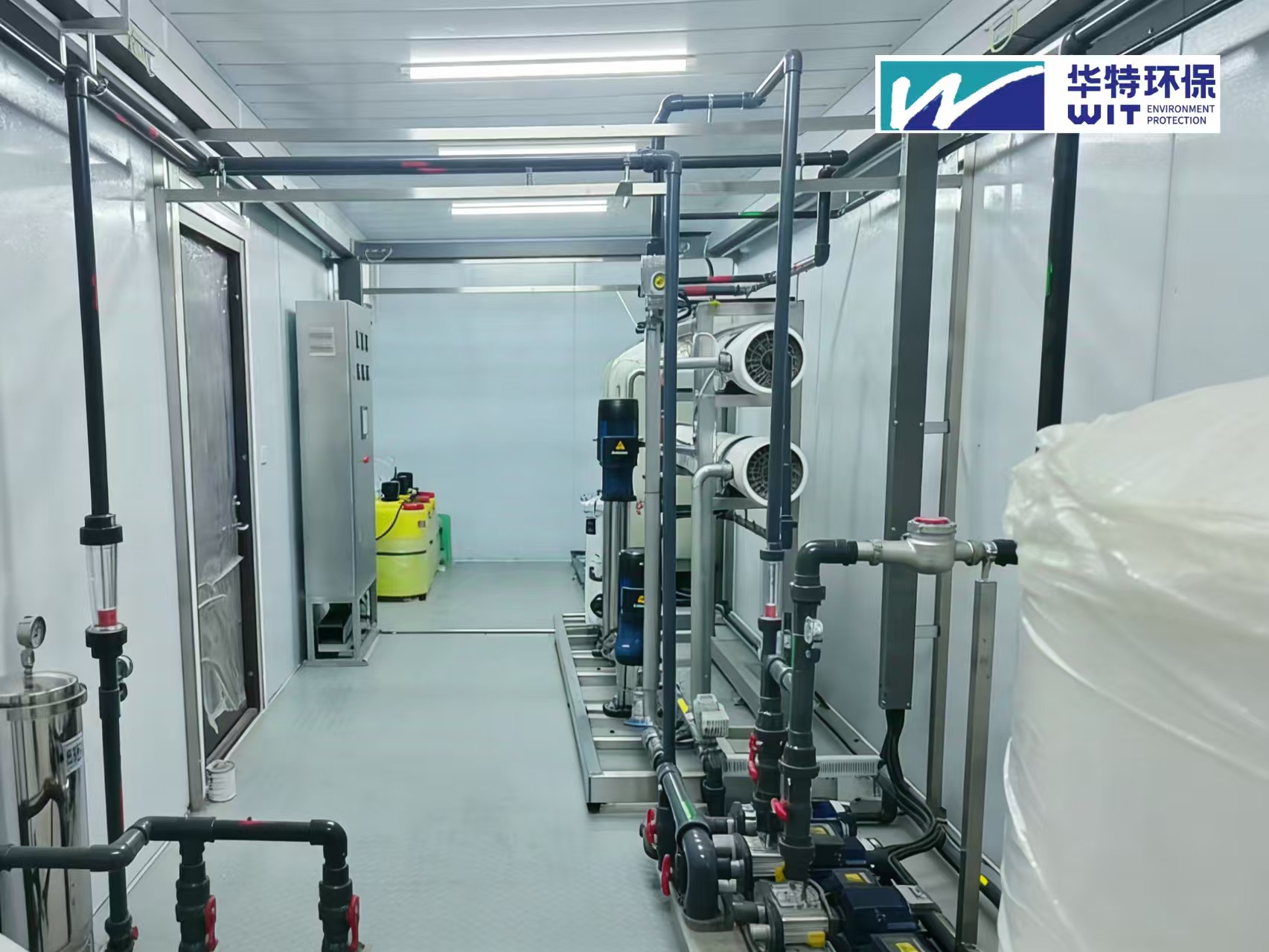
A skid is not just a frame holding equipment together. It carries piping loads, vibration, transport stress, and sometimes lifting loads during relocation. For that reason, mechanical fabrication standards for structural steelwork, welding quality, pressure-bearing components where present, coating protection, and lifting arrangement should be reviewed in parallel with water treatment performance.
This becomes especially important for remote installations, temporary supply stations, and government-backed public utility projects, where on-site rework can be expensive and schedule-sensitive. Companies with general engineering contracting capability usually approach this more systematically because delivery does not end at equipment assembly; it extends into transport, installation, commissioning, and acceptance.
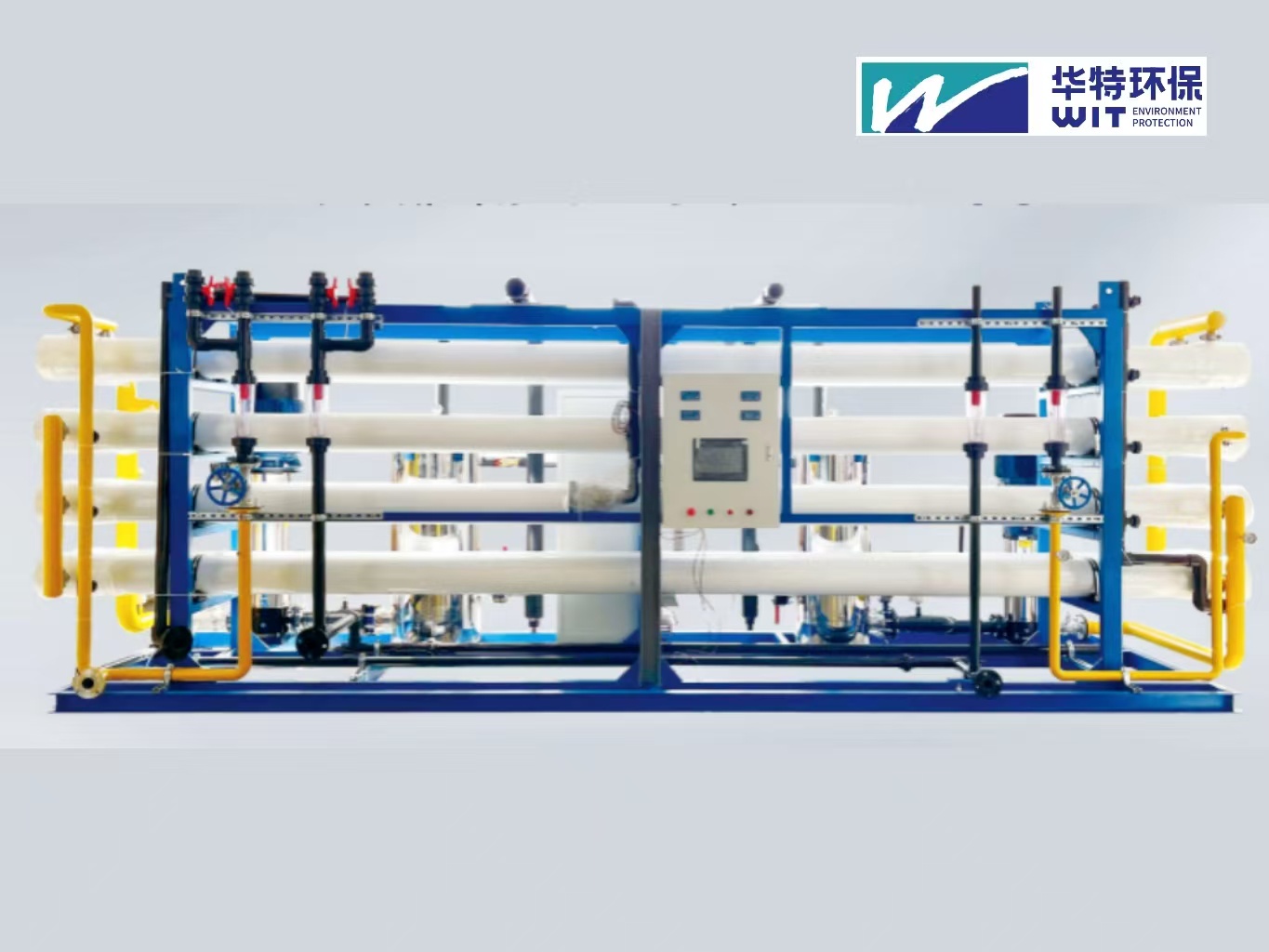
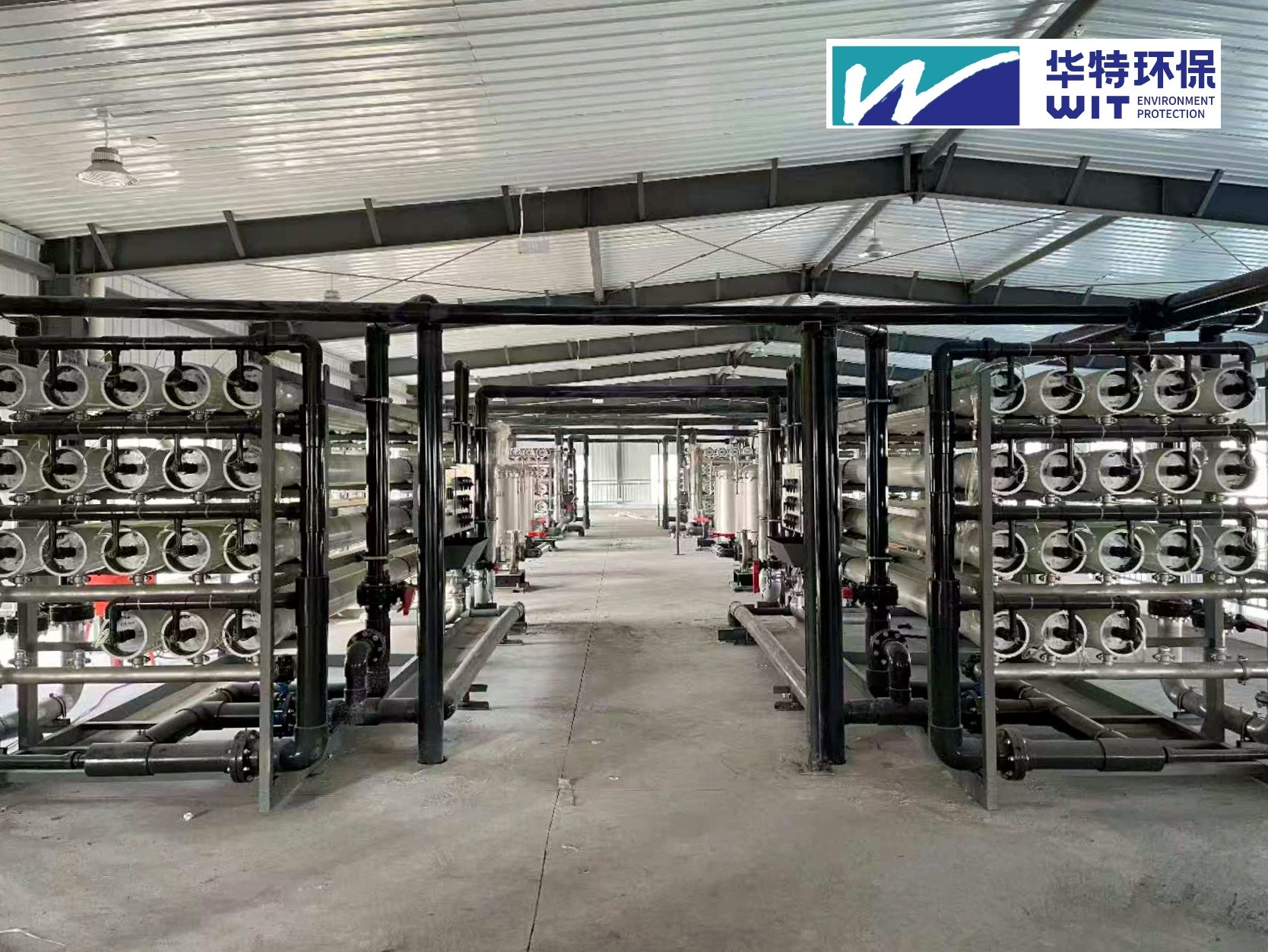
In some projects, buyers comparing compact packaged units with larger integrated systems may also look at options such as Large-Scale Integrated Skid-Mounted Water Purification Treatment Equipment, especially where standardization and site installation speed matter. The point is not size alone, but whether the packaged form still respects the relevant fabrication and operating standards.
Sanitation, disinfection, and operation records should be reviewable
For drinking water equipment, hygiene control is not limited to final disinfection. The unit should support cleaning, flushing, drainage, and sampling in a way that reduces contamination risk during operation and maintenance. If chemical disinfection is part of the design, compatibility with the process materials and safe dosing control need to be checked carefully.
This area often benefits from suppliers that understand both water treatment equipment and disinfection systems. Shandong Wit Environmental Protection Technology Co.Ltd has a strong background in chlorine dioxide production equipment and broader environmental engineering, which is relevant when a project needs a realistic view of disinfection integration rather than a generic statement about sterilization performance.
Documents should prove conformity, not just claim it
Procurement teams should expect a document package that makes technical review possible. That usually includes P&ID or process flow information, general arrangement drawings, material lists for wetted parts, instrument lists, electrical drawings, test records, and operation-maintenance manuals. For some projects, factory acceptance testing and water quality verification procedures may also need to be defined in advance.
If the project is sensitive, it is worth asking one uncomfortable question early: which standards are explicitly listed on the quotation, and which are only assumed? Ambiguity at this stage often turns into variation claims, delayed approval, or a mismatch between delivered equipment and site expectations.
What a careful buyer should confirm before placing the order
A reliable specification review for Skid-mounted Single-stage Drinking Pure Water Equipment usually comes down to a short but serious checklist:
Is the outlet water target defined against the actual end use? Are all drinking-water-contact materials identifiable and suitable for potable service? Does the process design reflect raw water variability rather than only nominal conditions? Are electrical, control, and mechanical standards named in the supplier documents? Can the skid be cleaned, sampled, maintained, and transported without hidden risk?
If those answers are clear, procurement becomes much easier. If they are not, a lower initial price may simply mean that compliance work has been pushed downstream.
In this category, the safest purchasing decision is rarely the one with the most impressive keyword list. It is the one where standards, materials, process logic, and delivery scope line up with the project’s actual drinking water requirements. Before finalizing any order, it is worth confirming the raw water report, destination standard, electrical conditions, documentation scope, and whether a packaged option such as Large-Scale Integrated Skid-Mounted Water Purification Treatment Equipment fits the installation and approval path better than a loosely defined custom assembly.


 Which Standards Should Skid-mounted Single-stage Drinking Pure Water Equipment Meet?
 How Modular Skid-mounted Single-stage Drinking Pure Water Equipment Is Shaping Small Water Projects
 Which Standards and Certifications Matter for Large-Scale Integrated Skid-Mounted Water Purification Treatment Equipment?
 Key Process Units Inside Large-Scale Integrated Skid-Mounted Water Purification Treatment Equipment Explained
 Common Startup Failures in Large-Scale Integrated Skid-Mounted Water Purification Treatment Equipment and How to Fix Them
 When Does Large-Scale Integrated Skid-Mounted Water Purification Treatment Equipment Make Sense for Industrial Water Projects?
GET A FREE QUOTE
Service Commitment: Upon receipt of your message, a dedicated representative will contact you as soon as possible to provide efficient and professional service support.
