







The Science of Zero-Leakage: Safety Mechanisms of W1 Type (Low Negative Pressure) Chlorine Dioxide Preparation Technology
Zero-leakage performance is critical in chlorine dioxide preparation, where safety, stability, and compliance directly affect environmental and operational outcomes. This article explores the science behind W1 Type (Low Negative Pressure) Chlorine Dioxide Preparation Technology, highlighting how its safety mechanisms help minimize leakage risks, improve process control, and support reliable disinfection and water treatment applications across municipal and industrial sectors.
Why zero-leakage chlorine dioxide preparation is becoming a defining industry standard
In environmental and energy projects, chlorine dioxide preparation technology now faces stricter expectations than before. Safety is no longer a secondary specification. It is a core performance indicator.
Across municipal water treatment, industrial wastewater treatment, and pulp bleaching, operators want stable chlorine dioxide output with lower exposure risk, reduced odor, and cleaner site management.
This shift has increased attention on W1 Type (Low Negative Pressure) Chlorine Dioxide Preparation Technology. Its value lies in combining process efficiency with a more controlled internal pressure environment.
For projects involving oxidizing chemicals, zero-leakage is not just about equipment integrity. It also relates to worker protection, environmental compliance, product consistency, and lifecycle operating reliability.
The strongest trend signal is a move from output-focused systems to safety-centered process design
Older chlorine dioxide preparation systems were often judged mainly by production capacity. That evaluation model is changing. Today, users increasingly compare systems by leakage control, automation response, and fault isolation.
W1 Type (Low Negative Pressure) Chlorine Dioxide Preparation Technology reflects this transition. The low negative pressure design helps reduce uncontrolled gas escape during reaction, transfer, and dosing stages.
That design trend aligns with broader environmental goals. It supports cleaner operation, lowers accidental release probability, and helps treatment facilities maintain stable disinfection performance under variable loads.
What drives the adoption of W1 Type (Low Negative Pressure) Chlorine Dioxide Preparation Technology
- Tighter safety and environmental compliance requirements in water treatment infrastructure.
- Greater sensitivity to chlorine dioxide leakage, odor, corrosion, and operator exposure.
- Demand for continuous, automated, and traceable chemical preparation systems.
- Need for reliable chlorine dioxide generation in municipal and industrial applications.
- Rising preference for integrated engineering solutions from experienced environmental enterprises.
How the science of low negative pressure supports zero-leakage performance
The science is straightforward. Leakage risk rises when gas-producing reactions create uncontrolled positive pressure or when weak sealing meets fluctuating operating conditions.
W1 Type (Low Negative Pressure) Chlorine Dioxide Preparation Technology reduces this risk by keeping the reaction environment under carefully managed low negative pressure conditions.
Key safety mechanisms behind zero-leakage design
- Sealed reaction and transfer paths that reduce escape points.
- Low negative pressure operation that limits outward gas release tendencies.
- Automatic monitoring of pressure, flow, and feed ratios.
- Interlock protection that reacts to abnormal conditions quickly.
- Material selection designed for corrosion resistance and long-term stability.
When these mechanisms work together, the result is more than basic containment. The system gains process consistency, safer maintenance conditions, and stronger adaptation to changing treatment demands.
The impact reaches beyond safety into water quality, engineering efficiency, and system integration
A zero-leakage chlorine dioxide preparation system improves dosing reliability. That directly affects oxidation efficiency, disinfection consistency, and downstream water quality control.
For engineering projects, the advantage is also practical. Better containment means cleaner equipment rooms, fewer corrosion-related disruptions, and smoother compliance documentation.
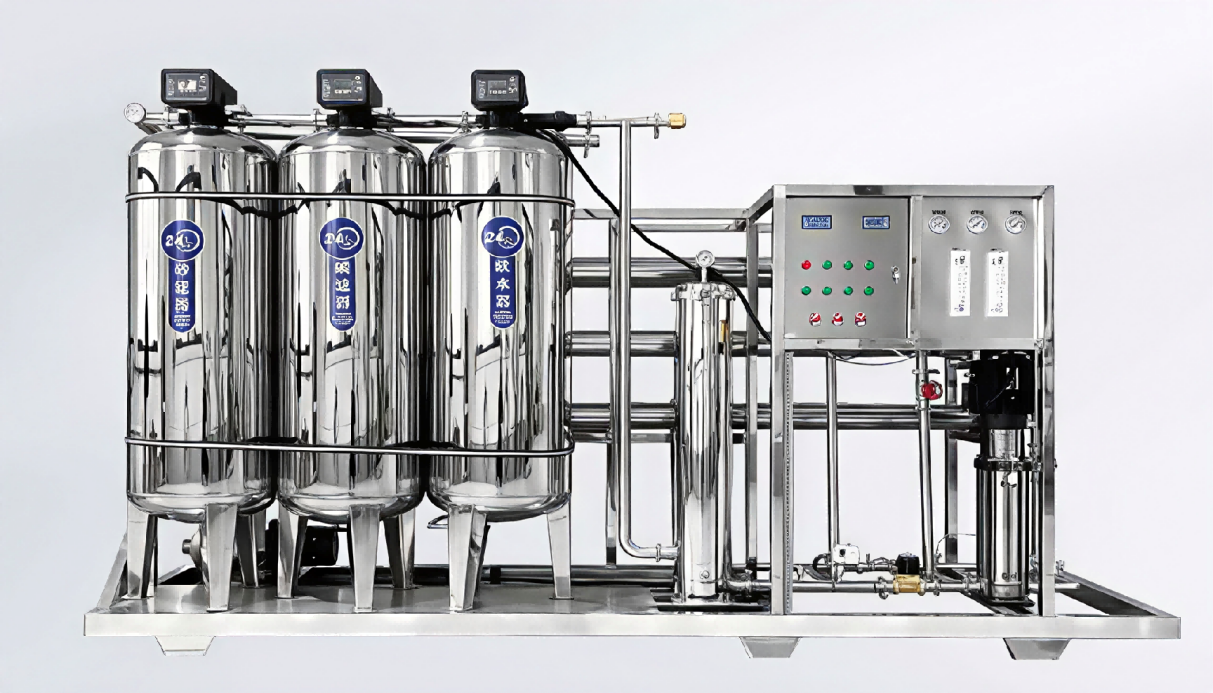
In integrated treatment scenarios, compact auxiliary units can support upstream or downstream stability. For example, Small-Sized Integrated Skid-Mounted Water Purification Treatment Equipment can complement modular water treatment deployment where space and installation speed matter.
This matters in regional environmental projects, where wastewater treatment, disinfection, and water reuse often operate as connected systems rather than isolated process islands.
What should be examined when evaluating chlorine dioxide preparation technology now
- Whether the chlorine dioxide preparation system uses low negative pressure control effectively.
- How the design addresses zero-leakage performance under continuous operation.
- What monitoring, alarm, and interlock mechanisms are built into the equipment.
- Whether engineering experience covers municipal, industrial, and specialized wastewater sectors.
- How materials, fabrication quality, and maintenance accessibility affect long-term reliability.
These points are especially relevant in complex environmental projects. System performance depends not only on reaction chemistry, but also on engineering detail and field experience.
A practical outlook for facilities planning future upgrades
The next phase of chlorine dioxide preparation technology will likely emphasize smarter control, stronger sealing reliability, and easier integration with digital plant management platforms.
That direction favors companies with both research strength and project execution capability. Shandong Wit Environmental Protection Technology Co.Ltd stands out through its chlorine dioxide equipment expertise and broad environmental engineering background.
With experience in wastewater treatment, ecological restoration, and large-scale chlorine dioxide production equipment, the company supports comprehensive solutions rather than isolated hardware delivery.
For facilities assessing upgrades, the best next step is to compare not only chlorine dioxide output, but also zero-leakage safeguards, process stability, and long-term compliance resilience.
In that context, W1 Type (Low Negative Pressure) Chlorine Dioxide Preparation Technology represents a meaningful shift. It shows how safety science can strengthen environmental performance and operational confidence at the same time.



- chlorine dioxide production equipment
- industrial wastewater treatment
- environmental protection technology
- chlorine dioxide preparation
- environmental enterprise
- Small-Sized Integrated Skid-Mounted Water Purification Treatment Equipment
- W1 type (low negative pressure) chlorine dioxide preparation technology
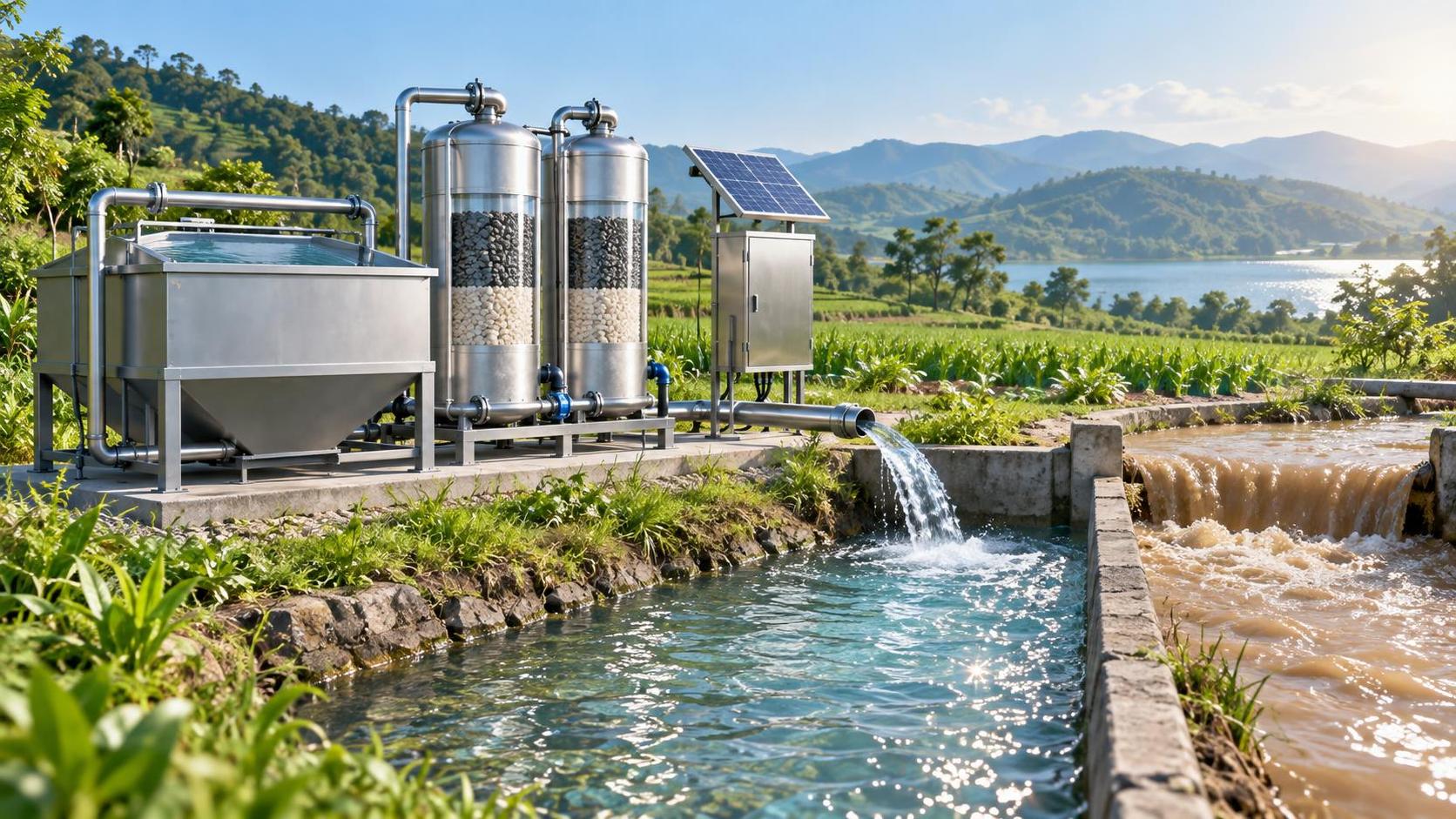
 Small Water Purification System Performance Under Variable Turbidity: Real-World Data from Off-Grid Agricultural Communities
 When Does a Small Water Purification System Outperform Centralized Treatment? Use Cases in Disaster Response and Mining Camps
 Small Water Purification System for Remote Clinics: Power-Independent Options and WHO Drinking Water Guidelines Compliance
 Ultrapure Water Equipment ROI Calculator: Estimating Payback Period Based on Yield Improvement and Defect Reduction
 How Ultrapure Water Equipment Validates Compliance with SEMI F63-1118 for 28nm+ Wafer Fabrication
") Ultrapure Water Equipment for Semiconductor Manufacturing: Key Specifications Beyond Resistivity (TOC, Particle Count, Metals)
Ultrapure Water Equipment for Semiconductor Manufacturing: Key Specifications Beyond Resistivity (TOC, Particle Count, Metals)
GET A FREE QUOTE
Service Commitment: Upon receipt of your message, a dedicated representative will contact you as soon as possible to provide efficient and professional service support.
