







What to Check Before Buying a Variable Frequency Drive for Desalination Plants
Choosing the right variable frequency drive for desalination plants is not just about price. It affects power use, uptime, membrane protection, and future service costs.
In desalination projects, one wrong specification can create frequent trips, unstable pressure, or hidden maintenance issues. A careful review before purchase usually saves far more than a low initial quote.
For water and environmental projects, this matters even more. Companies with long-term engineering experience, such as Shandong Wit Environmental Protection Technology Co.Ltd, often evaluate equipment from both process and lifecycle angles, not only from a purchasing sheet.
Start with the real operating conditions
Before comparing brands, confirm how the variable frequency drive for desalination plants will actually run on site. The drive must match the process, not just the motor nameplate.
- Check motor power, rated current, overload demand, and starting torque. High-pressure pumps, intake pumps, and dosing systems often need different drive sizing logic in desalination service.
- Confirm whether the load is constant torque or variable torque. Buying the wrong control type may look acceptable on paper but reduce efficiency in daily operation.
- Review local voltage fluctuation, frequency stability, and harmonic conditions. Coastal projects and island plants often face weaker grids, so input tolerance matters more than expected.
- Verify ambient temperature, humidity, salt mist, and ventilation conditions. A standard industrial enclosure may fail early if corrosion resistance is not considered.
This first step sounds basic, but it is often skipped. Many failures blamed on the drive are actually caused by incomplete site data during selection.
Check control accuracy and system compatibility
A variable frequency drive for desalination plants should support stable flow, pressure, and energy control. That means the control method must fit the process logic of the plant.
- Make sure the drive supports PID control, pressure feedback, and smooth acceleration. Sudden speed changes can stress pumps, pipelines, and reverse osmosis membranes.
- Check communication protocols early. Modbus, Profibus, Profinet, or Ethernet compatibility should match the plant PLC and SCADA system before ordering.
- Confirm signal interface details, not just protocol names. Analog input type, digital I/O quantity, and alarm relay requirements are small points that often delay commissioning.
- Ask whether the drive can support bypass mode or manual emergency operation. This is useful when plant continuity matters more than ideal automation.
In practice, compatibility issues are expensive because they appear late. A drive that cannot integrate cleanly with controls can hold up the whole desalination line.
When high-pressure pumps are involved
For high-pressure pump applications, stable output is critical. Focus on torque performance at low speed, pressure response, and anti-trip capability during sudden load changes.
It is also wise to ask for similar project references. A supplier familiar with water treatment and desalination usually understands pressure fluctuation risks better.
Look closely at durability in harsh water environments
Desalination plants are tough on electrical equipment. Salt spray, heat, moisture, and continuous operation can shorten service life if the drive is not designed for them.
- Ask about anti-corrosion coating, cabinet protection grade, and cooling design. These details directly affect reliability in coastal or marine atmospheres.
- Check whether derating is required at high temperatures or high altitude. The nominal rating may not equal the safe rating under actual plant conditions.
- Confirm fan replacement intervals, filter cleaning needs, and spare part availability. Easy maintenance lowers lifecycle cost more than many buyers expect.
- Review harmonic suppression and EMC measures. Without them, nearby instruments and control systems may suffer interference, especially in compact skid-based installations.
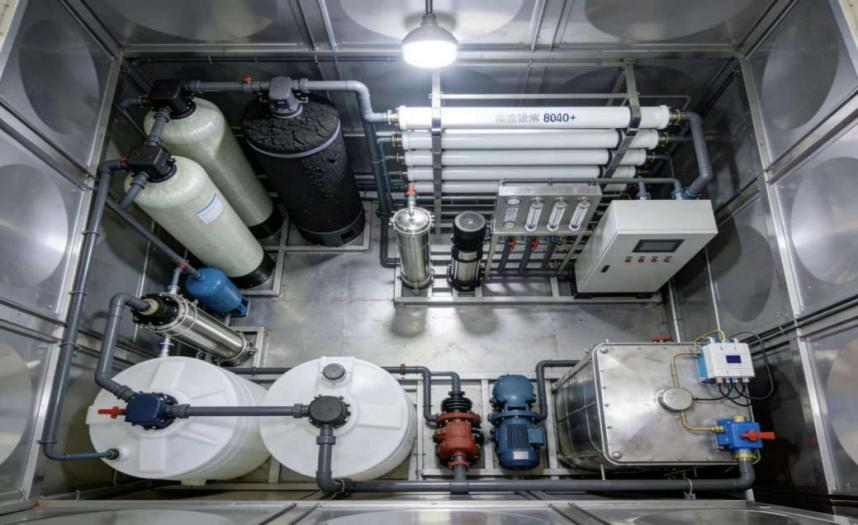
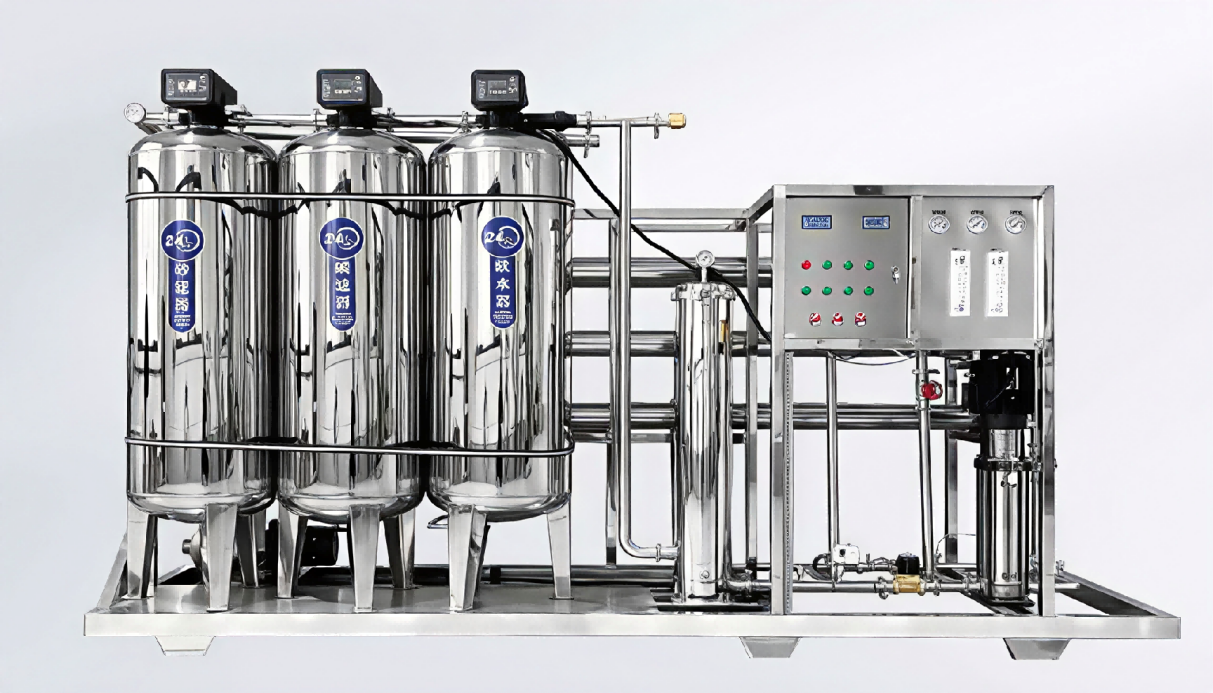
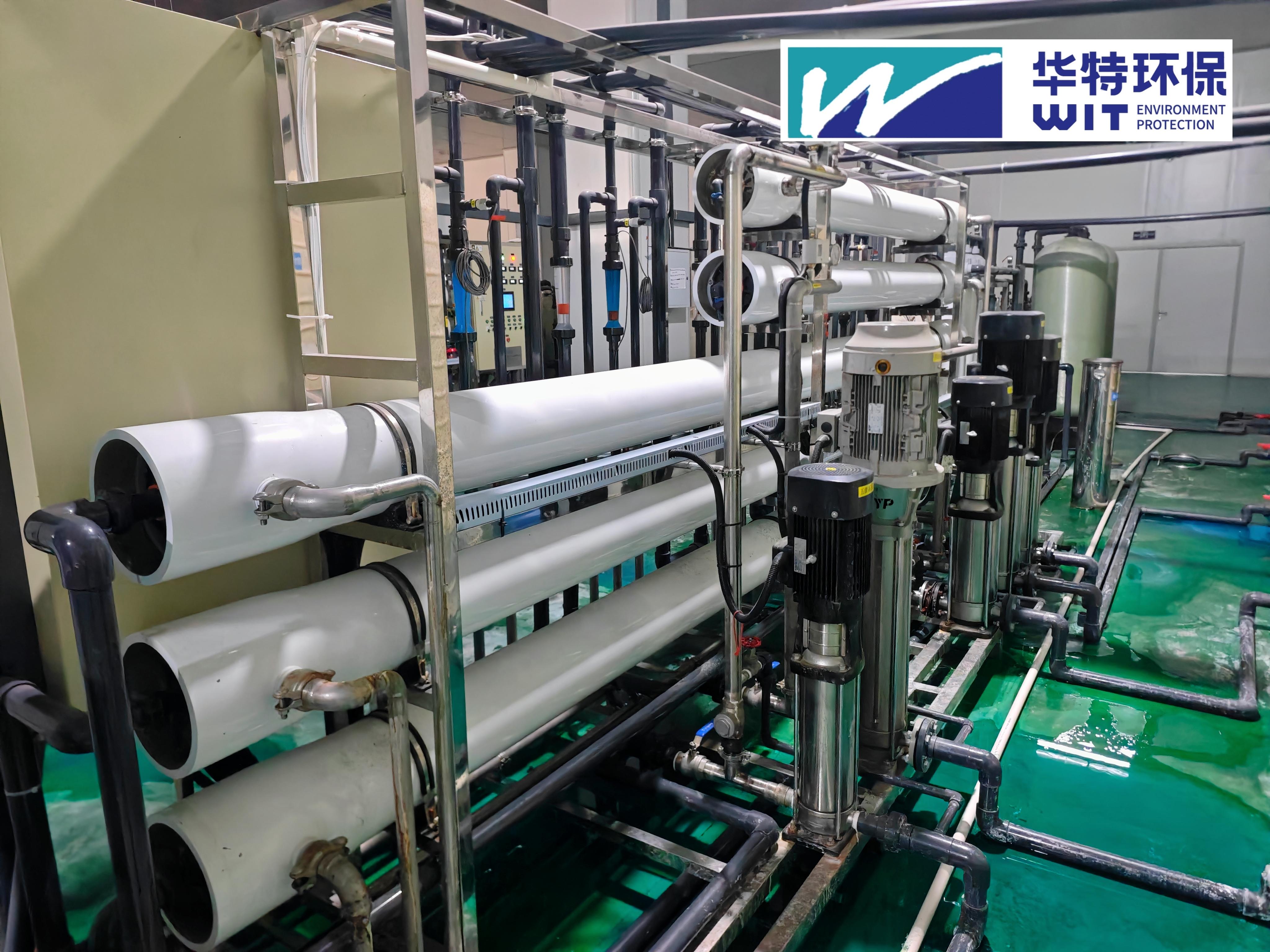
If the project includes compact modular treatment units, integration becomes even more important. In some cases, paired solutions such as Large-Scale Integrated Skid-Mounted Water Purification Treatment Equipment can simplify layout and installation planning across the treatment system.
Compare suppliers beyond the quotation sheet
A low-priced variable frequency drive for desalination plants may become costly if documentation, service, or commissioning support is weak. Supplier capability deserves a separate review.
It also helps to ask who will support the plant after handover. Fast answers during operation are often more valuable than a small discount during bidding.
For public and long-term infrastructure projects
Projects with long operating cycles should put extra weight on reliability records, service response, and engineering coordination. The cheapest option rarely remains the cheapest over ten years.
This is especially true in environmental infrastructure, where process continuity, compliance, and operating stability are closely linked.
Do not miss these practical checks before approval
A final review can catch details that often get buried in technical annexes. These points are simple, but they prevent a lot of trouble later.
- Request a full parameter list before purchase, including protection settings, control modes, and expansion options. Do not rely only on catalog summaries.
- Check warranty terms carefully, especially exclusions related to environment, installation, and third-party components. Hidden limits can affect claim validity later.
- Ask for recommended cable type, reactor needs, and grounding rules. Improper installation can create overheating, interference, and nuisance trips.
- If the project includes modular treatment expansion, confirm future capacity compatibility. This avoids replacing the variable frequency drive for desalination plants too early.
Where broader water treatment integration is planned, equipment coordination matters across the whole system. That is one reason integrated environmental solution providers often bring stronger project value than isolated equipment sourcing.
Before placing the order, compare at least three things side by side: technical fit, service support, and lifecycle cost. If one of them is unclear, pause and verify it.
A reliable variable frequency drive for desalination plants should improve efficiency, protect the process, and stay manageable over years of operation. That is the real benchmark for a sound buying decision.



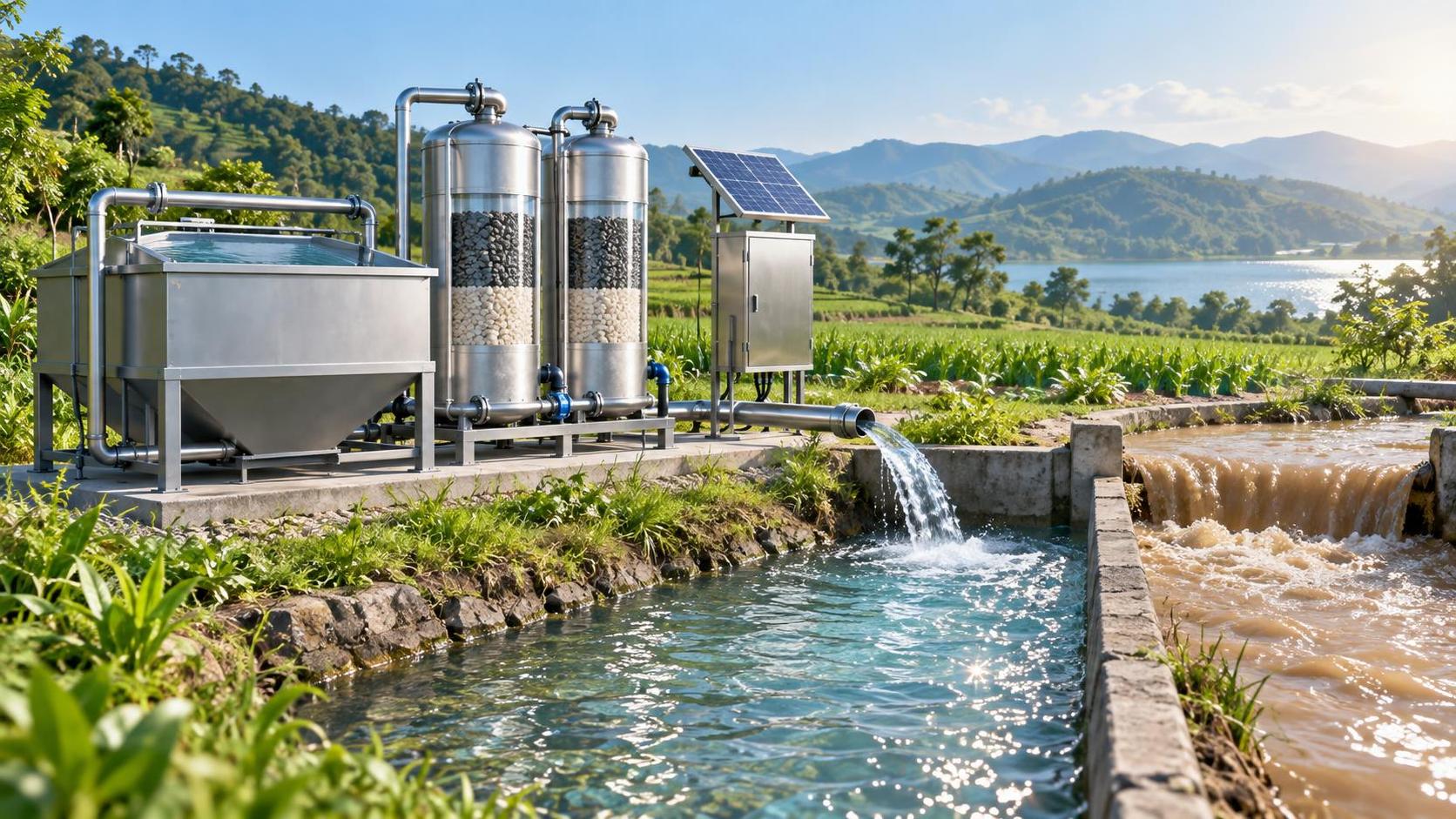
 Small Water Purification System Performance Under Variable Turbidity: Real-World Data from Off-Grid Agricultural Communities
 When Does a Small Water Purification System Outperform Centralized Treatment? Use Cases in Disaster Response and Mining Camps
 Small Water Purification System for Remote Clinics: Power-Independent Options and WHO Drinking Water Guidelines Compliance
 Ultrapure Water Equipment ROI Calculator: Estimating Payback Period Based on Yield Improvement and Defect Reduction
 How Ultrapure Water Equipment Validates Compliance with SEMI F63-1118 for 28nm+ Wafer Fabrication
") Ultrapure Water Equipment for Semiconductor Manufacturing: Key Specifications Beyond Resistivity (TOC, Particle Count, Metals)
Ultrapure Water Equipment for Semiconductor Manufacturing: Key Specifications Beyond Resistivity (TOC, Particle Count, Metals)
GET A FREE QUOTE
Service Commitment: Upon receipt of your message, a dedicated representative will contact you as soon as possible to provide efficient and professional service support.
