







Operating Tips for Small-Sized Integrated Skid-Mounted Water Purification Treatment Equipment
Operating Tips for Small-Sized Integrated Skid-Mounted Water Purification Treatment Equipment
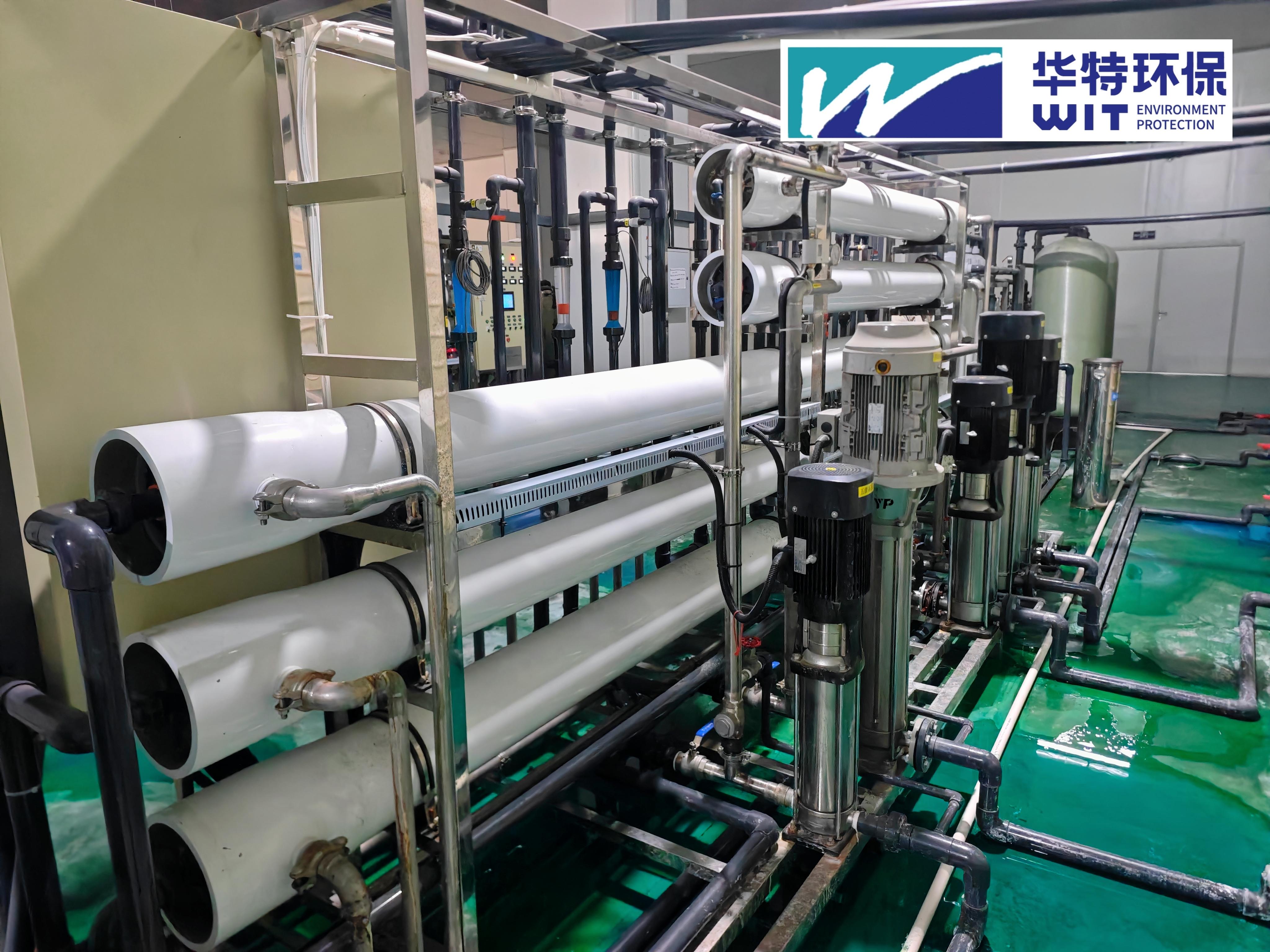
Compact water treatment systems are no longer used only as temporary units or backup assets.
From recent project demand, they are becoming a primary choice in decentralized, municipal, industrial, and remote applications.
That shift puts more attention on operation quality, not just installation speed.
For Small-Sized Integrated Skid-Mounted Water Purification Treatment Equipment, daily habits now influence compliance, stability, and lifecycle cost more than many expect.
In practice, the best operating results usually come from disciplined checks, fast response to water quality change, and a clear understanding of each treatment stage.
Why operating discipline matters more than before
Water sources are becoming less predictable.
Seasonal turbidity swings, higher organic load, and intermittent inflow patterns are more common in many local treatment scenarios.
A compact skid-mounted unit handles these changes well, but only when operation stays closely aligned with actual conditions.
This is also why companies with strong engineering backgrounds, such as Shandong Wit Environmental Protection Technology Co.Ltd, increasingly emphasize system-level control, research-based optimization, and full-process management.
Their long experience in wastewater treatment and large-scale water projects reflects a broader industry direction.
Equipment performance is now judged by resilience under variable conditions, not by nameplate capacity alone.
The main signals behind this change
- Smaller sites need faster deployment but still face stricter discharge and reuse expectations.
- Labor availability is tighter, so operating mistakes create bigger downtime risks.
- Utilities want lower chemical waste and lower energy consumption per treated volume.
- Remote facilities need stable treatment with fewer on-site interventions.
The most useful operating tips start before startup
Many issues blamed on equipment actually begin with rushed startup routines.
Before running Small-Sized Integrated Skid-Mounted Water Purification Treatment Equipment, confirm that inlet conditions match the process design range.
Pay special attention to turbidity, pH, suspended solids, and sudden odor or color change.
Check pumps, valves, sensors, and dosing lines in sequence.
A simple checklist often prevents the most expensive failures.
Stable treatment now depends on faster adjustment
More compact systems are being asked to handle variable feed water without large buffer capacity.
That makes timely adjustment essential.
If influent turbidity rises, do not wait for outlet quality to worsen.
Review coagulation dosage, mixing intensity, and sludge discharge frequency immediately.
If pressure drop across filters increases, inspect fouling and backwash timing rather than forcing higher flow.
This operating mindset is becoming standard across advanced environmental projects.
The same logic can also be seen in compact sewage solutions such as Integrated Skid-Mounted Domestic Sewage Treatment Equipment, where quick adjustment often matters more than oversized design.
Watch these indicators together, not separately
- Inlet flow and outlet clarity
- Chemical dosing rate and residual quality
- Filter pressure and backwash effectiveness
- Disinfection strength and contact time
Maintenance is shifting from repair to prevention
A clear trend in water treatment operation is the move toward preventive maintenance.
This is especially important for Small-Sized Integrated Skid-Mounted Water Purification Treatment Equipment because compact layouts can hide early signs of wear.
Do not wait for a pump trip, unstable dosing, or membrane fouling alarm.
Track vibration, unusual sound, recurring pressure drift, and slower valve response.
Clean strainers, flush dosing lines, and inspect seals on a fixed cycle.
Where disinfection is involved, storage and feed conditions deserve extra caution.
That is one reason firms with chlorine dioxide expertise and strong R&D capacity continue to shape best practices across the sector.
Different scenarios create different operating priorities
The operating logic should match the use environment.
A municipal auxiliary station, an industrial reuse point, and a remote community site do not fail in the same way.
- Municipal use often requires closer attention to peak-hour flow and sludge removal rhythm.
- Industrial use usually demands tighter control of shock loads and pretreatment consistency.
- Remote sites need simpler routines, reliable alarms, and spare-part readiness.
- Aquaculture or ecological applications often require gentler chemical control and stable dissolved oxygen balance.
This is where broader environmental engineering experience becomes valuable.
Knowledge from municipal wastewater, industrial wastewater, ecological restoration, and decentralized treatment often improves operating judgment in compact purification systems.
What deserves closer attention in the next stage
The next phase of operation will likely focus on smarter monitoring, fewer manual corrections, and tighter cost control.
Still, no monitoring system can replace basic operating discipline.
For Small-Sized Integrated Skid-Mounted Water Purification Treatment Equipment, the practical path is straightforward.
- Build a startup and shutdown checklist based on actual site conditions.
- Record water quality changes together with dosing and pressure data.
- Set early warning values before compliance risk appears.
- Review whether compact solutions like Integrated Skid-Mounted Domestic Sewage Treatment Equipment can support adjacent treatment needs.
- Update maintenance intervals according to runtime, not fixed habit alone.
The strongest results usually come from small, repeated improvements.
When operating records become more precise, response gets faster, downtime drops, and purification quality becomes easier to sustain over time.



 Small Water Purification System Performance Under Variable Turbidity: Real-World Data from Off-Grid Agricultural Communities
 When Does a Small Water Purification System Outperform Centralized Treatment? Use Cases in Disaster Response and Mining Camps
 Small Water Purification System for Remote Clinics: Power-Independent Options and WHO Drinking Water Guidelines Compliance
 Ultrapure Water Equipment ROI Calculator: Estimating Payback Period Based on Yield Improvement and Defect Reduction
 How Ultrapure Water Equipment Validates Compliance with SEMI F63-1118 for 28nm+ Wafer Fabrication
") Ultrapure Water Equipment for Semiconductor Manufacturing: Key Specifications Beyond Resistivity (TOC, Particle Count, Metals)
Ultrapure Water Equipment for Semiconductor Manufacturing: Key Specifications Beyond Resistivity (TOC, Particle Count, Metals)
GET A FREE QUOTE
Service Commitment: Upon receipt of your message, a dedicated representative will contact you as soon as possible to provide efficient and professional service support.
