







Chemical Pusher Centrifuge vs Peeler Centrifuge: Which Fits Your Process?
Chemical Pusher Centrifuge vs Peeler Centrifuge: Which Fits Your Process?
Choosing between a chemical pusher centrifuge and a peeler centrifuge can directly affect throughput, product purity, energy use, and long-term operating cost.
For environmental and energy projects, that choice also shapes reliability, maintenance workload, and compliance performance.
In practice, both machines handle solid-liquid separation well. The right answer depends on crystal behavior, capacity targets, washing needs, and automation strategy.
Start with the core difference
A chemical pusher centrifuge works continuously. Solids move forward through the basket in stages while liquid exits through the screen.
A peeler centrifuge works in batches. It fills, spins, washes, dries, and then uses a blade to remove the cake.
That operating principle creates the main decision line. Continuous duty favors speed and steady flow. Batch duty favors control and cleaner cake management.
When a chemical pusher centrifuge makes more sense
A chemical pusher centrifuge is usually the better fit when production volume is high and feed conditions stay relatively stable.
It performs well with free-draining crystals, narrow particle distribution, and applications where continuous solids discharge improves plant balance.
- High throughput requirements
- Continuous upstream and downstream operation
- Lower labor involvement
- Shorter residence time
- Consistent crystal properties
This is one reason the chemical pusher centrifuge appears often in chemical salts, intermediates, and large-scale industrial separation lines.
However, the same speed can become a limitation. Fragile crystals may break. Variable feed can reduce separation stability and increase wear.
When a peeler centrifuge is the stronger option
A peeler centrifuge is often chosen when product quality matters more than maximum throughput.
Because the cycle is controlled step by step, it handles washing, deliquoring, and cake discharge with more precision.
- Better for fine or fragile crystals
- More effective cake washing
- Lower product breakage risk
- Good fit for high-purity separation
- Useful for more variable process conditions
The tradeoff is lower hourly output compared with a chemical pusher centrifuge in many continuous production environments.
Cycle time, discharge sequence, and cleaning requirements can also affect total operating efficiency.
Key selection factors that should drive the decision
The best centrifuge choice starts with process data, not equipment preference.
In actual projects, five factors usually determine whether a chemical pusher centrifuge or a peeler centrifuge delivers better long-term value.
- Crystal characteristics. Size, hardness, and friability strongly affect machine suitability.
- Throughput target. Continuous, high-volume duty often supports a chemical pusher centrifuge decision.
- Purity and washing needs. Strict washing quality often supports a peeler centrifuge.
- Feed variability. Unstable solids loading may reduce continuous separation performance.
- Maintenance and lifecycle cost. Wear parts, downtime, and cleaning frequency should be modeled early.
From a business view, this is where many projects succeed or fail. A lower purchase price can still lead to higher operating cost.
Comparison table for faster evaluation
Why this matters in environmental and energy projects
In wastewater treatment, chemical production, and resource recovery, separation quality affects more than output.
It influences downstream drying, recycle efficiency, chemical consumption, and discharge compliance.
For example, when integrated with oxidation and disinfection systems, upstream solids control can improve system stability.
That is also why process matching matters around solutions such as Sodium chlorite preparation technology, where equipment consistency supports safer chemical handling and reliable operation.
Companies with broad engineering experience usually evaluate centrifuge choice as part of the full process, not as a standalone machine purchase.
A practical decision path
If your process needs stable, large-volume separation, start by assessing a chemical pusher centrifuge.
If your process needs cleaner cake, gentler handling, or flexible washing, begin with a peeler centrifuge review.
Then confirm the decision with pilot data, solids testing, and a lifecycle cost model.
- Define solids properties first
- Map real hourly capacity needs
- Check washing and purity targets
- Estimate wear, downtime, and utilities
- Validate integration with the whole treatment line
A chemical pusher centrifuge is not automatically better because it is continuous. A peeler centrifuge is not automatically better because it offers tighter control.
The better choice is the one that fits your material, process rhythm, and operating risk profile.
If the goal is a reliable separation system with predictable cost, base the final decision on testing, integration, and full-process performance.



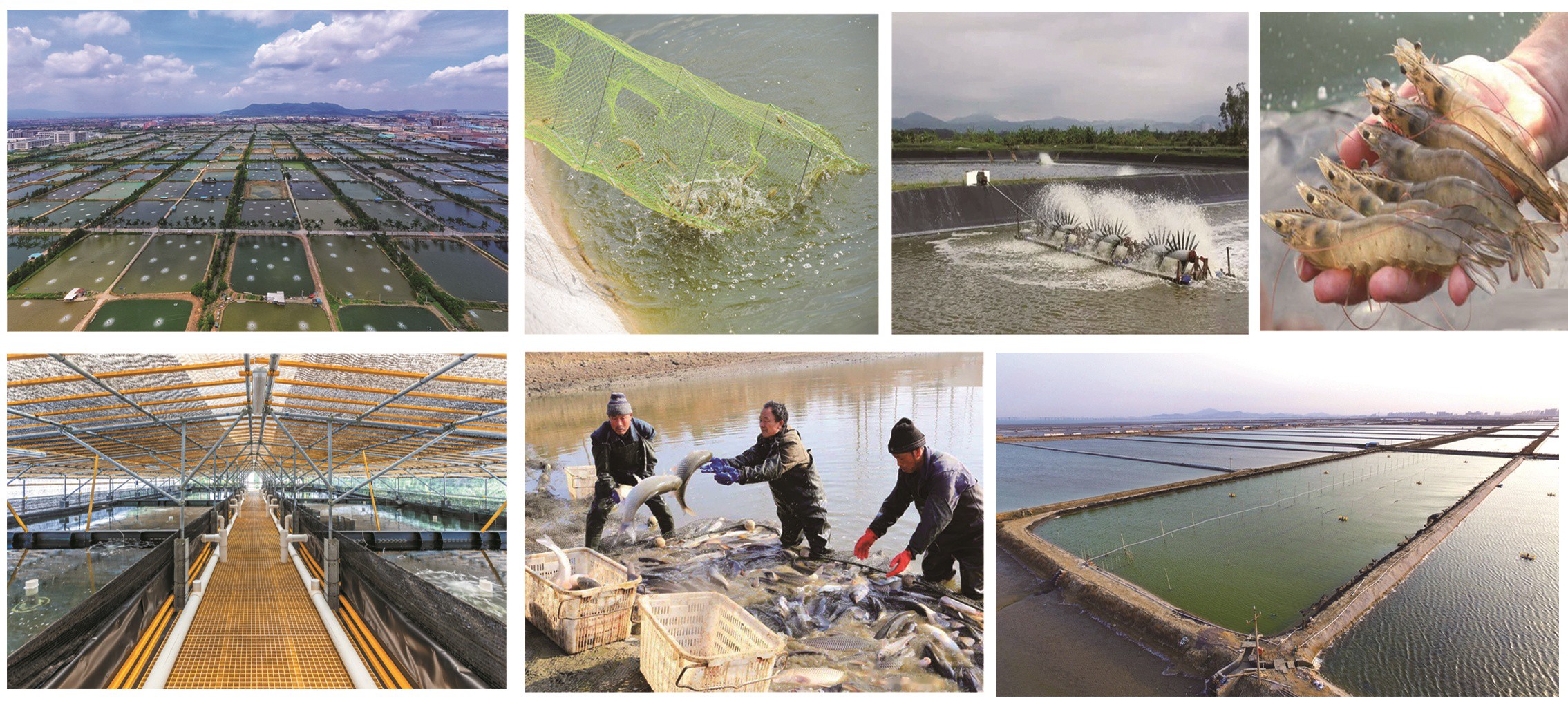
 Green circular development and reuseAquaculture wastewater typically refers to the discharge of wastewater during or after the aquaculture process. Its main characteristics include low pollutant concentration, large volume, uneven discharge, and strong seasonality.
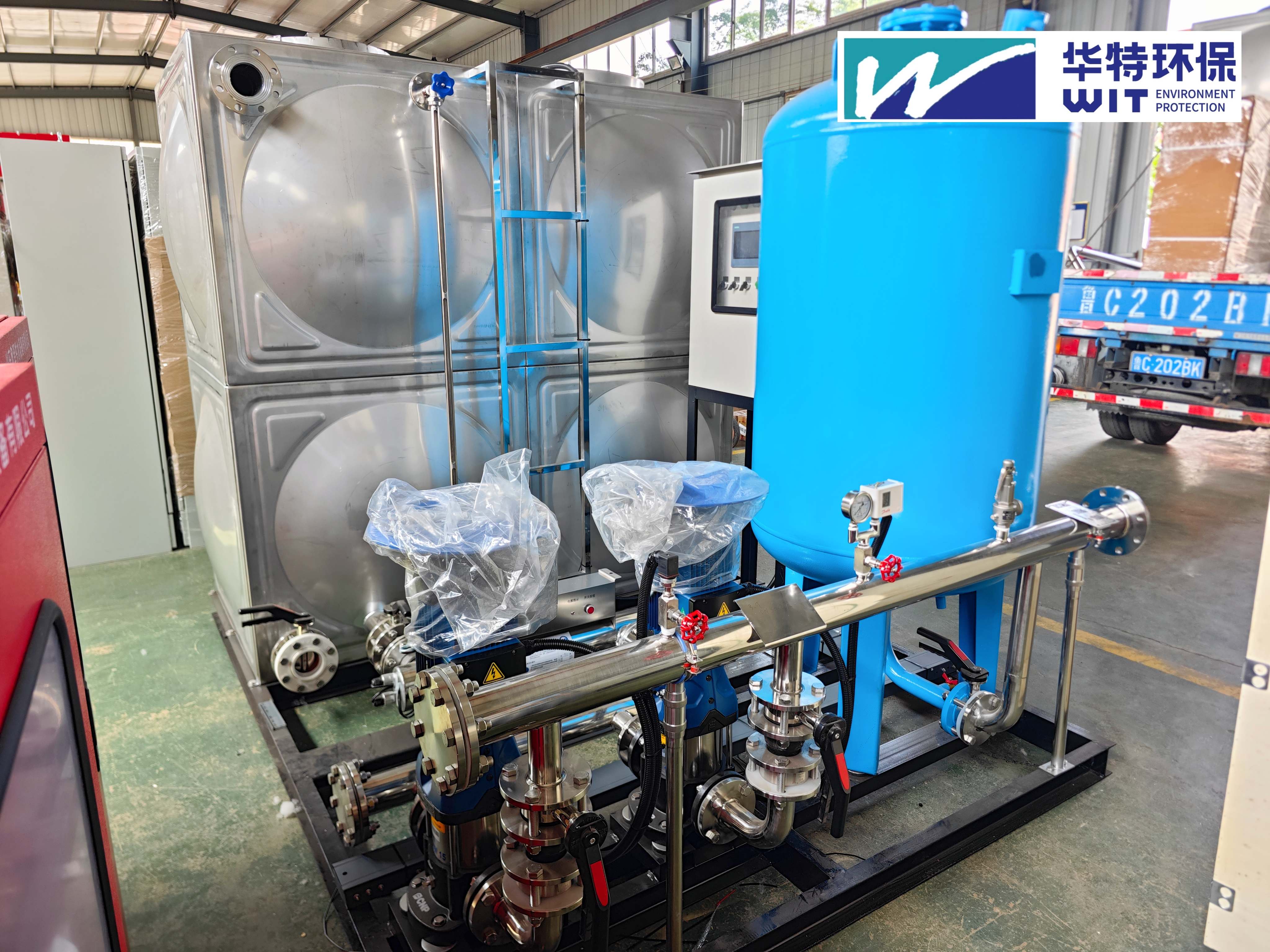
![]() Skid mounted & Modular Variable frequency Constant pressure Water Supply UnitIt comprehensively addresses the needs for boosted and constant pressure water supply during construction, operation, and various special scenarios, replacing traditional water towers, elevated water tanks, and pneumatic water supply equipment. It can automatically adjust the pump speed and number of pumps in operation according to real-time water consumption to achieve precise constant pressure water supply, ensuring the stability and safety of water for production, daily life, and fire fighting. At the same time, it significantly reduces water supply energy consumption and operation and maintenance costs, and is suitable for various scenarios without municipal pipe network coverage or with insufficient pipe network water pressure.
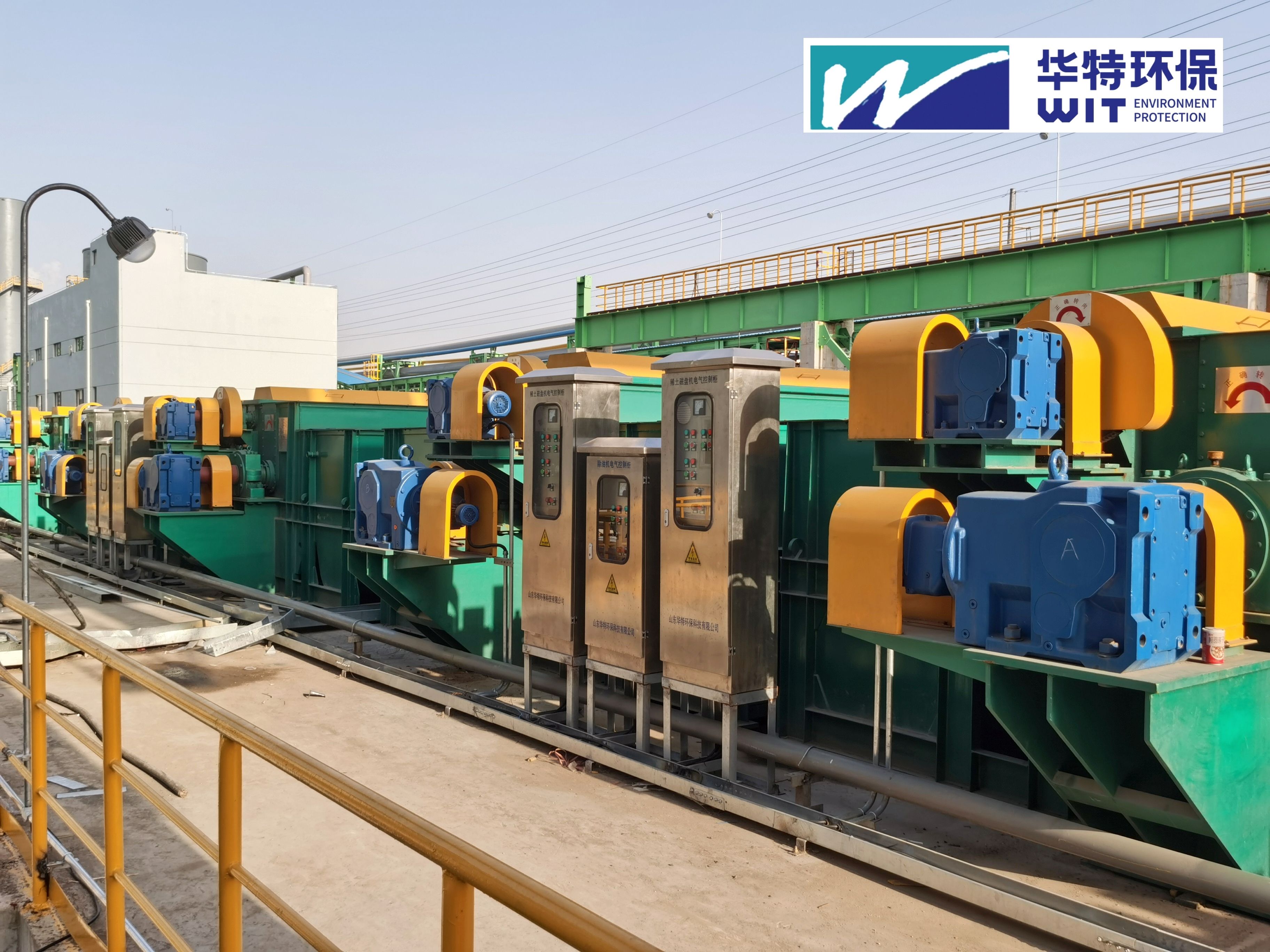
Skid mounted & Modular Variable frequency Constant pressure Water Supply UnitIt comprehensively addresses the needs for boosted and constant pressure water supply during construction, operation, and various special scenarios, replacing traditional water towers, elevated water tanks, and pneumatic water supply equipment. It can automatically adjust the pump speed and number of pumps in operation according to real-time water consumption to achieve precise constant pressure water supply, ensuring the stability and safety of water for production, daily life, and fire fighting. At the same time, it significantly reduces water supply energy consumption and operation and maintenance costs, and is suitable for various scenarios without municipal pipe network coverage or with insufficient pipe network water pressure.![]() Skid mounted Rare Earth Separation and Purification Equipment/Skid mounted Magnetic Flocculation UnitFocusing on the efficient separation and removal of pollutants such as suspended solids, total phosphorus, silt, and magnetic flocs in water, this product adopts a skid-mounted integrated design, making it suitable for water purification scenarios such as industrial wastewater and municipal sewage. It features convenient installation, high treatment efficiency, and small footprint, allowing for rapid deployment and operation to meet the rapid purification and upgrading needs of various water treatment scenarios.
Skid mounted Rare Earth Separation and Purification Equipment/Skid mounted Magnetic Flocculation UnitFocusing on the efficient separation and removal of pollutants such as suspended solids, total phosphorus, silt, and magnetic flocs in water, this product adopts a skid-mounted integrated design, making it suitable for water purification scenarios such as industrial wastewater and municipal sewage. It features convenient installation, high treatment efficiency, and small footprint, allowing for rapid deployment and operation to meet the rapid purification and upgrading needs of various water treatment scenarios.
 How to spot poor fabrication quality from chemical dosing skid manufacturers
 When local chemical dosing skid manufacturers are better than overseas suppliers
 Common membrane fouling causes in industrial pure water equipment
 What to check before buying industrial pure water equipment for a new plant
 How ultrapure water equipment helps reduce scaling in dosing systems
 When does industrial pure water equipment become necessary in pulp bleaching
GET A FREE QUOTE
Service Commitment: Upon receipt of your message, a dedicated representative will contact you as soon as possible to provide efficient and professional service support.
