







How ultrapure water equipment helps reduce scaling in dosing systems
Scale in a dosing system usually starts as a small nuisance. A line looks a little cloudy, the injection point needs cleaning more often, or a metering pump seems less stable than usual. In many plants, that first layer of mineral deposit is easy to ignore because the system still runs. The trouble is that scaling rarely stays minor. It narrows flow passages, changes back pressure, affects dosing consistency, and slowly turns routine operation into repeated correction work.
This becomes especially frustrating in environmental and energy applications where dosing stability matters every day. If the water used for chemical preparation or flushing contains hardness, silica, or other dissolved solids, deposits can form inside tanks, valves, ejectors, tubing, and pump heads. Many people first try to solve it by adjusting chemical concentration or cleaning more frequently. Sometimes that helps for a short time, but if the feed water quality remains the same, the buildup often comes back.
Where the problem usually shows up first
A common situation is this: the dosing unit itself appears correctly sized, the pump is working, and the chemical is within normal handling limits, yet scaling keeps returning in the same places. Operators often notice it around narrow sections first. Injection quills, small-bore tubing, static mixers, and calibration columns tend to reveal the problem early because any deposit there quickly affects flow.
Another sign is drifting operation rather than complete failure. The system may not stop, but dosing becomes harder to keep steady. Pressure readings fluctuate more than expected. Cleaning intervals get shorter. Spare parts wear faster because deposits create extra friction or interfere with valve seating. In chlorine-based preparation and disinfection systems, this can also complicate routine control because water quality is no longer a neutral background factor; it becomes part of the problem.
Why scaling keeps returning even after cleaning
Scale is not only a maintenance issue. It is a water quality issue acting through a mechanical system. When ordinary feed water carries calcium, magnesium, bicarbonate, silica, iron, or suspended impurities, the dosing process can concentrate those components in places where pressure, temperature, pH, or turbulence changes. Once precipitation starts, rough internal surfaces collect more deposit, and the next cycle becomes faster.
This is why mechanical cleaning alone often feels like a temporary fix. You can remove the visible layer, but if the source water entering the dosing process still contains the same mineral load, the conditions for new buildup are already in place. In practice, the most effective long-term reduction usually comes from controlling the water used in chemical dilution, reagent preparation, seal flushing, and sensitive auxiliary steps.
A more reliable approach: improve the water before it reaches the dosing point
Using Industrial Pure Water changes the problem at its root. Instead of waiting for minerals to precipitate inside equipment, you reduce the dissolved substances that create scale in the first place. For many operators, this is the point where recurring maintenance starts to drop from “constant correction” to “planned inspection.”
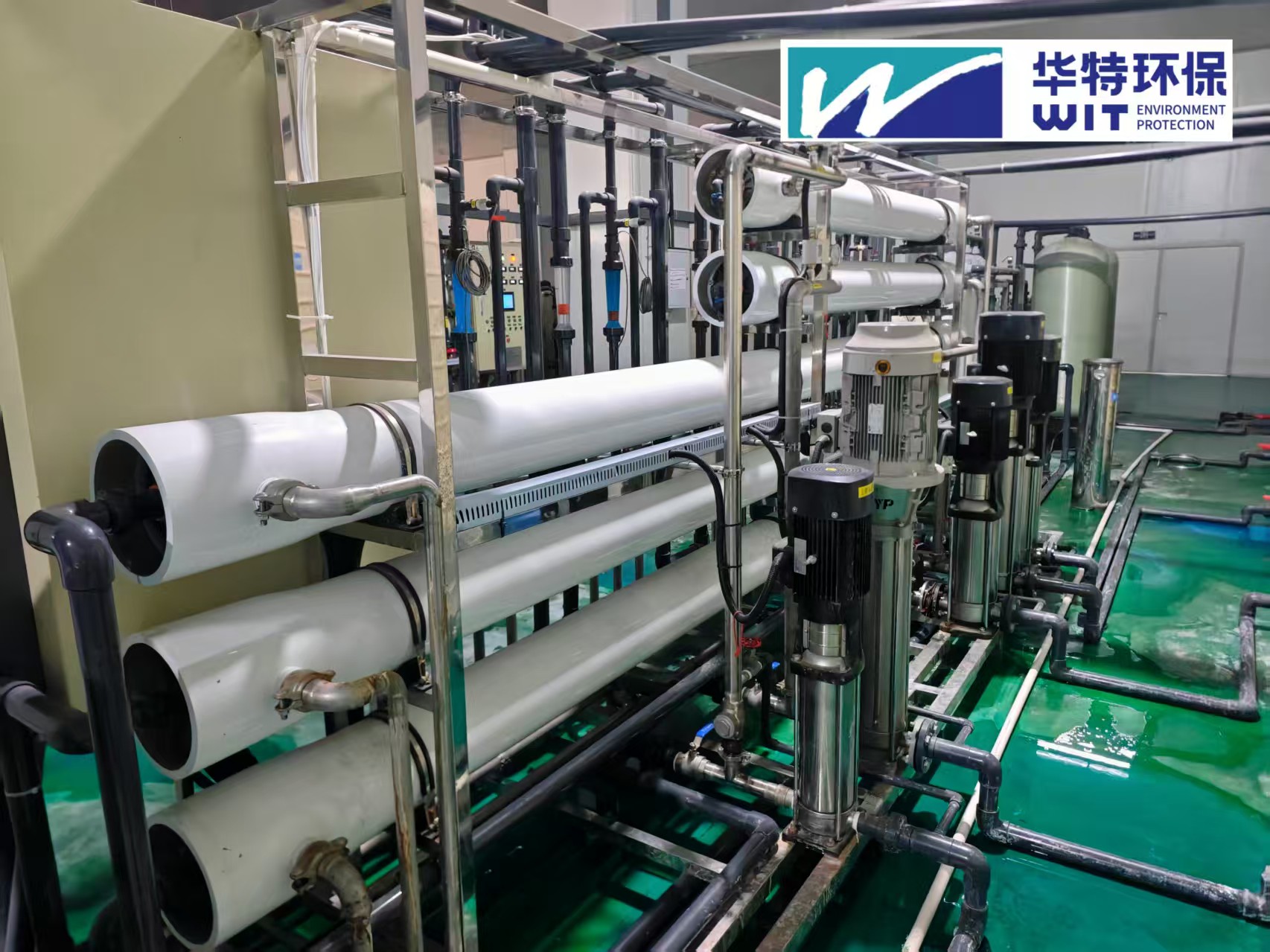
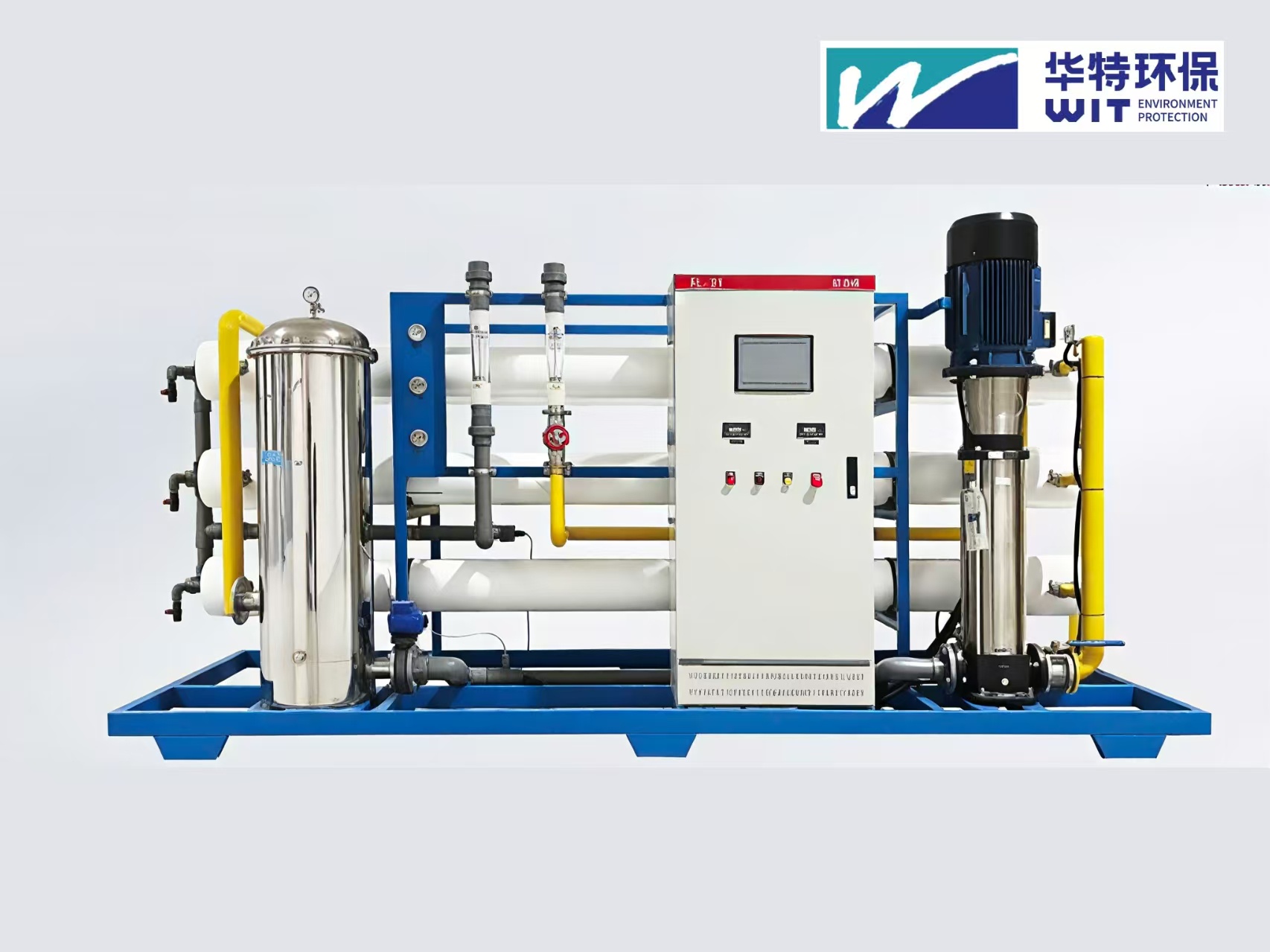
That does not mean every application needs the same water standard. The right choice depends on where the water is used. If it is only for general washing, a moderate treatment level may be enough. If it is used to dilute concentrated chemicals, prepare oxidizing agents, support membrane-related processes, or feed precision dosing equipment, higher purity becomes more important. This is where Ultrapure Water Equipment is useful: it allows the water treatment train to be matched to the sensitivity of the process rather than relying on untreated or partially treated plant water.
How to judge whether water purity is really the missing piece
If you are trying to decide whether feed water quality is the real cause, look at the pattern of the deposits rather than only the deposits themselves. Repeated buildup after cleaning, especially in points with pressure drop or small internal passages, often suggests dissolved mineral contribution. White or light-colored crusts are a familiar clue, but even without laboratory analysis, the operational pattern matters: stable chemistry combined with unstable flow often points back to water.
It also helps to review where untreated water enters the process. In some systems, the main chemical tank may use treated water, but auxiliary lines, injector flushing, or day-tank makeup still use raw water. That split setup can leave operators wondering why scaling continues “despite treatment.” The answer is often that one untreated connection is enough to keep seeding deposits in the most sensitive parts.
Practical steps that usually make the biggest difference
Start with the water use map. Identify every point where water touches the dosing process: dilution water, solution preparation, seal water, flushing lines, calibration vessels, and cleaning rinse water. This step sounds basic, but it often reveals overlooked entries of untreated water.
Then review the quality target by function. Not all uses need the same purity. For high-risk scaling points, feeding them with Industrial Pure Water is usually more effective than trying to compensate later with stronger acid cleaning or shorter maintenance intervals. If the process includes sensitive oxidant generation or precise reagent preparation, Ultrapure Water Equipment may be the better fit because it offers tighter control over the dissolved contaminants that trigger deposits.
Next, make sure pretreatment and final water quality are consistent with the site conditions. If the incoming water has high hardness, suspended matter, or seasonal variation, a treatment system should not be chosen only by nominal capacity. The treatment train has to reflect actual raw water behavior. Otherwise, purity may look acceptable at startup but drift during operation, and scaling returns in cycles that are hard to explain.
It is also worth checking material compatibility and line layout. Even with high-purity water, dead legs, low-flow branches, and rough internal surfaces can still encourage localized deposition. Better water reduces the tendency, but sensible piping design helps protect the gain.
Where this matters in chlorine dioxide-related processes
In systems involving chlorine dioxide preparation or related dosing steps, water quality can influence operating smoothness more than expected. When preparation, transfer, or dosing components include narrow passages and controlled feed rates, scale is not just a housekeeping problem; it can interfere with process stability. In that context, some facilities consider process arrangements such as W2 type (high negative pressure) chlorine dioxide preparation technology together with appropriate water quality management, especially where clean reagent preparation and reduced internal deposition are both important.
The key point is not to treat the generator or dosing skid as separate from the water feeding it. Even a well-designed process can become harder to operate if the supporting water introduces scale-forming substances at critical points.
Mistakes that often keep the issue alive
One common mistake is assuming that clear water is clean enough. Water can look perfectly transparent and still carry dissolved minerals that later precipitate inside dosing equipment. Another is relying on occasional descaling chemicals without changing the water source used for preparation. That approach may restore flow temporarily but usually does not change the cause.
There is also a tendency to focus only on the main pump or injector because that is where symptoms become obvious. In reality, the root cause may sit upstream in dilution water, storage tank makeup, or a small flush line no one paid much attention to during commissioning.
When to move from correction to prevention
If your team is cleaning the same components repeatedly, replacing wetted parts earlier than expected, or recalibrating dosing more often because flow behavior drifts, it is usually time to stop treating scaling as a minor maintenance task. Prevention starts by asking a simple question: is the water entering this process suitable for the precision expected from it?
For many plants, reducing scale is less about adding another cleaning routine and more about choosing the right water quality for the job. Industrial Pure Water helps lower the mineral load that starts the deposit cycle. Ultrapure Water Equipment becomes especially valuable where the dosing process is sensitive, where oxidizing chemicals are being prepared, or where stable long-term operation matters more than short-term workarounds.
Once the water side is brought under control, the rest of the dosing system usually becomes easier to manage. Inspection is simpler, cleaning is less frequent, and dosing behavior is easier to keep consistent. That is often the practical difference operators are looking for: not a dramatic change in one day, but a system that stops fighting back every week.



 How to spot poor fabrication quality from chemical dosing skid manufacturers
 When local chemical dosing skid manufacturers are better than overseas suppliers
 Common membrane fouling causes in industrial pure water equipment
 What to check before buying industrial pure water equipment for a new plant
 How ultrapure water equipment helps reduce scaling in dosing systems
 When does industrial pure water equipment become necessary in pulp bleaching
GET A FREE QUOTE
Service Commitment: Upon receipt of your message, a dedicated representative will contact you as soon as possible to provide efficient and professional service support.
