







When does industrial pure water equipment become necessary in pulp bleaching
In pulp bleaching, the water question often comes up later than it should. A mill may first notice unstable brightness, higher-than-expected chemical use, deposits showing up in lines, or bleaching stages that seem harder to keep consistent from shift to shift. At that point, people usually ask whether the issue is the bleaching chemistry itself, the pulp properties, or the water feeding the process. In many cases, the answer is not that every stream needs extremely high purity, but that certain water quality limits have already been crossed.
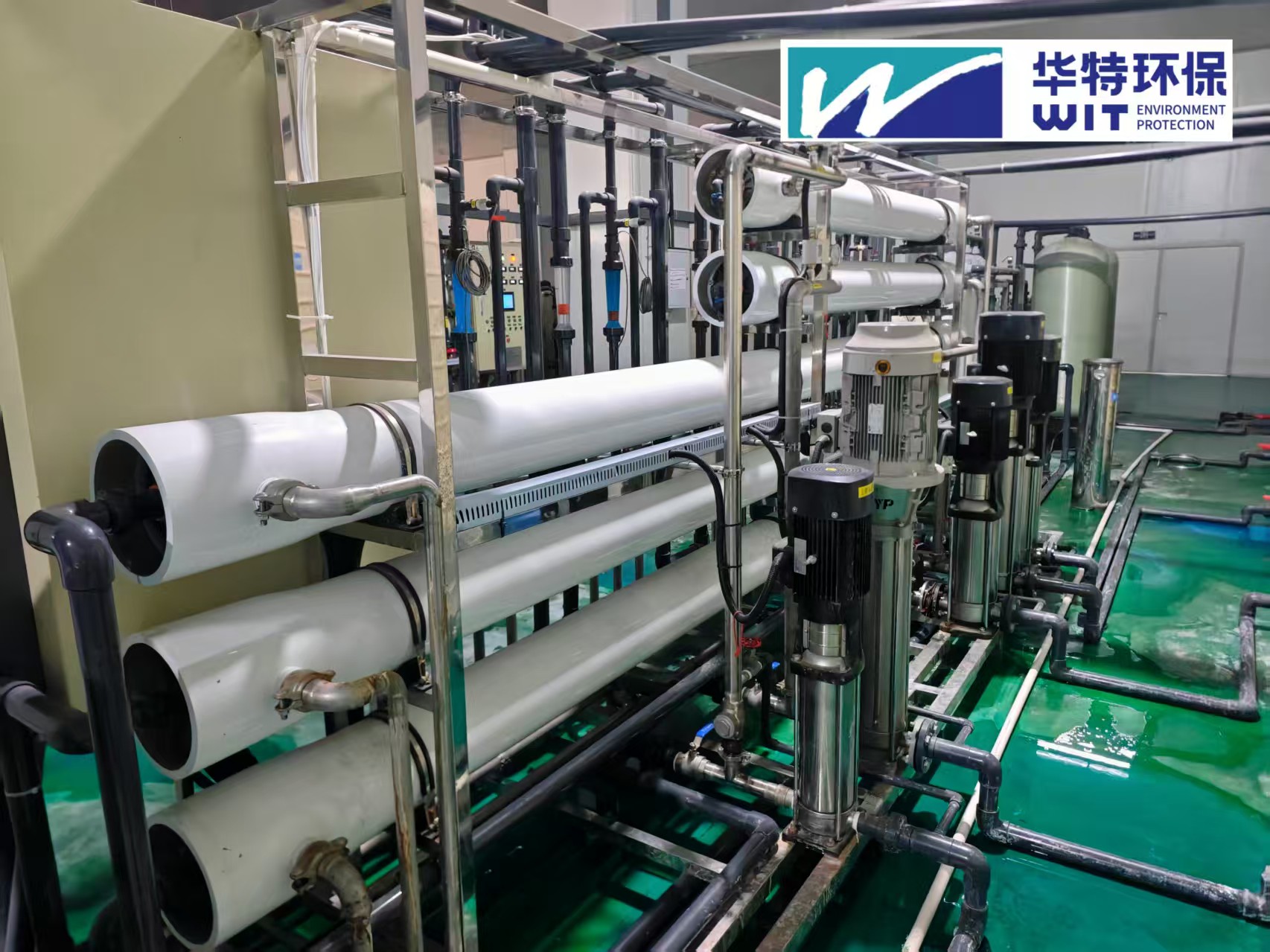
This is where the discussion around Industrial Pure Water / Ultrapure Water Equipment becomes practical rather than theoretical. The real issue is not whether pure water is “better” in a general sense. It is whether the existing water quality is now interfering with bleaching efficiency, equipment reliability, product targets, or discharge management. Once those pressures begin to stack together, upgrading water treatment stops being a nice option and becomes part of process control.
Why the same water source can become a problem later
A common misunderstanding is that if a bleaching line has been operating for years with the same incoming water, that water must be good enough. But bleaching conditions change. Product requirements may become tighter. Chemical dosing may become more sensitive. Reuse rates may rise. Heat exchange surfaces, storage tanks, and pipelines may age. Once the process window narrows, impurities that were once tolerated start causing visible trouble.
In pulp bleaching, dissolved hardness, suspended solids, iron, manganese, silica, organic carryover, conductivity, and microbial load can all matter, but not always in the same way. Sometimes the effect is direct, such as reduced bleaching agent efficiency or side reactions that consume chemicals. Other times the effect is indirect: scale formation, nozzle blockage, fouling, staining, corrosion, or unstable washing performance. That is why the question “Do we need Industrial Pure Water?” cannot be answered by a single rule. It has to be tied to symptoms and operating goals.
Signs that basic treatment may no longer be enough
Many people start looking into higher-grade water treatment after seeing one of a few recurring situations.
The first is when pulp brightness becomes harder to stabilize even though chemical dosage adjustments continue. If incoming water carries ions or contaminants that interfere with bleaching reactions, operators may keep correcting the chemistry without addressing the source of variation.
The second is when scale or deposits begin to affect bleaching equipment, dosing systems, or downstream water-using sections. This does not automatically mean ultrapure water is required, but it does suggest that the current level of treatment is failing to protect the process.
The third is when water recycling increases. Reuse is often necessary for environmental and cost reasons, yet each reuse loop can concentrate troublesome substances. At some point, make-up water quality and polishing treatment become more important than before.
Another trigger is discharge pressure. If a mill is trying to reduce pollutant load or make bleaching chemistry more predictable, cleaner process water can help reduce unnecessary side reactions and simplify control. In that context, Industrial Pure Water / Ultrapure Water Equipment may support both production and environmental management, especially when water quality variability is causing repeated adjustment upstream and downstream.
It does not mean every bleaching application needs ultrapure water
This is where decisions often go wrong. Some teams assume that because water quality matters, they should move directly to the highest purity level available. That is not always sensible. Ultrapure water is a specific standard, and it may be excessive for many bleaching-related uses. The better question is which water points are critical and what quality those points actually need.
For example, one stream may only need reliable removal of hardness, suspended solids, and certain metals. Another may need lower conductivity because it directly affects sensitive chemical preparation or final-stage performance. A third may need stable water quality simply to prevent scaling and fouling in compact equipment. If you do not separate these uses, you may overspend on treatment where it brings little practical value and undersolve the places where purity really matters.
A more useful way to judge necessity
When deciding whether Industrial Pure Water / Ultrapure Water Equipment is necessary, it helps to work backward from the process instead of starting from equipment type.
Begin with the bleaching stages where performance variation is most costly or most difficult to correct. Then ask:
- Is water quality fluctuating enough to affect chemical consistency?
- Are there deposits, corrosion signs, or blockages linked to dissolved or suspended impurities?
- Has higher water reuse changed the impurity load entering bleaching-related systems?
- Are product quality requirements now tighter than when the current water system was designed?
- Is the process spending too much effort compensating for water-related instability?
If the answer to several of these is yes, higher-grade treatment deserves serious review. Not because “pure water” is fashionable, but because the existing water is starting to behave like a hidden raw material problem.
Where higher-purity water usually makes the most sense
In practice, the need often appears first in supporting steps rather than across the entire plant. Chemical preparation water is one example. If bleaching agents are prepared or diluted with water containing interfering substances, the reaction efficiency can be affected before the chemicals even reach the pulp.
Another area is water used in sensitive wash stages or final process points where contamination has a stronger visible effect. The same applies to compact skids, precision dosing systems, membrane-related units, and equipment with small passages that are less forgiving of particulate matter or scale.
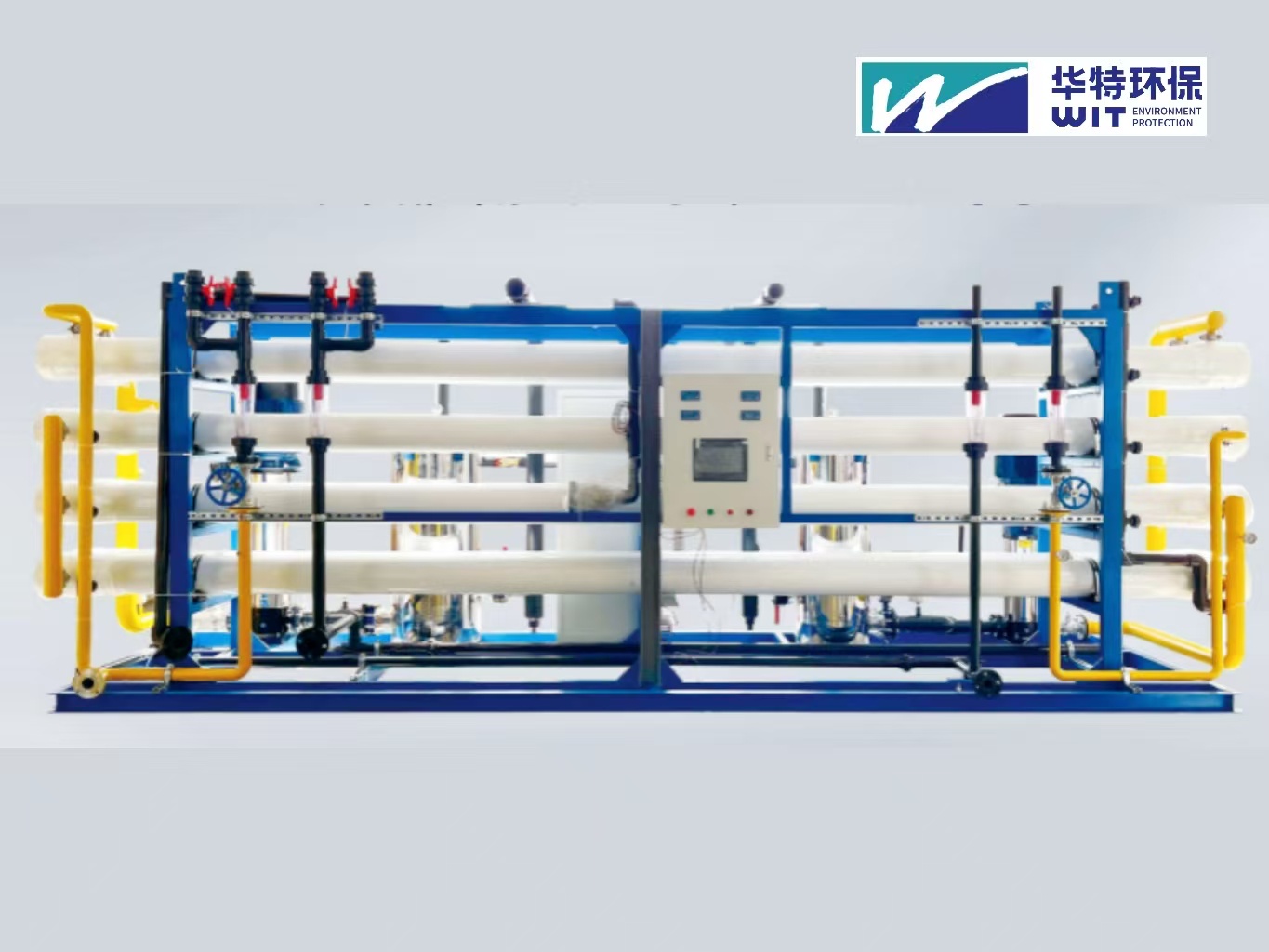
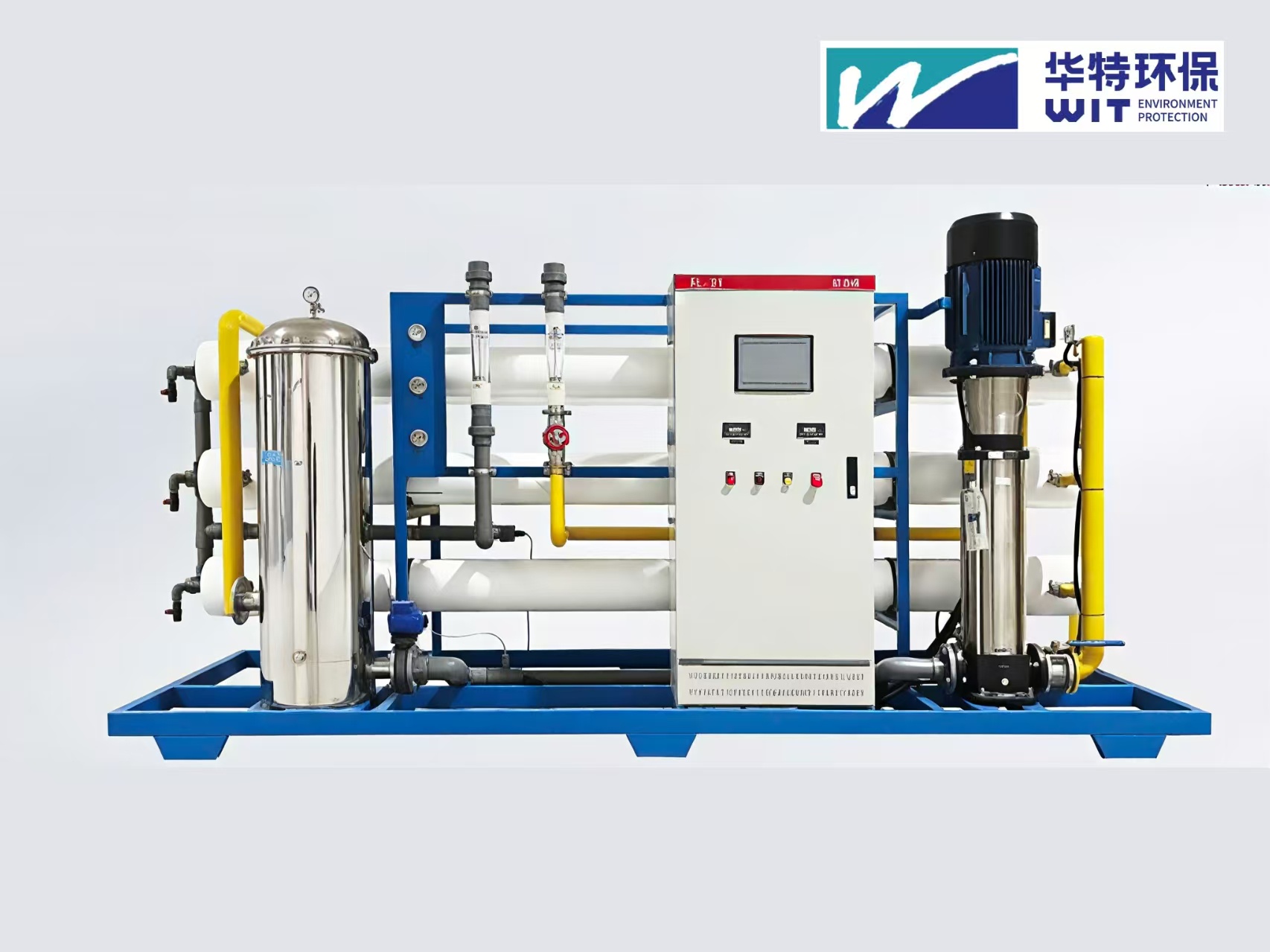
For mills trying to improve local water quality at a specific process node, a modular option may be easier to evaluate than a large centralized upgrade. In some situations, a unit such as Small-Sized Integrated Skid-Mounted Water Purification Treatment Equipment can be considered as part of a staged approach, especially when the goal is to improve water quality for a defined bleaching-related application rather than redesign the whole water system at once.
How to avoid making the decision too early or too late
Making the move too early can lead to unnecessary complexity. Making it too late usually means the mill has already accepted ongoing chemical waste, repeated cleaning, unstable operation, or avoidable maintenance as “normal.” A better approach is to verify the connection between symptoms and water quality before selecting a treatment route.
That usually means comparing operating issues with actual water characteristics at the point of use, not only at the source. Raw water may look acceptable, while storage, reuse, mixing, or pipeline conditions introduce new variables before the water reaches bleaching service.
It also helps to distinguish between one-time contamination events and chronic water quality mismatch. A temporary upset may call for maintenance or source management. A repeated pattern is more likely to justify dedicated treatment.
If the process clearly needs tighter control, the next step is not automatically full ultrapure water. It may be pretreatment strengthening, demineralization, selective removal of hardness or metals, membrane polishing, or a point-of-use purification skid. The right answer depends on which impurity is causing the real trouble.
One practical rule of thumb
Industrial Pure Water / Ultrapure Water Equipment becomes necessary in pulp bleaching when water quality is no longer just a utility issue but a process-limiting factor. If it changes bleaching chemistry, disrupts pulp quality targets, shortens cleaning intervals, increases scaling or fouling risk, or makes compliance-related water management harder, the mill has likely reached the point where a treatment upgrade should be evaluated.
Not every line needs the highest purity level, and not every symptom points to water alone. But once water impurities begin to shape production decisions every day, relying on basic supply treatment is usually no longer enough. In that situation, targeted purification, whether through a central system or a compact unit such as Small-Sized Integrated Skid-Mounted Water Purification Treatment Equipment, becomes part of keeping bleaching stable rather than an extra add-on.



 How to spot poor fabrication quality from chemical dosing skid manufacturers
 When local chemical dosing skid manufacturers are better than overseas suppliers
 Common membrane fouling causes in industrial pure water equipment
 What to check before buying industrial pure water equipment for a new plant
 How ultrapure water equipment helps reduce scaling in dosing systems
 When does industrial pure water equipment become necessary in pulp bleaching
GET A FREE QUOTE
Service Commitment: Upon receipt of your message, a dedicated representative will contact you as soon as possible to provide efficient and professional service support.
