







What makes chemical dosing skid manufacturers suitable for chlorine dioxide projects
In chlorine dioxide projects, the trouble often does not start with chemistry on paper. It starts later, when the dosing package is on site and small mismatches begin to appear: unstable flow, difficult calibration, awkward maintenance access, incompatible materials, or control logic that does not match the rest of the treatment line. Many teams only realize this after procurement, when schedule pressure is already high and any modification becomes expensive.
This is why the question of what makes chemical dosing skid manufacturers suitable for chlorine dioxide projects is more practical than it first sounds. Chlorine dioxide systems are not just “add a pump and tank” arrangements. They involve oxidizing media, process safety concerns, dosage precision, water quality variability, and close coordination between chemical generation, storage, dosing, and downstream treatment. If you are evaluating suppliers for a municipal, industrial, or integrated environmental project, the right judgment standard is not the lowest equipment list price. It is whether the manufacturer understands how the skid will behave in real operating conditions.
Where selection mistakes usually begin
A common misunderstanding is to treat chlorine dioxide dosing skids as generic chemical feed units. That approach may work for simple applications, but chlorine dioxide projects usually demand more attention to reaction characteristics, material compatibility, venting, leak prevention, automation interlocks, and maintenance routines. A supplier may be able to fabricate a skid frame, mount metering pumps, and deliver instruments, yet still be a poor fit if the design has not been shaped around chlorine dioxide use.
Another issue is fragmented responsibility. One party supplies dosing pumps, another handles control cabinets, another advises on process parameters, and someone else integrates them on site. When problems show up, each side tends to say the fault lies elsewhere. For project delivery, this is one of the strongest reasons to prefer manufacturers that can connect process design, equipment manufacturing, and commissioning support instead of only shipping hardware.
The signs that a manufacturer is actually suited to chlorine dioxide work
The first sign is process familiarity, not just fabrication ability. A suitable manufacturer should be comfortable discussing dosing range adjustment, fluctuation in source water quality, start-stop logic, residual control strategy, tank turnover, and emergency shutdown conditions. If conversations stay limited to pump model numbers and pipe sizes, the technical depth may not be enough for a chlorine dioxide application.
The second sign is material selection discipline. Chlorine dioxide is sensitive from a corrosion and safety standpoint, so skid components cannot be chosen casually. Project teams should look for manufacturers that can explain why certain wetted parts, seals, valves, tubing, and storage materials are selected, and how they fit the chemical concentration and operating environment. A good supplier does not simply say “chemical resistant”; they explain resistance in context.
The third sign is dosing accuracy under changing conditions. In real projects, flow and load are rarely constant. A useful skid design should allow stable and adjustable dosing rather than only nominal output at ideal conditions. This affects pump control mode, instrument response, calibration access, and the logic tying the skid to the broader treatment process.
The fourth sign is practical maintainability. On many sites, the problem is not whether a skid can run on day one, but whether operators can safely inspect, flush, calibrate, replace parts, and return it to service without disrupting the line. Manufacturers with real project experience tend to think about valve placement, access clearance, drain routing, sensor replacement, and operator visibility much earlier in the design stage.
Questions worth asking before you decide
When comparing suppliers, the most useful questions are usually operational. Ask how the skid design handles low-flow and peak-flow conditions. Ask what interlocks are used if there is abnormal pressure, loss of feed, or instrument inconsistency. Ask whether the control system can be matched to your plant architecture without awkward rewiring or software workarounds. Ask how commissioning support is approached when the chlorine dioxide package must coordinate with upstream pretreatment or downstream disinfection contact stages.
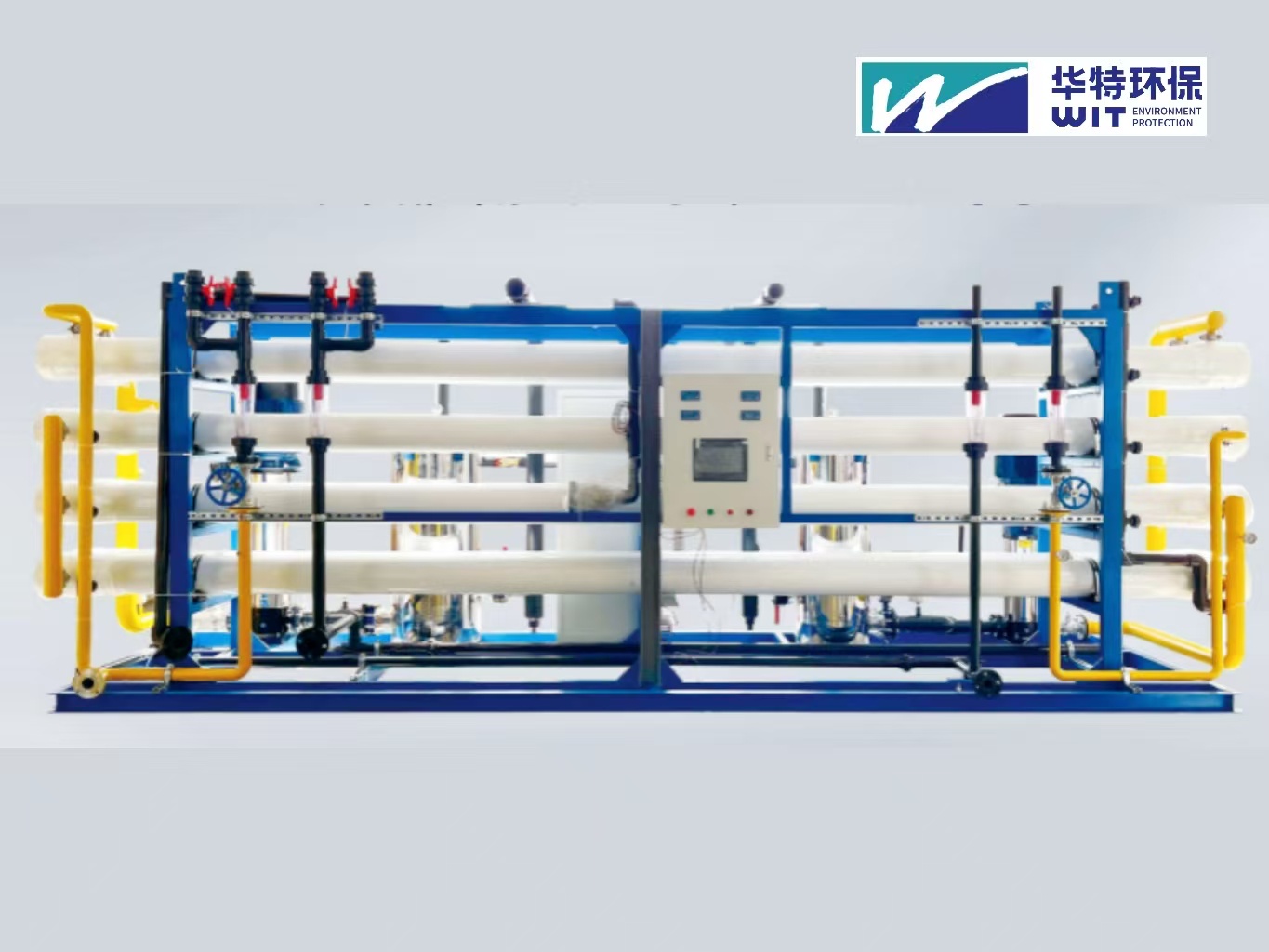
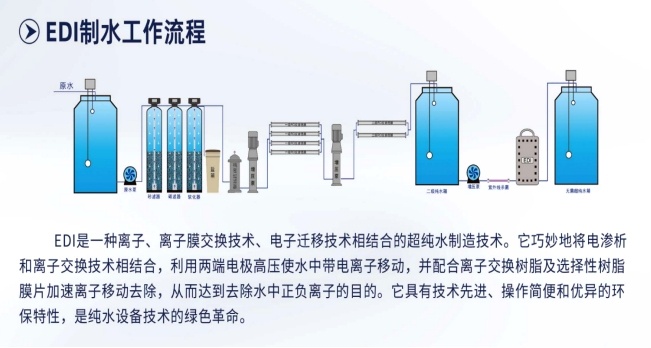
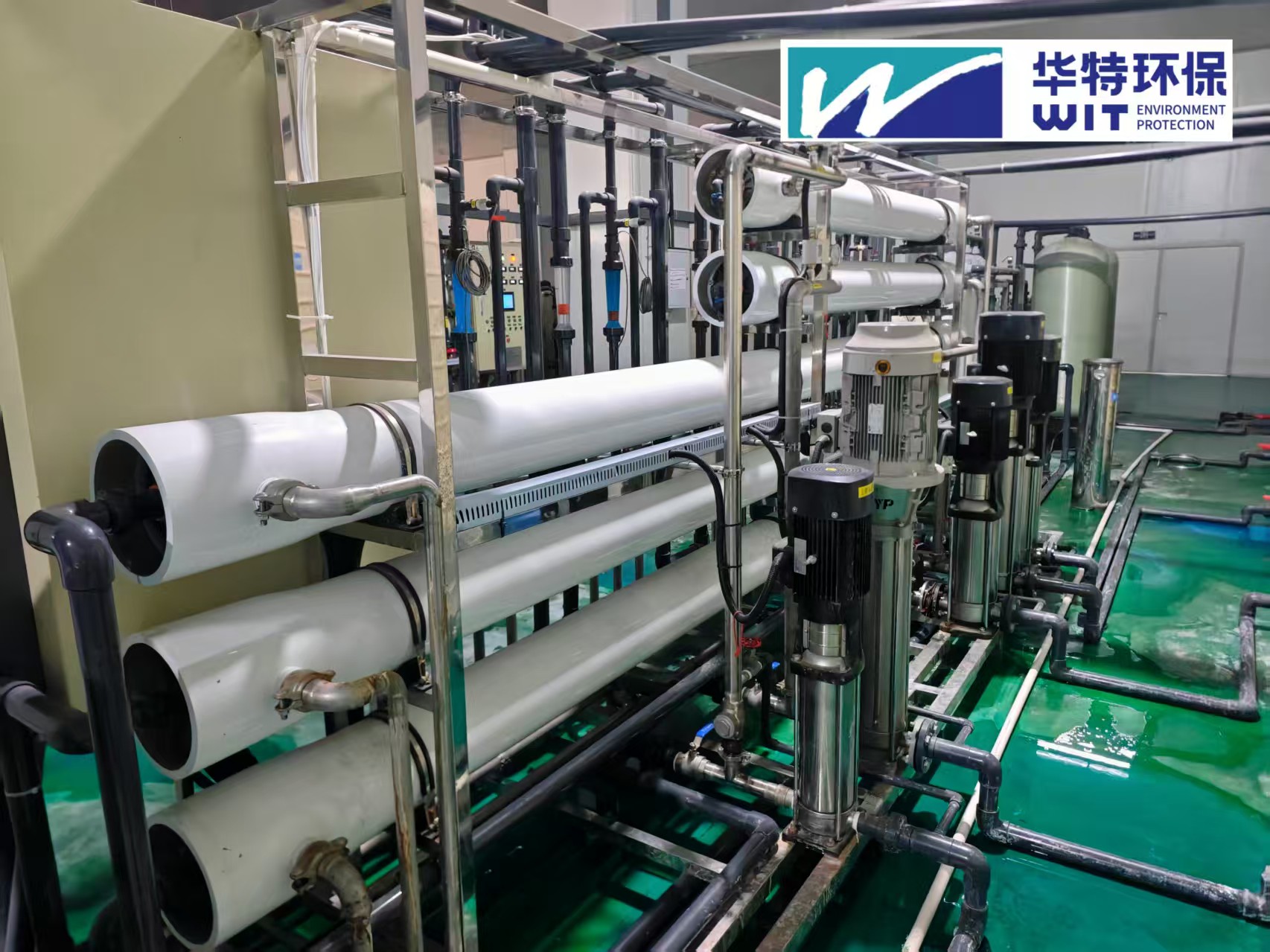
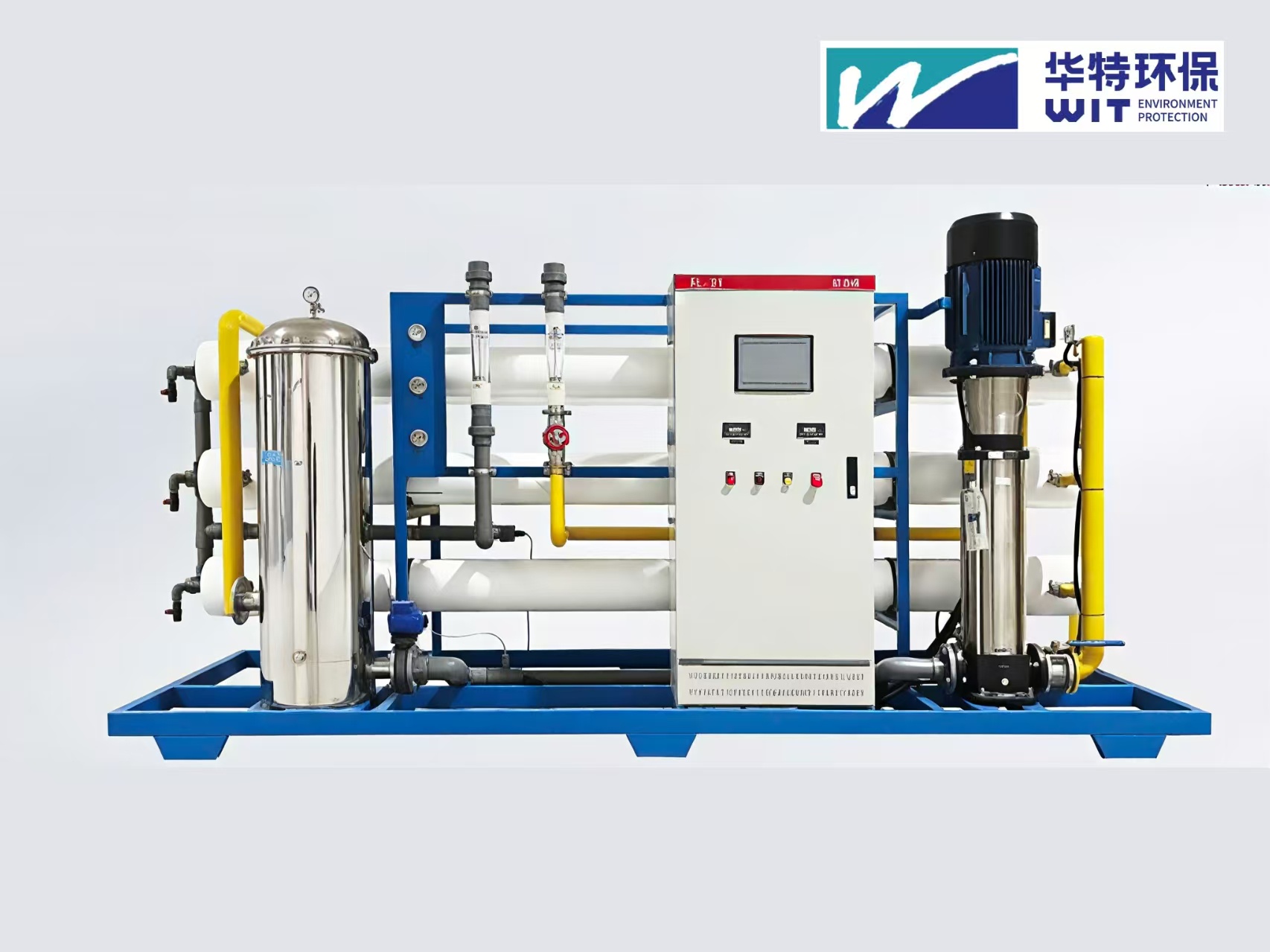
It also helps to ask how the manufacturer approaches projects where water treatment is part of a larger environmental package. In some facilities, the chlorine dioxide skid does not stand alone; it must work alongside filtration, wastewater treatment, or process water conditioning units. In those situations, teams often prefer suppliers that understand system interfaces rather than isolated equipment delivery. For example, where the broader water line includes polishing or utility water preparation, related equipment such as Drinking Pure Water Equipment may appear in the overall treatment arrangement, and coordination between units matters more than separate product catalogs.
Why integrated engineering capability matters more than a polished brochure
For chlorine dioxide applications, suitable manufacturers usually have three abilities at the same time: they understand the chemistry, they can build reliable skids, and they can support engineering delivery. Leaving out any one of these creates avoidable risk. A company with only process theory may not produce operator-friendly equipment. A fabricator without application depth may overlook control or safety details. A product seller without project capability may struggle when site conditions differ from the original assumption.
This is where engineering background becomes a practical selection factor. Manufacturers with experience in wastewater treatment, industrial water systems, and chlorine dioxide production equipment often have a better sense of how dosing skids fit into full treatment processes. That matters when projects involve variable influent quality, utility constraints, phased expansion, or compliance-related operating discipline. The skid does not work in isolation; it has to support the operating reality of the plant.
It is also useful when a supplier has active technical development and can translate research into equipment refinement. In chlorine dioxide work, that can show up as better process stability, more sensible instrumentation layout, improved control integration, or safer handling arrangements. You do not need exaggerated claims from a manufacturer. You need evidence that the design choices come from accumulated field and engineering understanding.
A more reliable way to compare chemical dosing skid manufacturers
If you are narrowing down options, compare them in the same sequence you would troubleshoot a future problem.
Start with application fit. Can the manufacturer explain chlorine dioxide dosing requirements in your type of project rather than in generic terms?
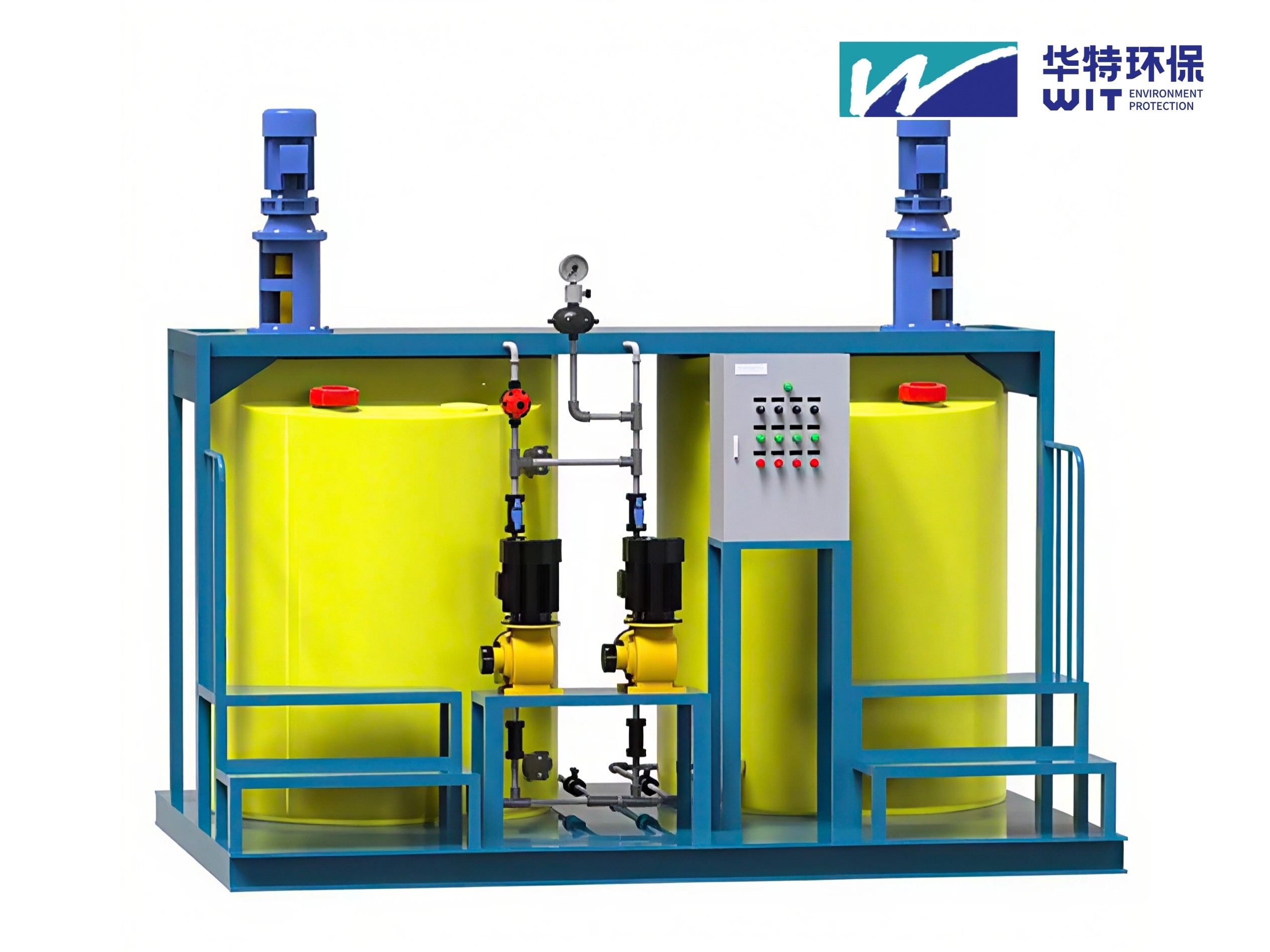
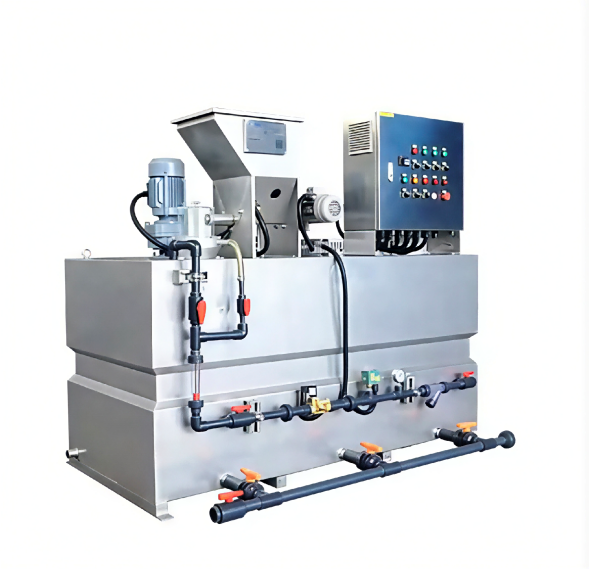
Then move to skid design logic. Are pumps, instruments, tanks, piping, valves, and controls arranged for stable operation and workable maintenance?
After that, check integration depth. Can the supplier coordinate with the plant control system, upstream pretreatment, downstream contact requirements, and site installation conditions?
Finally, look at support after delivery. Not promises of perfect outcomes, but practical help with commissioning, parameter adjustment, operating guidance, and troubleshooting.
This comparison method usually reveals the difference between ordinary equipment vendors and truly suitable chemical dosing skid manufacturers. The latter tend to speak clearly about operating scenarios, not just equipment lists. They can identify where chlorine dioxide projects commonly go wrong and propose design or control measures before those problems appear on site.
When a broader water treatment view becomes important
Some chlorine dioxide projects are evaluated too narrowly, especially when procurement is split into separate packages. But in many treatment plants, dosing performance is influenced by pretreatment consistency, water quality targets, utility water reliability, and operator workload across the whole process. That is why it can be useful to work with suppliers who understand both specialized chlorine dioxide equipment and adjacent treatment units. In some project setups, supporting systems such as Drinking Pure Water Equipment may be part of the wider infrastructure, and selecting equipment with interface awareness can reduce future coordination problems.
In the end, suitability is less about who can manufacture a skid and more about who can make that skid function safely, steadily, and sensibly inside a real chlorine dioxide project. For engineering teams under delivery pressure, that difference is usually where time, cost, and operating reliability are won or lost.



 How to spot poor fabrication quality from chemical dosing skid manufacturers
 When local chemical dosing skid manufacturers are better than overseas suppliers
 Common membrane fouling causes in industrial pure water equipment
 What to check before buying industrial pure water equipment for a new plant
 How ultrapure water equipment helps reduce scaling in dosing systems
 When does industrial pure water equipment become necessary in pulp bleaching
GET A FREE QUOTE
Service Commitment: Upon receipt of your message, a dedicated representative will contact you as soon as possible to provide efficient and professional service support.
