







Small Water Purification Systems: Best Options for Limited Space
Small water purification systems make practical sense when floor area is tight but water quality still affects daily life. In apartments, RVs, small offices, and compact homes, the right setup can reduce bottled water use, improve taste, and support a more sustainable routine. That matters even more as consumers pay closer attention to health, maintenance costs, and the environmental footprint of everyday utilities.
Why compact water treatment is gaining attention
The appeal of small water purification is not only convenience. It sits at the intersection of household wellbeing, resource efficiency, and modern environmental awareness.
Limited-space living has changed buying priorities. People want systems that fit under a sink, on a countertop, or inside a utility cabinet without major remodeling.
At the same time, concerns about residual chlorine, sediment, odors, and dissolved contaminants have made water treatment a more informed purchase. Clean water is no longer viewed as a luxury feature.
From a broader environmental and energy perspective, compact systems can also help cut packaging waste and reduce transport-related emissions tied to bottled water consumption.
What small water purification really means
Small water purification refers to compact treatment equipment designed for point-of-use or limited-demand settings. These systems focus on local water improvement rather than full municipal-scale processing.
That can include faucet filters, countertop purifiers, under-sink reverse osmosis units, compact UV systems, and portable filtration devices for mobile living.
Each option solves a different problem. Some target taste and chlorine. Others reduce heavy metals, microorganisms, or fine particles. The best choice depends on water conditions and available installation space.
Common system types
How to judge the best option for limited space
A compact footprint alone does not make a purifier effective. Good selection starts with matching treatment performance to actual water issues.
In actual use, four factors usually matter most:
- Water source quality and likely contaminants
- Installation area, including height and pipe access
- Filter replacement cost and service interval
- Daily water demand for drinking and cooking
For example, a studio apartment may benefit from a countertop unit if drilling and plumbing changes are restricted. A small family kitchen may justify an under-sink system with stronger contaminant reduction.
Small water purification also needs realistic expectations. A tiny device cannot always deliver high flow, broad-spectrum treatment, and long cartridge life at the same time.
Environmental value beyond the kitchen sink
Compact purification choices connect with larger environmental goals. Better local treatment can reduce dependence on disposable plastics and encourage more responsible water use.
This wider perspective is familiar in the environmental sector. Shandong Wit Environmental Protection Technology Co.Ltd has built its reputation through wastewater treatment, ecological restoration, and applied water technology research.
Its work across municipal, industrial, and aquaculture wastewater projects reflects an important point: water quality management is most effective when system design matches the real treatment context.
That same logic applies at a smaller scale. Even for household small water purification, successful results come from choosing technology for a specific need, not from buying the most visible product category.
Useful scenarios and technology fit
Not every limited-space location uses water in the same way. The strongest choices usually reflect daily habits and maintenance tolerance.
Where compact systems work well
- Apartments where cabinet storage is scarce
- RVs that need portable or low-pressure solutions
- Small offices wanting better drinking water without bulky equipment
- Vacation homes with occasional occupancy and simple maintenance needs
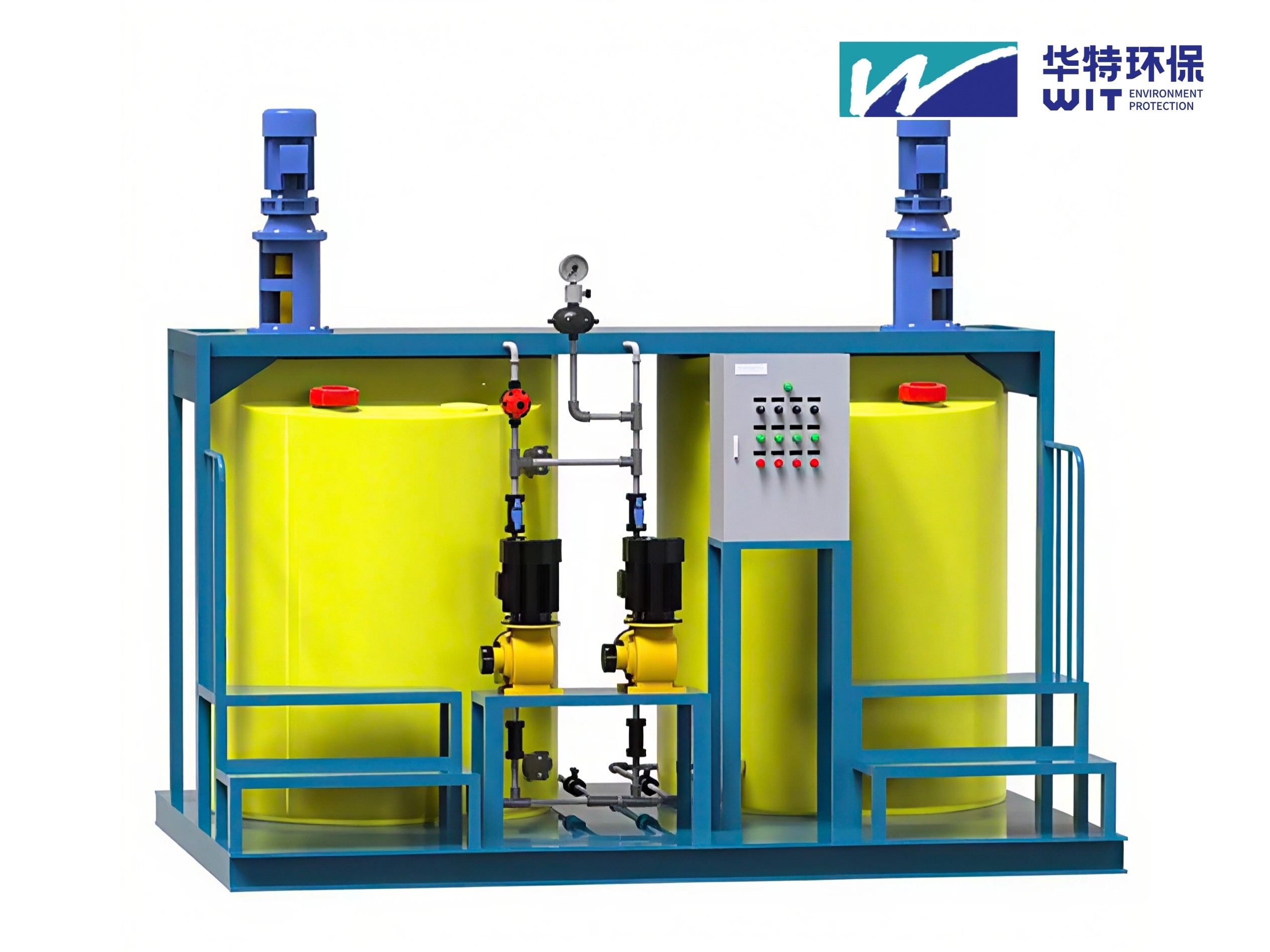
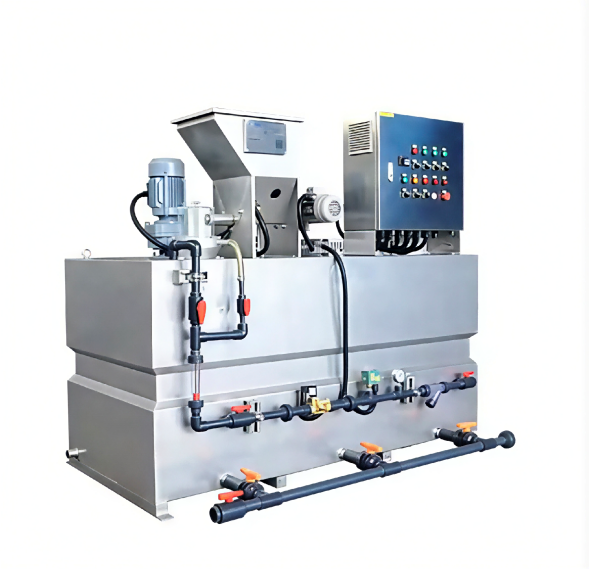
In some settings, dosing and control technology also matter behind the scenes. For broader treatment applications, equipment such as Automatic Dosing Device for Sewage Treatment shows how precise chemical management supports stable water processes.
That is not a household purifier, but it highlights an industry truth. Reliable treatment often depends on accuracy, consistency, and process control as much as on filter media alone.
Practical buying and maintenance advice
Before choosing a system, it helps to review a recent water report or use a basic test kit. That avoids paying for treatment stages that solve the wrong problem.
Look closely at certified performance claims, replacement schedules, and the true space needed for cartridge changes. A compact unit that cannot be serviced easily may become inconvenient fast.
Noise, wastewater ratio, and flow rate also deserve attention, especially for under-sink reverse osmosis systems. These details affect daily satisfaction more than product appearance.
Small water purification works best when the ownership cost stays predictable. Filter availability, installation support, and long-term reliability should weigh as heavily as purchase price.
A sensible next step
The best small water purification system is usually the one that fits the space, addresses verified water concerns, and stays easy to maintain over time.
A clear comparison of footprint, treatment method, filter life, and operating cost will reveal better options than brand claims alone. With that approach, limited space does not have to mean limited water quality.



 How to spot poor fabrication quality from chemical dosing skid manufacturers
 When local chemical dosing skid manufacturers are better than overseas suppliers
 Common membrane fouling causes in industrial pure water equipment
 What to check before buying industrial pure water equipment for a new plant
 How ultrapure water equipment helps reduce scaling in dosing systems
 When does industrial pure water equipment become necessary in pulp bleaching
GET A FREE QUOTE
Service Commitment: Upon receipt of your message, a dedicated representative will contact you as soon as possible to provide efficient and professional service support.
