







Sewage Treatment Plant System vs Packaged Plant: Which Is Better for New Projects?
Sewage treatment plant system or packaged plant: where does the real difference begin?
Choosing a sewage treatment plant system is rarely only about equipment size. It affects permitting, civil work, operating stability, future expansion, and total life-cycle cost.
For new projects, the comparison with a packaged plant matters because both options can meet discharge targets, yet they do so with very different project logic.
In practical terms, a packaged plant is usually a pre-engineered unit. A sewage treatment plant system is more often a customized engineering solution built around flow, influent quality, land, and compliance needs.
That distinction becomes important when the project serves municipalities, industrial parks, aquaculture sites, or mixed wastewater sources with changing loads.
Teams with long project experience in wastewater treatment, ecological restoration, and full-process engineering consulting often evaluate both routes together rather than treating them as direct substitutes.
When is a packaged plant the smarter choice?
A packaged plant usually works best when speed and footprint matter more than deep customization. It is often selected for remote sites, temporary capacity, or standard wastewater characteristics.
If the influent is predictable and the required treatment capacity is moderate, a packaged system can reduce on-site construction complexity and shorten commissioning time.
This option is also easier to compare during early budgeting because the scope is more standardized. Capital estimates tend to be clearer at the start.
Still, the sewage treatment plant system discussion should not stop at delivery speed. A faster installation can become restrictive later if expansion, process upgrades, or stricter discharge limits appear.
Why do many new projects still choose a full sewage treatment plant system?
The answer is flexibility. A full sewage treatment plant system can be designed around hydraulic variation, shock loading, sludge strategy, odor control, and automation level.
That matters more in industrial wastewater, municipal upgrades, and regional environmental programs where influent quality is not stable year-round.
A customized system also gives more room for phased expansion. Instead of replacing core units later, the project can reserve process interfaces and civil capacity from day one.
In China and overseas, companies with experience in government projects, constructed wetlands, industrial water treatment, and research-based process development often favor this route for long-horizon assets.
That is especially true when engineering teams can combine technology R&D, consulting, and EPC delivery into one decision framework.
A quick comparison table helps clarify the trade-off
Is lower upfront cost always the better decision?
Not necessarily. A lower purchase price can hide higher chemical use, more operator intervention, expensive retrofits, or early replacement.
A better comparison looks at total ownership cost across five to fifteen years. That includes energy, sludge disposal, spare parts, downtime risk, and compliance penalties.
For example, a sewage treatment plant system with stronger process matching may cost more initially but operate more steadily under seasonal or industrial load variation.
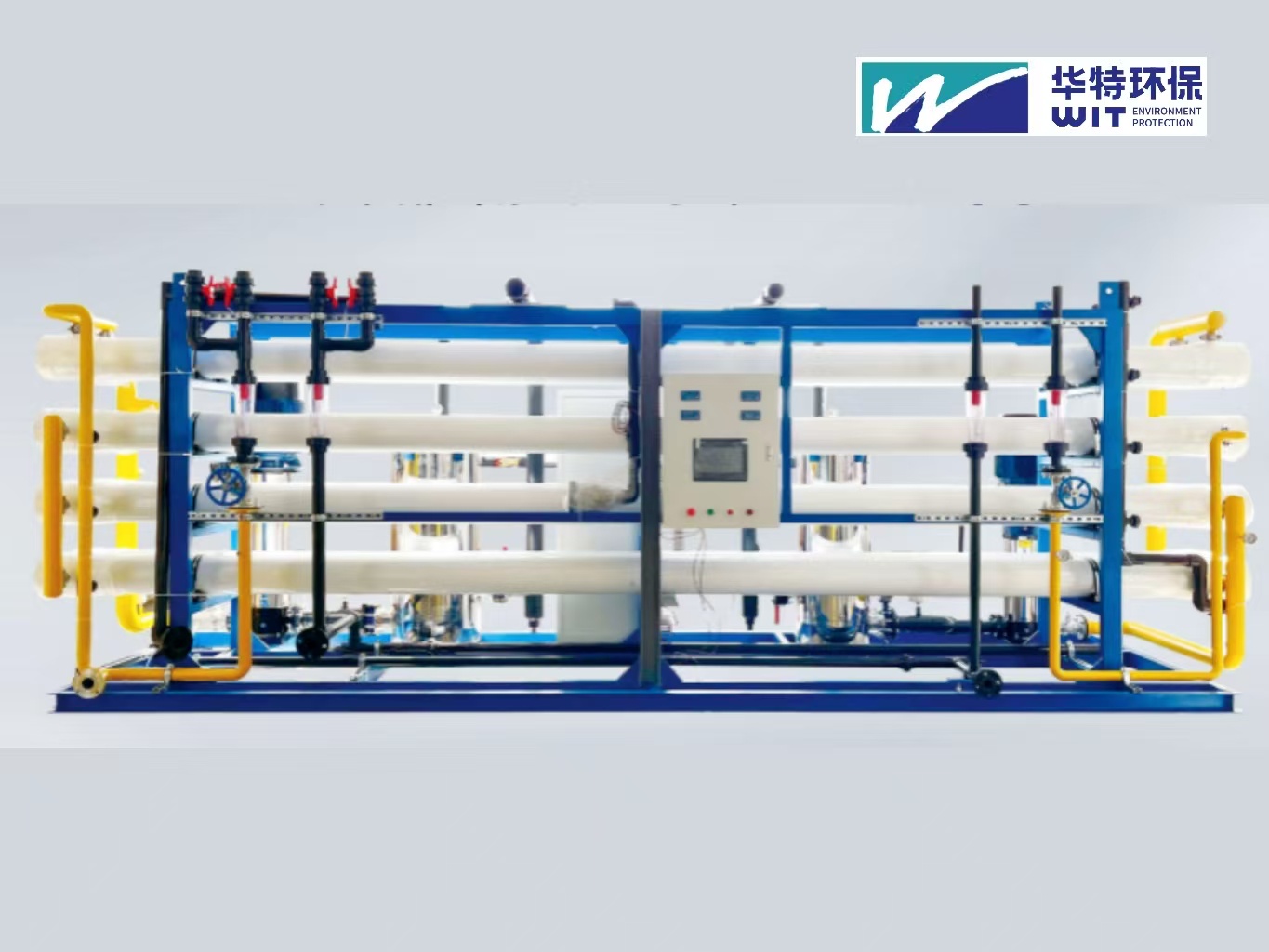
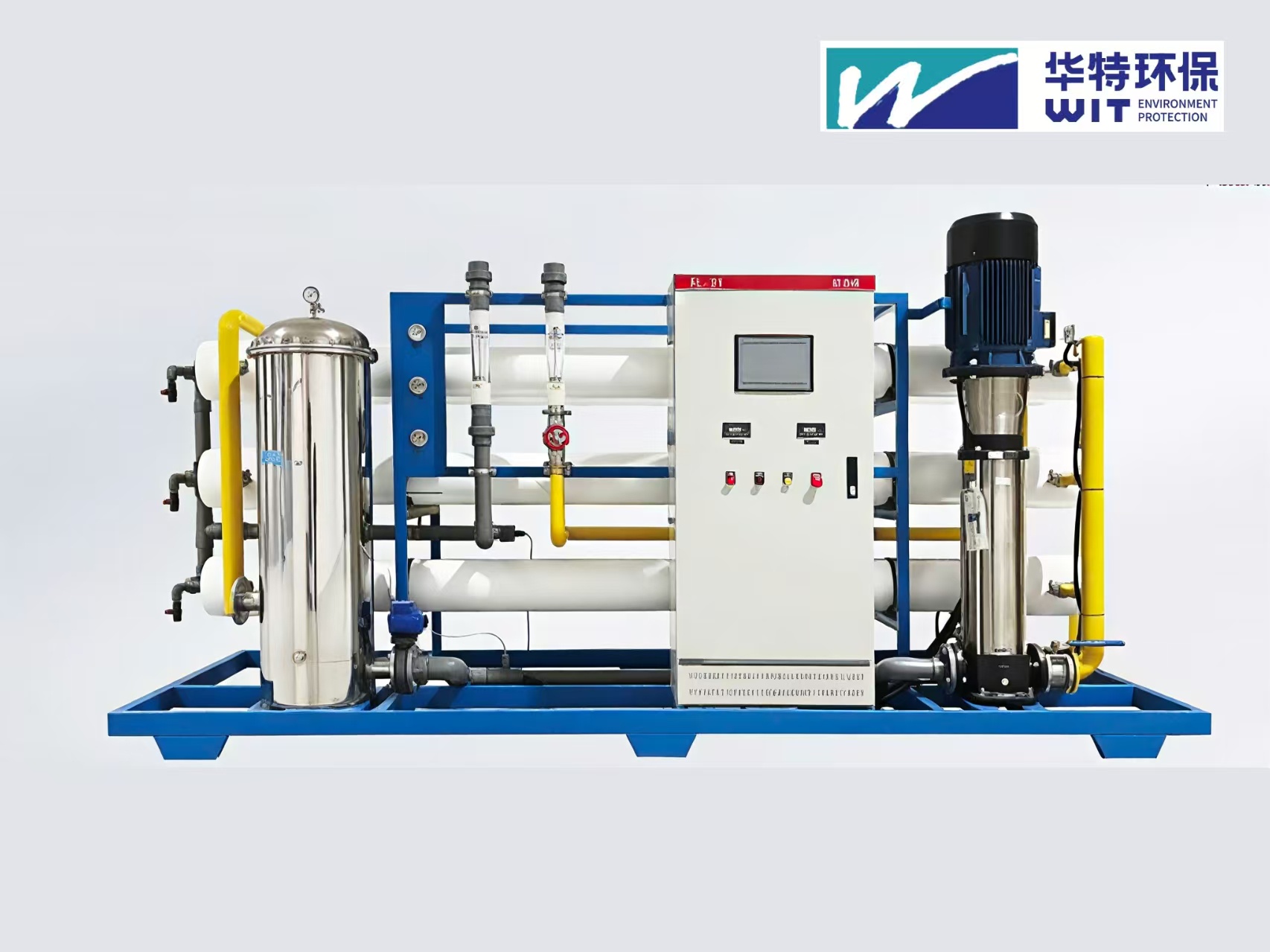
In some projects, complementary modular equipment also improves front-end or side-stream treatment efficiency. One example is Large-Scale Integrated Skid-Mounted Water Purification Treatment Equipment, which can fit projects that need compact, transportable purification support.
The point is not to add equipment by default. It is to assess whether modular integration reduces construction burden or strengthens process reliability.
What risks are often missed during selection?
The most common mistake is comparing process options without confirming influent data quality. If sampling is incomplete, any decision can look cheaper than it really is.
Another risk is underestimating local discharge standards. A plant that passes today may fail after policy tightening or production changes.
- Check whether peak flow and shock loading were included in design assumptions.
- Confirm operator skill requirements and automation expectations.
- Review sludge handling, odor control, and chemical safety early.
- Ask how expansion will be handled if capacity doubles.
Where the project involves municipal, industrial, or ecological coordination, integrated engineering support becomes valuable. That is one reason research-driven environmental firms often play a larger role than simple equipment suppliers.
How should a new project make the final call?
A practical decision starts with four filters: wastewater variability, compliance target, expansion plan, and site construction conditions.
If the project is standardized, time-sensitive, and space-limited, a packaged plant may be the more efficient path.
If the project faces changing influent, long operating life, or multi-stage environmental objectives, a sewage treatment plant system usually offers better control and lower strategic risk.
In actual project reviews, the stronger choice is often the one with fewer hidden constraints, not the one with the shortest quotation sheet.
Organizations with experience in wastewater treatment, chlorine dioxide applications, ecological restoration, and more than 100 public-sector projects typically approach selection through data validation, process matching, and long-term asset value.
If the comparison is still close, build a simple evaluation matrix. Score both options by compliance confidence, expandability, operating cost, delivery schedule, and maintenance dependence.
That method usually reveals whether the sewage treatment plant system or the packaged plant is truly better for the project rather than only easier to approve.



 How to spot poor fabrication quality from chemical dosing skid manufacturers
 When local chemical dosing skid manufacturers are better than overseas suppliers
 Common membrane fouling causes in industrial pure water equipment
 What to check before buying industrial pure water equipment for a new plant
 How ultrapure water equipment helps reduce scaling in dosing systems
 When does industrial pure water equipment become necessary in pulp bleaching
GET A FREE QUOTE
Service Commitment: Upon receipt of your message, a dedicated representative will contact you as soon as possible to provide efficient and professional service support.
