







RO Reverse Osmosis Water Purification vs UF: Which Removes More Dissolved Solids?
Choosing between RO and UF is rarely a simple equipment decision. In industrial and municipal projects, the question is usually about dissolved solids, downstream process stability, discharge compliance, and lifecycle cost. That is why ro reverse osmosis water purification remains a central topic in advanced water treatment, especially where feed water quality changes and reuse targets are becoming stricter.
What separates RO from UF in actual treatment performance
The core difference lies in what each membrane is designed to stop.
Ultrafiltration removes suspended solids, colloids, bacteria, and many macromolecules. It is excellent for turbidity control and pretreatment, but it does not significantly reduce dissolved salts.
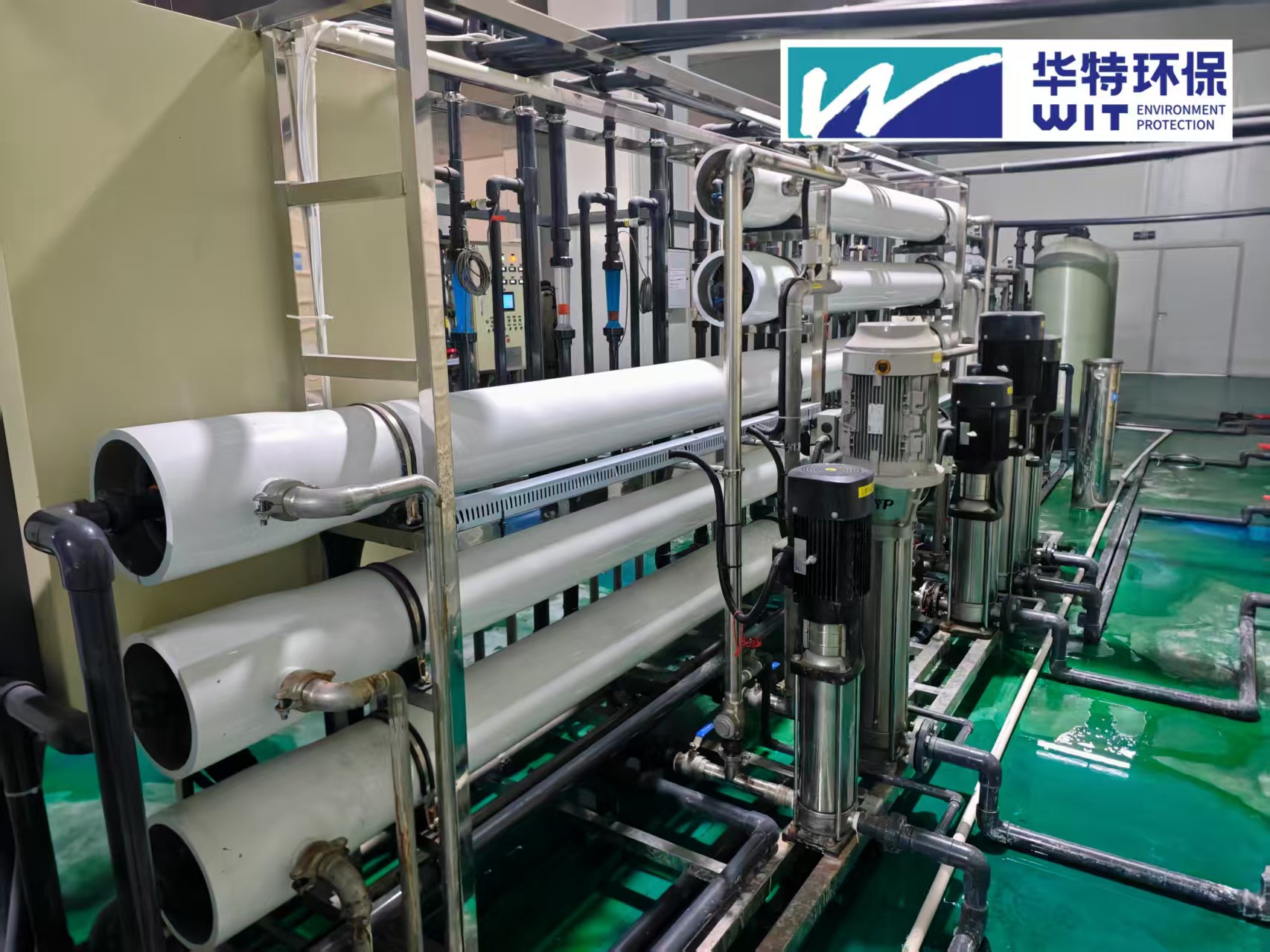
RO reverse osmosis water purification works at a much finer separation level. It rejects most dissolved ions, dissolved organic matter, and many trace contaminants that UF allows to pass.
So if the comparison is strictly about dissolved solids, RO removes far more than UF. In most applications, UF alone should not be expected to lower TDS in any meaningful way.
A practical comparison
Why dissolved solids matter more than before
In wastewater reuse and industrial circulation systems, TDS affects more than taste or conductivity.
High dissolved solids can drive scaling, interfere with boilers and cooling systems, reduce membrane life, and complicate compliance with reuse or discharge targets.
This is especially relevant in sectors handling municipal wastewater, industrial wastewater, and aquaculture wastewater, where source water often carries unstable dissolved loads.
For organizations working across wastewater treatment, ecological restoration, and resource reuse, membrane selection affects both environmental performance and operating resilience.
That broader systems view is increasingly important in projects shaped by long-term public infrastructure goals and stricter regional water management requirements.
Where UF still makes strong technical sense
Saying RO removes more dissolved solids does not make UF less valuable. It means the technologies solve different problems.
UF is often the right choice when the main concern is suspended matter, microbial barriers, or stable pretreatment for a downstream RO unit.
- Surface water clarification before desalination or reuse
- Municipal tertiary treatment where low turbidity is required
- Industrial pretreatment to reduce RO fouling risk
- Projects needing lower pressure and simpler salt management
In these cases, UF can improve reliability and reduce total treatment complexity. It simply should not be selected as the main answer to dissolved solids.
When ro reverse osmosis water purification becomes the better fit
RO becomes necessary when the finished water specification includes low conductivity, reduced salinity, or tighter limits on dissolved contaminants.
Typical examples include boiler make-up water, process water polishing, wastewater reclamation, and high-standard municipal reuse.
In those conditions, ro reverse osmosis water purification offers a measurable advantage because the process directly targets the ionic load that drives TDS.
The tradeoff is familiar: higher energy demand, stronger pretreatment requirements, concentrate handling, and closer attention to scaling indices and recovery rates.
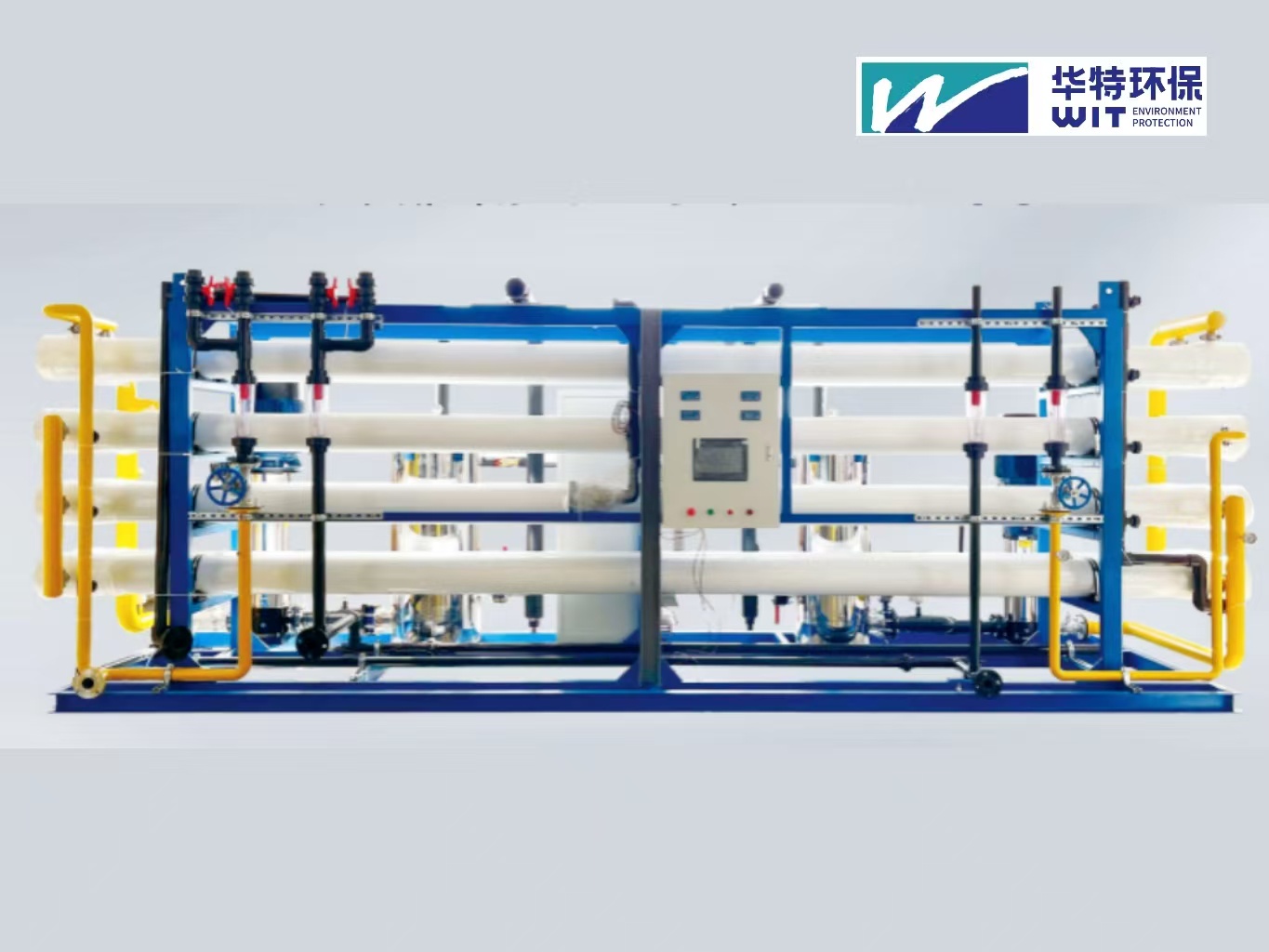
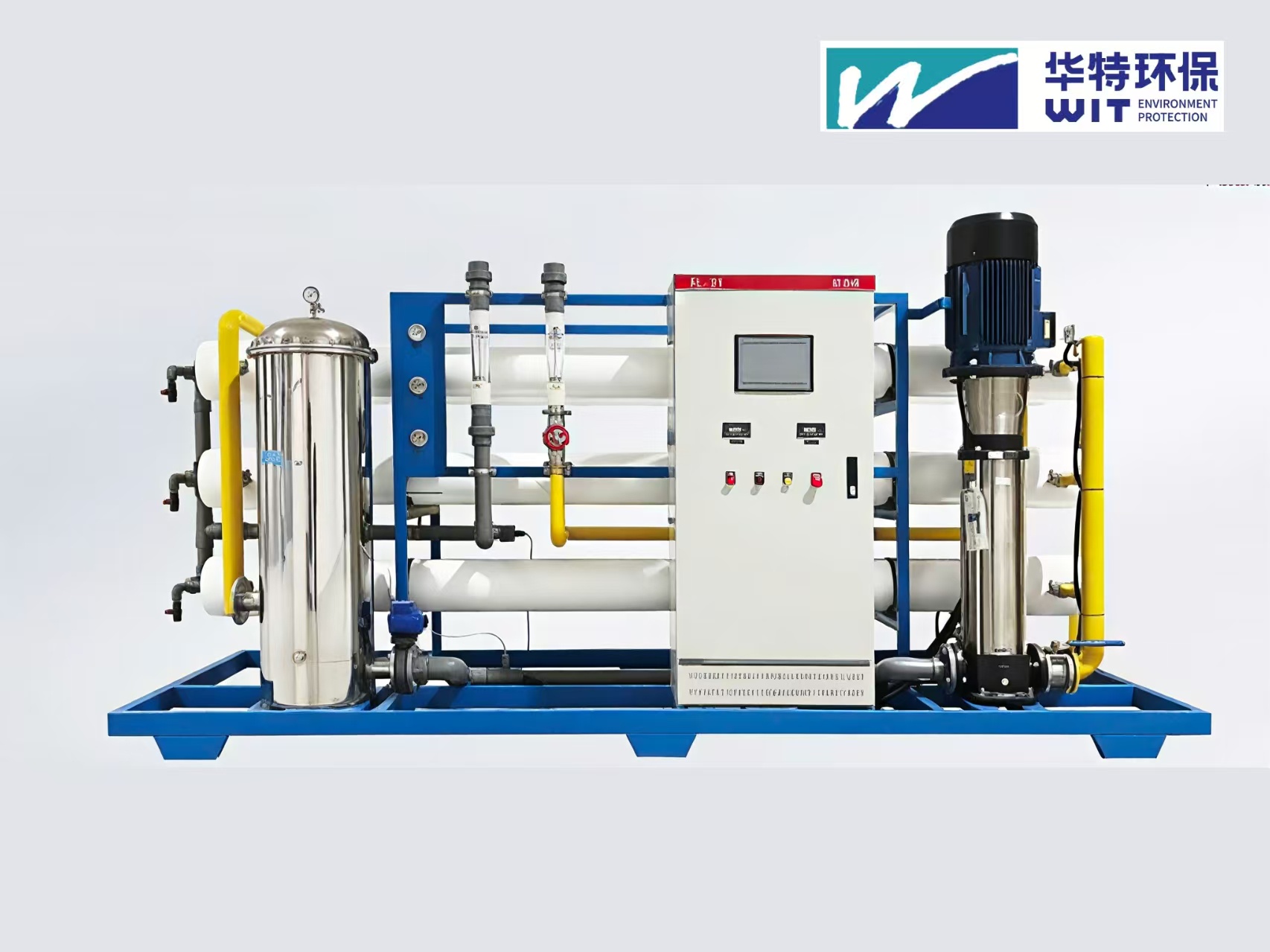
A compact packaged option such as Small-Sized Integrated Skid-Mounted Water Purification Treatment Equipment can be useful where footprint, delivery speed, and modular deployment matter, particularly in decentralized or pilot-scale treatment planning.
What should be checked before choosing either process
A good decision starts with feed-water characterization, not membrane preference.
- Measure TDS, hardness, silica, SDI, TOC, and microbial load
- Define the final water target, not just the current raw water problem
- Check whether reuse, discharge, or process integration sets the real limit
- Estimate cleaning frequency, membrane replacement cycle, and concentrate disposal
- Compare CAPEX and OPEX together, not separately
In many engineered systems, the answer is not UF or RO, but UF plus RO. UF protects the RO membrane, while RO delivers the dissolved solids reduction.
This integrated approach aligns well with solution-oriented environmental companies that combine research, engineering, and full-process consulting rather than treating equipment as an isolated purchase.
A clearer way to move forward
If dissolved solids are the main concern, the technical answer is clear: ro reverse osmosis water purification removes substantially more than UF.
The more useful business question is whether that removal level is necessary for the project target, and whether the system can support it sustainably.
The next step is to map raw water data, finished water requirements, and whole-life operating conditions in one decision framework. That usually reveals whether UF is sufficient, whether RO is essential, or whether a combined train will perform better over time.


 How to spot poor fabrication quality from chemical dosing skid manufacturers
 When local chemical dosing skid manufacturers are better than overseas suppliers
 Common membrane fouling causes in industrial pure water equipment
 What to check before buying industrial pure water equipment for a new plant
 How ultrapure water equipment helps reduce scaling in dosing systems
 When does industrial pure water equipment become necessary in pulp bleaching
GET A FREE QUOTE
Service Commitment: Upon receipt of your message, a dedicated representative will contact you as soon as possible to provide efficient and professional service support.
