







RO Reverse Osmosis Water Purification in Food Processing: Key Water Quality Requirements
In food processing, water is not just a utility. It is a direct process input that affects taste, hygiene, equipment stability, and audit readiness. That is why ro reverse osmosis water purification has become a practical control point for plants handling beverages, dairy products, sauces, frozen foods, and ingredient preparation. When water quality shifts, the impact can move quickly from scaling and membrane fouling to microbial risk and inconsistent product performance.
Why purified water matters beyond basic compliance
Food facilities rarely use water for one purpose only. The same site may need process water, cleaning water, boiler feed water, and water for ingredient dilution. Each use has different tolerances, but all depend on reliable baseline quality.
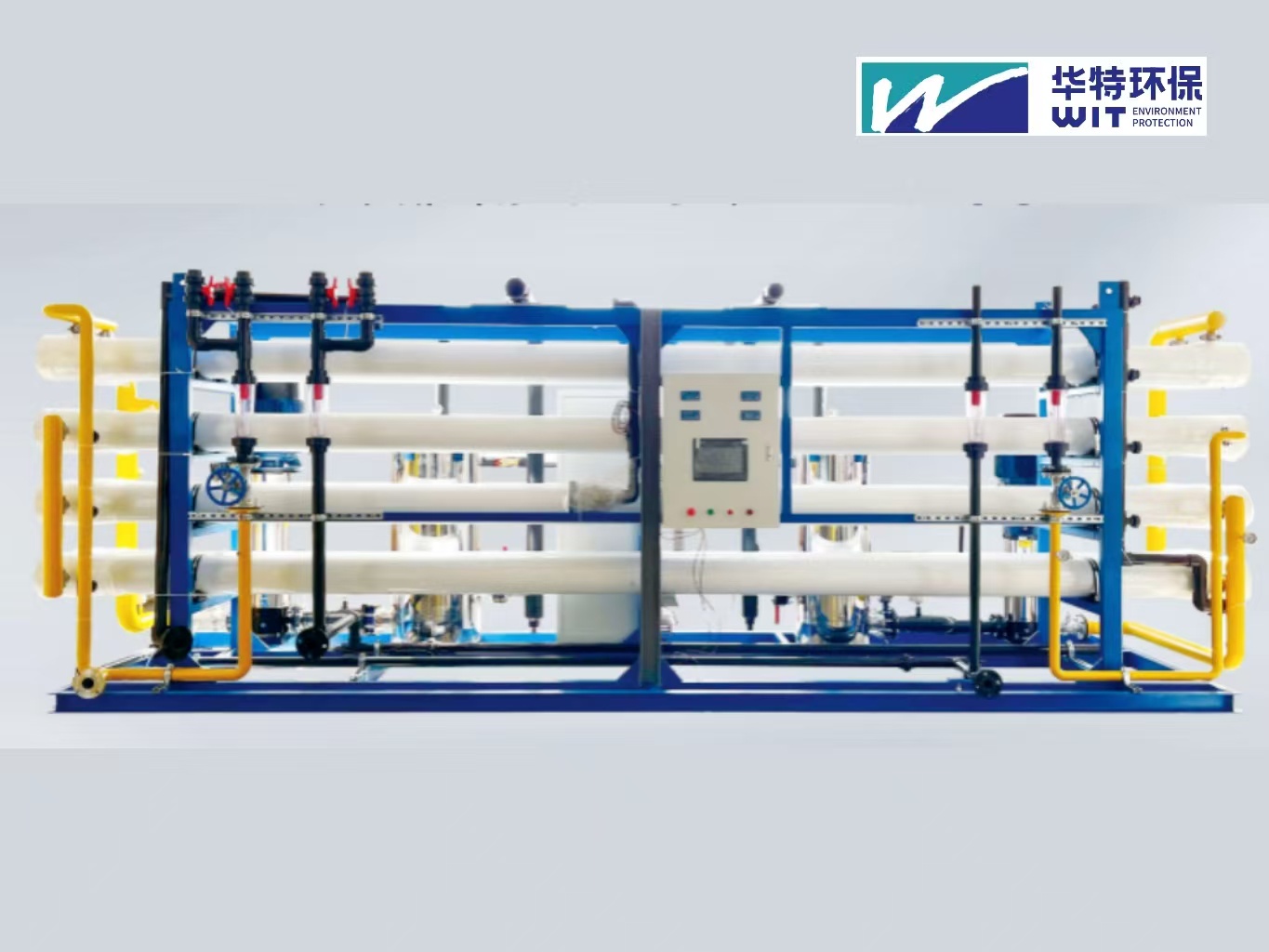
ro reverse osmosis water purification helps reduce dissolved salts, hardness, organics, and many unwanted contaminants before they create downstream problems. For operations focused on stability, this is often more valuable than treating symptoms later.
It also connects directly with environmental performance. Better water control can reduce chemical overuse, lower reject losses through optimized design, and improve compatibility with wastewater treatment targets.
What food processors usually mean by key water quality requirements
The target is not simply “very pure water.” The target is water that matches process risk, product sensitivity, and regulatory expectations. In practice, several indicators deserve close attention.
These parameters should be judged together. A low conductivity reading does not automatically mean the water is microbiologically secure or suitable for every food contact application.
Where RO performance is won or lost
The biggest failures in ro reverse osmosis water purification often start before the membrane. Feed variability, poor pretreatment, and weak monitoring can shorten membrane life and reduce permeate quality.
Pretreatment decides membrane stability
Suspended solids, iron, manganese, colloids, and excess organics should be managed early. In complex raw water conditions, upstream clarification can improve both RO reliability and total operating cost.
For example, integrated solutions such as Rare Earth Disk Separation and Purification Skid-Mounted Equipment / Magnetic Coagulation Skid-Mounted Equipment may fit pretreatment stages where fast solid-liquid separation is needed before fine purification.
Sanitary design matters as much as rejection rate
Dead legs, poor drainage, and irregular cleaning schedules can undermine a well-selected RO train. Food processing lines need attention to CIP compatibility, hygienic storage, and post-RO distribution loops.
This is especially relevant in plants switching between batches. Water that tests clean at the skid outlet can still pick up risk in storage tanks or transfer piping.
How water quality links to process control and product consistency
Different food categories respond differently to water variation. Beverage blending is highly sensitive to taste and mineral balance. Dairy and starch processing often feel the effect through heat transfer and deposit formation.
In cleaning applications, unstable water quality can increase detergent demand and weaken rinse performance. That raises both cost and verification pressure during sanitation reviews.
- Ingredient water needs tighter control where flavor, color, or texture can shift.
- Utility water may allow broader limits, but still affects equipment health.
- Final rinse water deserves special review in high-hygiene production zones.
This is why ro reverse osmosis water purification should be evaluated as part of the full process, not as an isolated machine purchase.
A practical framework for evaluating system suitability
A useful review starts with the source water profile, then moves to production use points, cleaning demands, and discharge implications. That broader view helps avoid underdesign and unnecessary overspecification.
- Map seasonal raw water changes, not just one laboratory snapshot.
- Set alert limits for conductivity, pressure drop, and microbial indicators.
- Check whether pretreatment protects membranes from chlorine and solids.
- Review reject water handling against sustainability and wastewater goals.
- Confirm sanitation procedures for tanks, loops, and standby periods.
Shandong Wit Environmental Protection Technology Co.Ltd brings relevant experience here because its work spans industrial water treatment, wastewater treatment, chlorine dioxide systems, ecological governance, and engineering implementation. That kind of cross-disciplinary background supports decisions that balance process safety with environmental responsibility.
What to watch next
The next step is not simply choosing a larger RO unit. It is building a clear water quality baseline, defining use-specific targets, and checking how pretreatment, membranes, disinfection, and wastewater recovery work together.
Where feed water is unstable or solids loading is high, upstream options such as Rare Earth Disk Separation and Purification Skid-Mounted Equipment / Magnetic Coagulation Skid-Mounted Equipment may deserve comparison within the wider treatment train.
For food plants, the strongest results usually come from treating ro reverse osmosis water purification as part of an integrated quality and environmental strategy. That approach makes water safer to use, easier to verify, and more predictable across changing production demands.


 How to spot poor fabrication quality from chemical dosing skid manufacturers
 When local chemical dosing skid manufacturers are better than overseas suppliers
 Common membrane fouling causes in industrial pure water equipment
 What to check before buying industrial pure water equipment for a new plant
 How ultrapure water equipment helps reduce scaling in dosing systems
 When does industrial pure water equipment become necessary in pulp bleaching
GET A FREE QUOTE
Service Commitment: Upon receipt of your message, a dedicated representative will contact you as soon as possible to provide efficient and professional service support.
