







How to evaluate chemical dosing skid manufacturers for corrosion resistance
Corrosion resistance should be verified at the skid level, not accepted from a single material label on a datasheet. Many chemical dosing skid manufacturers can state that they use stainless steel, FRP, PVC, PP, or coated carbon steel, but the actual service life depends on where each material is placed, how joints are fabricated, and whether the design matches the chemical concentration, temperature, venting load, and washdown conditions of the installation. In water and wastewater duty, the most common failures are rarely dramatic at startup. They appear later as crevice attack around fasteners, coating breakdown on frames, stress cracking in plastic fittings, corrosion under insulation or splash shielding, and premature deterioration near pump bases or dosing points.
A useful first filter is the manufacturer’s chemical compatibility method. Ask for the logic used to select wetted and non-wetted materials for tanks, pumps, valves, piping, supports, bunds, fasteners, instrument fittings, and cable glands. A serious evaluation should separate continuous exposure, intermittent splash, vapor exposure, and maintenance contact. Sodium hypochlorite, ferric salts, caustic, sulfuric acid, hydrochloric acid, and chlorine dioxide service can each create different corrosion patterns. A skid that performs adequately with dilute alkali may be unsuitable for oxidizing chemicals even when the base piping material looks similar on paper.
Material selection needs location-specific review
Do not treat the skid as one material family. Corrosion problems often start at transitions. A manufacturer may specify UPVC pipework but use metal supports, plated anchors, or standard fasteners in the same splash zone. In oxidizing or chloride-rich environments, 304 stainless hardware can become the weak point even when the main process line is nonmetallic. If stainless steel is proposed for any wetted part, the grade, surface finish, welding practice, and local chloride exposure matter. In some water treatment areas, 316 may still require caution, especially where stagnant deposits or concentrated vapors can form.
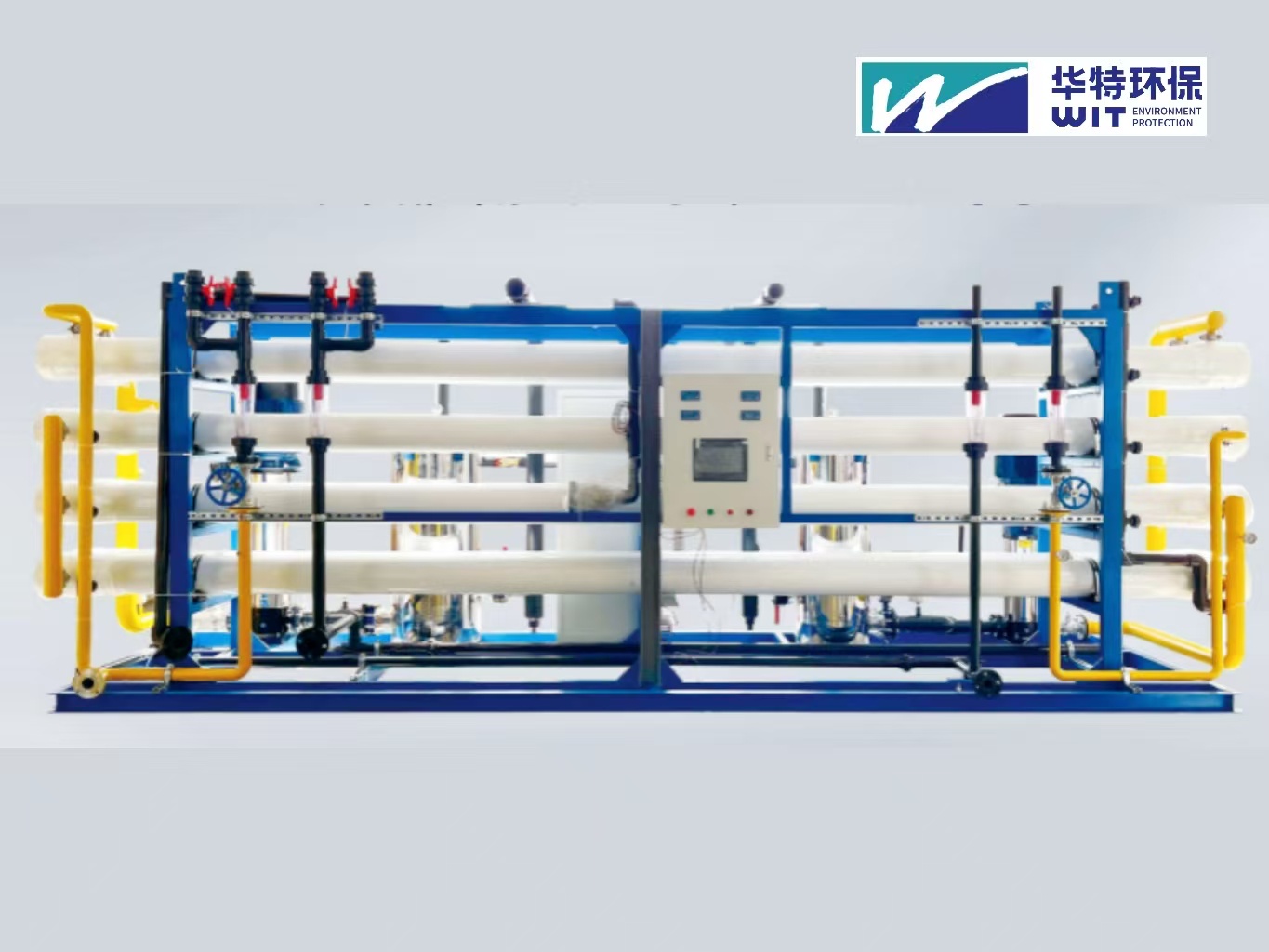
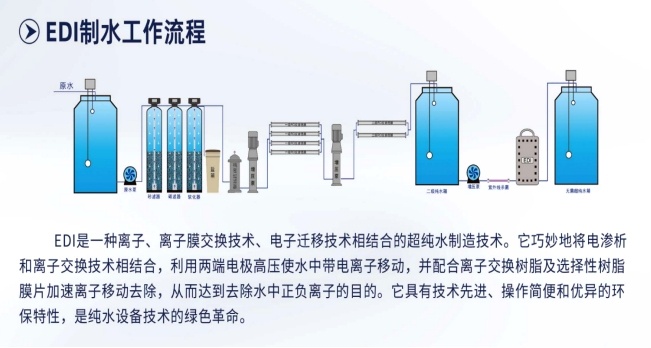
For nonmetallic systems, ask how the manufacturer addresses stress, UV exposure, temperature cycling, and joint quality. PVC, CPVC, PP, PVDF, PE, FRP, and rubber-lined components do not fail in the same way. Solvent-cemented joints, thermoplastic welds, flanged connections, and adhesive-bonded FRP details each have different inspection points. It is reasonable to ask for the preferred joining process, operator qualification basis, and hydrotest or leak-test arrangement after fabrication. Where chemical storage or dosing is connected to high-purity feed systems, interface sections may also need closer review, particularly if the project includes Industrial Pure Water / Ultrapure Water Equipment and contamination control is part of the wider package.
Frame, base, and enclosure details usually decide long-term durability
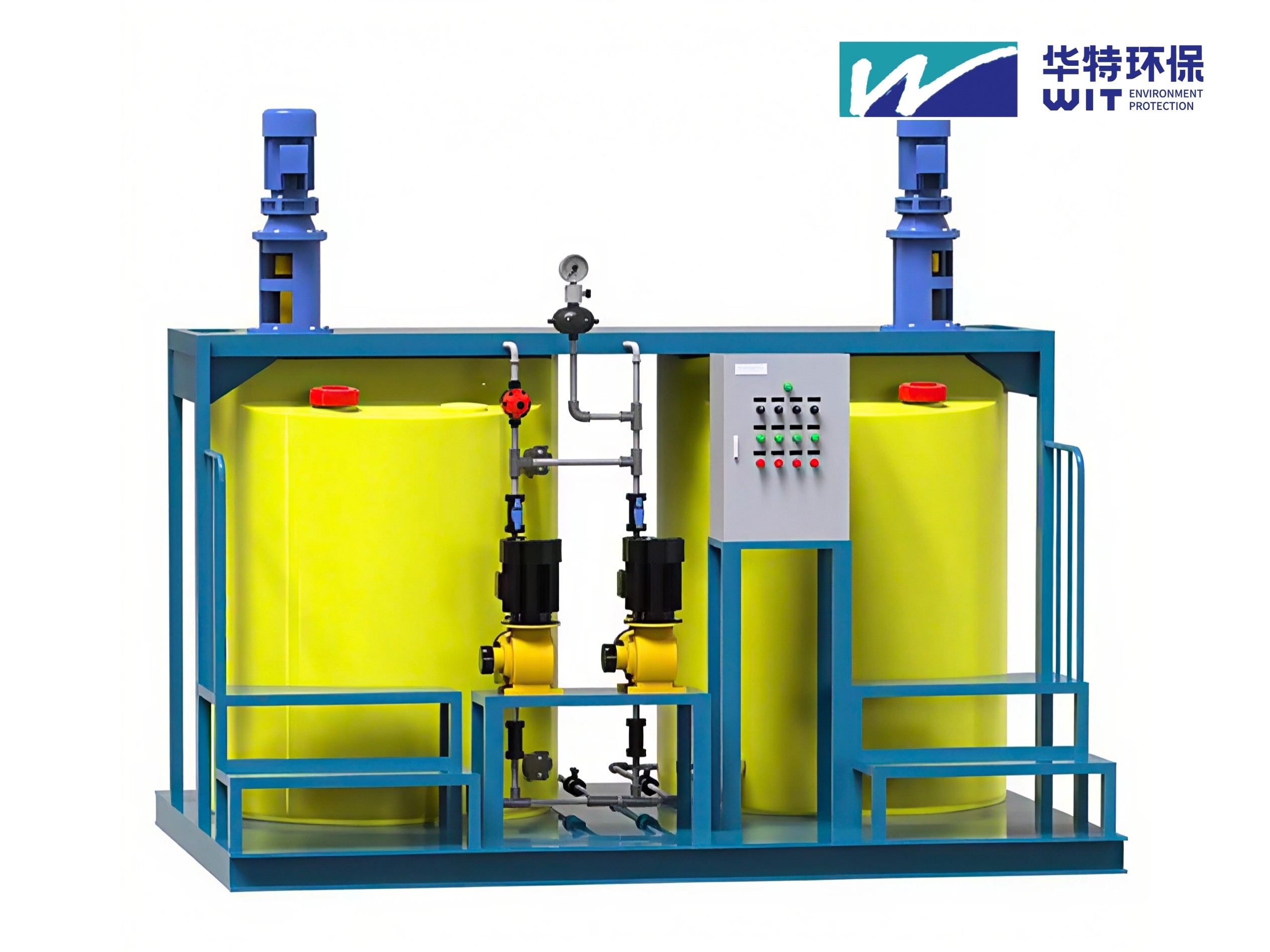
Skid corrosion is often driven by the support structure rather than the dosing line itself. Painted carbon steel frames can be acceptable in some indoor dry applications, but that depends on surface preparation, coating system, edge treatment, drain design, and the likelihood of chemical mist. If a manufacturer offers coated steel, review the coating build-up by layer, the surface preparation standard they actually use, and whether cut edges, bolt holes, weld seams, and lifting lugs receive special treatment. Flat horizontal ledges, unsealed hollow sections, and poorly drained drip trays create standing liquid and concentrated residues, which accelerate failure.
For stainless or FRP frames, look at stiffness and maintenance access as well as corrosion. Overly flexible bases can transmit vibration into metering pumps, pulsation dampeners, and instrument stands, loosening joints over time. Corrosion resistance is reduced when the skid requires frequent rework because valves, calibration columns, or injection quills are difficult to access without stepping onto piping or removing guards. Good design usually shows deliberate routing, clean segregation of drains, and enough clearance around pumps for seal replacement and around instruments for calibration.
Coatings and linings deserve the same scrutiny as core materials
When a manufacturer relies on coatings, ask what conditions the coating is expected to resist: immersion, splash, fumes, outdoor weathering, or periodic cleaning chemicals. Generic statements such as “epoxy coated” say very little. Technical review should cover primer compatibility, dry film thickness range, cure conditions, holiday repair practice if relevant, and whether the coating is used on carbon steel beneath chemical tanks or only on external structural members. A sound design minimizes dependence on coatings in places that are likely to remain wet.
Internal linings in tanks, bunds, or dosing chambers should be evaluated for edge termination and repairability. In aggressive service, a well-chosen lining can still fail early if the substrate geometry is poor or if no practical inspection method exists after transport and installation. Where a manufacturer proposes rubber lining, FRP barrier layers, or specialized fluoropolymer components, request the inspection approach used before shipment and after site assembly.
Fabrication quality is visible in small details
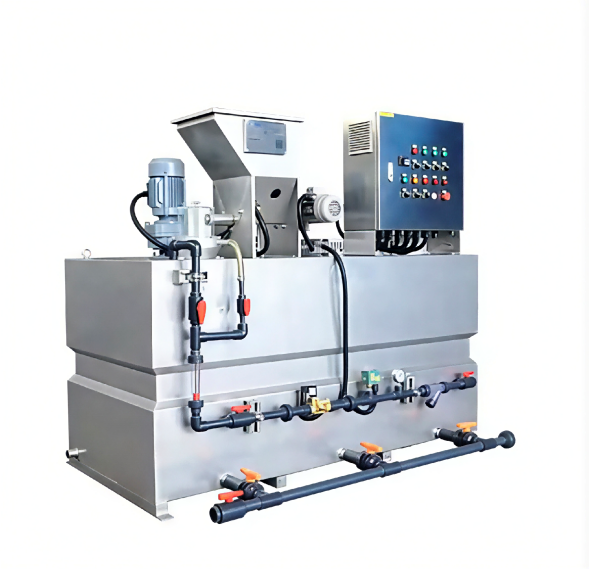
Among chemical dosing skid manufacturers, corrosion discipline is often easier to judge from fabrication details than from brochures. Look for full weld dressing where required, smooth internal bores on plastic welds, consistent support spacing, proper isolation between dissimilar metals, and instrument mounting that does not create unintended collection points for leaks. Cable tray and tubing support choices also matter. Standard galvanized accessories may corrode quickly near oxidizing chemicals, even when the process skid itself is well specified.
Transport provisions should also be reviewed. If a skid will be shipped long distance, lifted multiple times, or stored before installation, temporary exposure can damage coatings, crack brittle accessories, or misalign pipe supports. Ask whether sensitive plastic components are braced for transport, whether nozzles are capped, and whether the frame includes proper lifting points that avoid twisting. A corrosion-resistant design that arrives with damaged coating edges or stressed threaded joints may already be compromised before commissioning.
Operating conditions should be translated into failure scenarios
A manufacturer evaluation becomes stronger when the operating envelope is converted into specific corrosion questions. Consider chemical concentration ranges, cleaning frequency, ambient temperature swings, direct sunlight, enclosure ventilation, indoor chlorine or acid fumes, bund overflow risk, and whether operators rinse the skid with water after maintenance. If dosing pumps cycle frequently at low flow, small leaks can persist around fittings and accumulate residue on supports. If the skid serves disinfection chemistry, vent management and material choice around off-gas paths need close attention.
Temperature is commonly underestimated. A material that is chemically compatible at room temperature may become less reliable when exposed to solar heating, trace heating, hot chemical delivery, or pump-generated heat at deadheaded sections. Similar caution applies to mixed-material assemblies where differential thermal expansion can load gaskets, unions, and instrument tees.
- Review where concentrated chemical first enters the skid. The unloading or day-tank connection often sees the highest local exposure and should not be treated the same as diluted downstream sections.
- Examine injection assemblies separately. Quills, corporation stops, retractable fittings, and back-pressure arrangements can introduce metal parts into otherwise nonmetallic systems.
- Ask how drain and flush lines are handled. Small auxiliary lines are frequently specified with less rigor and may become the first corroded components.
Documentation should show engineering reasoning, not just part names
Useful manufacturer documents usually include a GA drawing, P&ID, material list by service, coating or finishing specification where relevant, and clear boundaries between shop scope and site scope. If corrosion control depends on site-installed supports, anchors, grout, or enclosure ventilation, that should be explicit. Ambiguity here creates avoidable failures because the skid may be fabricated correctly while the installation environment defeats it.
A maintenance manual can reveal whether the manufacturer has thought through real service conditions. Look for instructions on rinsing after spills, periodic inspection of fasteners and supports, torque guidance for plastic flanges if applicable, replacement intervals for elastomers based on duty, and storage limits for spare components. Sparse documentation often correlates with weak attention to long-term durability.
It can also be useful to compare how the manufacturer handles adjacent process packages. Where a project includes dosing tied into polishing, membrane pretreatment, or Industrial Pure Water / Ultrapure Water Equipment, corrosion review should include contamination risks, dead-leg control, and material compatibility across the battery limits rather than inside the skid alone.
Common evaluation mistakes
One frequent mistake is accepting “chemical resistant” as a complete answer without separating wetted exposure from vapor and housekeeping exposure. Another is focusing on the pump head material while ignoring frames, bolts, drip trays, level switches, calibration columns, and sample valves. A third is comparing manufacturers only by nominal material grade when one design traps chemicals in crevices and another sheds liquid cleanly.
Corrosion resistance is also weakened by overcomplicated skids. Extra valves, unnecessary threaded joints, decorative covers that block inspection, and cramped layouts increase the number of places where chemicals can accumulate and where maintenance can damage protective finishes. Simpler layouts are not automatically better, but avoidable complexity should raise questions.
The strongest chemical dosing skid manufacturers usually show consistency between material choice, fabrication method, coating practice, transport protection, and maintenance access. When those elements align with the actual chemical and site conditions, the skid is far more likely to remain stable in water and wastewater service instead of becoming a recurring corrosion repair point.



 How to spot poor fabrication quality from chemical dosing skid manufacturers
 When local chemical dosing skid manufacturers are better than overseas suppliers
 Common membrane fouling causes in industrial pure water equipment
 What to check before buying industrial pure water equipment for a new plant
 How ultrapure water equipment helps reduce scaling in dosing systems
 When does industrial pure water equipment become necessary in pulp bleaching
GET A FREE QUOTE
Service Commitment: Upon receipt of your message, a dedicated representative will contact you as soon as possible to provide efficient and professional service support.
