







How RO Reverse Osmosis Water Purification Works for Industrial Water Treatment
Why does RO reverse osmosis water purification matter so much in industrial water treatment?
RO reverse osmosis water purification is more than a polishing step. It is often the barrier that separates usable process water from scaling, corrosion, unstable product quality, and compliance risk.
In simple terms, reverse osmosis pushes water through a semi-permeable membrane. Dissolved salts, organics, and many contaminants stay behind, while cleaner water passes through.
That matters in industrial settings because untreated dissolved solids can quickly damage boilers, cooling systems, washing lines, and reuse loops. The result is not only poor performance, but also higher operating costs.
For environmental engineering work, the value is broader. Better water quality supports wastewater reuse, reduces freshwater demand, and helps plants align with stricter environmental management goals.
This is also why companies with strong wastewater and process treatment experience, such as Shandong Wit Environmental Protection Technology Co.Ltd, pay close attention to integrated water solutions rather than isolated equipment choices.
How does the RO process actually remove contaminants?
A common question is whether RO reverse osmosis water purification filters water like ordinary media filters. Not exactly. The mechanism is pressure-driven separation at the molecular level.
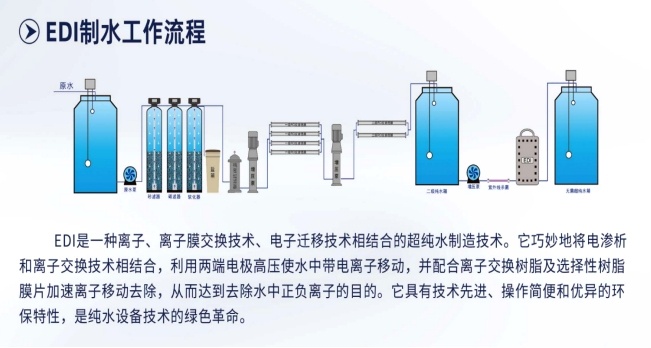
Feed water first passes through pretreatment. This stage usually reduces suspended solids, chlorine, hardness risk, and fouling load before water reaches the membrane.
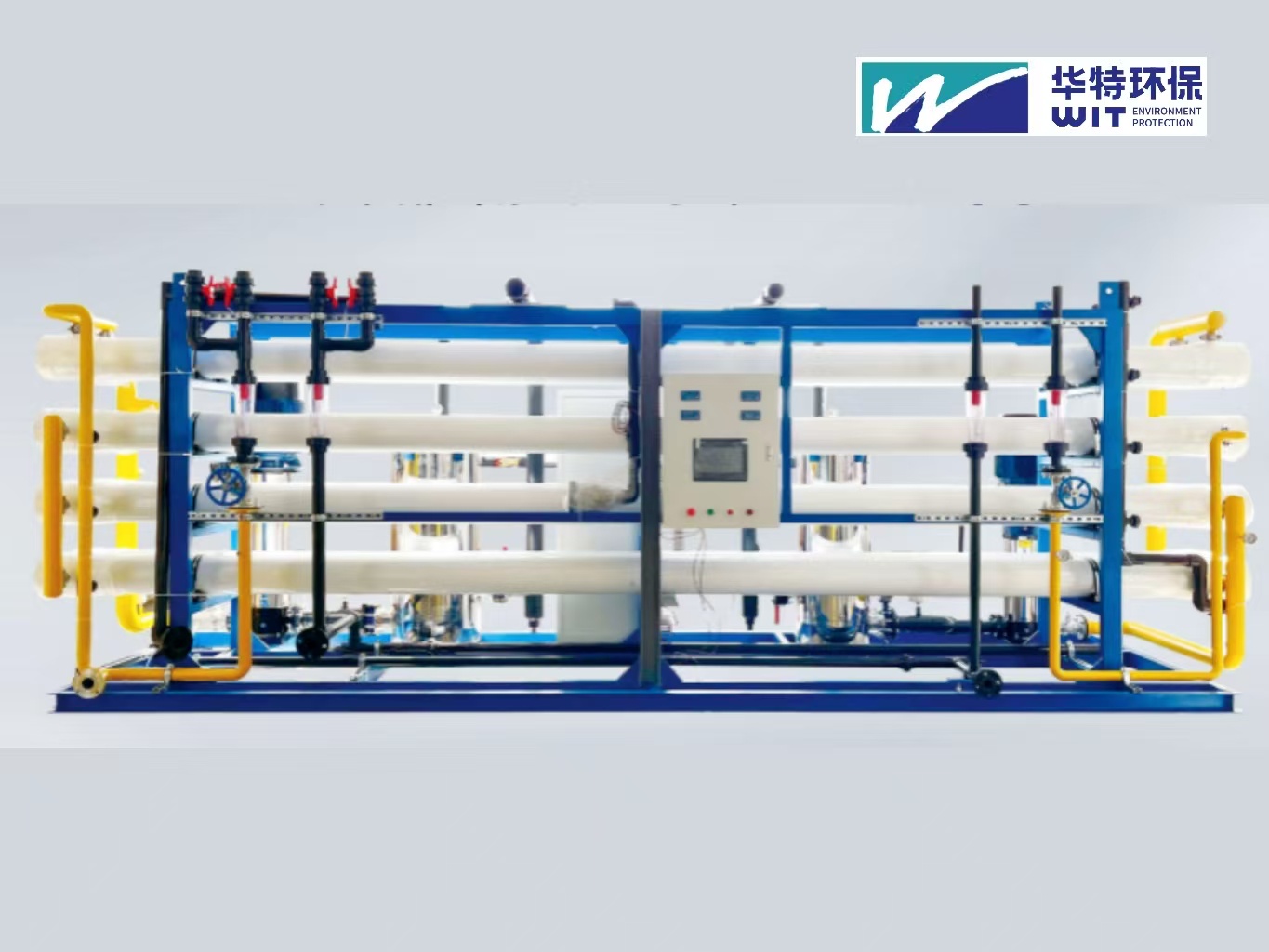
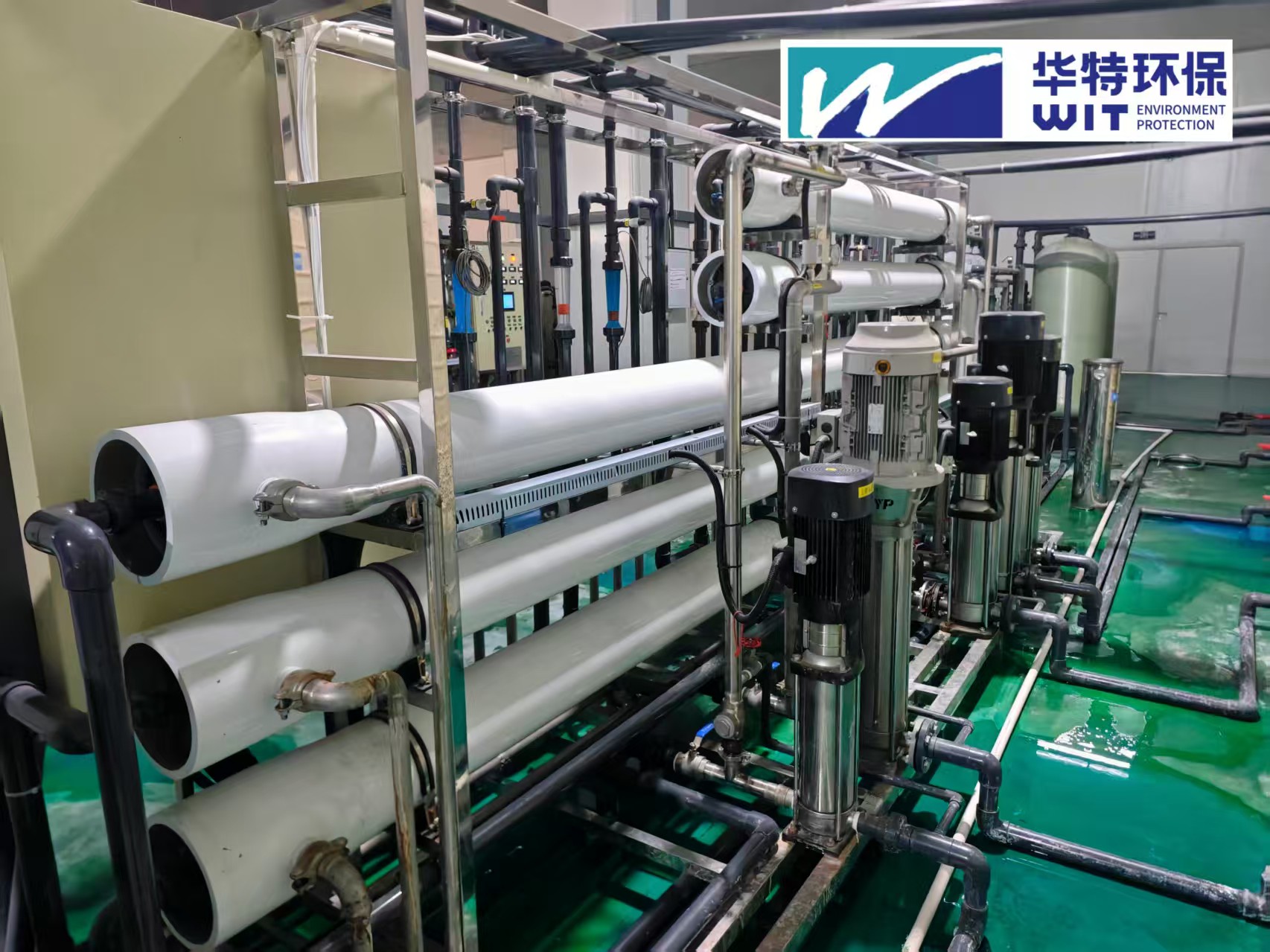
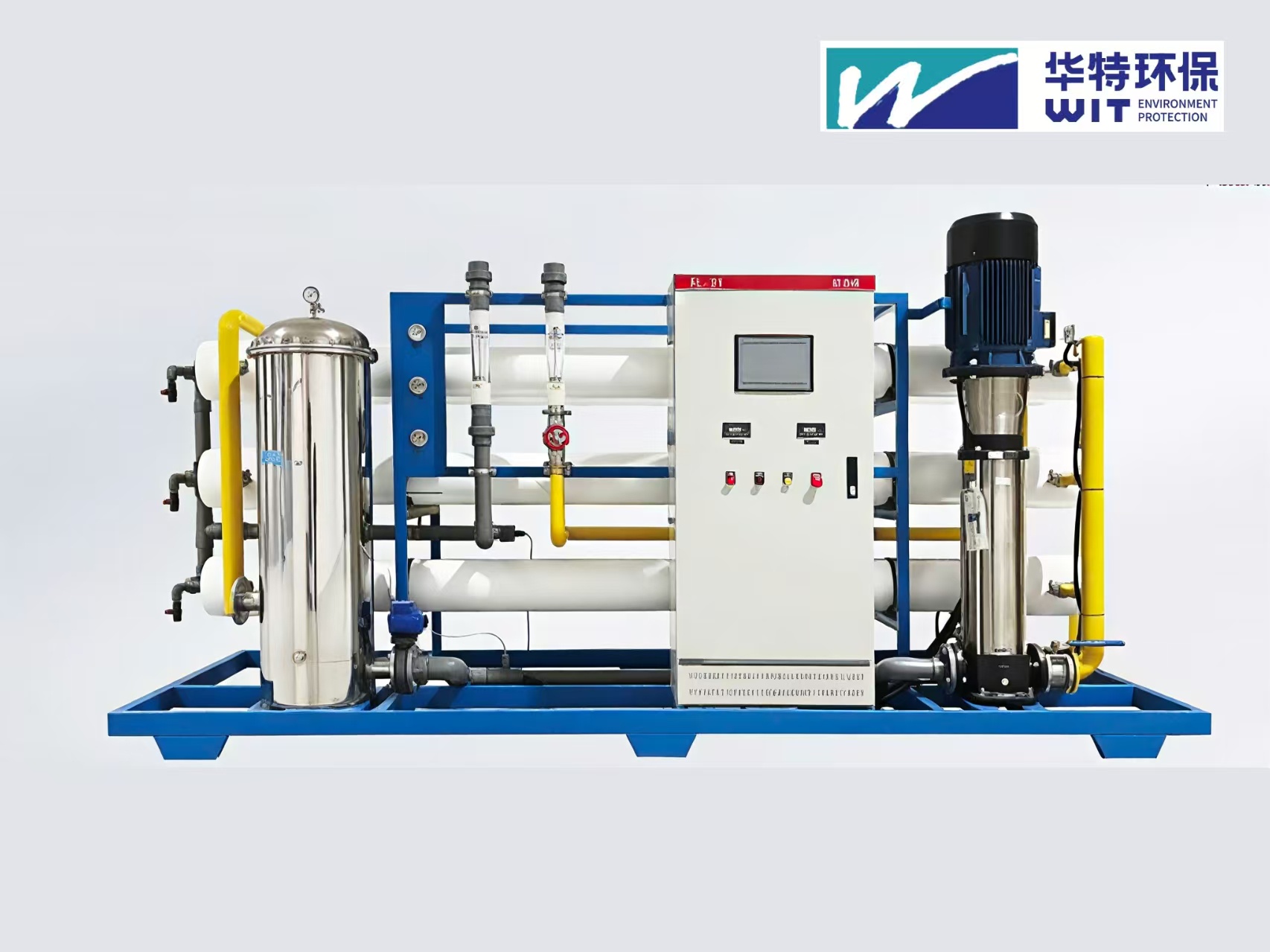
Then a high-pressure pump pushes the water against the RO membrane surface. Water molecules move through. Most dissolved ions, many heavy metals, and a large share of organic contaminants do not.
The system creates two streams:
- Permeate, which is the treated water
- Concentrate, which carries the rejected contaminants
In real projects, success depends less on the membrane alone and more on system balance. Pretreatment, recovery rate, cleaning strategy, and concentrate handling all shape the final result.
Where is RO reverse osmosis water purification most useful?
It is most useful where dissolved contaminants directly affect operations. High-purity process water is the obvious case, but reuse projects are becoming just as important.
More common application areas include municipal reuse, industrial wastewater recovery, aquaculture water improvement, pulp and dyeing support systems, and make-up water for sensitive equipment.
The practical question is not “Is RO advanced?” It is “Does the water quality target justify membrane treatment?” If salt removal, conductivity control, or reuse stability is required, RO becomes a serious option.
In distributed or combined treatment projects, RO may sit beside other units. For example, a site using Integrated Skid-Mounted Domestic Sewage Treatment Equipment for domestic sewage management may still use RO separately where higher-grade reclaimed water is needed.
How can you tell whether RO is the right choice or too much treatment?
This is where many evaluations go wrong. RO reverse osmosis water purification is powerful, but it is not automatically the most economical answer.
A better judgment starts with a few concrete checks:
If these answers point toward strict water quality control, RO is usually worth deeper study. If the goal is only turbidity reduction, another process may be enough.
What problems appear most often after installation?
The biggest misconception is that membrane systems fail because membranes are fragile. More often, problems begin upstream or in operation strategy.
Typical issues include scaling, fouling, oxidation damage, unstable recovery settings, and weak cleaning routines. When feed water changes, yesterday’s settings may no longer be safe.
- Scaling usually comes from hardness, silica, or poor antiscalant control
- Organic fouling often reflects incomplete pretreatment
- Pressure increase can signal membrane blockage, not better performance
- Ignoring concentrate management can weaken the full project value
In practical environmental projects, engineering experience matters here. Teams that understand municipal wastewater, industrial wastewater, and reuse pathways are better positioned to match RO design with actual site conditions.
What should be reviewed before planning an RO project?
Before selecting equipment, confirm the full treatment objective. Is the goal product water, recycled utility water, discharge polishing, or a broader environmental compliance upgrade?
Then review water analysis, operating hours, seasonal fluctuation, pretreatment needs, cleaning frequency, membrane replacement expectations, and concentrate disposal options.
It also helps to think in systems. Organizations active in wastewater treatment, ecological restoration, and technology transfer often approach water projects this way, combining process design with engineering delivery and long-term operating logic.
Where domestic sewage, industrial reuse, and regional environmental goals overlap, related infrastructure such as Integrated Skid-Mounted Domestic Sewage Treatment Equipment may complement broader water management planning rather than replace RO.
In the end, RO reverse osmosis water purification works best when it is chosen for a clear reason. Start with water quality targets, compare treatment pathways, and define operating risks early. That makes later decisions on cost, cycle, and implementation much easier to judge.



 How to spot poor fabrication quality from chemical dosing skid manufacturers
 When local chemical dosing skid manufacturers are better than overseas suppliers
 Common membrane fouling causes in industrial pure water equipment
 What to check before buying industrial pure water equipment for a new plant
 How ultrapure water equipment helps reduce scaling in dosing systems
 When does industrial pure water equipment become necessary in pulp bleaching
GET A FREE QUOTE
Service Commitment: Upon receipt of your message, a dedicated representative will contact you as soon as possible to provide efficient and professional service support.
