







Cleaning Challenges in Pharmaceutical Centrifuge Systems
Cleaning Challenges in Pharmaceutical Centrifuge Systems
Keeping a pharmaceutical centrifuge clean is critical for product purity, operator safety, and regulatory compliance.
Yet residues, tight internal spaces, and strict validation standards often make cleaning more complex than expected.
Understanding these issues helps improve reliability, reduce downtime, and support safer pharmaceutical processing.
Why a Pharmaceutical Centrifuge Is So Hard to Clean
A pharmaceutical centrifuge handles high-value materials under strict hygiene requirements.
That means even small residue carryover can create quality risks, batch loss, or failed inspections.
The challenge usually starts with product behavior.
Sticky slurries, fine crystals, active ingredients, and solvents do not leave the bowl evenly.
Some materials dry quickly and form stubborn films.
Others settle in corners, seals, discharge ports, or screen surfaces.
From an operating view, the internal geometry is another problem.
A pharmaceutical centrifuge often contains narrow gaps, rotating parts, and hidden contact surfaces.
These are exactly the places where residues stay after routine rinsing.
The Most Common Cleaning Problems
In practice, cleaning failures usually come from a few repeat issues.
- Residue buildup on bowls, baskets, screens, and discharge channels.
- Incomplete cleaning around gaskets, seals, valves, and pipe connections.
- Poor rinse coverage caused by weak spray patterns or blocked nozzles.
- Long cleaning cycles that reduce equipment availability.
- High water and chemical use during repeated cleaning attempts.
- Difficult validation when cleaning results vary from batch to batch.
This also explains why visual inspection alone is often not enough.
A surface may look clean while trace residue remains in dead zones.
Where Validation Gets More Difficult
Cleaning a pharmaceutical centrifuge is not just about washing parts.
It also has to meet documented acceptance limits and repeatable validation standards.
That becomes harder when products change often.
Different APIs, excipients, and solvents respond differently to water, detergent, and temperature.
A validated cycle for one product may be too weak for another.
Sampling adds another layer of difficulty.
If swab points miss the real worst-case areas, the result can look compliant while risk remains.
This is why a risk-based map of contact surfaces matters.
Practical Ways to Improve Cleaning Performance
The good news is that most pharmaceutical centrifuge cleaning problems are manageable.
The key is to tighten process control instead of relying on extra manual effort.
- Clean sooner after discharge. Fresh residue is easier to remove than dried deposits.
- Review spray device coverage. Confirm impingement reaches seals, ports, and shadowed surfaces.
- Match detergent chemistry to residue type. One formula rarely fits every product stream.
- Control water quality, temperature, and contact time during each cleaning cycle.
- Inspect and replace worn gaskets and seals before they become residue traps.
- Standardize verification with defined swab points and trend records.
In facilities with broader water management needs, support systems also matter.
Reliable treatment and reuse strategies can stabilize cleaning performance and reduce utility pressure.
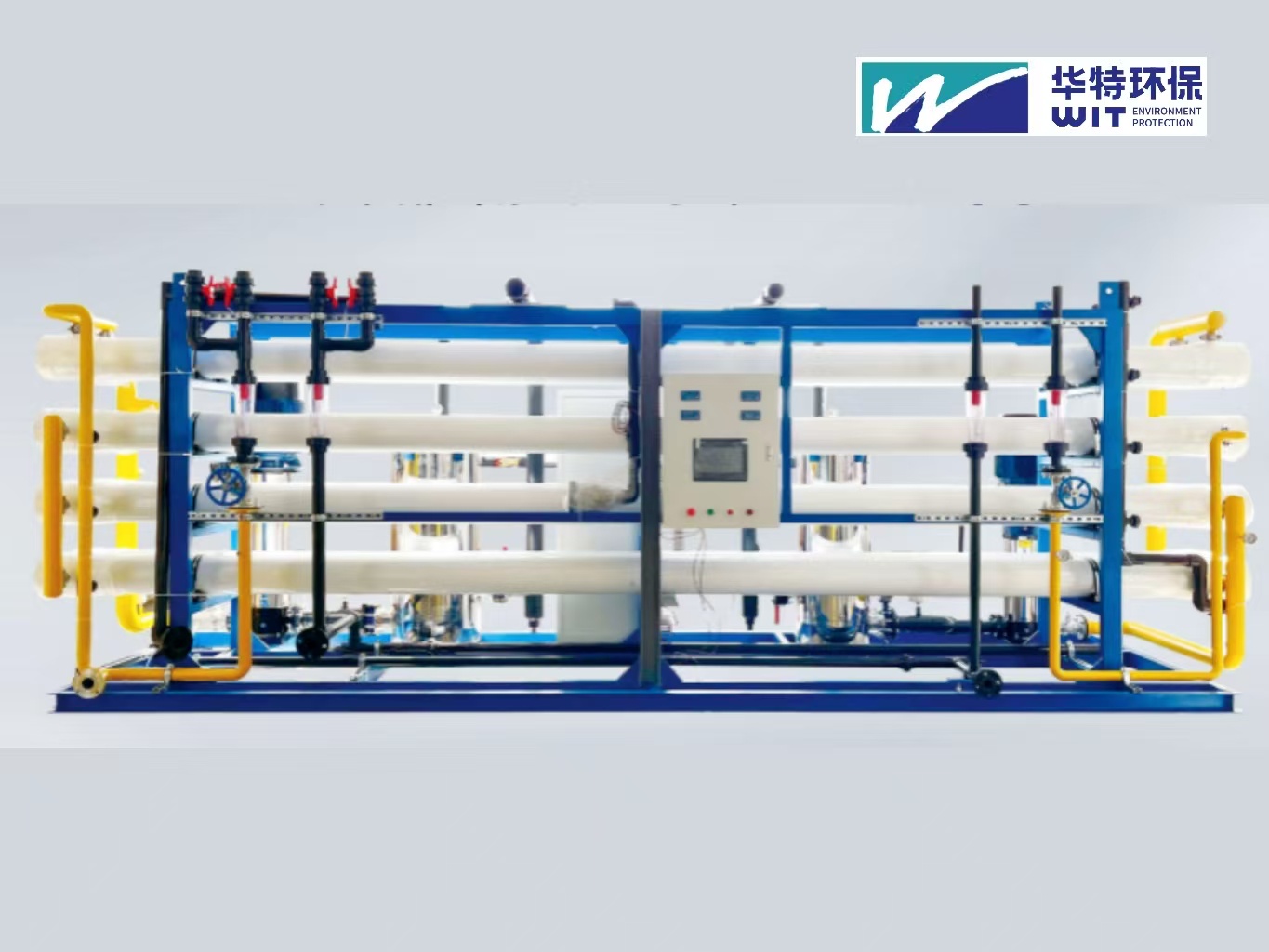
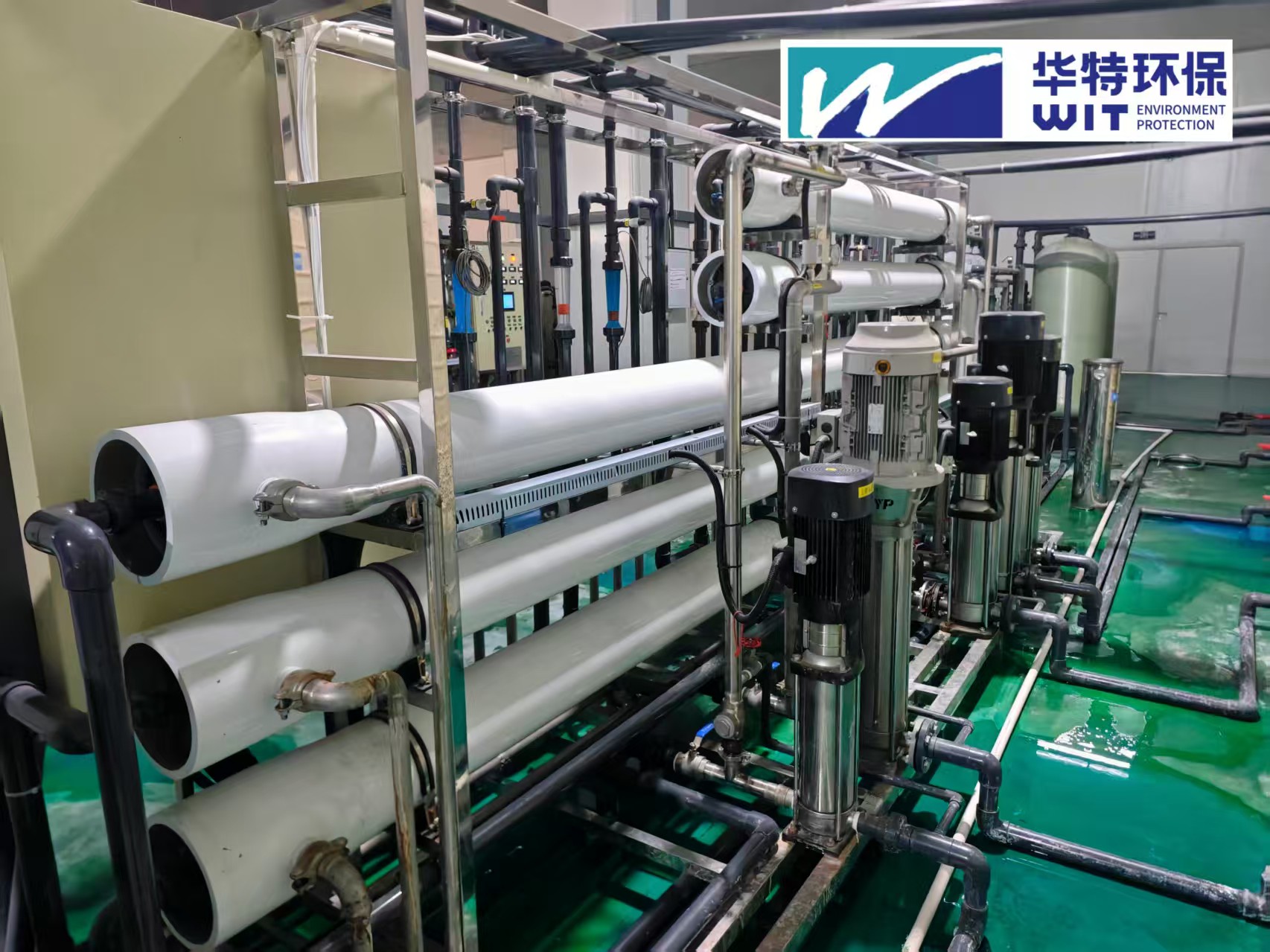
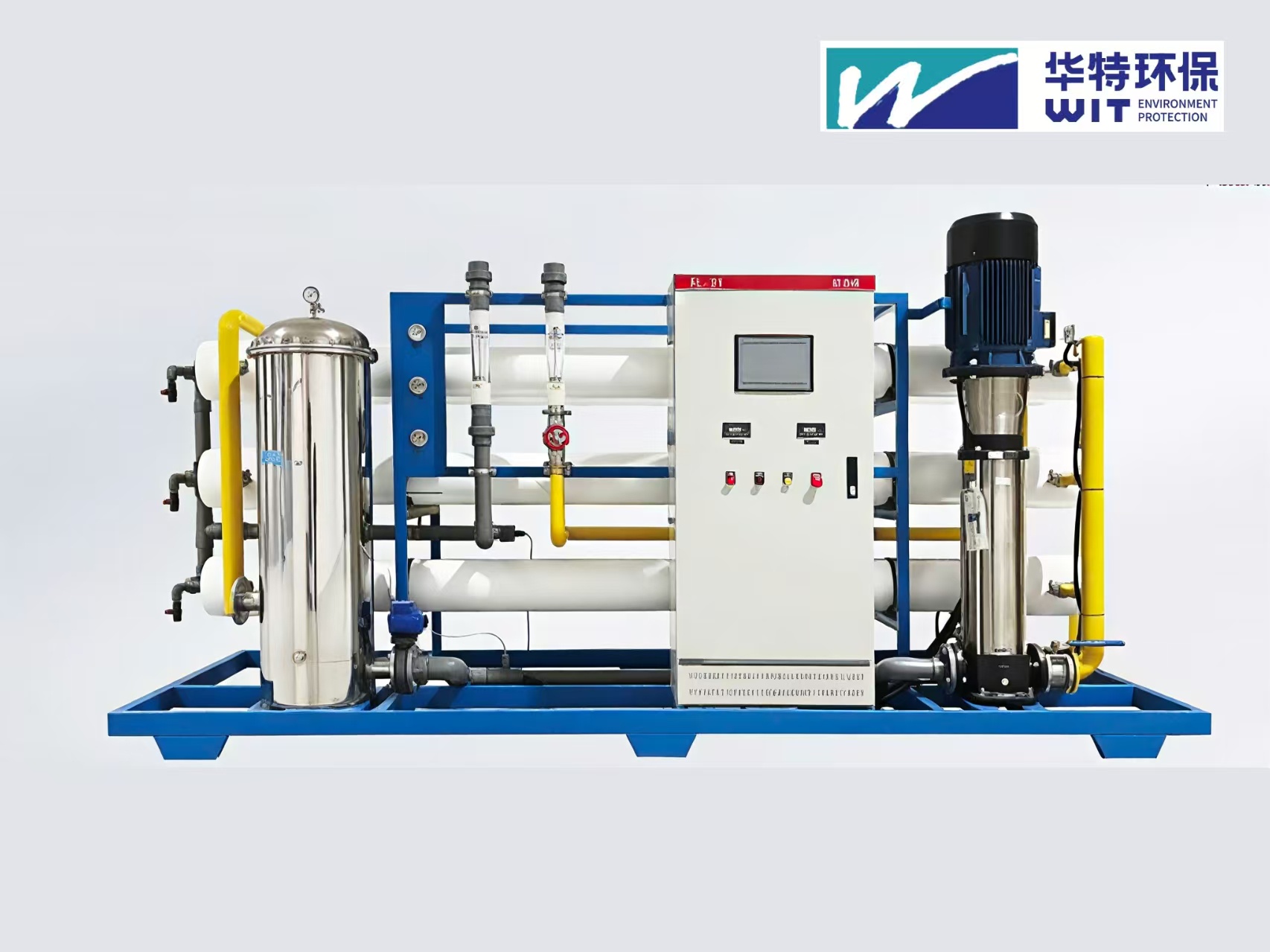
For example, Large-Scale Integrated Skid-Mounted Water Purification Treatment Equipment can support cleaner process water management in demanding industrial environments.
Manual Cleaning vs. CIP Expectations
Many sites expect clean-in-place systems to solve every pharmaceutical centrifuge cleaning issue.
That expectation is not always realistic.
CIP improves consistency, but only when the equipment was designed for effective spray access and drainage.
In many cases, a hybrid model works best.
Routine cycles handle most surfaces, while critical parts receive targeted manual verification.
How to Reduce Downtime Without Raising Risk
Faster cleaning should not mean weaker cleaning.
The better approach is to remove avoidable delay points.
- Pre-stage tools, approved chemicals, and inspection forms before shutdown.
- Use checklists for disassembly, rinse sequence, and reassembly points.
- Trend cleaning failures by product family, not only by equipment number.
- Investigate recurring residue with engineering and water treatment teams together.
This broader view often reveals hidden causes.
Water quality shifts, rinse pressure loss, or inconsistent drainage can all affect a pharmaceutical centrifuge.
That is where integrated support infrastructure, including Large-Scale Integrated Skid-Mounted Water Purification Treatment Equipment, may contribute to more stable cleaning conditions.
Final Takeaway
Cleaning challenges in a pharmaceutical centrifuge usually come from residue behavior, equipment design, and validation pressure working together.
The most effective response is structured and practical.
Tighten cleaning timing, improve spray coverage, control water conditions, and verify the real worst-case areas.
When those steps are consistently applied, a pharmaceutical centrifuge becomes easier to clean, easier to validate, and more reliable in daily production.



 How to spot poor fabrication quality from chemical dosing skid manufacturers
 When local chemical dosing skid manufacturers are better than overseas suppliers
 Common membrane fouling causes in industrial pure water equipment
 What to check before buying industrial pure water equipment for a new plant
 How ultrapure water equipment helps reduce scaling in dosing systems
 When does industrial pure water equipment become necessary in pulp bleaching
GET A FREE QUOTE
Service Commitment: Upon receipt of your message, a dedicated representative will contact you as soon as possible to provide efficient and professional service support.
