







Choosing a Stainless Steel Centrifuge for Corrosive Liquids
Choosing a Stainless Steel Centrifuge for Corrosive Liquids
For quality control and safety managers handling aggressive media, choosing a stainless steel centrifuge for corrosive liquids is critical to operational reliability, worker protection, and compliance.
The right equipment must resist chemical attack, maintain separation efficiency, and support stable performance in demanding environmental and industrial treatment processes.
This guide outlines the key factors to evaluate before making a safe, cost-effective selection.
Why material selection comes first
A stainless steel centrifuge for corrosive liquids is only as reliable as its actual material grade.
Many buyers stop at “stainless steel.” That is not enough when chloride, acid, alkali, oxidants, or mixed waste streams are involved.
In environmental and energy applications, liquids often change composition during treatment. That makes corrosion risk less predictable than in stable production lines.
Start with the full chemistry profile. Check pH range, chloride level, temperature, solids content, and cleaning chemicals.
- 304 stainless steel fits mild conditions but struggles with strong chloride exposure.
- 316L offers better resistance and is common for wastewater and chemical handling.
- Duplex or higher-alloy options may be justified for severe media or elevated temperatures.
- Seals, gaskets, and coatings matter as much as the bowl and housing.
If the liquid contains oxidizing disinfectants or by-products, verify compatibility with every wetted part, not just the main frame.
Define the real process conditions
A stainless steel centrifuge for corrosive liquids should be selected around actual operating conditions, not ideal lab data.
This is where many projects lose accuracy. Feed conditions fluctuate, especially in municipal and industrial wastewater treatment.
Look closely at these variables before comparing suppliers:
- Flow rate range, including peak and low-load conditions.
- Particle size distribution and expected solids concentration.
- Viscosity changes caused by temperature or chemical dosing.
- Gas generation, foaming, or vapor release during separation.
- Cleaning frequency and the strength of CIP chemicals.
These details affect bowl speed, residence time, seal life, and maintenance intervals.
A machine that performs well on a neutral slurry may fail quickly on hot, oxidizing liquor.
Key design features that reduce risk
When evaluating a stainless steel centrifuge for corrosive liquids, design details often reveal long-term value better than nameplate capacity.
- Smooth internal surfaces reduce residue buildup and under-deposit corrosion.
- Fully enclosed structures help control splashing, fumes, and worker exposure.
- Balanced rotor design improves stability when solids vary unexpectedly.
- Accessible inspection points shorten shutdowns and improve routine checks.
- Vibration, temperature, and leakage monitoring support early warning.
This matters even more in facilities that already run integrated treatment systems.
For example, skid-mounted process units can simplify upstream or downstream treatment coordination.
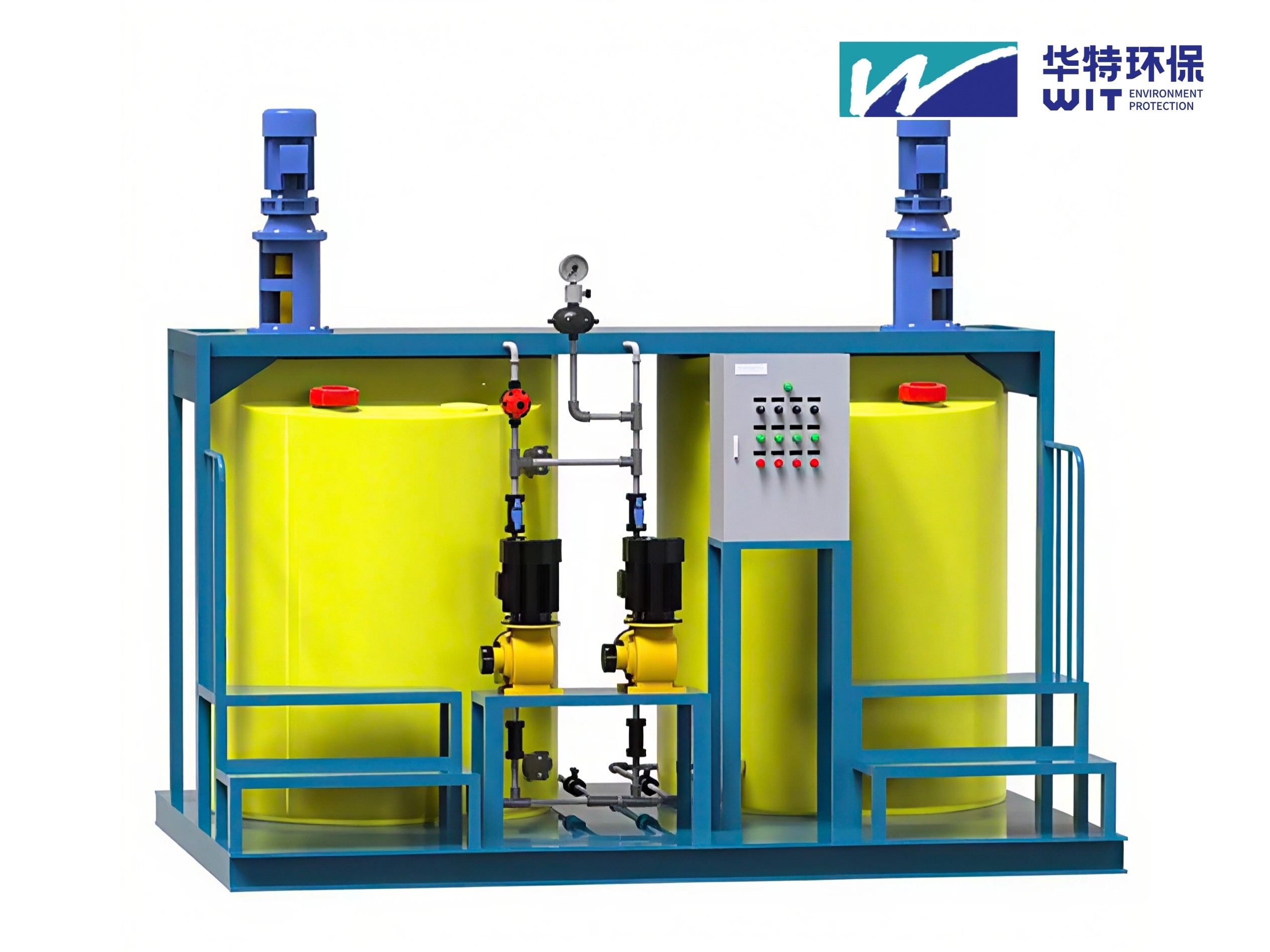
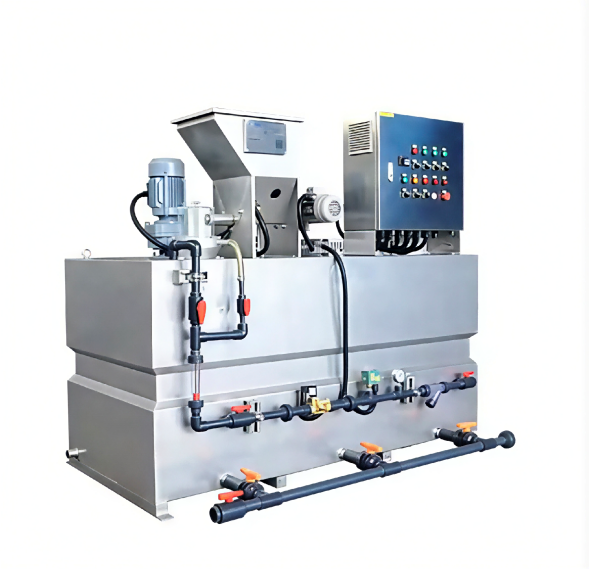
In some projects, pairing separation stages with Rare Earth Disk Separation and Purification Skid-Mounted Equipment / Magnetic Coagulation Skid-Mounted Equipment can improve solids capture before centrifugation or polish the stream after it.
Safety and compliance checks before purchase
A stainless steel centrifuge for corrosive liquids must meet both process goals and safety obligations.
Corrosive media can create hidden hazards, including seal failure, mist release, and unexpected metal degradation.
Before approval, confirm these points with the supplier:
Also ask for corrosion case references in wastewater, bleaching, disinfection, or similar aggressive treatment environments.
How to compare lifecycle cost, not just price
The cheapest stainless steel centrifuge for corrosive liquids can become the most expensive option after a year of operation.
Shorter seal life, higher cleaning demand, or unstable separation quickly raise total cost.
A practical comparison should include:
- Expected maintenance frequency.
- Consumable and seal replacement cost.
- Energy use under normal and peak loads.
- Waste reduction and recovered material value.
- Downtime risk during corrosion-related failures.
This approach aligns well with complex environmental projects, where process continuity matters as much as equipment purchase price.
That is especially relevant for organizations working across wastewater treatment, ecological restoration, and industrial water systems, where process reliability supports both compliance and public value.
A practical decision framework
If you need a simple way to shortlist options, use this sequence.
- Define the harshest realistic chemical condition, not the average one.
- Match alloy, seals, and internal finish to that condition.
- Verify separation performance with representative feed data.
- Review enclosure, monitoring, and shutdown protection.
- Compare lifecycle cost and local service capability.
- Request references from corrosive liquid applications close to your own.
A stainless steel centrifuge for corrosive liquids is a process risk decision as much as an equipment purchase.
When material resistance, safety design, and real operating data are reviewed together, selection becomes clearer.
Use that discipline early, and you will be more likely to choose a unit that stays safe, stable, and cost-effective in the field.



 How to spot poor fabrication quality from chemical dosing skid manufacturers
 When local chemical dosing skid manufacturers are better than overseas suppliers
 Common membrane fouling causes in industrial pure water equipment
 What to check before buying industrial pure water equipment for a new plant
 How ultrapure water equipment helps reduce scaling in dosing systems
 When does industrial pure water equipment become necessary in pulp bleaching
GET A FREE QUOTE
Service Commitment: Upon receipt of your message, a dedicated representative will contact you as soon as possible to provide efficient and professional service support.
