







Is a skid-mounted sewage treatment plant suitable for repeated relocation?
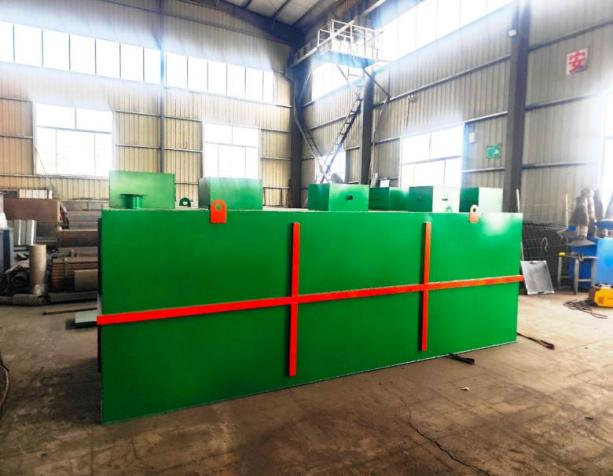
A skid mounted sewage treatment plant can be suitable for repeated relocation, but only if both the equipment and the treatment process are designed for that duty. A compact footprint and a steel base make a plant easier to handle; they do not establish that it can withstand repeated lifting, travel safely, and return to compliant operation after each move.
The strongest candidates are projects with predictable wastewater, prepared receiving sites, and operating periods long enough to justify transport and recommissioning. Where moves are frequent, shutdown periods are uncertain, or discharge limits are demanding, biological recovery and temporary wastewater management can become more important than the purchase price.
“Skid-mounted” does not necessarily mean repeatedly relocatable
A skid can serve simply as a factory assembly base. It may support equipment during delivery and installation without being engineered for repeated transport cycles. Similarly, a containerized enclosure can protect components without providing the structural load paths needed to lift the complete operating assembly.
Repeated relocation introduces loads different from normal operation: lifting stresses, road vibration, braking forces, and movement at pipe supports. Equipment that operates reliably on a level foundation may develop leaks, misalignment, or damaged connections after transport if these conditions were not considered in its design.
The supplier should therefore define the transport configuration explicitly. This includes shipping weight, center of gravity, approved lifting points, tie-down arrangements, and which components must be drained, removed, or restrained. Operating weight is not an acceptable substitute for a documented shipping weight.
Do not assume tanks can travel full. Residual liquid changes weight distribution and can generate sloshing loads. Conversely, some membranes, seals, or biological media require specific preservation conditions. The relocation procedure must reconcile these requirements rather than rely on a generic instruction to “empty the plant.”
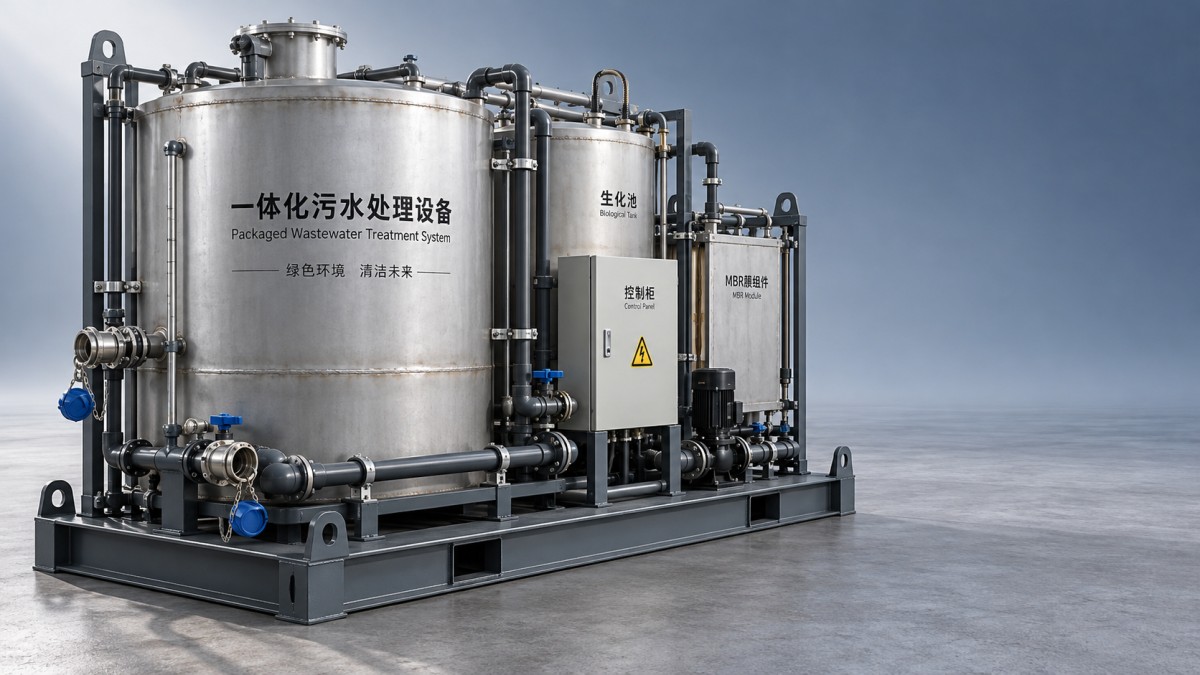
Useful evidence includes structural calculations for the intended handling conditions, lifting drawings, transport restraints, and inspection instructions after each move. An electrical or treatment-performance certificate alone does not establish suitability for repeated lifting.
The harder question is how quickly treatment can recover
For biological sewage treatment, physical reinstallation is only part of the restart. The organisms responsible for treatment need appropriate oxygen, temperature, nutrients, and wastewater loading. Draining, prolonged shutdown, overheating during transport, or loss of aeration can reduce the active biomass available at the next site.
Attached-growth systems can retain biomass on media, but this does not make them immune to drying or oxygen deprivation. Suspended-growth systems need a defined sludge retention or reseeding strategy. Membrane bioreactors also require membrane preservation and cleaning arrangements; a membrane barrier does not replace biological treatment of dissolved pollutants.
Recovery time depends on the process, shutdown conditions, retained biomass, incoming sewage, and required effluent quality. A promise of “immediate operation” should distinguish between equipment running and effluent meeting the discharge requirement. Pumps and blowers may restart promptly while biological performance still needs verification.
This distinction matters especially where ammonia limits are stringent. Restoration of solids separation or organic removal does not, by itself, demonstrate that nitrification has recovered.
A credible relocation plan should specify:
- How sludge, media, and membranes will be preserved during shutdown and transport.
- Whether reseeding is required and where suitable seed sludge will come from.
- How loading will be increased after installation.
- Which measurements and sampling results authorize normal discharge.
- Where sewage and off-specification effluent will go before that authorization.
Without storage, an approved disposal route, or backup treatment, even a short recovery period can prevent a relocated plant from serving an occupied site.
The receiving site can determine whether mobility has value
A relocatable treatment skid is not a self-contained wastewater service unless its surrounding infrastructure is also included. Collection pipes, inlet screening, equalization, sludge storage, discharge piping, power supply, and access for maintenance may remain separate from the skid.
Compare the complete installation scope at each destination. A unit that requires new civil tanks, extensive buried pipework, or specialist electrical work at every move may offer limited savings over a semi-permanent installation. Standardized connections help only when the next site can provide compatible power, hydraulic levels, drainage, and physical access.
Wastewater compatibility deserves equal attention. Two camps with similar occupancy can produce different hydraulic peaks and organic loads because of kitchens, laundries, shift patterns, or water-saving practices. Industrial wastewater entering a nominally domestic sewage system can introduce toxicity or salinity outside its design basis.
Disinfection also needs a relocation assessment. If chlorine dioxide is selected, an option such as W2 type (high negative pressure) chlorine dioxide preparation technology should be evaluated as a separate subsystem: reagent handling, ventilation, containment, dosing controls, and restart checks all require review. The preparation technology alone does not demonstrate transport suitability or discharge compliance.
Moving the same plant to another jurisdiction may also change discharge conditions and approval requirements. Acceptance at one location should not be treated as permission to operate elsewhere.
Evaluate cost per compliant operating period, not cost per move
The financial case depends on how much useful service the plant delivers between relocations. Freight is visible, but it is only one part of the move cost. Decommissioning, cleaning, sludge removal, lifting, reinstatement, consumables, sampling, and service attendance can materially change the comparison.
A practical lifecycle assessment should include:
A useful comparison is total ownership and relocation cost divided by the volume treated to the required standard over the planned deployment period. Nameplate capacity alone can overstate value if the plant spends substantial time idle, in transit, or recovering.
Run the comparison against realistic alternatives, such as rental treatment, a trailer-mounted package, temporary holding and licensed haulage, or a semi-permanent plant. Short deployments may favor a service-based solution despite a higher apparent daily charge. Longer deployments can justify an owned skid when relocation work is controlled and utilization remains high.
Make repeated relocation a contractual duty
A specification stating only “mobile” or “easy to relocate” leaves too much open to interpretation. The purchase agreement should identify the anticipated number and frequency of moves, transport method, climate exposure, shutdown duration, and wastewater envelope. These conditions give the supplier a defined basis for confirming suitability.
Require a relocation manual that covers isolation, cleaning, preservation, lifting, transport, reassembly, inspection, and process restart. Responsibilities should be clear: who supplies lifting gear, who disposes of residual sludge, who checks instruments, and who verifies effluent quality at the destination.
Performance commitments should distinguish mechanical readiness from treatment acceptance. The latter needs agreed influent conditions, discharge criteria, sampling arrangements, and a defined approach to startup effluent. Warranty terms should also address repeated relocation and identify any handling conditions that invalidate coverage.
The deciding question is not whether the plant can be moved, but whether it can repeatedly return to compliant service at an acceptable total cost. A transport-engineered skid with a workable preservation plan and prepared destinations can meet that requirement. A compact stationary plant placed on a frame may not.



 Is a skid-mounted sewage treatment plant suitable for repeated relocation?
 How to restart a skid-mounted sewage treatment plant after storage
 How transport limits affect skid-mounted sewage treatment plant design
 What site preparation does a skid-mounted sewage treatment plant need?
 How to verify a modular sewage treatment plant's effluent quality
 Can a modular sewage treatment plant expand without a shutdown?
GET A FREE QUOTE
Service Commitment: Upon receipt of your message, a dedicated representative will contact you as soon as possible to provide efficient and professional service support.
