







Installation Space and Utility Checks Before Buying Skid-mounted Pure Water Equipment
Before purchasing Skid-mounted Single-stage Drinking Pure Water Equipment, business evaluators are usually trying to answer one practical question: will this unit fit the site, connect to existing utilities, and operate without creating hidden engineering costs? The core search intent behind this topic is pre-purchase risk control. Readers want to verify whether the planned installation conditions can support reliable commissioning, compliance, and lifecycle efficiency.
For this audience, the biggest concerns are not only footprint dimensions, but also ceiling clearance, access routes, power stability, raw water quality, drainage capacity, ventilation, maintenance space, and the cost of civil or utility modifications. The most useful content is therefore a decision-oriented checklist that helps evaluators compare equipment proposals against real site conditions and avoid underestimating integration work.
In this article, the focus is placed on the checks that matter most before buying, especially for environmental and energy projects where utility mismatch or layout errors can delay startup and increase total investment. General definitions and overly broad theory are kept to a minimum so the reader can move quickly toward a defensible procurement decision.
Why Pre-Purchase Installation Checks Matter More Than Equipment Brochures
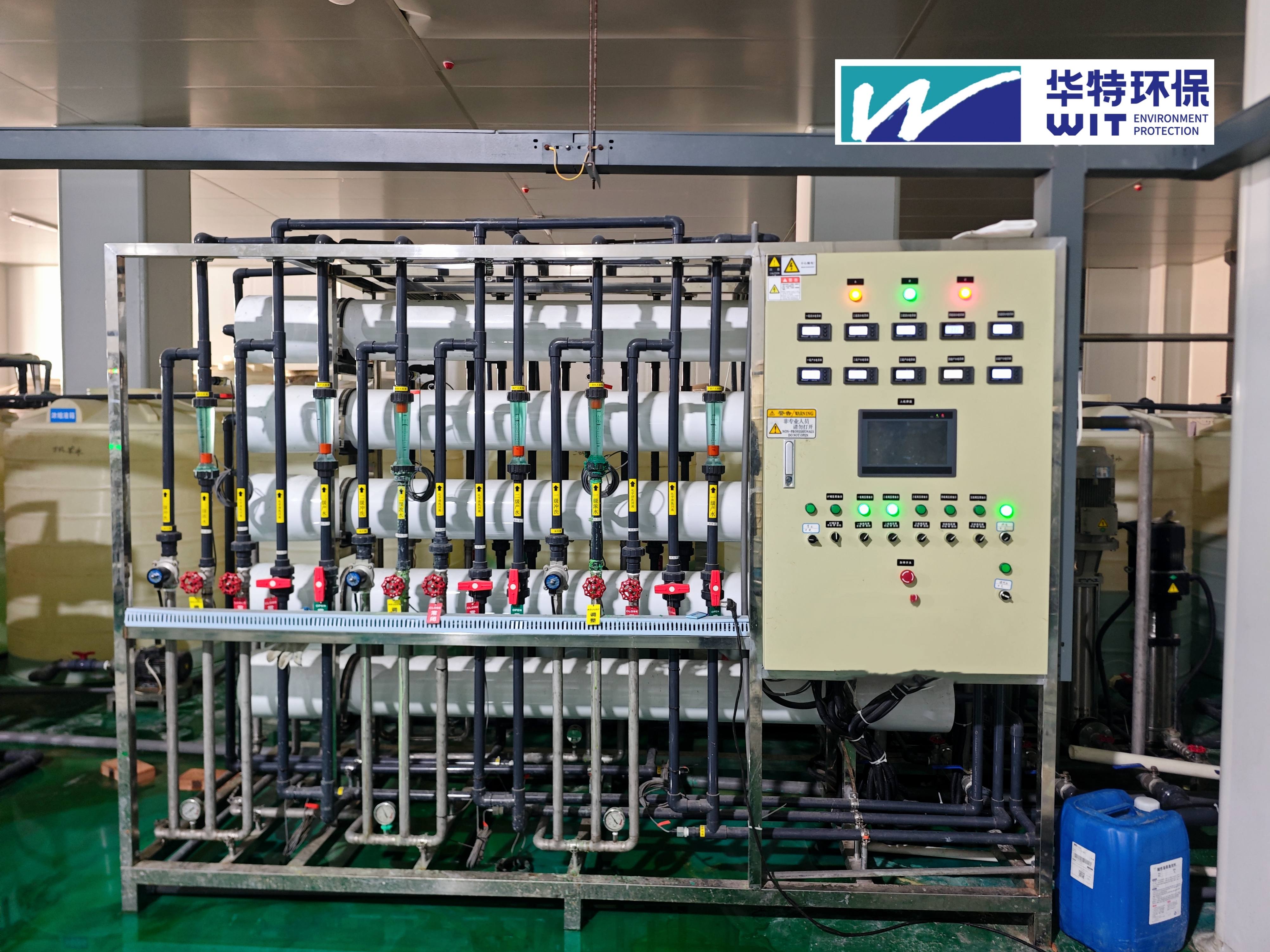
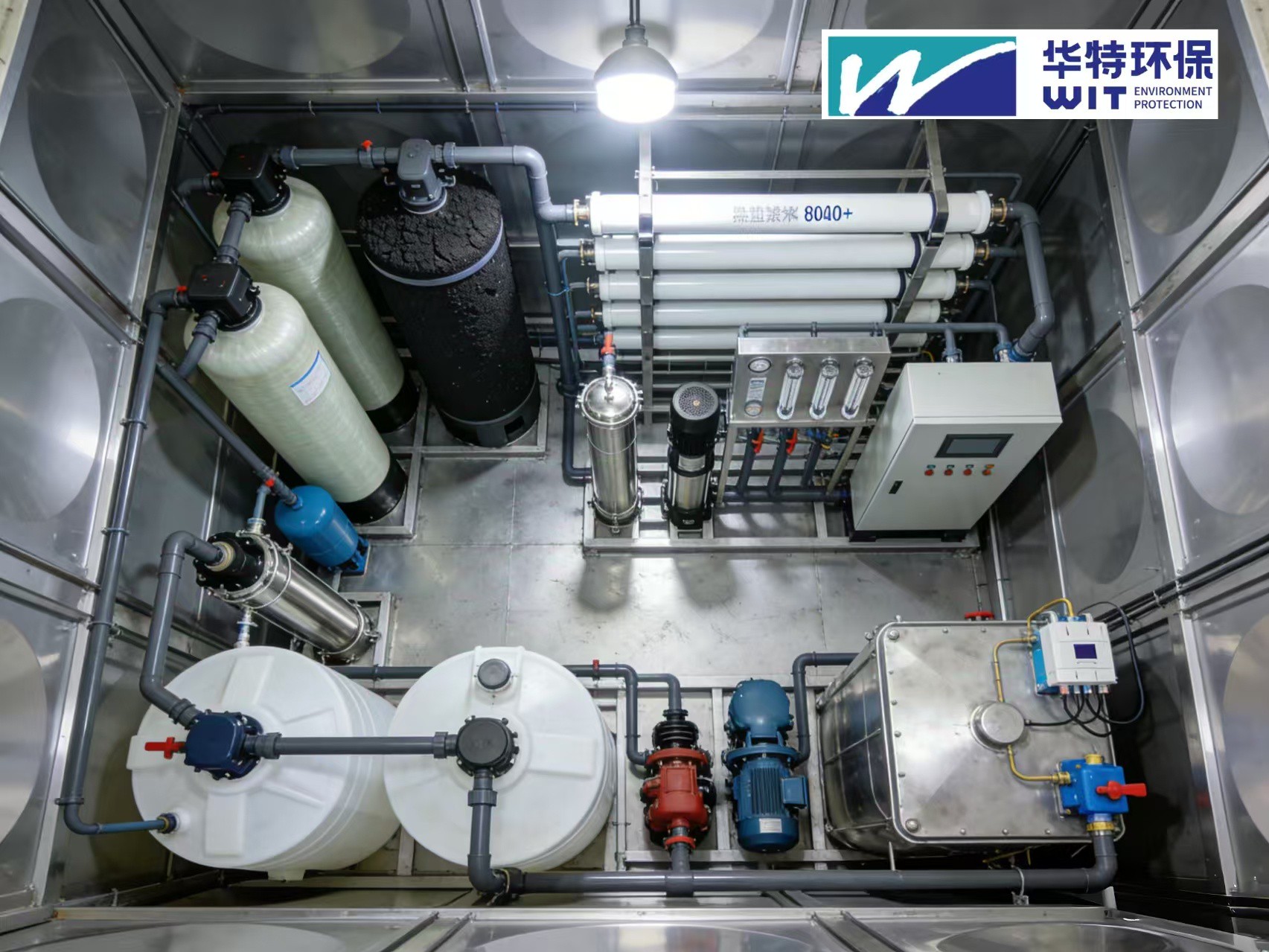
For business evaluators, a skid-mounted system often appears straightforward because the package is compact, pre-assembled, and promoted as easy to install. In practice, however, project risk rarely comes from the skid itself.
It usually comes from the interface between the skid and the site. A unit may meet production requirements on paper, but still create schedule delays if the plant lacks drainage slope, stable voltage, or enough room for membrane replacement.
That is why installation assessment should be treated as part of commercial evaluation, not as a post-purchase engineering detail. A small oversight before buying can become a large change order during construction or commissioning.
For organizations evaluating Skid-mounted Single-stage Drinking Pure Water Equipment, the correct question is not only “What output capacity do we need?” but also “What conditions must our site provide for that output to remain stable?”
How Much Space Should Be Verified Before Ordering
The first check is actual installation footprint, but evaluators should go beyond equipment length and width listed in quotations. A real assessment should include operating clearance, maintenance aisle width, and room for future inspection.
Suppliers may provide skid dimensions, yet the site also needs enough surrounding space for valve access, instrument reading, cartridge replacement, and safe movement of operators or service personnel.
Vertical clearance is equally important. If the system includes tanks, piping manifolds, dosing points, or top-mounted instruments, low ceilings can complicate lifting, assembly, and maintenance after delivery.
Access path verification is often missed. It is not enough that the final installation area is large enough. Evaluators should confirm door width, corridor turning radius, elevator load limit, and unloading route from truck to plant floor.
Where space is constrained, it is useful to ask whether pipe orientation, control cabinet position, or skid layout can be adjusted before manufacturing. Early customization is usually cheaper than on-site rework after delivery.
Utility Capacity Checks That Directly Affect Startup and Operating Stability
The second major evaluation area is utilities. Even a well-designed skid-mounted unit cannot perform as intended if power, water supply, and drainage conditions are inconsistent with process requirements.
Start with electrical supply. Confirm voltage, phase, frequency, installed load, peak startup load, cable routing distance, and whether the site has reserve capacity for pumps, controls, and ancillary devices.
Business evaluators should also ask whether voltage fluctuation is common at the project location. If power quality is unstable, additional protection or control measures may be necessary, which changes both capital and operating cost.
Next, verify raw water supply conditions. Required inlet pressure, flow continuity, and water quality stability should match the design assumptions. Seasonal variation in source water can affect pretreatment performance and output reliability.
Drainage is another frequent hidden issue. Pure water systems generate reject water, cleaning discharge, and occasional overflow. If site drainage is undersized, poorly sloped, or positioned too far from the skid, installation complexity rises quickly.
Ventilation and ambient conditions should also be reviewed. High temperature, humidity, dust, or corrosive surroundings can shorten electrical component life and reduce instrument reliability, especially in industrial environments.
Which On-Site Conditions Most Often Create Hidden Costs
Hidden costs usually come from works that are outside the quoted skid package. These include foundation leveling, trenching, pipe bridge modification, cable extension, drain reconstruction, and structural reinforcement.
In retrofit projects, the risk is even higher because existing utilities may not match current drawings. A field survey should confirm actual pipe elevations, available tie-in points, and remaining capacity rather than relying only on historic records.
Evaluators should ask for a clear battery limit definition. This means identifying exactly which items are included in the supplier’s scope and which supporting works remain the buyer’s responsibility.
It is also wise to separate “equipment price” from “installed project cost.” A lower initial quotation can become less competitive once civil adaptation, electrical upgrades, and commissioning support are added to the total budget.
For companies managing broader treatment or resource recovery portfolios, comparing adjacent skid solutions can sharpen judgment. In some projects, packaged systems such as Rare Earth Disk Separation and Purification Skid-Mounted Equipment / Magnetic Coagulation Skid-Mounted Equipment also require similar early checks on utilities, interfaces, and service space.
What Business Evaluators Should Ask Suppliers Before Final Approval
A strong supplier discussion should move beyond catalog performance. Evaluators should request a site condition checklist and ask the manufacturer to confirm the minimum requirements for installation, operation, and maintenance.
Key questions include: What is the exact installed power? What inlet water conditions are assumed? How much reject water is produced? What maintenance clearance is mandatory? Which connections are supplied on the skid?
It is equally important to ask what happens if actual site conditions deviate from design assumptions. Can the system tolerate raw water fluctuation, pressure instability, or intermittent operation without performance loss or frequent shutdown?
Where the project serves regulated drinking water or public-use applications, compliance expectations should be reviewed early. Material selection, sanitation design, instrumentation, and operating records may all affect downstream acceptance.
For complex industrial or municipal environments, experienced environmental engineering companies can add value by evaluating the skid as part of the full treatment chain rather than as an isolated purchase. That broader view reduces interface risk.
A Practical Evaluation Framework for Comparing Purchase Options
To make procurement decisions more reliable, business evaluators can use a simple four-part framework: fit, utility readiness, integration effort, and lifecycle cost. This makes competing proposals easier to compare on practical terms.
Fit means whether the equipment physically matches the site, including footprint, height, access route, and maintenance clearance. If physical fit is weak, the project already carries execution risk before operation begins.
Utility readiness means whether existing power, water, drainage, and environmental conditions support the unit without significant upgrades. If multiple modifications are required, the packaged advantage of skid-mounted design is reduced.
Integration effort refers to how much coordination is needed across piping, controls, civil works, and commissioning. A unit with a higher purchase price may still be the better option if integration is faster and more predictable.
Lifecycle cost should include consumables, operator workload, spare parts, cleaning frequency, service access, and expected downtime. For Skid-mounted Single-stage Drinking Pure Water Equipment, long-term operating stability often matters more than minimum purchase price.
When reviewing alternatives, some buyers also benchmark package design philosophies across other environmental systems, including Rare Earth Disk Separation and Purification Skid-Mounted Equipment / Magnetic Coagulation Skid-Mounted Equipment, because consistent modular design often signals stronger engineering discipline.
Conclusion: Buy the Right System for the Real Site, Not the Ideal Drawing
Before buying skid-mounted pure water equipment, the most important work is to confirm whether the real site can support the real operating requirements. Space, utilities, drainage, and integration details should be validated before contract finalization.
For business evaluators, this pre-purchase discipline helps control hidden costs, reduce startup delays, and improve confidence in long-term performance. It also creates a stronger basis for comparing suppliers beyond headline capacity or initial price.
In short, the best procurement decision is rarely the one with the simplest brochure. It is the one that matches site conditions, treatment objectives, compliance needs, and operating reality from the start.



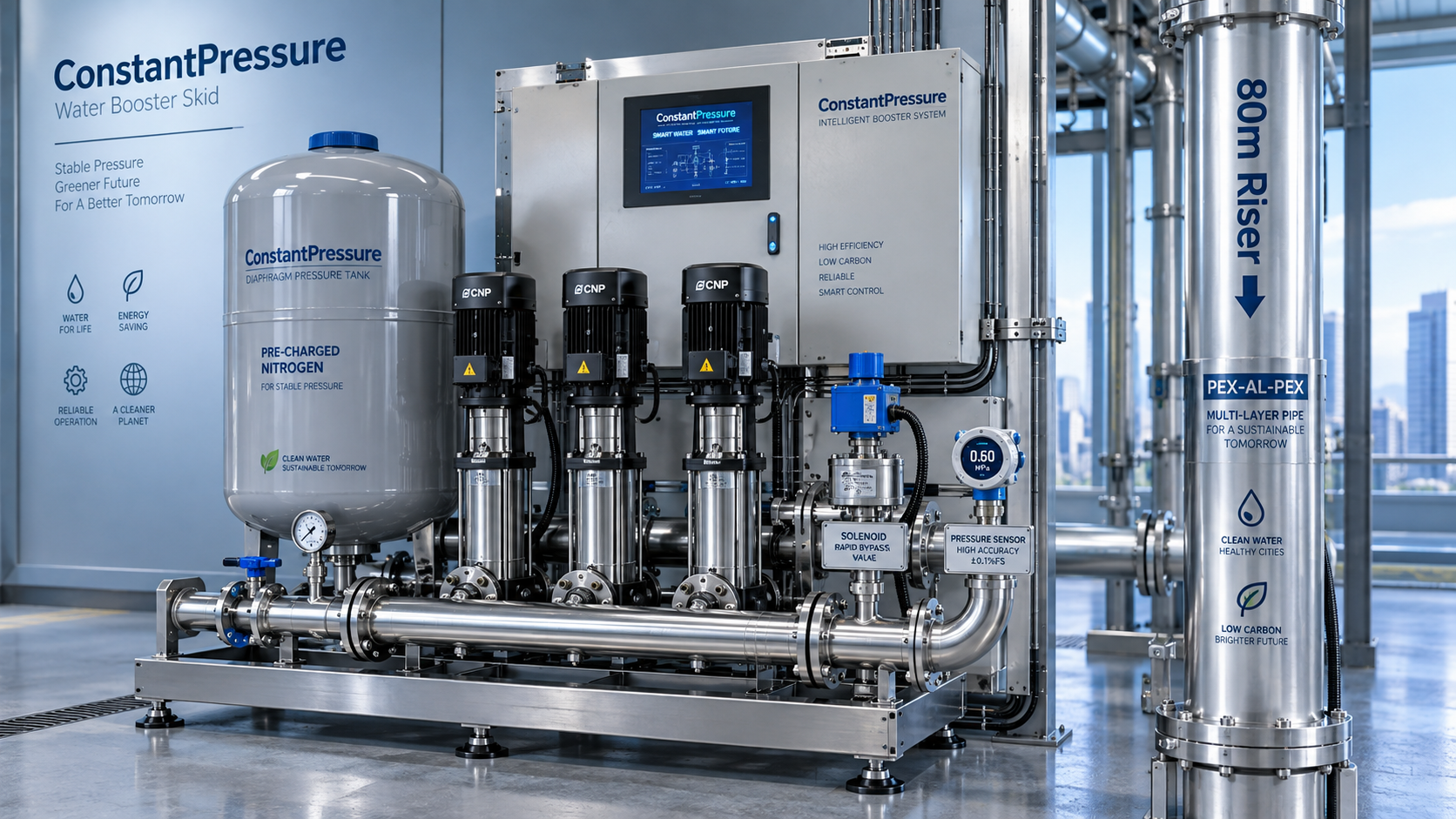
 How ConstantPressure Water Supply Skid-Mounted Equipment avoids water hammer during pump start-up in district heating networks
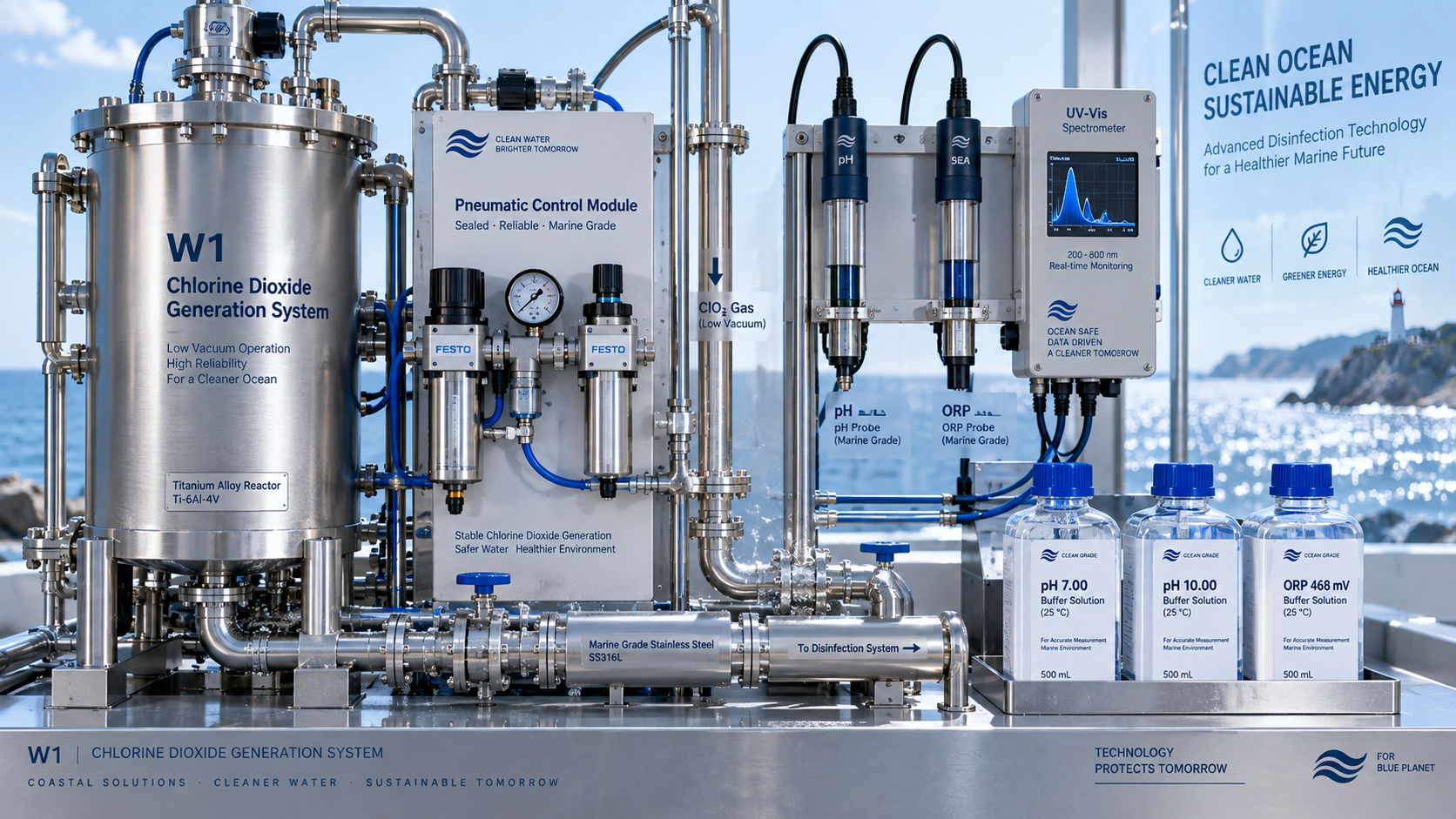
 chlorine dioxide preparation technology in coastal desalination plants?") What maintenance intervals are validated for W1 type (low negative pressure) chlorine dioxide preparation technology in coastal desalination plants?
What maintenance intervals are validated for W1 type (low negative pressure) chlorine dioxide preparation technology in coastal desalination plants? Does Large-Scale Integrated Skid-Mounted Water Purification Treatment Equipment include redundant control logic for SCADA integration?
 How ConstantPressure Water Supply Skid-Mounted Equipment responds to sudden valve closure events in high-rise buildings
 chlorine dioxide preparation technology?") What feedwater pH range limits the stability of W1 type (low negative pressure) chlorine dioxide preparation technology?
What feedwater pH range limits the stability of W1 type (low negative pressure) chlorine dioxide preparation technology? Can Industrial Water Purification Equipment meet ISO 22000 water quality requirements for beverage production lines?
GET A FREE QUOTE
Service Commitment: Upon receipt of your message, a dedicated representative will contact you as soon as possible to provide efficient and professional service support.
