







Why Use a Variable Frequency Drive for Desalination Plants
A variable frequency drive for desalination plants is not just about lowering power bills. It helps pumps run at the right speed, keeps pressure stable, and makes the whole desalination process easier to manage.
In water treatment and environmental engineering, that matters a lot. When flow, pressure, and energy use stay under control, plant reliability usually improves as well.
For organizations working across wastewater treatment, ecological restoration, and industrial water systems, VFD technology fits naturally into modern efficiency strategies. It supports both operational savings and more precise process control.
Why a variable frequency drive for desalination plants makes practical sense
The biggest reason is simple: desalination rarely runs under perfectly fixed conditions. Feedwater quality changes, demand shifts, and pump loads move throughout the day.
A variable frequency drive for desalination plants adjusts motor speed to match those changes. Instead of forcing equipment to run at full speed all the time, the system responds more smoothly.
- It reduces unnecessary energy use by matching motor output to real process demand, especially in high-pressure pumping stages where even small speed changes can create meaningful savings.
- It softens motor starting and stopping, which helps lower mechanical shock, protects pipes and valves, and reduces wear on pumps, seals, and couplings.
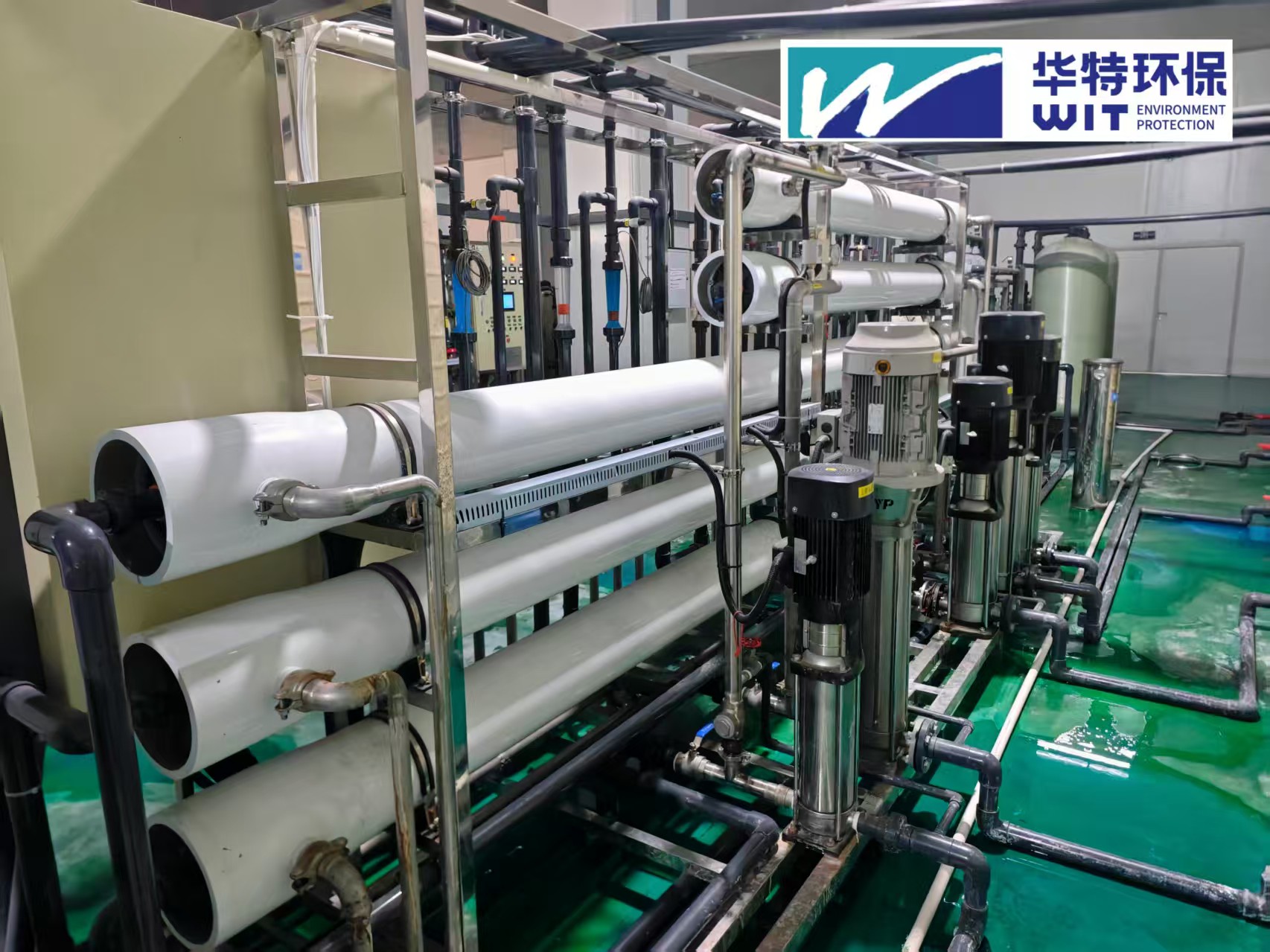
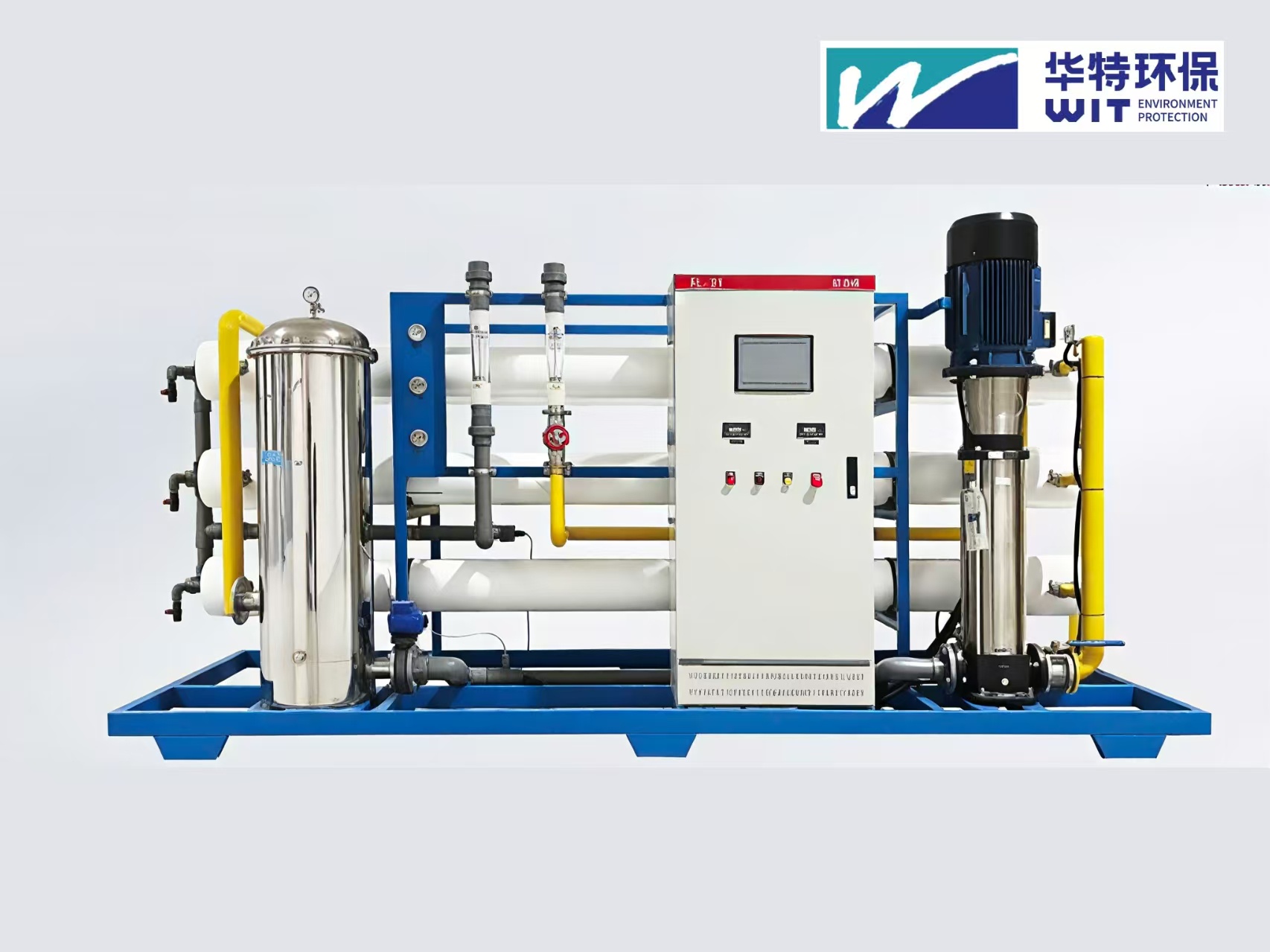
- It improves pressure control in reverse osmosis systems, making the process steadier and helping membranes operate within a more consistent performance window.
- It supports automation by connecting easily with plant control systems, allowing operators to fine-tune flow, pressure, and response speed without heavy manual intervention.
- It can lower maintenance frequency over time because equipment avoids constant full-load operation, which often extends service life across major rotating assets.
Where VFDs usually create the most value
Not every motor in a desalination facility delivers the same return. In most cases, the strongest impact comes from high-energy equipment.
High-pressure feed pumps
These are often the first place to look. High-pressure pumps consume a large share of plant power, so speed control can quickly affect total operating cost.
If pressure swings are frequent, a variable frequency drive for desalination plants can help stabilize membrane inlet conditions and reduce stress on the system.
Intake and transfer pumps
Raw water intake does not always need maximum flow. A VFD allows the plant to adjust pumping based on actual treatment demand and upstream conditions.
This is also useful when intake water quality changes seasonally. Flexible flow control can improve pretreatment coordination and reduce avoidable energy waste.
Post-treatment and distribution sections
Even after desalination, controlled pumping still matters. Distribution pressure, storage tank levels, and downstream demand all change, and fixed-speed motors often respond less efficiently.
In broader environmental projects, integrated equipment thinking is important too. Solutions such as Integrated Skid-Mounted Domestic Sewage Treatment Equipment show how modular control and compact engineering can improve deployment efficiency across water treatment applications.
What to check before selecting a variable frequency drive for desalination plants
This is where many evaluations become too theoretical. A good selection process should stay close to real operating conditions.
- Start with real pump curves and daily operating hours, not just motor nameplate data, because actual load variation determines whether the VFD investment will pay back quickly.
- Review site conditions carefully, especially humidity, salt spray, ventilation, and electrical quality, since desalination environments can be harsh on drive cabinets and control components.
- Check communication requirements early so the variable frequency drive for desalination plants can work cleanly with monitoring, alarms, and remote optimization functions.
Common issues that are easy to overlook
The technology itself is proven. Problems usually come from poor matching, incomplete design review, or unrealistic savings assumptions.
One common mistake is focusing only on energy reduction. In reality, the value of a variable frequency drive for desalination plants also includes pressure stability, softer starts, and reduced maintenance pressure.
Another issue is ignoring harmonics and cooling needs. Larger drives may require filters, better panel ventilation, or layout changes in the electrical room.
It is also worth checking whether membrane operation will benefit from variable control in practice. If process logic is weak, the VFD may be underused.
How this fits broader environmental and energy solutions
In the environmental and energy sector, better motor control supports a larger goal: doing more with fewer resources. That applies to desalination, wastewater treatment, and integrated water reuse projects.
Companies with strong engineering, R&D, and project delivery experience often look at these systems as part of a full-process solution, not as isolated equipment upgrades.
That broader view matters. Whether the project involves municipal wastewater, industrial reuse, ecological treatment, or modular systems like Integrated Skid-Mounted Domestic Sewage Treatment Equipment, stable control and energy efficiency usually go hand in hand.
A simple way to decide the next step
If a plant has large pump motors, changing flow demand, and frequent pressure adjustments, a variable frequency drive for desalination plants is usually worth serious evaluation.
The smartest approach is practical: review pump duty, operating hours, site conditions, automation needs, and expected pressure control benefits together.
That gives a clearer answer than looking at power savings alone. In many cases, the right VFD setup improves efficiency, reliability, and process stability at the same time.



 How to spot poor fabrication quality from chemical dosing skid manufacturers
 When local chemical dosing skid manufacturers are better than overseas suppliers
 Common membrane fouling causes in industrial pure water equipment
 What to check before buying industrial pure water equipment for a new plant
 How ultrapure water equipment helps reduce scaling in dosing systems
 When does industrial pure water equipment become necessary in pulp bleaching
GET A FREE QUOTE
Service Commitment: Upon receipt of your message, a dedicated representative will contact you as soon as possible to provide efficient and professional service support.
