







Cultural Wetlands or Park Lakes: What Works Better
When comparing cultural wetlands with park lakes, the practical question is not which one looks better on a master plan, but which one creates stronger long-term value for ecology, water quality, public use, and project investment. In most cases, cultural wetlands work better when the project needs ecological restoration, wastewater polishing, stormwater management, and visible environmental outcomes. Park lakes work better when the main goal is open-water landscape effect, recreation, and urban image enhancement. For many public-sector and development projects, the best answer is not choosing one against the other, but deciding which function should lead the design and whether a hybrid model is more appropriate.
For decision-makers, researchers, and project managers, the key is to judge these two options by performance requirements rather than by surface appearance. A water body that looks attractive but performs poorly in circulation, purification, and maintenance can become a long-term liability. A well-designed wetland system, by contrast, can deliver environmental treatment, habitat creation, and landscape value at the same time—if it matches site conditions and management capacity.
What Is the Core Difference Between Cultural Wetlands and Park Lakes?
The biggest difference lies in design purpose.
Cultural wetlands are typically designed as multifunctional ecological systems. They combine water purification, habitat reconstruction, stormwater regulation, environmental education, and landscape experience. The word “cultural” usually means the wetland is not just an engineered treatment system; it also reflects local history, regional identity, public interaction, and aesthetic planning.
Park lakes are usually designed primarily as landscape water bodies. Their main role is to provide visual openness, recreational appeal, waterfront activity space, and urban amenity value. Although they may include some ecological elements, they are not inherently treatment-oriented systems unless additional engineering measures are built in.
In simple terms:
- Cultural wetlands are performance-driven ecological landscapes.
- Park lakes are landscape-driven recreational water bodies.
This distinction matters because it affects almost every project outcome: land use efficiency, water source requirements, maintenance complexity, regulatory value, public expectations, and long-term operating cost.
Which Option Performs Better for Water Treatment and Ecological Restoration?
If the project includes wastewater treatment, reclaimed water polishing, non-point source pollution control, stormwater buffering, or ecological rehabilitation, cultural wetlands generally perform better.
Constructed or semi-natural wetland systems can remove suspended solids, nitrogen, phosphorus, and some organic pollutants through substrate filtration, plant uptake, microbial action, and hydraulic retention. They are especially valuable in projects where the goal is not only to store water, but to improve water quality before discharge, reuse, or landscape circulation.
Park lakes, by comparison, often depend on:
- external clean water supplementation,
- mechanical aeration,
- circulation systems,
- chemical control of algae,
- periodic dredging and cleanup.
Without strong inflow quality control and active operation, park lakes are more likely to experience common problems such as eutrophication, odor, algae bloom, black water, and seasonal water quality instability.
For ecological restoration, cultural wetlands also have a clearer advantage because they can:
- rebuild littoral zones and shallow-water habitats,
- support biodiversity and bird habitats,
- improve resilience of degraded waterfronts,
- integrate with river, drainage, and municipal water systems.
So for projects where environmental performance is not optional, but central, wetlands are usually the stronger technical choice.
Which One Creates Better Landscape and Public Experience Value?
If the priority is open views, iconic urban scenery, reflective water surfaces, and leisure-oriented park space, park lakes often have the advantage.
An open lake can create strong visual impact with relatively straightforward public recognition. It is easier to associate with boating, promenades, waterfront plazas, lighting, and ceremonial public space. For commercial districts, municipal parks, tourism-oriented developments, and city image projects, this open-water form may be more immediately attractive.
However, cultural wetlands can offer a different kind of landscape value—one that is often deeper and more sustainable. Instead of relying on broad open water alone, they create layered experiences through:
- boardwalks, ecological edges, and observation platforms,
- seasonal vegetation change,
- educational interpretation,
- regional cultural storytelling,
- immersive natural landscapes.
For human settlement improvement projects, especially those focused on livability, ecological identity, and environmental education, cultural wetlands may deliver more meaningful long-term public value than a conventional ornamental lake.
The key question is not “Which is prettier?” but “What kind of public experience does the project need to support?”
What Do Decision-Makers Need to Compare Before Choosing?
For business evaluators and project owners, the most useful comparison is not conceptual but operational. The following factors usually determine which option works better.
1. Water Source and Water Quality
If the available water source is reclaimed water, tailwater, stormwater runoff, or variable-quality inflow, a cultural wetland is often more suitable because it is designed to handle and improve water conditions. If the project has access to stable clean water and mainly seeks a visual water feature, a park lake may be feasible.
2. Land Availability
Wetlands usually require more carefully structured shallow zones, treatment cells, and ecological buffers. They are highly effective, but spatial planning must match treatment and habitat goals. Park lakes can sometimes deliver stronger visual presence with simpler geometry, although they still require circulation and shoreline management.
3. Performance Objectives
If the project must meet environmental compliance, support watershed improvement, or contribute to sustainability targets, wetlands usually provide more measurable value. If the project is mainly intended to raise real estate appeal, support recreation, or enhance urban branding, park lakes may align better.
4. Operation and Maintenance Model
Neither option is maintenance-free. Wetlands require vegetation management, sediment management, hydraulic monitoring, and ecological upkeep. Park lakes require algae control, water replenishment, aeration, cleaning, and often stronger intervention when water quality declines. The right choice depends on which maintenance model the owner can sustain over time.
5. Lifecycle Cost
Initial construction cost alone can be misleading. A park lake may appear simpler at first, but if it suffers ongoing water quality problems, the operating cost can rise significantly. Wetlands may require more specialized planning, but they can reduce dependence on energy-intensive or chemical-intensive water management when designed correctly.
When Does a Cultural Wetland Clearly Work Better?
A cultural wetland is often the better option in the following scenarios:
- Municipal projects needing both landscape improvement and water purification
- Ecological restoration of degraded riversides, low-lying land, or polluted urban fringe zones
- Human settlement improvement programs focused on environmental quality
- Projects using reclaimed water or treated wastewater as landscape water source
- Government-funded initiatives that require visible ecological outcomes and sustainability value
- Parks intended for science education, biodiversity display, and regional cultural integration
In these cases, wetlands do more than beautify land. They help solve real environmental problems while still producing a usable and attractive public space.
When Does a Park Lake Make More Sense?
A park lake may be the better choice when:
- the primary goal is iconic landscape effect,
- the site needs broad open-water views for recreation or tourism,
- the inflow water quality is already good and stable,
- the owner has sufficient budget and management capacity for continuous water maintenance,
- ecological treatment is not a major project requirement.
For highly urbanized central parks, civic plazas, or premium commercial developments, the visual clarity and accessibility of a lake may better match user expectations. But this only works well when there is a credible plan for long-term water circulation and quality stability.
Is a Hybrid Model Better Than Choosing Only One?
In many real projects, yes.
A hybrid solution often provides the strongest balance between landscape expression and environmental performance. For example, a project may use:
- an open central lake for visual identity and public recreation,
- surrounding or upstream wetland zones for pretreatment and ecological buffering,
- constructed shallow edges for biodiversity and stormwater interception,
- integrated circulation systems that improve overall water quality.
This approach avoids the weakness of a purely ornamental lake while preserving the visual advantages that many owners want. It is especially useful in municipal parks, sponge city projects, waterfront redevelopment, and ecological civilization demonstration areas.
For engineering teams and project managers, hybrid planning also creates more flexibility in phasing, budgeting, and performance design.
How Should Project Teams Make the Final Decision?
A practical decision framework should include the following questions:
- What is the primary objective? Landscape display, water treatment, ecological restoration, or mixed use?
- What kind of water enters the system? Clean water, stormwater, reclaimed water, or mixed inflow?
- What environmental problems must the project solve? Pollution control, habitat loss, runoff management, or none of these?
- What are the owner’s maintenance capabilities? Can the system be professionally managed over the long term?
- How will success be measured? Visitor experience, water quality indicators, biodiversity, compliance value, or asset appreciation?
- Is there enough land and budget for a multifunctional system?
If the project must deliver measurable ecological benefit and sustainable water management, cultural wetlands usually deserve priority. If the project is mainly a visual and recreational destination with strong maintenance support, park lakes can be effective. If both goals matter, a combined system is often the most resilient choice.
Why This Comparison Matters More in Today’s Environmental Projects
For government clients, infrastructure planners, and environmental enterprises, the comparison between cultural wetlands and park lakes is no longer just a design discussion. It is tied to broader issues such as:
- regional environmental governance,
- low-carbon and sustainable development,
- reuse of reclaimed water resources,
- improvement of human settlements,
- delivery of visible public environmental benefits.
As environmental standards rise and cities place greater emphasis on ecological restoration, multifunctional water systems are becoming more valuable than purely ornamental ones. This is why cultural wetlands are increasingly favored in projects that require both engineering practicality and public-facing landscape value.
For organizations involved in wastewater treatment, ecological restoration, and integrated environmental solutions, this shift also creates a stronger case for systems that connect water treatment capacity with landscape and community outcomes.
Conclusion: Which Works Better?
Cultural wetlands work better when the project must combine water treatment, ecological restoration, resilience, and landscape value. Park lakes work better when the project’s main purpose is visual openness, recreation, and landmark-style public space.
For most strategic public and environmental projects, the best answer depends on function first, not form first. Decision-makers should evaluate water source, performance goals, lifecycle cost, maintenance capacity, and public-use expectations before selecting a scheme.
In short, if the site needs to solve environmental problems while creating a quality landscape, cultural wetlands usually offer the stronger long-term return. If the site mainly needs to showcase water as a visual amenity, a park lake may be appropriate. And where both goals are important, an integrated wetland-lake system is often the most practical and future-ready solution.



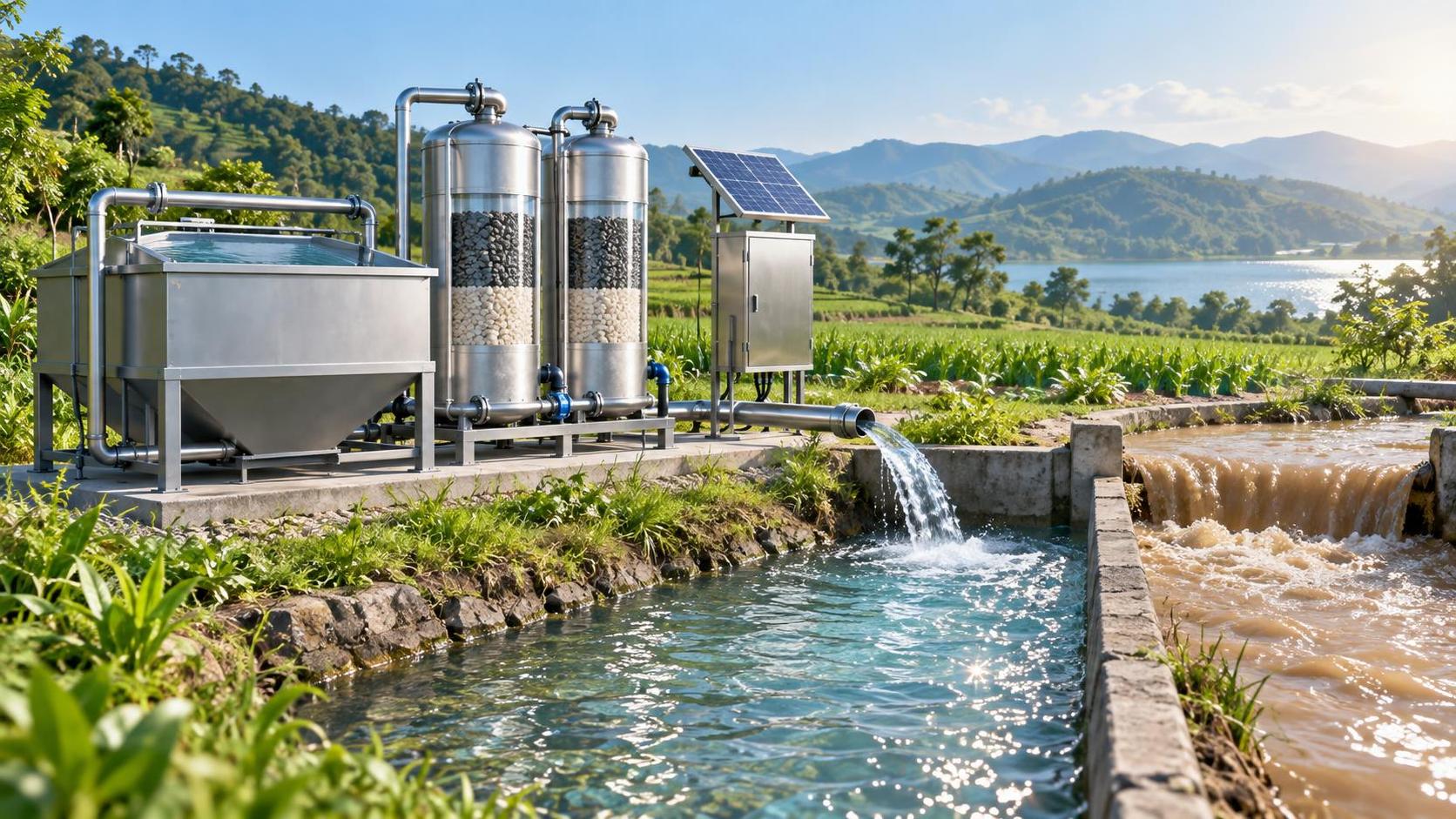
 Small Water Purification System Performance Under Variable Turbidity: Real-World Data from Off-Grid Agricultural Communities
 When Does a Small Water Purification System Outperform Centralized Treatment? Use Cases in Disaster Response and Mining Camps
 Small Water Purification System for Remote Clinics: Power-Independent Options and WHO Drinking Water Guidelines Compliance
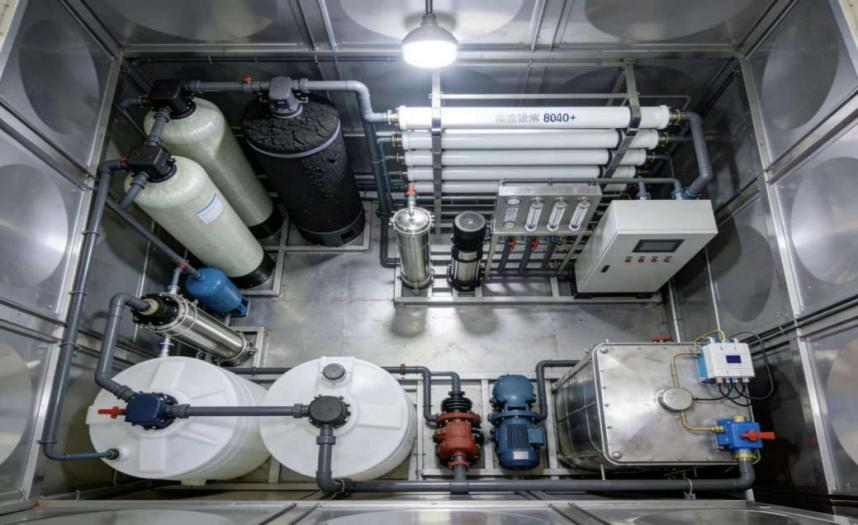
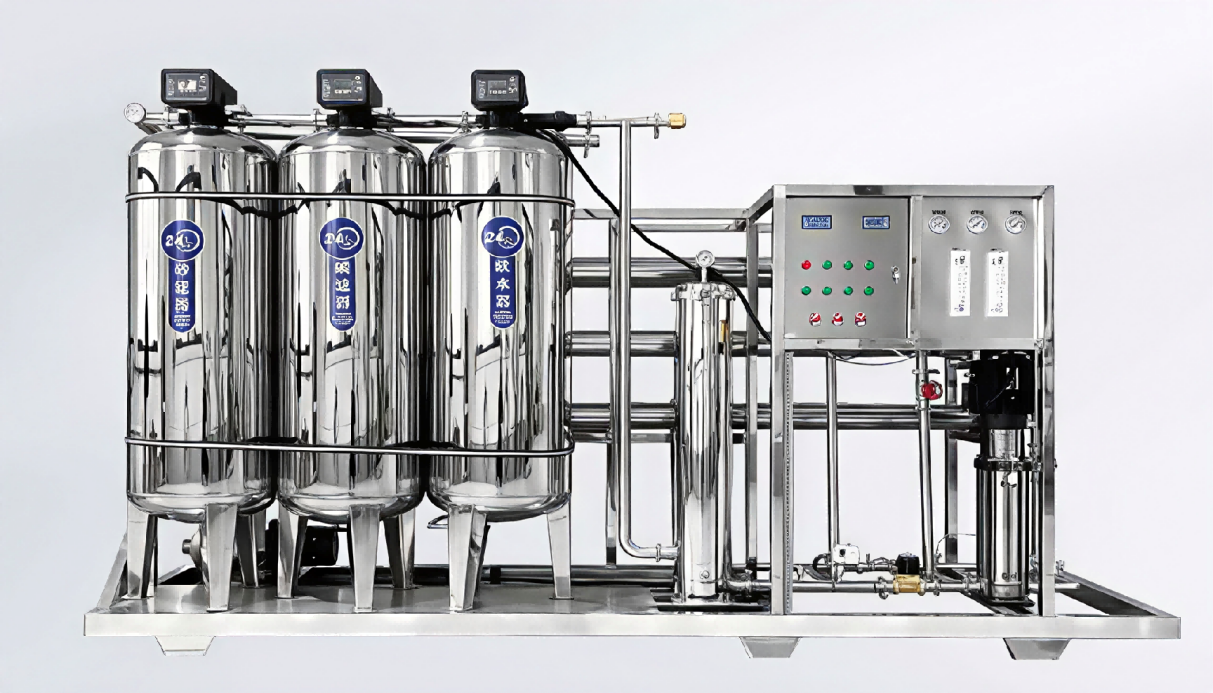
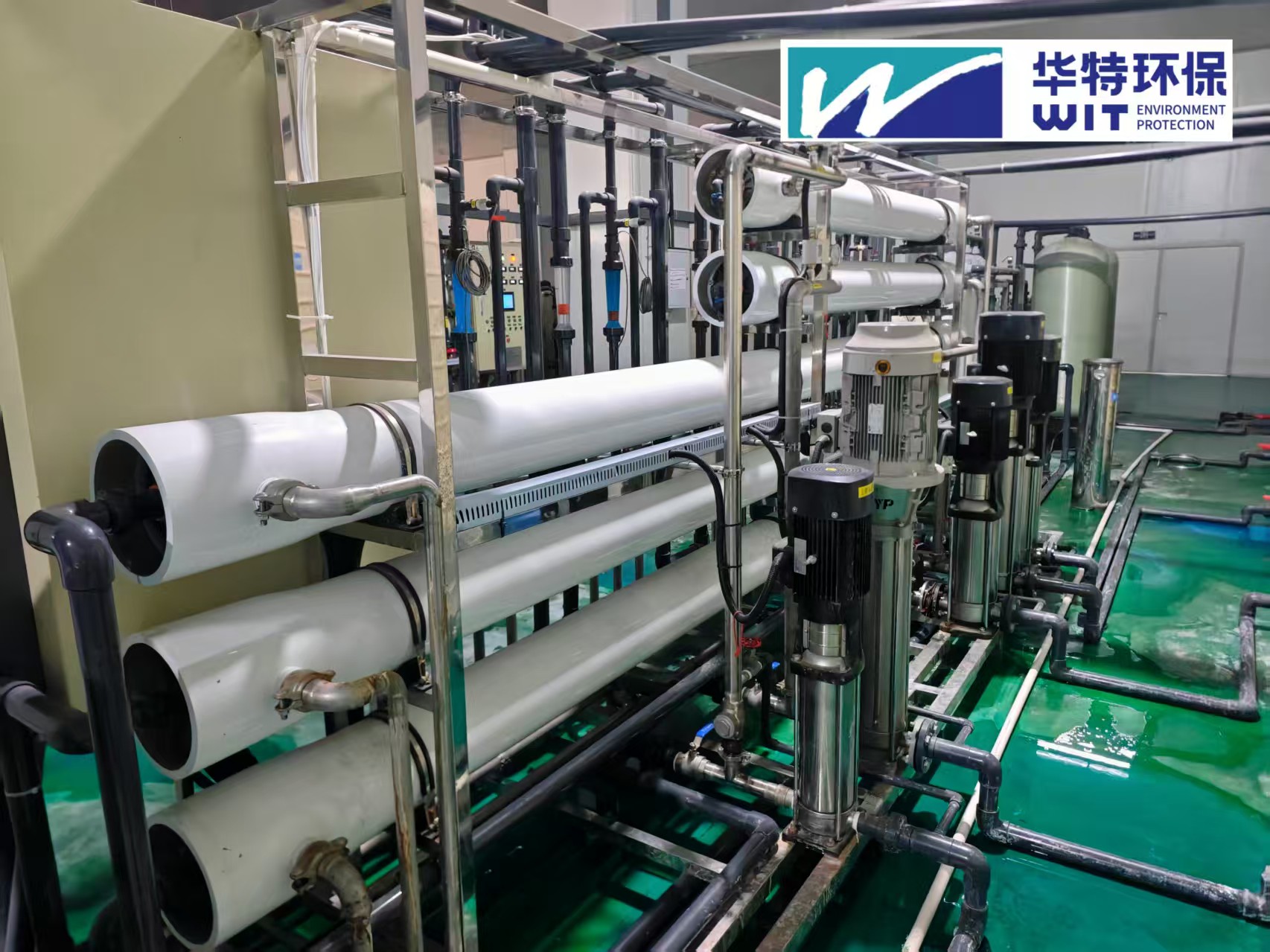
 Ultrapure Water Equipment ROI Calculator: Estimating Payback Period Based on Yield Improvement and Defect Reduction
 How Ultrapure Water Equipment Validates Compliance with SEMI F63-1118 for 28nm+ Wafer Fabrication
") Ultrapure Water Equipment for Semiconductor Manufacturing: Key Specifications Beyond Resistivity (TOC, Particle Count, Metals)
Ultrapure Water Equipment for Semiconductor Manufacturing: Key Specifications Beyond Resistivity (TOC, Particle Count, Metals)

GET A FREE QUOTE
Service Commitment: Upon receipt of your message, a dedicated representative will contact you as soon as possible to provide efficient and professional service support.
