







Biofilm Control in Cooling Towers Using W1 Type (Low Negative Pressure) Chlorine Dioxide Preparation Technology
Biofilm control in cooling towers is critical for maintaining heat exchange efficiency, reducing corrosion risks, and ensuring stable water treatment performance. Using W1 Type (Low Negative Pressure) Chlorine Dioxide Preparation Technology, operators can achieve effective microbial control with reliable chlorine dioxide generation, making it a practical solution for industrial water systems seeking safer, cleaner, and more sustainable environmental and energy management.
Why is biofilm control in cooling towers a high-priority issue?
In the environmental and energy sectors, cooling towers are exposed to warm water, air, suspended solids, and nutrients that favor microbial growth. Once microorganisms attach to tower surfaces, they form a biofilm matrix that protects bacteria, algae, and fungi from routine treatment.
This layer does more than create hygiene concerns. It lowers heat transfer efficiency, increases pumping resistance, accelerates under-deposit corrosion, and raises chemical consumption. In severe cases, biofilm in cooling towers can trigger unstable operation, unplanned shutdowns, and higher maintenance costs.
- Reduced thermal performance caused by slime deposits on fill, piping, and heat exchange surfaces.
- Higher risk of microbiologically influenced corrosion in steel, stainless steel, and alloy components.
- Increased blowdown, chemical demand, and labor input for cleaning and troubleshooting.
- Greater compliance pressure where industrial water treatment must align with environmental discharge requirements.
For operators comparing oxidizing biocide strategies, chlorine dioxide preparation technology has become increasingly important because it can target biofilm and planktonic microorganisms with less dependence on pH than many conventional chlorine programs.
How does W1 Type (Low Negative Pressure) Chlorine Dioxide Preparation Technology work?
W1 Type (Low Negative Pressure) Chlorine Dioxide Preparation Technology is designed to generate chlorine dioxide in a controlled way for industrial water treatment. The low negative pressure approach helps improve dosing stability, operational safety, and reagent utilization under practical cooling tower conditions.
Core operating logic
In simple terms, the system prepares chlorine dioxide on site and feeds it into the circulating water loop. On-site preparation reduces the handling burden associated with transporting unstable finished disinfectants and allows treatment to match real-time microbial load and process demand.
For cooling towers, this matters because microbial contamination is rarely constant. Seasonal temperature shifts, makeup water quality, process leaks, and organic load all influence the speed of biofilm formation. A stable preparation system gives operators better control over residual management and shock dosing plans.
Why operators value the W1 configuration
- Reliable chlorine dioxide generation for continuous or intermittent cooling tower dosing.
- Low negative pressure design that supports safer feeding conditions and helps reduce leakage concerns.
- Better adaptability for industrial water treatment systems with variable hydraulic loads.
- Practical integration with automated monitoring, dosing control, and engineering packages.
Where is this chlorine dioxide preparation technology most effective?
Cooling tower biofilm control is not a single-use scenario. Decision-makers usually need to assess water quality, operating continuity, fouling tendency, and discharge expectations before choosing a chlorine dioxide system.
The following table helps compare typical application scenarios for W1 Type chlorine dioxide preparation technology in energy and environmental operations.
These scenarios show why many facilities prefer chlorine dioxide preparation technology when standard chlorination becomes inconsistent or when biofilm control in cooling towers must be improved without overcomplicating the treatment train.
How does chlorine dioxide compare with other biofilm control methods?
Procurement teams often compare chlorine dioxide with sodium hypochlorite, bromine-based biocides, and non-oxidizing biocides. The right answer depends on water chemistry, operational goals, and lifecycle cost, not just initial equipment price.
The table below summarizes practical comparison points relevant to cooling tower biofilm control.
In many industrial water treatment projects, chlorine dioxide is not chosen because it is trendy. It is chosen because it helps balance microbial control, system cleanliness, and operational continuity under real plant conditions.
What should buyers evaluate before selecting a system?
A cooling tower disinfectant program should never be selected by chemical price alone. Buyers need to review process fit, equipment configuration, safety design, and service capability together.
Key selection checkpoints
- Confirm circulating water volume, makeup water quality, and expected microbial pressure during peak season.
- Assess whether the dosing strategy requires continuous feed, intermittent dosing, or shock treatment capability.
- Check compatibility with existing automation, storage, and safety management procedures.
- Evaluate reagent logistics, operator training needs, and maintenance accessibility.
- Review whether the supplier can support engineering design, startup, optimization, and troubleshooting.
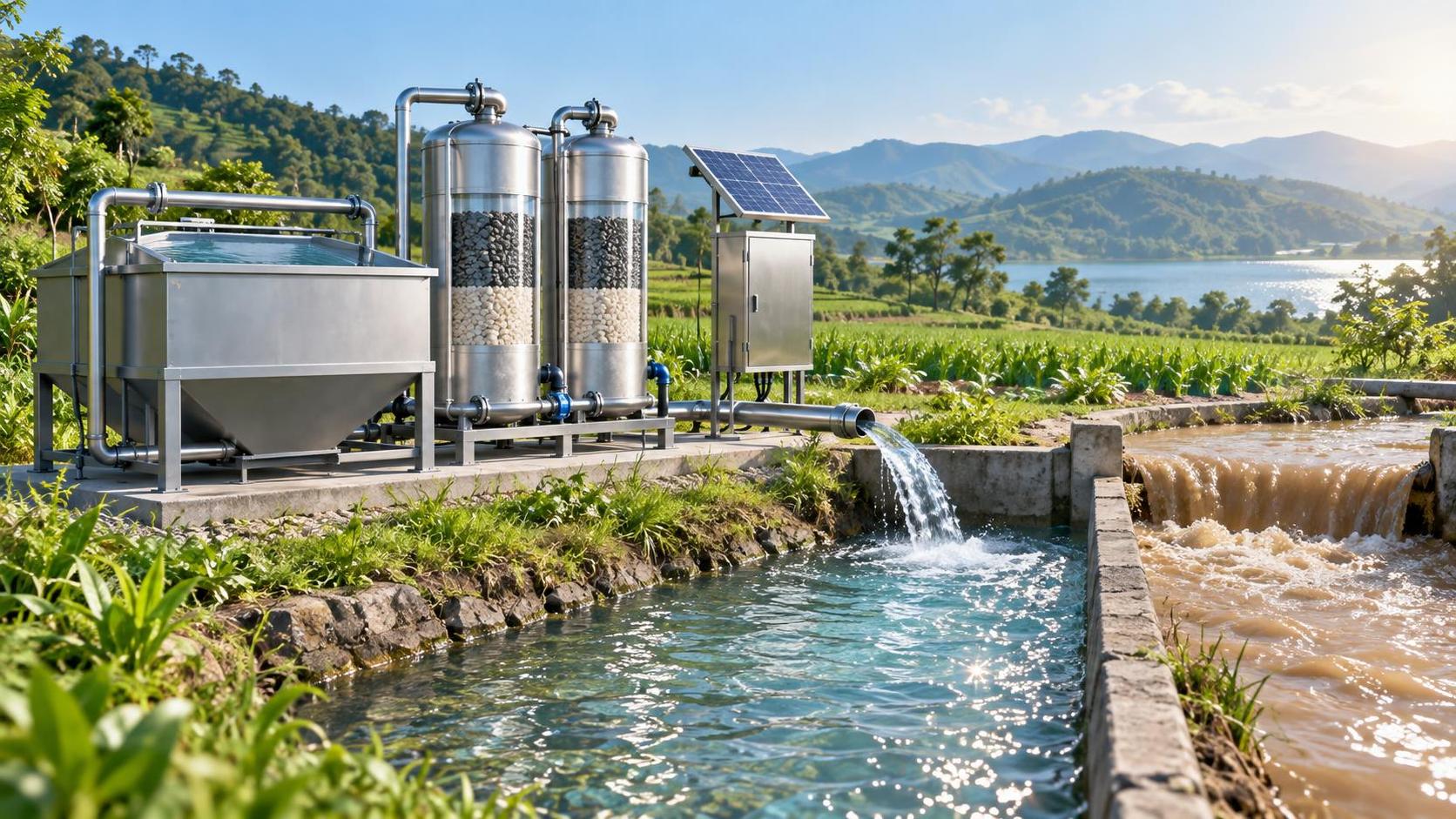
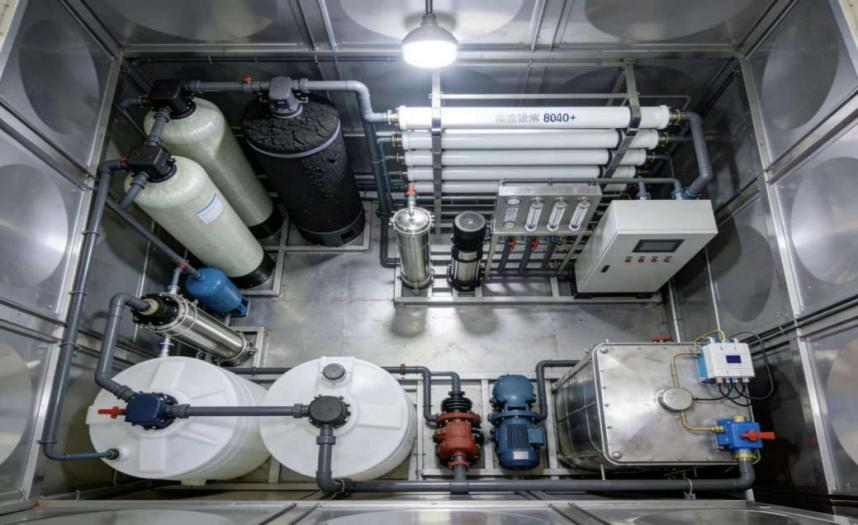
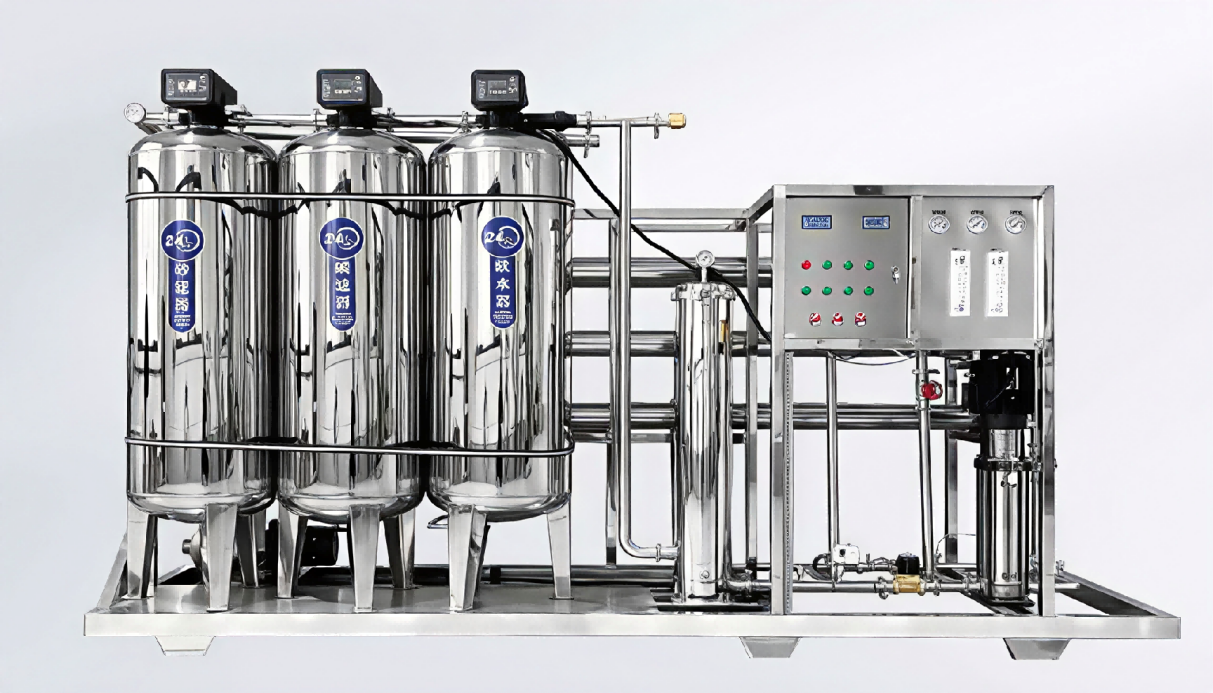
In projects where pretreatment or compact water handling is also needed, some operators review integrated support equipment such as Small-Sized Integrated Skid-Mounted Water Purification Treatment Equipment to improve upstream water quality consistency and reduce the fouling burden on downstream cooling applications.
Why does engineering capability matter as much as the equipment itself?
A chlorine dioxide preparation system can perform well only when it is matched to actual site conditions. That is why engineering experience is essential in the environmental and energy industry, especially for complex cooling tower networks and industrial wastewater-linked utility systems.
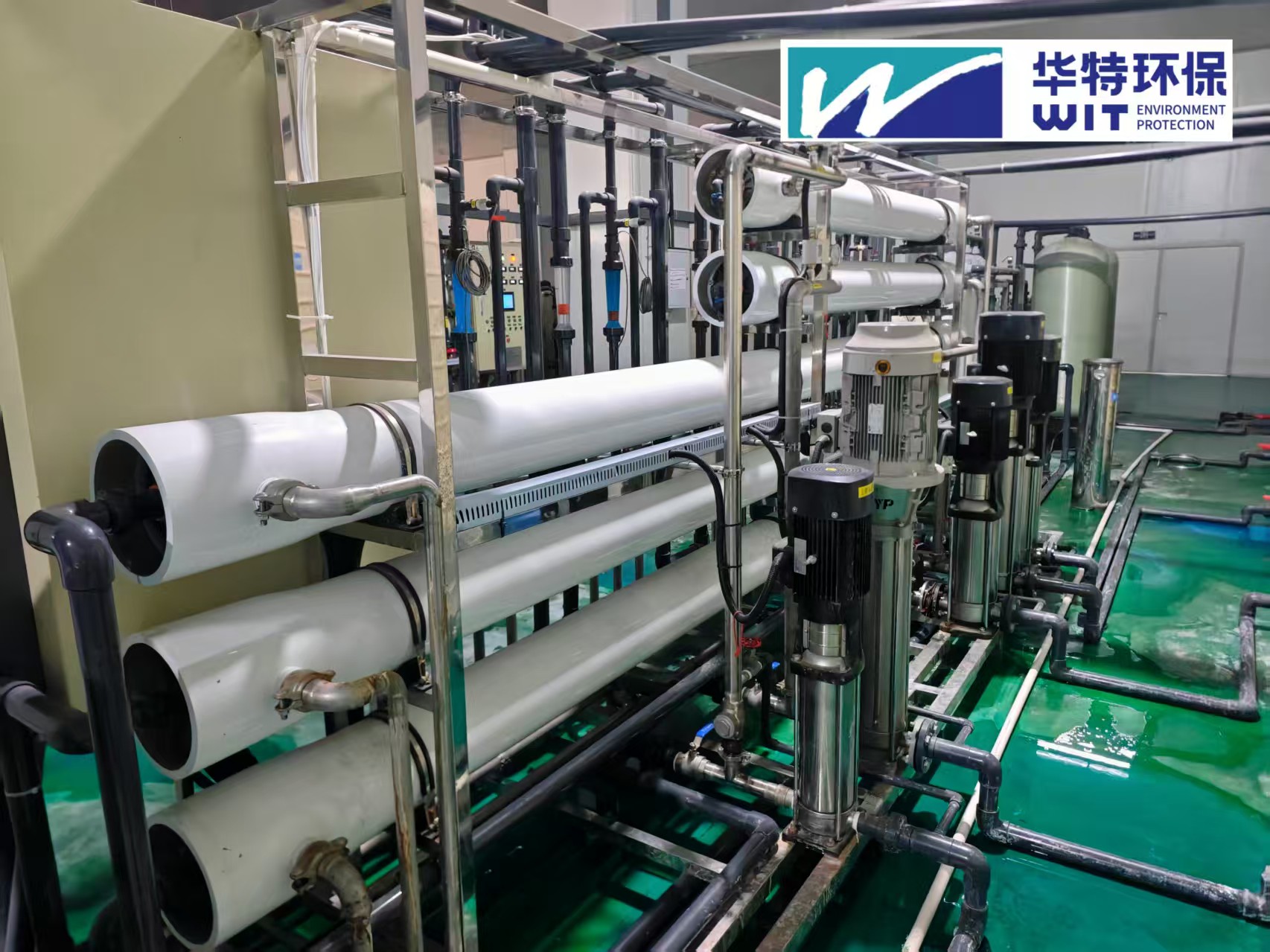
Shandong Wit Environmental Protection Technology Co.Ltd brings a strong water treatment and environmental engineering foundation to this process. Backed by years of wastewater treatment practice, scientific research cooperation, and experience in large-scale chlorine dioxide production equipment, the company is positioned to support customers from technical evaluation through project execution.
Relevant strengths for cooling tower projects
- Experience across municipal, industrial, and aquaculture wastewater treatment gives practical insight into variable water quality control.
- Capability in large-scale chlorine dioxide production equipment supports reliable system design and process understanding.
- Integration of research, technology transformation, consulting, and engineering contracting helps shorten the path from evaluation to implementation.
- Cooperation with universities and research institutions strengthens continuous process improvement and solution adaptability.
For buyers, this means the discussion goes beyond equipment supply. It includes operating conditions, treatment goals, installation constraints, and long-term environmental management performance.
Common questions about biofilm control in cooling towers
Is chlorine dioxide suitable for towers with fluctuating pH and organic load?
In many cases, yes. Chlorine dioxide is often selected because it maintains useful disinfection performance across a broader pH range than free chlorine. That can be valuable in industrial cooling systems where makeup water and contamination events are not stable.
Can it remove mature biofilm by itself?
It can contribute strongly to biofilm control, but mature deposits may still require a combined approach. Mechanical cleaning, dispersants, side-stream filtration, and operating adjustments are often needed when fouling is already severe.
What do buyers often overlook during procurement?
The most common mistake is focusing only on nominal output. Buyers should also review dosing control logic, safety design, reagent consumption, maintenance access, and whether the supplier can adapt the system to site-specific water treatment challenges.
Can the solution be integrated into broader water treatment packages?
Yes. In many environmental and energy projects, chlorine dioxide preparation is part of a larger utility package that may also involve filtration, wastewater reuse, pretreatment, or modular treatment units such as Small-Sized Integrated Skid-Mounted Water Purification Treatment Equipment.
Why choose us for cooling tower chlorine dioxide solutions?
If you are evaluating biofilm control in cooling towers, the most effective next step is not guessing dosage from a catalog. It is confirming process conditions and matching the right chlorine dioxide preparation technology to your system.
Shandong Wit Environmental Protection Technology Co.Ltd can support practical consultation around circulating water volume, target dosing range, site layout, reagent strategy, automation matching, and delivery planning. The team can also discuss customization options for industrial water treatment, wastewater-linked utility systems, and integrated environmental engineering projects.
- Request parameter confirmation for your cooling tower flow, concentration cycles, and microbial control target.
- Discuss product selection based on dosing mode, installation environment, and operational safety expectations.
- Check delivery cycle, engineering coordination scope, and startup support requirements.
- Ask about customized solutions, quotation communication, and related water treatment package integration.
For facilities aiming to reduce fouling risk, improve heat exchange stability, and strengthen sustainable cooling water management, a well-designed W1 Type chlorine dioxide preparation solution is a practical place to start.



- chlorine dioxide production equipment
- aquaculture wastewater treatment
- industrial water treatment
- environmental protection technology
- chlorine dioxide preparation
- engineering contracting
- Small-Sized Integrated Skid-Mounted Water Purification Treatment Equipment
- W1 type (low negative pressure) chlorine dioxide preparation technology
 Small Water Purification System Performance Under Variable Turbidity: Real-World Data from Off-Grid Agricultural Communities
 When Does a Small Water Purification System Outperform Centralized Treatment? Use Cases in Disaster Response and Mining Camps
 Small Water Purification System for Remote Clinics: Power-Independent Options and WHO Drinking Water Guidelines Compliance
 Ultrapure Water Equipment ROI Calculator: Estimating Payback Period Based on Yield Improvement and Defect Reduction
 How Ultrapure Water Equipment Validates Compliance with SEMI F63-1118 for 28nm+ Wafer Fabrication
") Ultrapure Water Equipment for Semiconductor Manufacturing: Key Specifications Beyond Resistivity (TOC, Particle Count, Metals)
Ultrapure Water Equipment for Semiconductor Manufacturing: Key Specifications Beyond Resistivity (TOC, Particle Count, Metals)
GET A FREE QUOTE
Service Commitment: Upon receipt of your message, a dedicated representative will contact you as soon as possible to provide efficient and professional service support.
